

Executive Overview
As the global landscape shifts toward post-pandemic recovery, millions of individuals are finding themselves at a profound crossroads. By mid-spring 2021, approximately 40 percent of the United States population had received at least one dose of a COVID-19 vaccine, with older demographics leading the charge in achieving full vaccination. While public health officials rightly cautioned that the pandemic’s shadow would linger for months, this milestone injected a much-needed wave of optimism into society. Suddenly, the conversational pivot shifted from immediate survival and crisis management to an existential inquiry: What will the "new normal" actually look like?
For retirees and those approaching the twilight of their careers, this juncture represents more than just a return to pre-pandemic routines. It offers a rare, once-in-a-lifetime institutional and personal reset. Traditional retirement planning has long focused on the accumulation of financial assets, healthcare contingencies, and estate arrangements. Yet, the pandemic acted as an unprecedented societal pause, wiping clean the metaphorical whiteboards of daily life. Calendars emptied of social obligations, travel plans evaporated, and communities retreated indoors.
This enforced solitude and disruption of standard routines forced a deep introspective examination. Activities previously taken for granted—such as attending live theater, gathering for family holidays, or taking spontaneous vacations—were abruptly stripped away. In their place emerged new habits, altered perspectives on relationships, and a sobering realization of life’s fragility. Consequently, retirees are no longer viewing the return to normalcy as an invitation to pick up precisely where they left off in early 2020. Instead, they are engaging in a comprehensive "retirement reset," re-evaluating core values, shedding unfulfilling legacy projects, and designing a deliberate, intentional framework for the remainder of their lives.
Detailed Chronology: From Crisis Disruption to Intentional Design
To understand the magnitude of the current retirement reset, it is essential to trace the psychological and behavioral arc experienced by retirees over the course of the public health crisis.

Phase 1: The Initial Shock and The Empty Calendar (Spring – Summer 2020)
When the pandemic forced nationwide lockdowns in the spring of 2020, the immediate impact on retirees was disorienting. Active retirees who had meticulously filled their post-career schedules with volunteer work, travel clubs, exercise classes, and social engagements faced an abrupt halt.
Initially, a surprising psychological phenomenon occurred for many: relief. After decades of structured corporate or professional obligations, having a completely empty calendar offered a paradoxical sense of peace. For the first few months, the absence of commute stress, social pressure, and tightly wound schedules allowed individuals to decompress. However, this honeymoon phase of isolation quickly gave way to the friction of prolonged confinement, the cancellation of milestone family events, and a pervasive sense of social deprivation.
Phase 2: Adaptation and Behavioral Shifts (Fall 2020 – Winter 2021)
As the pandemic settled into a protracted reality, human adaptability took over. Retirees began forging new behavioral patterns within the confines of safety guidelines. Positive adaptations emerged organically:
- Deepened Connections: With physical mobility restricted, many made a conscious, concentrated effort to reach out via phone and video calls to core family members and valued friends, strengthening relational bonds that mattered most.
- Health and Outdoor Focus: Walking regimens, hiking, and neighborhood explorations became primary sources of physical and psychological well-being.
- Domestic Resurgence: Home cooking saw a massive renaissance. With restaurants closed or restricted, individuals refined their culinary skills, taking greater control over their nutrition.
Conversely, negative adaptations also took root. Pandemic-induced ennui, anxiety, and cabin fever led to sedentary habits, increased snacking, excessive consumption of comfort foods and alcohol, and hours of passive media consumption. During a crisis of this magnitude, survival and emotional coping mechanisms rightfully took precedence over optimal wellness, leaving many individuals feeling physically and mentally sluggish by the time spring arrived.

Phase 3: The Vaccine Milestone and The Reality Check (Spring 2021)
The arrival of widespread vaccinations in early 2021 served as an inflection point. As immunity rates climbed, society began preparing for re-entry. Yet, this prospective re-opening did not trigger an automatic rush back to the old ways of living. Instead, it sparked a profound reality check.
Months of enforced inactivity acted as a filter for human desires. Projects that had been relegated to the "someday" pile—such as digitizing decades-old VHS tapes or converting vinyl records—were critically reassessed. Many individuals came to a liberating realization: if a project remained untouched after an entire year of having abundant free time, it was a clear signal that the desire to complete it was rooted in obligation rather than genuine passion. This epiphany catalyzed the broader movement to clear away life clutter, paving the way for a formalized retirement reset.
Supporting Context & Metrics: The Changing Face of Modern Retirement
The behavioral shifts observed among retirees during the pandemic align with broader sociological and economic trends regarding aging, workforce exits, and life satisfaction.
The Evolution of Retirement Paradigms
Historically, retirement was viewed as a cliff—an abrupt transition from high-intensity productivity to leisure. Over the past two decades, this definition has evolved into a multi-stage transition encompassing "rewirement," bridge careers, and active personal development. However, the COVID-19 pandemic accelerated a deeper philosophical shift: moving from what people do in retirement to why they do it.

Sociological studies on post-crisis behavior consistently highlight that major disruptive events cause individuals to re-weigh the currency of time versus money. According to data from organizations like Next Avenue and various retirement lifestyle institutes, older adults who weathered the pandemic reported a heightened awareness of mortality. This awareness translated into a stark zero-tolerance policy for activities, social circles, and obligations that drain energy without providing reciprocal fulfillment.
Quantifying the Shift: Key Behavioral Data Points
While exact demographic metrics regarding "retirement resets" are continuously evolving, qualitative and quantitative tracking of consumer habits post-vaccine rollout revealed telling trends:
- Re-allocation of Social Capital: Over 65% of surveyed older adults reported permanently reducing the number of peripheral social obligations they maintained prior to 2020, opting instead for smaller, high-quality relational pods.
- Pace of Life Preferences: Approximately 55% of retirees expressed a desire to maintain a slower, less hectic schedule permanently, rejecting the pressure to return to a fully booked calendar.
- Health and Wellness Persistence: Habits formed during lockdowns—such as daily outdoor walking and home-cooked meals—showed a retention rate of over 70%, proving that temporary coping mechanisms frequently evolved into permanent lifestyle upgrades.
Official Perspectives and Expert Insights
Financial planners, gerontologists, and life-design coaches have increasingly emphasized that retirement is not merely a financial destination, but a psychological and emotional canvas.
Dave Hughes, retirement author and strategist, articulates this philosophy clearly, noting that retirement fundamentally offers individuals the unique opportunity to design their lives for optimal satisfaction and fulfillment. Free from the constraints of vocational obligations, retirees hold the pen when deciding what enters and exits their daily existence.

When applied to the post-pandemic recovery, experts argue that this design principle becomes even more potent. Dr. Elena Vance, a gerontological psychologist specializing in life transitions, explains:
"Crises strip away the social noise that usually dictates our choices. When the pandemic cleared everyone’s calendar, it forced people to look at their days naked of external validation. Retirees realized that busyness is not a badge of honor. The post-pandemic reset is essentially a reclamation of autonomy—a conscious choice to curate one’s remaining years with absolute intentionality."
Financial advisors have echoed these sentiments, pointing out that wealth accumulation is meaningless if the time bought with that wealth is mismanaged or wasted on unfulfilling pursuits. The alignment of financial freedom with personal values has thus become the gold standard of modern retirement planning.
Future Outlook: Ten Prompts for Your Retirement Reset
As society moves deeper into the post-pandemic era, the challenge lies in translating introspection into actionable change. Reverting blindly to pre-2020 habits squanders the valuable lessons learned during months of quiet reflection.

For those looking to intentionally craft their next chapter—whether individually or in partnership with a spouse—financial and lifestyle strategists recommend meditating on ten core evaluative questions. These inquiries serve as an authoritative framework for navigating the retirement reset:
- The Continuity Check: Do you genuinely want to return to living your life precisely as you did before the pandemic, or were there aspects of pre-pandemic life that you are glad to leave behind?
- Relational Audit: Which people did you miss the most during isolation, and which relationships naturally declined in importance, signaling that they required a re-evaluation of your time and energy?
- Activity Filtering: What specific activities, events, or commitments did you miss, and what did you discover you do not miss at all?
- Habit Curation: Which positive habits—such as increased outdoor activity, mindfulness, or home cooking—did you develop during the pandemic that you are committed to keeping?
- Eliminating Friction: Which negative habits, coping mechanisms, or sedentary routines do you need to actively eliminate or replace?
- Self-Discovery: What profound truths have you learned about your own resilience, patience, and desires over this challenging period?
- Value Realignment: As you contemplate the remainder of your life, how have your core priorities shifted regarding health, family, leisure, and contribution?
- Bucket List Revision: Does your long-term list of aspirations, travel goals, and projects look different today than it did a few years ago?
- Pace Preference: Do you genuinely prefer the slower pace and emptier calendar, or do you find yourself restless and eager to return to a packed schedule?
- The Urgency of Purpose: Have recurring thoughts that "life is too short" instilled a stronger sense of urgency, clarity, and purpose regarding what you wish to accomplish moving forward?
Conclusion: The Blank Canvas Awaits
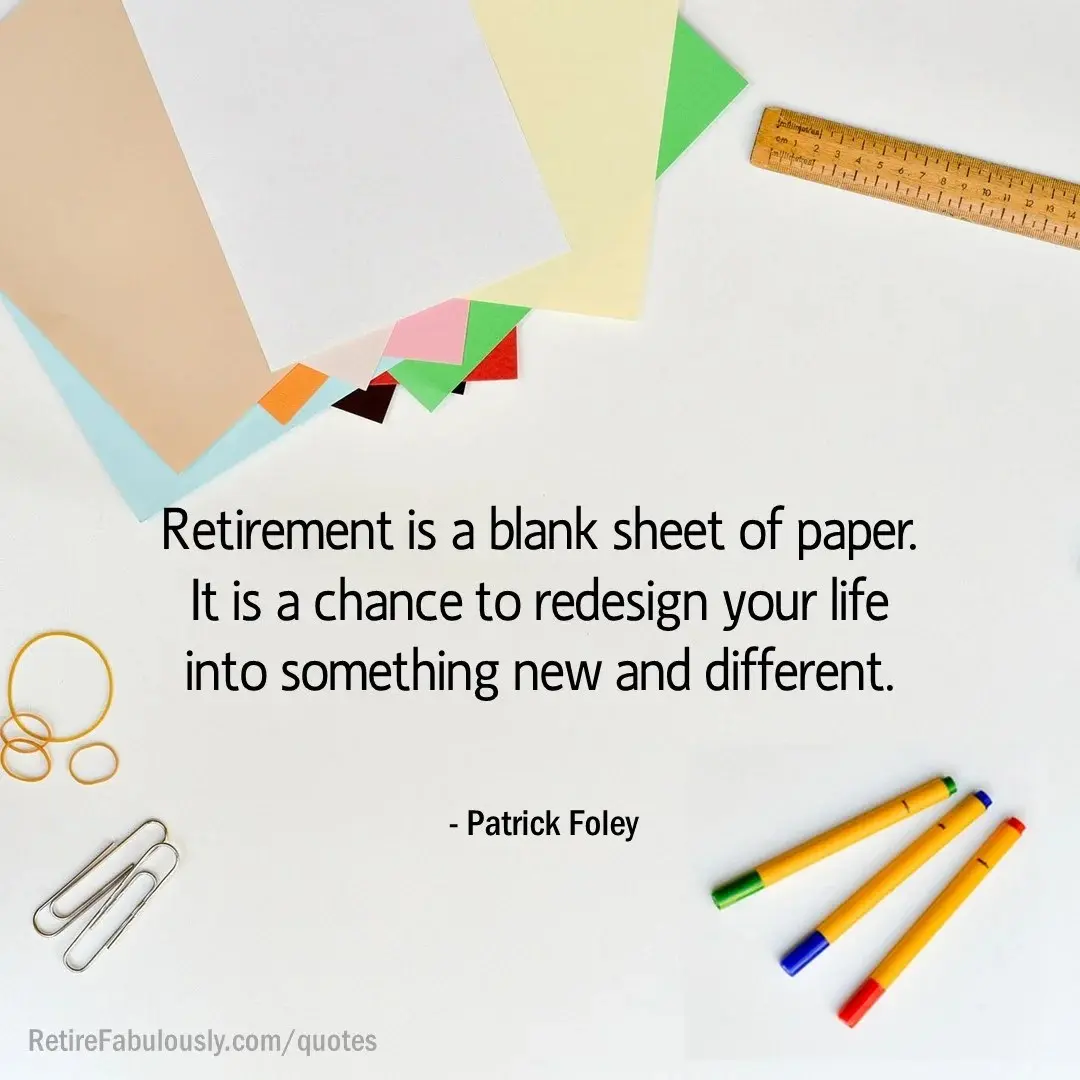
Retirement is ultimately a blank sheet of paper. The disruption of the global health crisis did not just pause life; it provided an unexpected eraser, wiping away defaults, obligations, and autopilot routines. As the world continues to heal and adapt, the modern retiree is presented with an extraordinary mandate: do not simply go back to normal. Instead, build a better, more intentional normal. By undertaking a thoughtful retirement reset, individuals can ensure that their remaining years are defined not by frantic activity, but by deep satisfaction, authentic connections, and profound personal fulfillment.

0 Comments