

Executive Overview
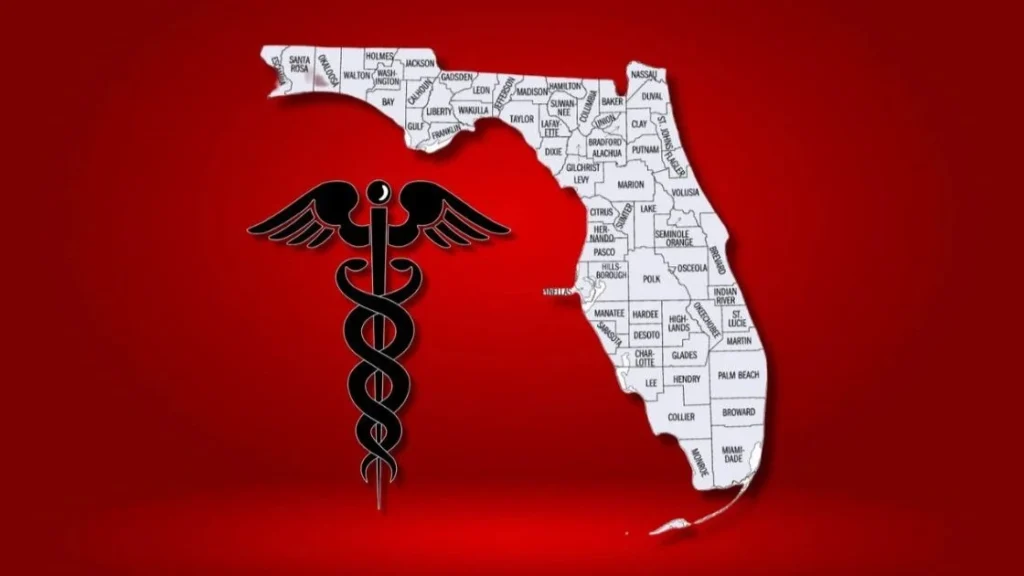
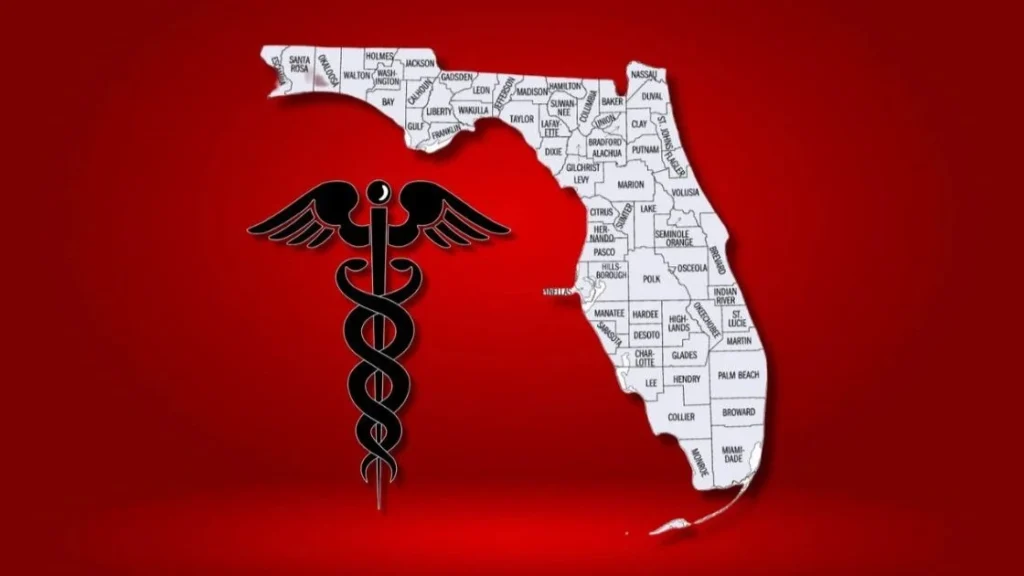
In an era defined by the rapid globalization of travel, shifting ecological patterns, and the persistent threat of novel pathogens, public health infrastructure faces unprecedented stress tests. Recognizing these vulnerabilities, a coalition of Florida lawmakers has launched a concerted legislative push to overhaul and fortify infectious disease surveillance systems. In a formal correspondence dated August 17, members of the Florida Legislature formally petitioned key federal and state health leadership to dramatically improve outbreak reporting mechanisms, streamline inter-agency communication, and re-establish absolute transparency with both clinical practitioners and the general public.
The bipartisan appeal targets the highest echelons of public health administration, directed squarely at U.S. Department of Health and Human Services (HHS) Secretary Robert F. Kennedy Jr., Acting Centers for Disease Control and Prevention (CDC) Director Dr. Jay Bhattacharya, and Florida Surgeon General Dr. Joseph Ladapo. At the heart of the lawmakers’ demand is a critique of recent communication lapses surrounding emerging epidemiological threats. Citing the alarming nationwide resurgence of measles—a highly contagious, vaccine-preventable disease once declared eliminated in the United States—the legislators underscored that delays in data dissemination and inconsistent messaging directly jeopardize community health outcomes.
The legislative memorandum outlines a comprehensive framework designed to transition Florida’s health infrastructure from a reactive stance to a proactive, highly coordinated posture. Beyond measles, lawmakers have explicitly flagged a broad spectrum of dangerous pathogens demanding heightened vigilance, including Ebola, hantavirus, zoonotic spillover events, aggressive respiratory viruses, and other high-consequence emerging diseases. To combat these risks, the state representatives are demanding a three-pronged approach: robust enhancements to disease surveillance and public communication channels, frictionless coordination between state and federal health bodies and frontline medical providers, and a formal, comprehensive legislative briefing by 2027 to evaluate state readiness.
This report provides an in-depth examination of the legislative push, tracing the timeline of the policy demands, analyzing the broader epidemiological context facing Florida and the nation, reviewing the specific directives issued to public health officials, and assessing the long-term outlook for healthcare preparedness in the Sunshine State.
Detailed Chronology of the Legislative Intervention
The August 17 directive did not emerge in a vacuum; it is the culmination of months of mounting anxiety among state-level policymakers regarding communication breakdowns between bureaucratic health institutions and the clinicians on the ground.
The Buildup to the August 17 Letter
Throughout early and mid-2025, epidemiological monitors tracked an unsettling upward trajectory in preventable infectious disease outbreaks across the United States. Most notably, localized measles clusters began popping up in jurisdictions with declining vaccination rates, exposing structural weaknesses in rapid-alert networks. State lawmakers in Florida, fielding inquiries from concerned constituents, local hospital administrators, and county health directors, noted instances where crucial epidemiological data failed to reach frontline physicians in a timely fashion.
In response, legislative committees began quietly reviewing the state’s infectious disease reporting protocols. They discovered a fragmented landscape where county health departments, state repositories, and federal clearinghouses frequently operated in data silos. Recognizing that a localized outbreak can transform into a statewide crisis within days, the coalition drafted the August 17 letter to force accountability across jurisdictional boundaries.
Key Milestones and Deadlines
The administrative timeline established by the Florida Legislature is tight, reflecting a sense of urgency regarding upcoming public health vulnerabilities:
- August 17: The Florida Legislature formally dispatches the urgent policy letter to HHS Secretary Robert F. Kennedy Jr., CDC Acting Director Dr. Jay Bhattacharya, and Florida Surgeon General Dr. Joseph Ladapo.
- August 31: Lawmakers establish a strict response deadline for the Florida Department of Health to outline its operational roadmap and logistical plans for the requested 2027 preparedness briefing.
- Late 2026 / Early 2027 (Anticipated): Preparatory workshops and preliminary inter-agency audits involving county health departments, hospital systems, and emergency management coordinators to evaluate data-sharing software and laboratory throughput capacity.
- 2027 Legislative Session: The delivery of a comprehensive, multi-agency preparedness briefing led by the Florida Department of Health, detailing surveillance capabilities, clinician notification workflows, laboratory readiness, and public risk-communication strategies.
Supporting Context & Metrics: The Expanding Threat Matrix
To fully appreciate the gravity of the lawmakers’ demands, it is essential to examine the multifaceted threat matrix confronting Florida. As a major international transportation and trade hub—boasting dozens of major commercial airports, bustling international maritime ports, and millions of annual tourists—Florida is uniquely susceptible to the importation and rapid dissemination of global pathogens.
The Measles Resurgence and the Cost of Delayed Communication
The primary catalyst cited by lawmakers for this policy intervention is the nationwide resurgence of measles. Once considered a triumph of modern vaccination programs, measles has clawed its way back into the public health consciousness due to dipping vaccination coverage and delays in contact tracing.
Measles is one of the most contagious infectious diseases known to science; a single infected individual can infect up to 90% of close contacts who are not immune. The virus remains suspended in the air for up to two hours after an infected person leaves an area. When public health agencies fail to issue rapid advisories, emergency departments and private pediatric clinics become unwitting exposure sites. Lawmakers argue that timely, transparent communication is not merely a courtesy—it is a critical epidemiological firewall that prevents localized exposures from exploding into systemic outbreaks.
[Infected Individual Enters Community]
       │
       ▼ (Delayed Public Notification)
[Exposures at Clinics & Public Spaces] ──> [Rapid Transmission]
       │
       ▼ (Enforced Proactive Surveillance & Immediate Alerts)
[Instant Clinician Notification]   ──> [Containment & Vaccination]
Beyond Measles: High-Consequence Pathogens
While respiratory viruses and vaccine-preventable diseases occupy significant legislative attention, the August 17 letter deliberately casts a wider net, incorporating pathogens that possess catastrophic potential:
- Ebola and Viral Hemorrhagic Fevers: Given Florida’s status as a global gateway, the state must maintain absolute preparedness for imported cases of viral hemorrhagic fevers. Rapid isolation and specialized waste management protocols depend entirely on flawless inter-agency communication between federal quarantine stations, state health officials, and local receiving hospitals.
- Hantavirus and Zoonotic Spillover: Environmental shifts, human encroachment into wild habitats, and dense rodent populations create ideal conditions for zoonotic spillovers. Hantavirus pulmonary syndrome, though relatively rare, carries a high fatality rate and requires immediate clinical identification.
- Vector-Borne Diseases: Florida’s subtropical climate makes it a perennial hotspot for vector-borne illnesses transmitted by mosquitoes, including Dengue fever, Zika, Chikungunya, and West Nile virus. Monitoring avian and mosquito sentinel populations requires a tightly integrated laboratory network capable of sequencing viral genomes in real-time.
- Emerging Respiratory Threats: Post-pandemic trauma remains fresh in the collective memory. Lawmakers are demanding assurance that respiratory surveillance systems—such as wastewater testing, syndromic surveillance in emergency rooms, and sentinel physician reporting—are permanently hardwired to detect novel influenza strains or coronavirus variants before they saturate hospital capacity.
Official Statements and Legislative Priorities
The rhetoric embedded in the lawmakers’ correspondence underscores a deep-seated frustration with bureaucratic opacity and a collective demand for a return to science-based, citizen-centric governance.
The Principle of Transparent Public Health
"Florida residents deserve clear, timely, and science-based information before, during, and after infectious disease events," the lawmakers asserted in their joint statement. This philosophy stands as a direct rebuke to past informational vacuums where conflicting guidance from federal and state entities left citizens confused and medical professionals flying blind.

The legislators emphasize that public trust is the single most valuable currency during a public health emergency. When information is delayed, sanitized, or politicized, compliance with public health directives plummets. By demanding transparent surveillance data, lawmakers hope to restore public confidence in health agencies.
The Three Pillars of the Legislative Mandate
To operationalize their vision, the state representatives have codified their expectations into three distinct, non-negotiable mandates for HHS, the CDC, and the Florida Department of Health:
- Strengthened Surveillance and Public Communication: Upgrading technological infrastructure to ingest epidemiological data in real-time, coupled with a commitment to issue plain-language public alerts without unnecessary bureaucratic delays.
- Seamless Multi-Agency and Clinical Coordination: Breaking down historical silos separating federal agencies (HHS, CDC), state departments (FDOH), county health networks, hospital systems, private practitioners, educational institutions, and emergency management officials.
- Comprehensive 2027 Preparedness Briefing: Requiring the Florida Department of Health to deliver an exhaustive accounting of state readiness, evaluating laboratory diagnostic capacity, physician notification speed, and public communication channels.
Future Outlook: Building a Resilient Healthcare Architecture
As the August 31 deadline approaches for the Florida Department of Health to respond regarding the 2027 legislative briefing, the broader medical community is watching closely. The success of this initiative will depend heavily on the willingness of federal authorities—specifically HHS under Secretary Kennedy and the CDC under Acting Director Bhattacharya—to collaborate closely with state-level health officers like Surgeon General Ladapo.
Technological Modernization of Surveillance
A cornerstone of future preparedness will be the digitization and automation of disease reporting. Legacy systems that rely on fax machines, manual data entry, and delayed batch-reporting are dangerously obsolete. Future-proofing Florida’s health network requires the deployment of interoperable electronic health record (EHR) integrations that automatically flag anomalous diagnostic codes and feed them securely into state surveillance databases within minutes of confirmation.
Empowering the Frontline Clinician
Doctors and nurse practitioners are the absolute vanguard of disease detection. Under the proposed framework, clinician guidance mechanisms must be overhauled. Instead of burying primary care physicians in dense, rarely read health advisories, public health agencies must leverage modern communication tools—such as secure provider portals, automated alert feeds, and direct-to-clinician messaging apps—to ensure that a doctor treating a patient with unusual symptoms instantly knows what pathogens are currently circulating in their specific zip code.
Inter-Agency Synergy and Disaster Readiness
Ultimately, infectious disease containment is an all-hands-on-board endeavor. The integration requested by Florida lawmakers bridges the gap between public health medicine and emergency management. By aligning hospital bed capacity tracking, personal protective equipment (PPE) stockpiles, school closure guidelines, and laboratory sequencing throughput under a unified operational umbrella, Florida is positioning itself to weather future biological storms with resilience, transparency, and unwavering focus on human life.
This report is part of an ongoing investigative series tracking public health policy, legislative oversight, and healthcare infrastructure modernization across the United States.

0 Comments