

Executive Overview
As the global landscape shifts toward recovery and vaccination milestones offer a tentative return to public life, retirees and soon-to-be retirees face a profound philosophical crossroad. The COVID-19 pandemic acted as an unprecedented collective disruptor, forcing a sudden and dramatic halt to everyday routines, international travel, social gatherings, and bustling calendars. For many older adults, this forced deceleration transformed the concept of retirement from a distant horizon of leisure into an immediate exercise in lifestyle auditing.
With approximately 40% of the U.S. population having received at least one vaccine dose by mid-spring, the conversation has pivoted from immediate survival to the architecture of the "new normal." Far from a simple reversion to pre-pandemic habits, experts and lifestyle strategists argue that this moment presents a unique window for a "retirement reset." By wiping the slate clean, the pandemic stripped away superfluous obligations, revealing the core values, essential relationships, and genuine priorities that sustain long-term well-being. This comprehensive report explores the mechanics of this retirement reset, examining how shifting habits, altered perceptions of time, and introspective self-assessments are redefining what it means to age with intention and fulfillment.
Detailed Chronology: From Pandemic Disruption to Conscious Design
To understand the current appetite for a retirement reset, one must trace the psychological and behavioral arc experienced by retirees over the course of the public health crisis.

Phase 1: The Sudden Halt (Spring 2020)
As lockdowns took effect globally, the immediate reality for retirees was one of abrupt isolation and containment. Group activities, volunteer commitments, religious services, and recreational travel vanished overnight. Social calendars that had been meticulously packed—often mirroring the busy schedules of working years—were reduced to blank slates. Initially, this unexpected quietude offered a strange sense of relief for some, trading the pressure of constant movement for the safety of home. However, it simultaneously stripped away the external structures that provide daily rhythm and purpose.
Phase 2: Adaptation and Coping (Summer 2020 – Winter 2020)
As months dragged on, individuals adapted in diverse ways. A dual behavioral split emerged across demographic lines. On one hand, many retirees embraced constructive adaptations: forging deeper connections with immediate family via digital platforms, prioritizing daily walks, spending more time in nature, and cultivating culinary skills through home cooking. On the other hand, the prolonged stress and societal ennui fostered less desirable coping mechanisms—increased snacking, heavier alcohol consumption, and sedentary habits driven by endless news cycles. This period also served as a harsh reality check regarding long-held procrastination habits; projects pushed aside for "someday" (such as digitizing vinyl records or sorting through old media) remained untouched, forcing many to realize that a lack of action over a year of abundant free time signaled a true lack of genuine interest.
Phase 3: The Vaccine Milestone and the Inception of the Reset (Spring 2021)
With the advent of widespread vaccine rollouts—reaching significant milestones by late April—the horizon cleared enough to allow forward-thinking planning. Older adults, who faced the highest health vulnerabilities, were among the first to achieve inoculation, granting them a renewed sense of mobility and security. Rather than eagerly rushing to refill their calendars with every pre-pandemic obligation, many retirees experienced a shift in perspective. They began asking a critical question: Why rush back to a lifestyle that was frantic, exhausting, or ultimately unfulfilling? This realization marked the birth of the retirement reset—a conscious decision to curate the post-pandemic life rather than default to past patterns.

Supporting Context & Metrics: The Shifting Psychology of Aging
The urge to reset retirement is backed by broader socio-cultural shifts in how longevity and life satisfaction are conceptualized in the 21st century.
The Illusion of "Someday"
Behavioral psychologists note that retirement has traditionally been viewed through the lens of a bucket list—an accumulation of tasks and locations to check off before physical decline sets in. However, the pandemic introduced an acute awareness of mortality. The existential realization that "life is too short" fundamentally altered risk tolerances and time valuations. Activities that once felt obligatory—such as mandatory social gatherings with acquaintances rather than close friends—were exposed as low-yield investments of emotional energy.
Behavioral Persistence and Habit Retention
Data from lifestyle trend analyses indicate that habits formed during periods of high-stress confinement often stick if they align with intrinsic values. For retirees, the pivot toward simplicity, local community engagement, and health-conscious routines proved sticky:

- Outdoor Engagement: A sustained increase in daily walking and nature immersion.
- Domestic Focus: A permanent reduction in restaurant dining in favor of home-cooked, health-conscious meals.
- Relational Filtering: A conscious prioritization of high-value relationships over superficial networking.
| Behavioral Shift | Pre-Pandemic Norm | Post-Pandemic Reset |
|---|---|---|
| Calendar Density | Fully booked with social and civic obligations | Intentionally selective, prioritizing white space |
| Travel Philosophy | Frequent, high-stress tourism | Slower, more meaningful, and health-conscious trips |
| Social Focus | Broad network of acquaintances and clubs | Deepened bonds with core family and close friends |
| Time Valuation | Deferred gratification ("someday projects") | Immediate alignment with core personal values |
Official Perspectives and Expert Frameworks
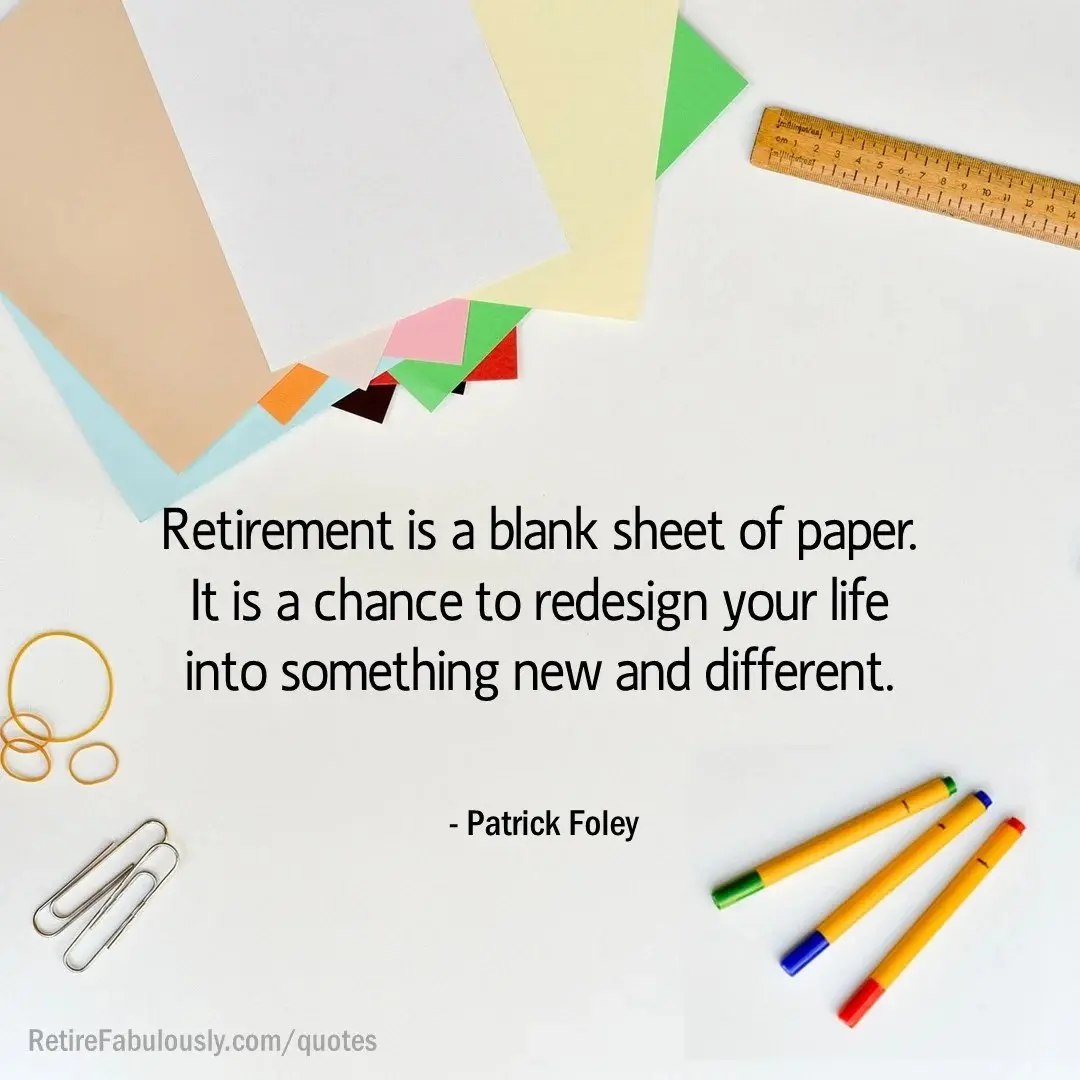
Retirement coaches and gerontologists have long championed the idea that retirement is not an ending, but a blank canvas. The disruption of COVID-19 provided a real-world test of this philosophy.
Financial planners and lifestyle experts emphasize that designing a fulfilling retirement requires balancing financial security with emotional and psychological capital. When external structures vanished during lockdowns, individuals who lacked an internal sense of purpose struggled with isolation, while those with clear personal values found resilience.
To assist individuals in navigating this reset, retirement strategists have compiled diagnostic frameworks. Prominent among these are self-reflection prompts designed to challenge the assumption that pre-pandemic life was ideal. These ten diagnostic questions serve as a foundational toolkit for individuals and couples seeking to intentionally design their next chapter:

- The Return Question: Do you genuinely want to return to living your life precisely as you did before the pandemic?
- Relational Audit: Which people did you miss the most during isolation, and which relationships naturally declined in importance?
- Activity Audit: What activities did you truly miss, and what did you discover you do not miss at all?
- Habit Retention: Which positive habits that you developed during the pandemic do you want to keep as permanent fixtures?
- Habit Elimination: Which unhealthy or unproductive habits do you want to eliminate or replace?
- Self-Discovery: What have you learned about your own psychological resilience, patience, and needs over the past year?
- Value Re-alignment: As you contemplate the remainder of your life, how have your core priorities shifted?
- Bucket List Revision: Do you have a fundamentally different list of experiences and milestones you wish to pursue?
- Pace Preference: Do you prefer the slower pace and emptier calendar of the lockdown era, or are you eager to return to a high-tempo schedule?
- The Urgency Factor: Has the acute awareness that "life is too short" instilled a stronger sense of purpose and urgency in your daily actions?
Future Outlook: Embracing the Blank Slate
As society solidifies its footing in a post-pandemic reality, the legacy of this disruptive era will likely be felt for decades in how aging adults approach their later years. The traditional model of retirement—often characterized by frantic leisure or disengagement—is rapidly giving way to a more mindful, intentional paradigm.
The retirement reset demonstrates that peace of mind is not found in a crowded calendar, but in alignment between daily actions and deeply held values. For those willing to look honestly at what the pandemic stripped away, the resulting blank slate offers an extraordinary opportunity. By carefully selecting what to reintroduce into their lives—and just as importantly, what to leave behind—retirees can forge a post-pandemic reality that is richer, more authentic, and infinitely more fulfilling.

0 Comments