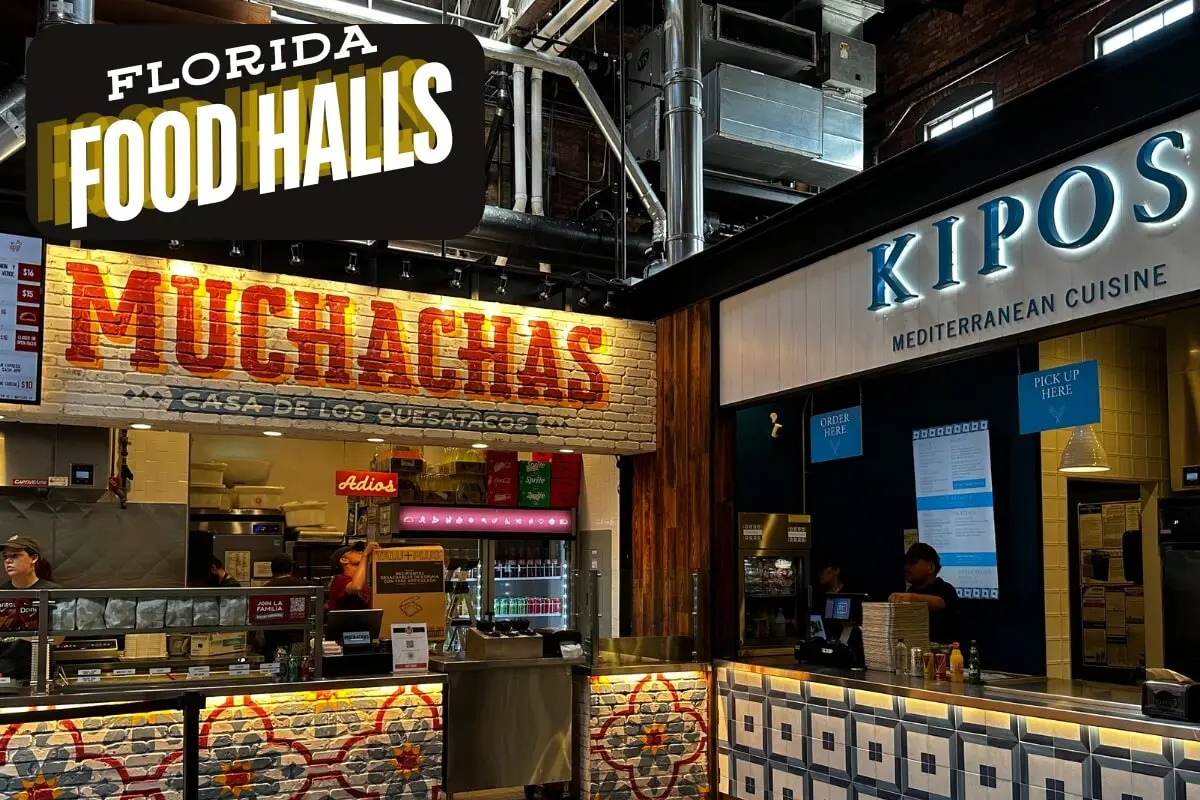
In recent years, the culinary landscape of the Sunshine State has undergone a profound transformation. While traditional food courts historically relied on national franchise chains and standardized fast food, a new paradigm has taken root: the modern artisan food hall. These dynamic communal spaces curate an eclectic mix of independent restaurateurs, local pastry chefs, craft brewers, and farm-to-table visionaries under a single roof.
From the historic riverfront warehouses of Tampa to the vibrant urban corridors of Miami and Orlando, food halls have evolved from mere dining alternatives into bustling community hubs, economic engines, and cultural anchors. This report examines the structural evolution of Florida’s food hall ecosystem, profiling its premier flagship destinations, analyzing the broader socio-economic trends driving their popularity, and providing an authoritative guide for culinary enthusiasts navigating the state’s multi-faceted gastronomic landscape.
Detailed Chronology: The Rise of Florida’s Signature Food Halls
The modern food hall phenomenon is built on a foundation of adaptive reuse, historic preservation, and community-centric urban planning. Across Florida, developers have transformed disused industrial warehouses, railway depots, and commercial markets into thriving epicurean destinations.
MIA Market — Miami
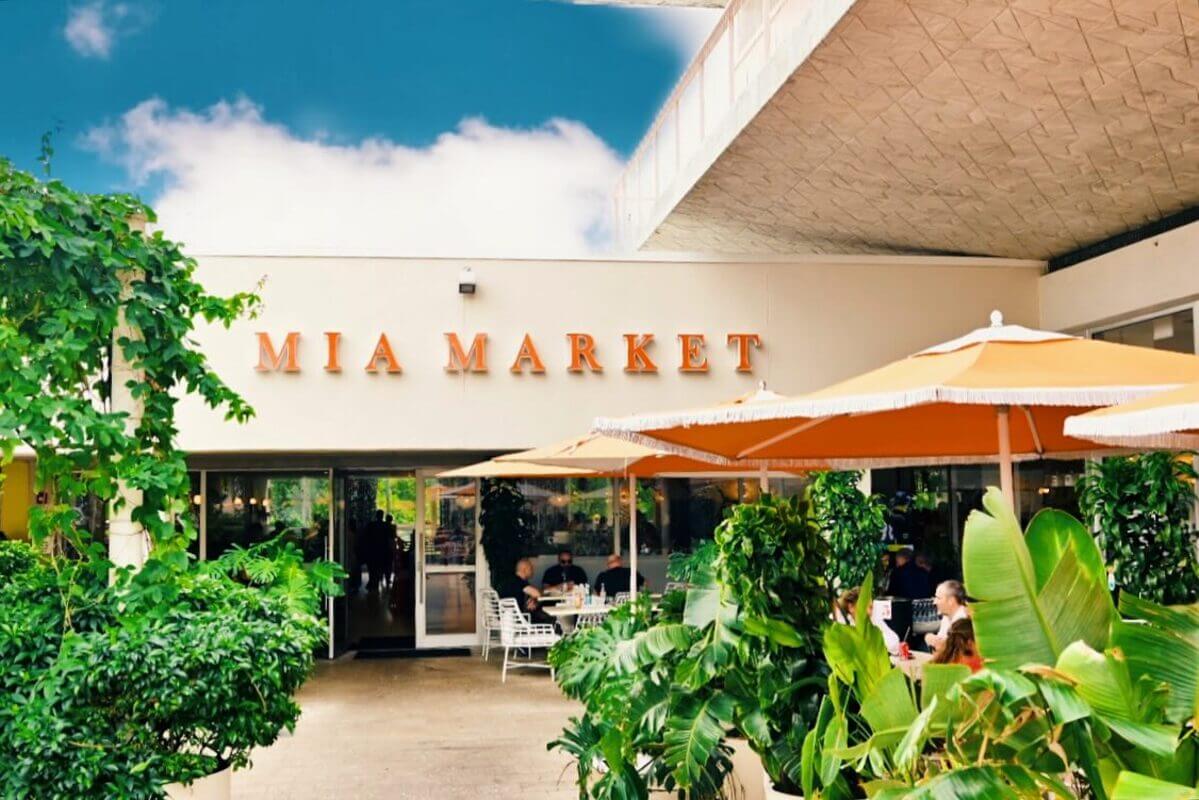
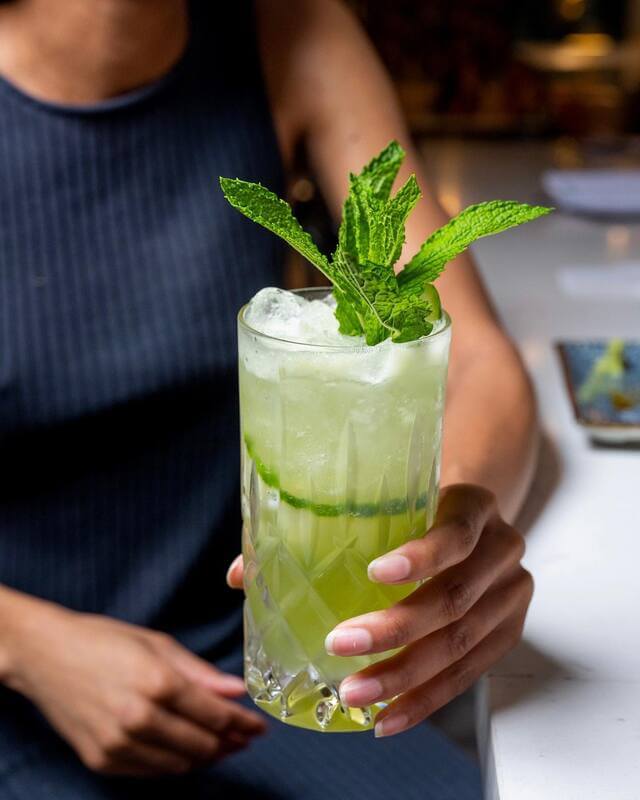
Situated just north of Downtown Miami in the vibrant Design District, MIA Market represents a sophisticated evolution of the counter-service model. Operating as one of the region’s premier chef-to-table concepts, the market houses approximately 10 distinct vendors alongside a specialized craft cocktail bar.
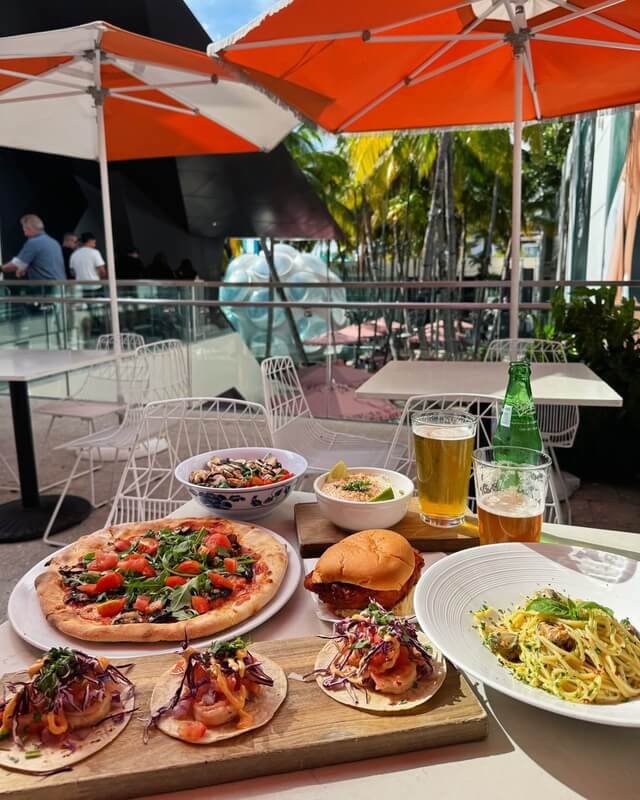
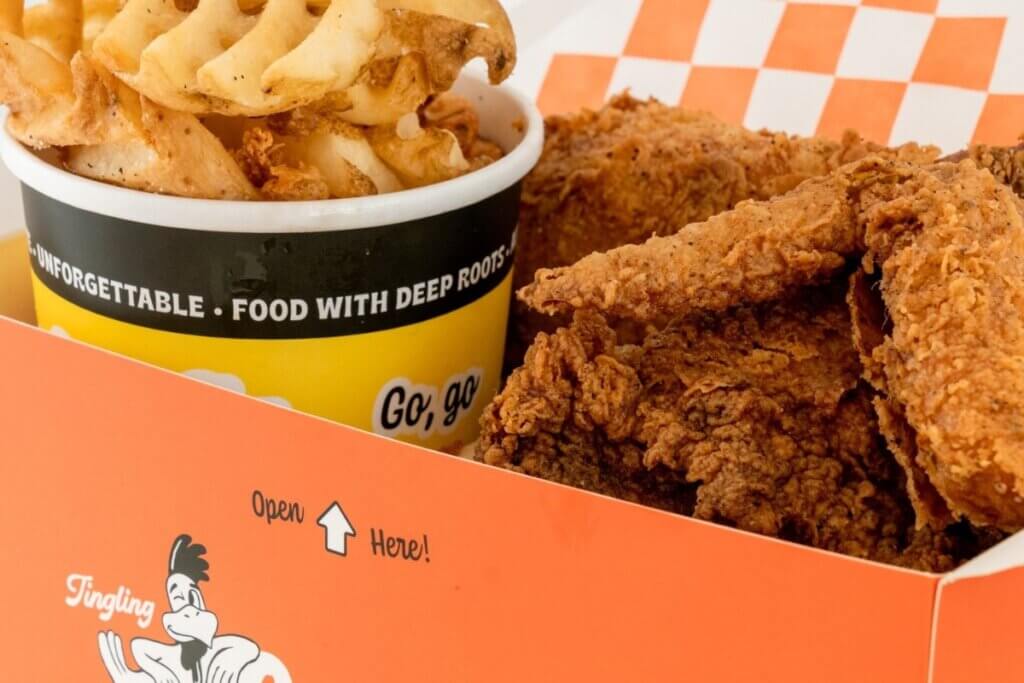
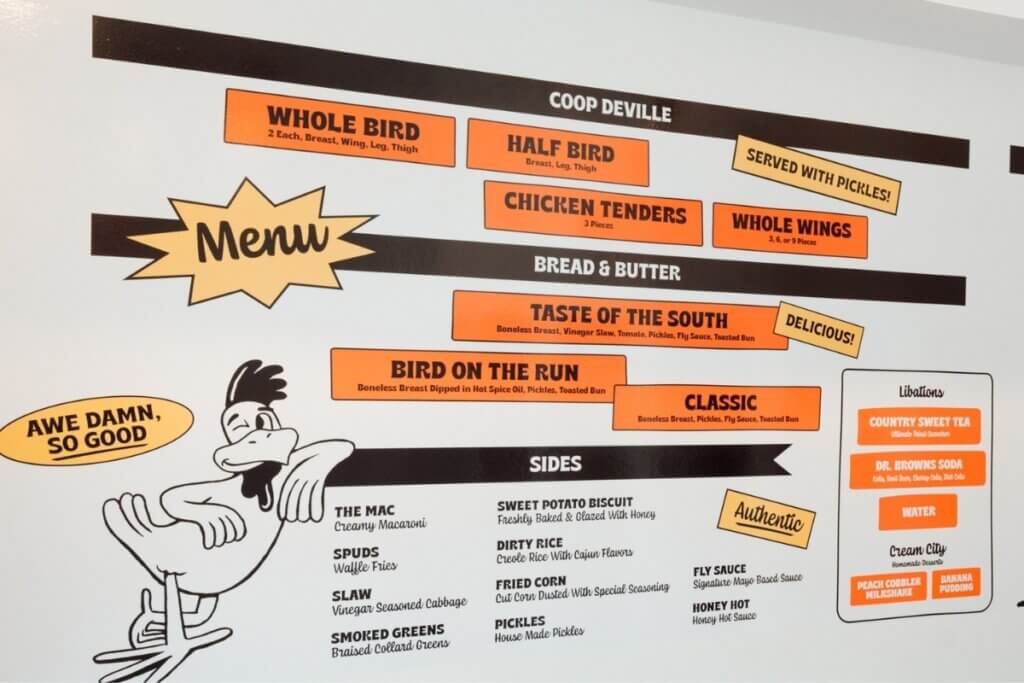
MIA Market places a premium on culinary diversity and boundary-pushing menus. Among its standout tenants is Soulfly Chicken, a critically acclaimed concept that has earned high praise from regional culinary critics—including a "Best Chicken Wings" designation from the Miami Herald. Beyond its celebrated wings, Soulfly Chicken delivers hearty, soulful accompaniments such as gourmet waffles, seasoned fries, rich macaroni and cheese, and traditional banana pudding. Complementing this Southern comfort fare are international offerings ranging from authentic Italian creations to innovative Japanese street food.
Address: 140 NE 39th St., Miami, FL 33137
Hours: Sunday through Thursday, 10:00 AM – 8:00 PM; Friday and Saturday, 10:00 AM – 9:00 PM (Individual vendor hours may vary).
Plant Street Market — Winter Garden
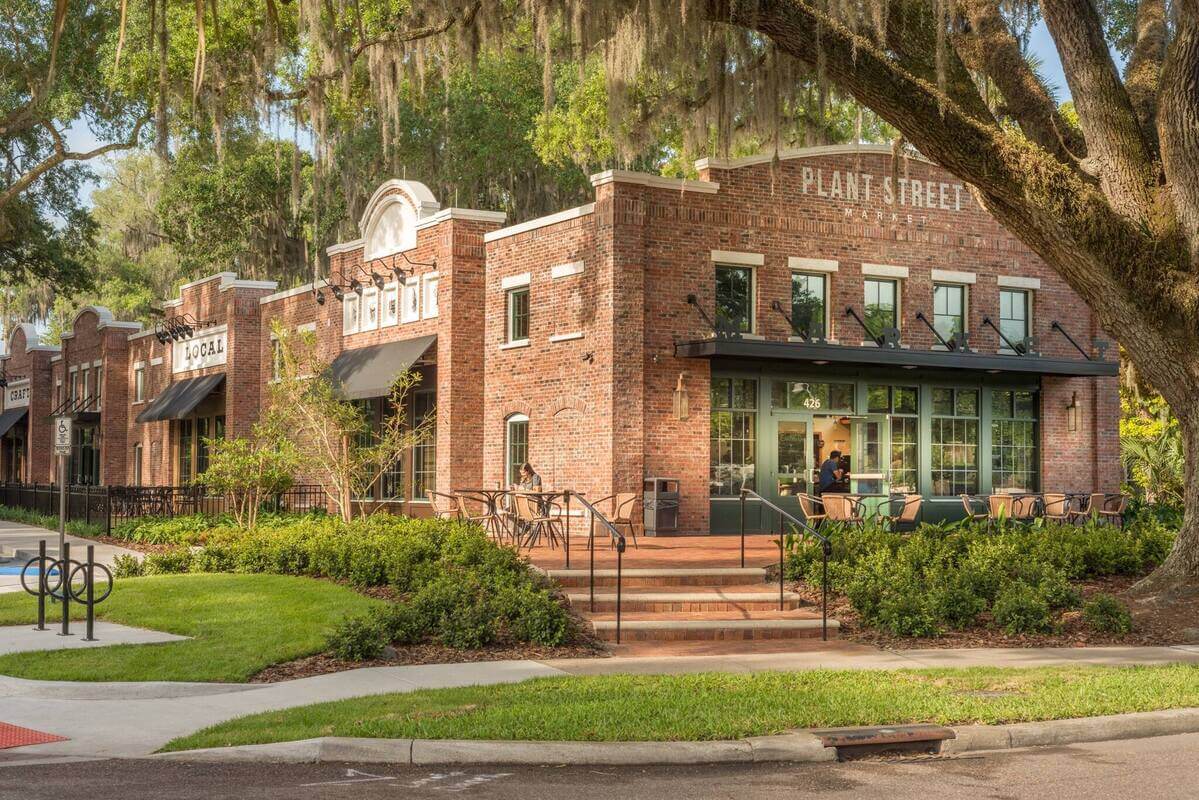
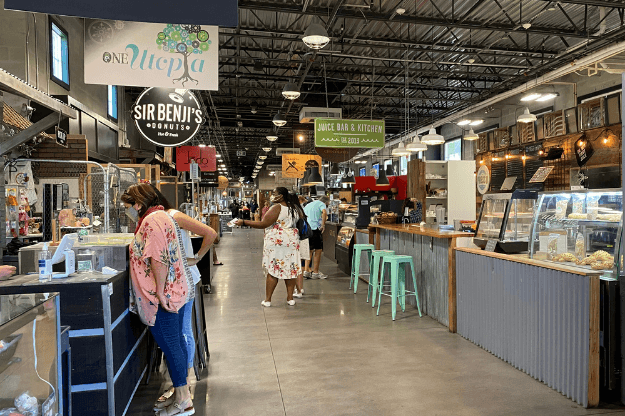
Located in the heart of historic downtown Winter Garden in Central Florida, Plant Street Market offers a vibrant, community-focused gathering space encompassing roughly 20 independent vendors.
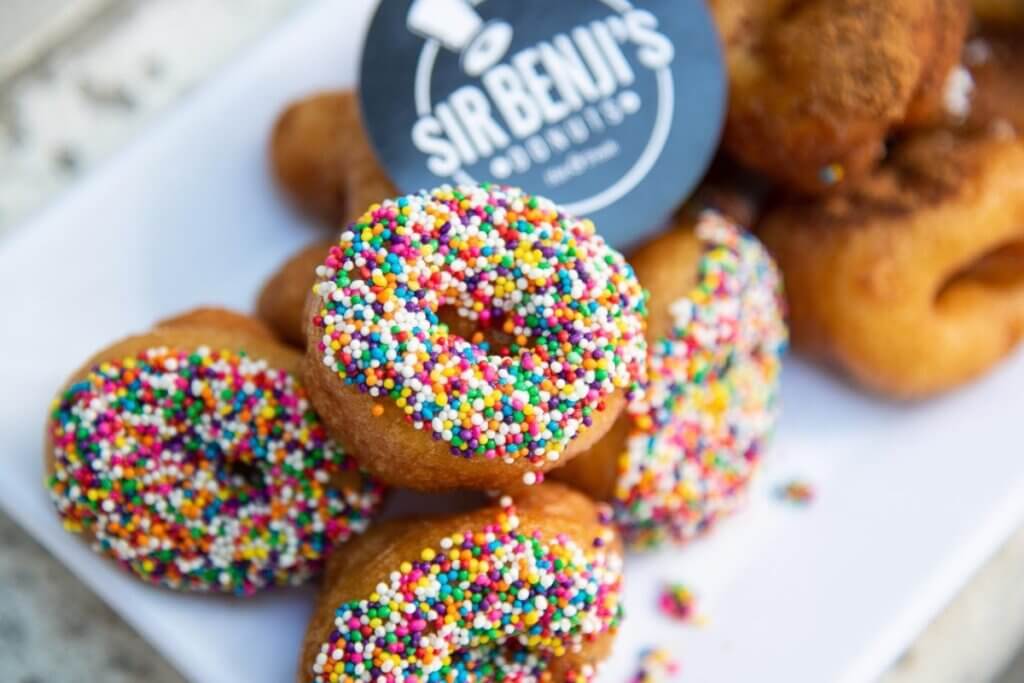
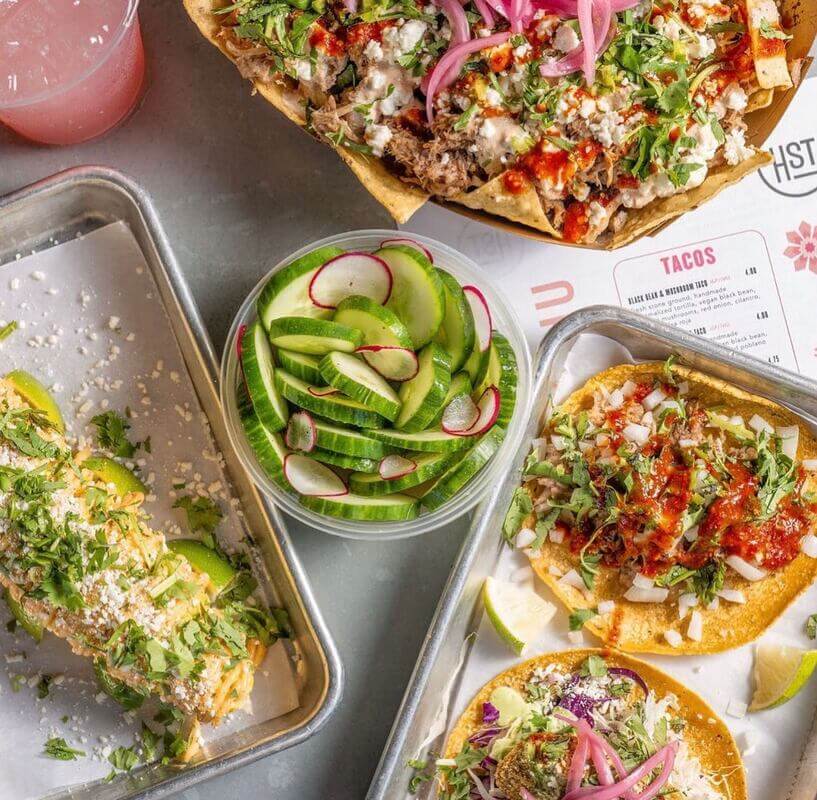
Plant Street Market bridges the gap between artisanal retail and high-end casual dining. Culinary purveyors serve an eclectic variety of dishes, including fresh oysters, gourmet tacos, savory empanadas, artisanal barbeque, and hand-tossed wood-fired pizza. For patrons with a sweet tooth, establishments like Sir Benji’s Donuts and Paleteria Handcrafted Popsicles provide artisan confections made on-site.
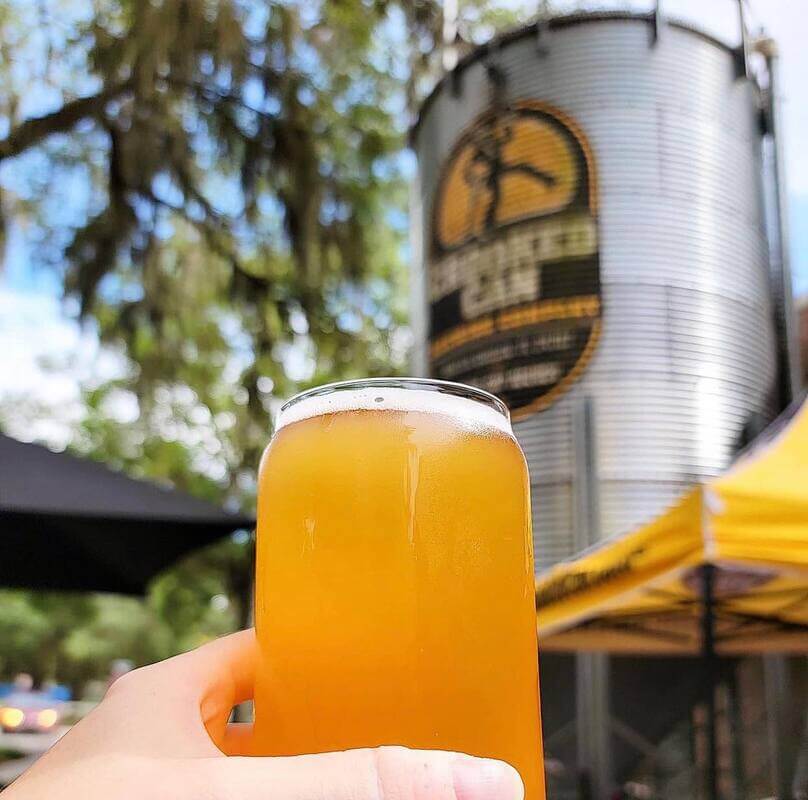
The anchor of the market is the renowned Crooked Can Brewing Company, a prominent microbrewery featuring an expansive taproom and tasting facility. The venue’s pet-friendly outdoor patio and regular live music programming make it a focal point for local social life.
Address: 426 W Plant St., Winter Garden, FL 34787
Hours: Sunday through Thursday, 11:00 AM – 11:00 PM; Friday and Saturday, 11:00 AM – 12:00 AM (Individual vendor hours may vary).
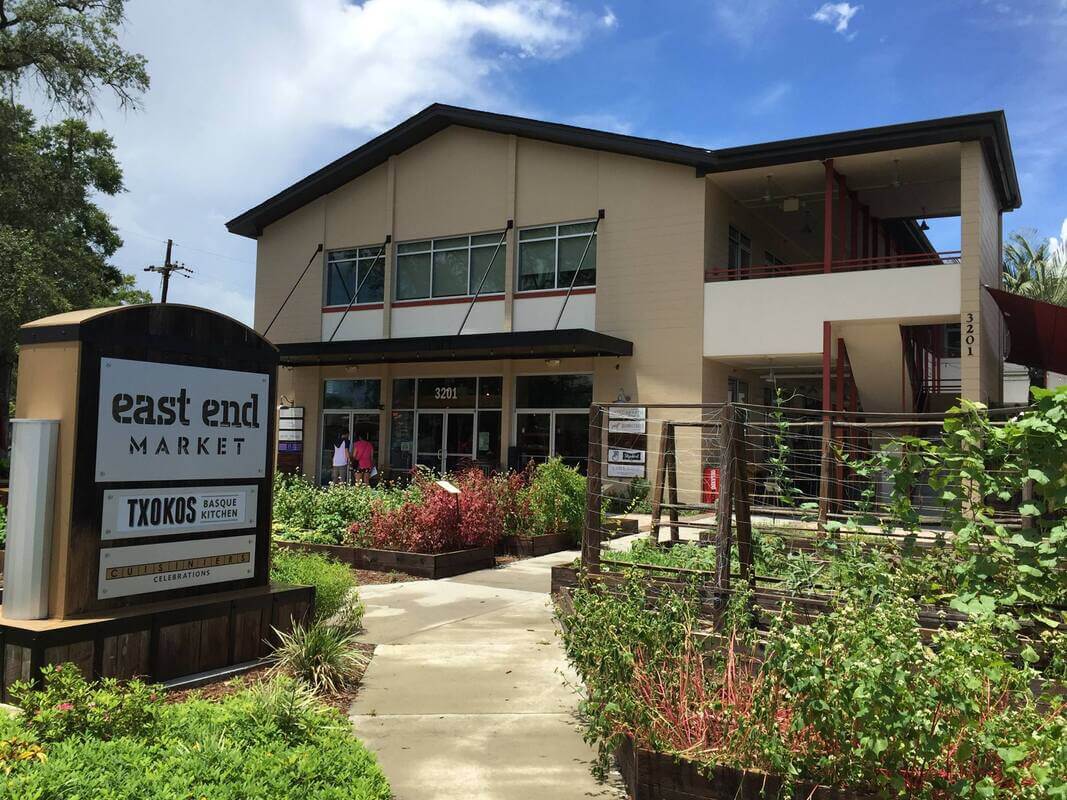
East End Market — Orlando
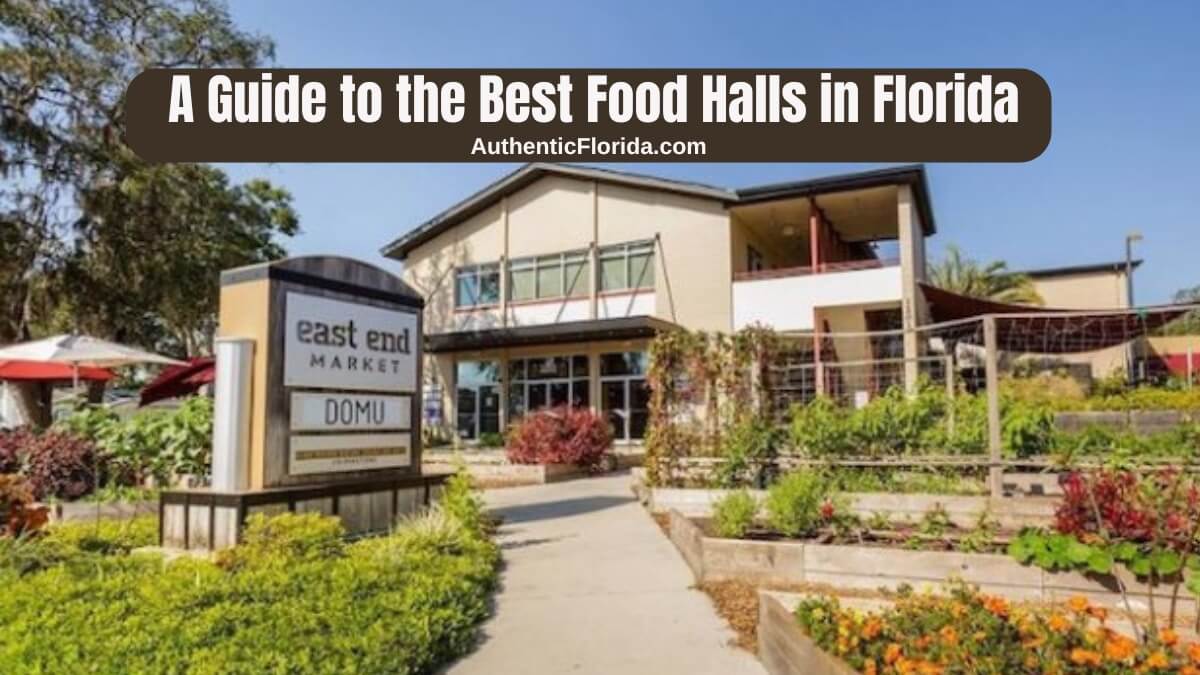
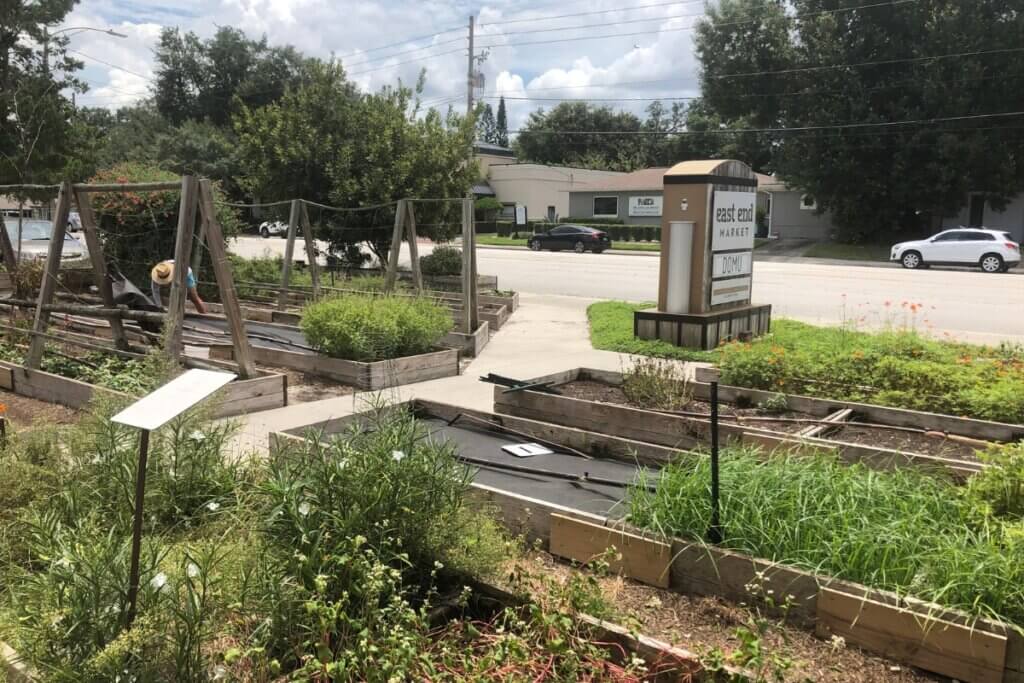
Nestled in Orlando’s charming and artistic Audubon Park neighborhood, East End Market functions as a two-story neighborhood market and culinary incubator. Dedicated to celebrating local agriculture and independent craftsmanship, the market pairs dynamic dining options with artisanal retail spaces.
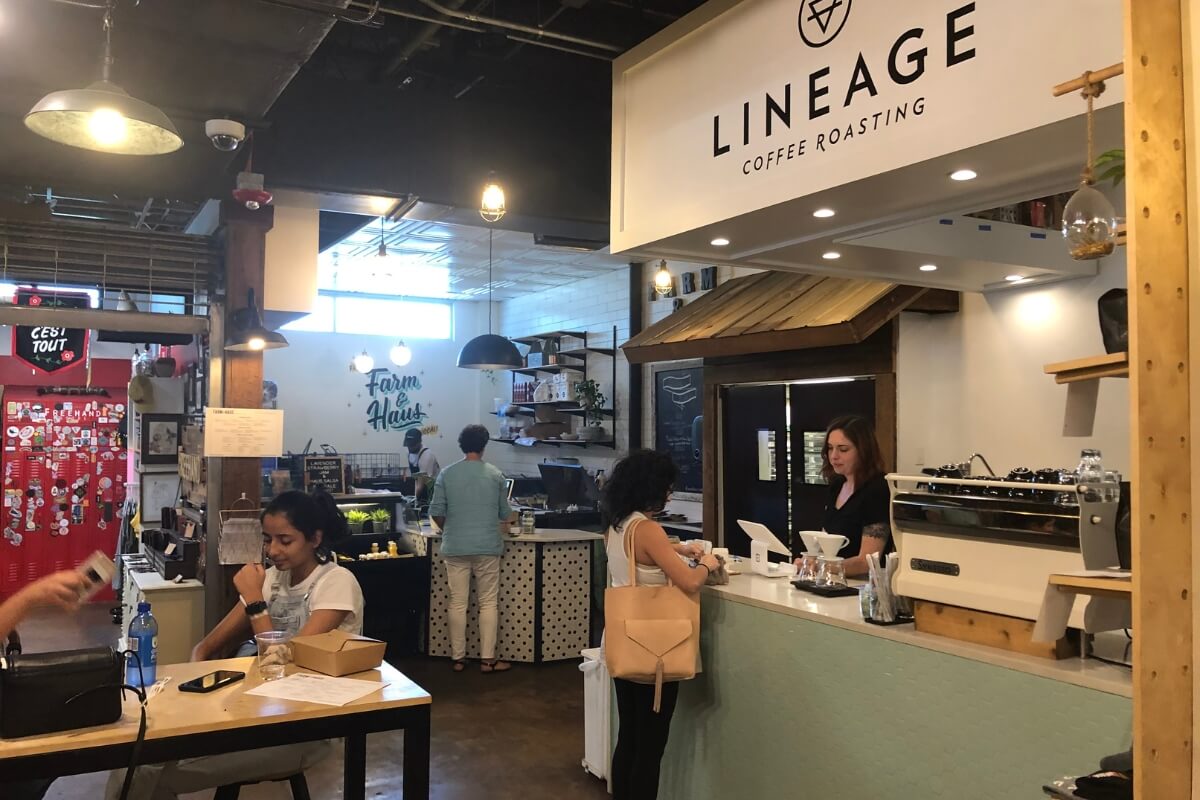
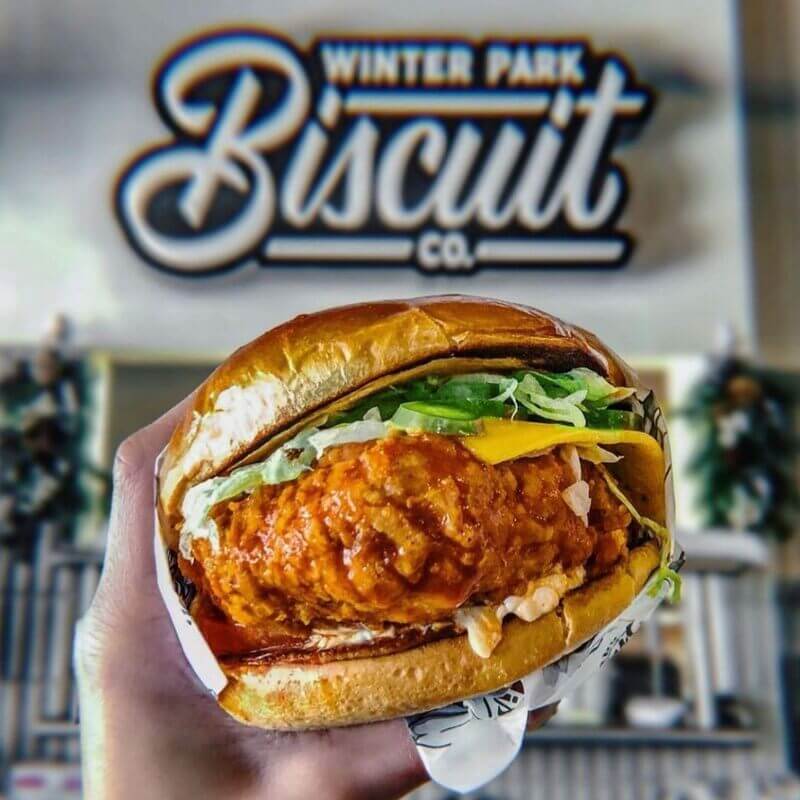
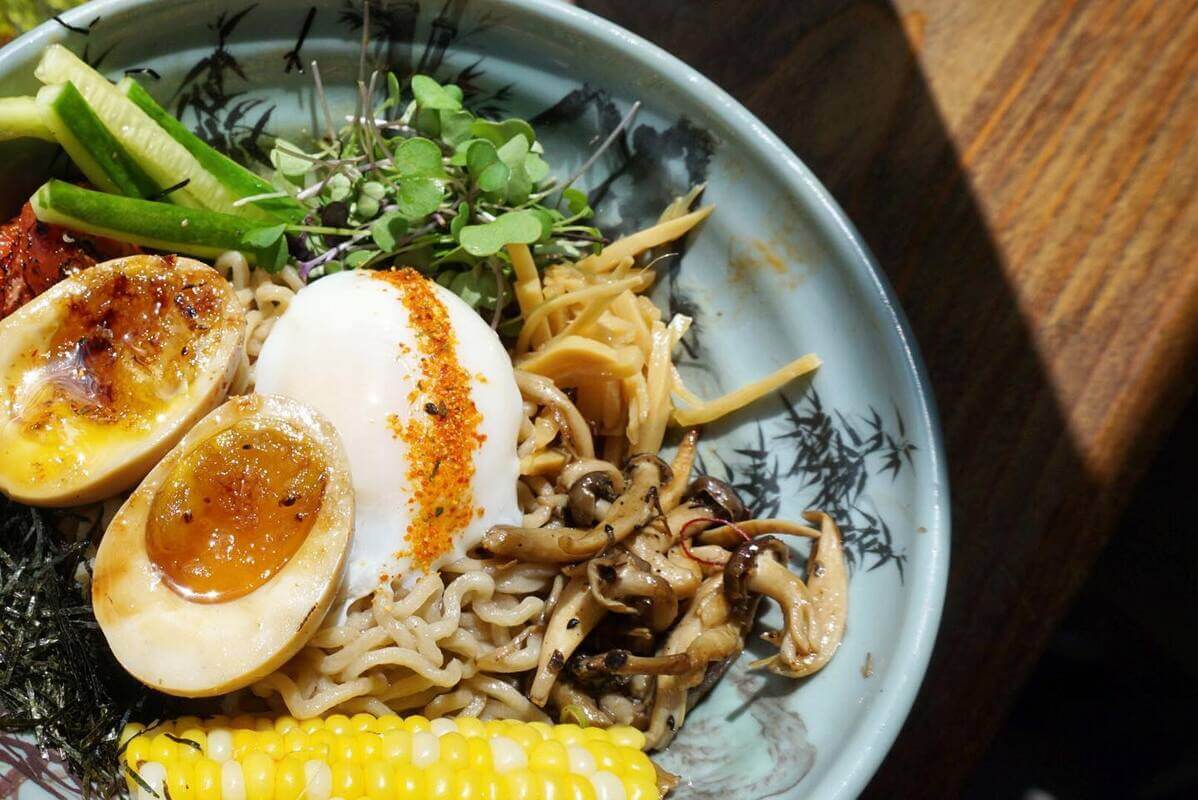
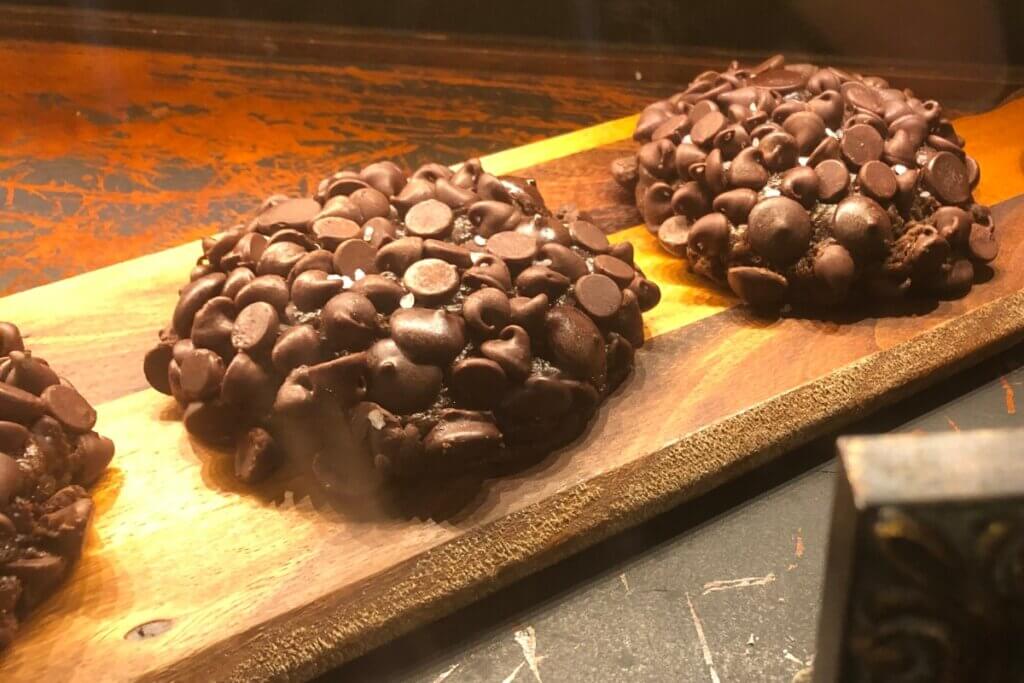
East End Market has earned national recognition for its forward-thinking culinary roster. Notable highlights include the Winter Park Biscuit Company, celebrated for pioneering plant-based comfort food such as vegan chicken biscuits, wraps, and salads. The market is also home to Domu, an award-winning ramen destination acclaimed for its house-made noodles and rich broths, alongside Lineage Coffee Roasting and the infamously popular Gideon’s Bakehouse, celebrated for its decadent, oversized cookies.
Address: 3201 Corrine Dr., Orlando, FL 32803
Hours: Monday through Thursday, 8:00 AM – 7:00 PM; Friday and Saturday, 8:00 AM – 9:00 PM; Sunday, 8:00 AM – 6:00 PM (Individual vendor hours may vary).
Armature Works — Tampa
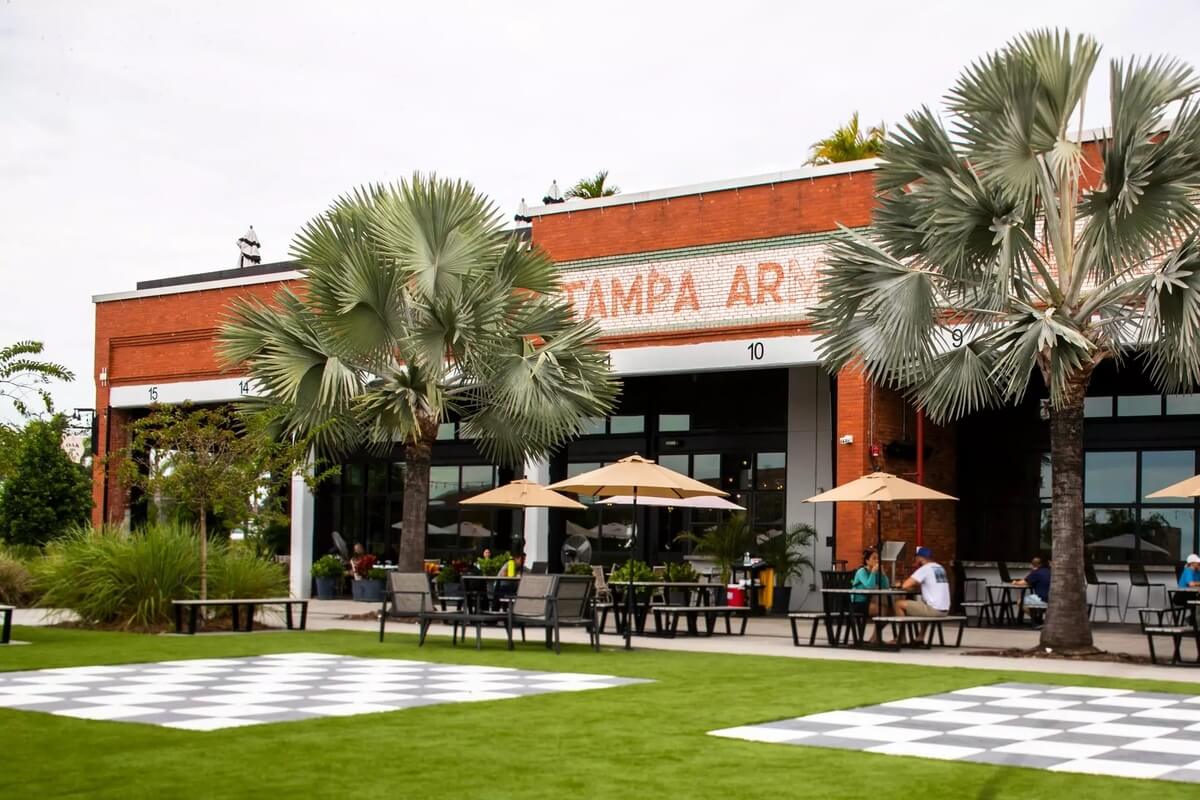
Housed within a meticulously restored, historic streetcar barn on the banks of the Hillsborough River in Tampa Heights, Armature Works stands as one of the most ambitious mixed-use adaptive reuse projects in the American Southeast.
The sprawling facility features the Heights Public Market, which brings together dozens of quick-service artisan stalls, full-service destination restaurants, and multiple craft bars. Culinary offerings span the spectrum from fresh-rolled pasta and authentic Mediterranean specialties to artisanal barbecue and bespoke ice cream. Beyond dining, Armature Works serves as a major cultural venue, hosting large-scale community gatherings such as the Annual Fall Fest and the Brews & Blues Beer & Music Festival.
Address: 1910 N Ola Ave, Tampa, FL 33602
Hours: Monday through Thursday, 7:30 AM – 10:00 PM; Friday, 7:30 AM – 12:00 AM; Saturday, 8:00 AM – 12:00 AM; Sunday, 9:00 AM – 9:00 PM (Individual vendor hours may vary).
Sistrunk Marketplace — Fort Lauderdale
Merging gastronomy, manufacturing, and the arts, Sistrunk Marketplace in Fort Lauderdale operates as an expansive multi-functional venue. Functioning simultaneously as a food hall, craft microbrewery, artisanal distillery, and event space, Sistrunk emphasizes immersive cultural experiences.
Visitors can explore rotating art installations, participate in professional cooking classes, and take guided tours of the on-site distillery. The culinary lineup features global flavors, highlighted by vendors like Osom Crepes, which serves an extensive menu of both sweet and savory French-style crepes. Craft beer enthusiasts can patronize Dream State Brewing, which offers an eclectic rotating tap list.
Address: 115 Northwest 6th St., Fort Lauderdale, FL 33311
Hours: Wednesday and Thursday, 4:00 PM – 10:00 PM; Friday and Saturday, 11:30 AM – 11:00 PM; Sunday, 11:30 AM – 9:00 PM (Individual vendor hours may vary).
Supporting Context & Metrics: The Economics of the Food Hall Movement
The rapid expansion of Florida’s food hall sector is not merely a passing lifestyle trend; it is underpinned by profound economic shifts in real estate development, consumer psychology, and culinary entrepreneurship.
Lower Barriers to Entry for Independent Chefs
Traditional restaurant startups face prohibitive capital expenditures, high commercial lease rates, and steep operational risks. Food halls offer a low-risk incubator environment. By sharing structural overhead, utilities, seating areas, and marketing expenses, independent operators can test innovative culinary concepts without committing to a standalone brick-and-mortar lease. This economic model has directly catalyzed culinary innovation across Florida, allowing immigrant-owned businesses, experimental pastry chefs, and plant-based disruptors to scale efficiently.
Urban Regeneration and Placemaking
City planners and real estate developers increasingly view food halls as anchor tenants for urban revitalization. Projects like Armature Works in Tampa and Sistrunk Marketplace in Fort Lauderdale have proven instrumental in transforming underutilized historical districts into walkable, high-density neighborhood cores. These spaces generate significant foot traffic, stimulate surrounding retail growth, and elevate municipal property values while preserving architectural heritage.
Official Statements & Industry Insights
Industry analysts and urban developers emphasize that the success of Florida’s food halls lies in their ability to foster communal interaction—a quality often absent in traditional suburban shopping malls.
"A food hall is fundamentally about democratic dining," notes a regional urban development consultant specializing in adaptive reuse architecture. "You can have a vegan diner, a traditional ramen purveyor, and a high-end cocktail enthusiast sitting at the exact same communal table. It removes the friction of group dining decisions while championing local micro-entrepreneurs."
Furthermore, cultural geographers point out that these spaces serve as physical manifestations of Florida’s evolving identity—blending Caribbean, Latin American, Southern, and international influences into a cohesive, modern epicurean canvas.
Future Outlook
As Florida’s population continues to swell through sustained domestic migration and urban densification, the demand for experiential, high-quality dining destinations is projected to accelerate. Several emerging trends are poised to shape the next generation of Florida food halls:
Technological Integration: Expect a continued rise in frictionless ordering systems, mobile applications that allow cross-vendor consolidation into a single digital bill, and automated pickup lockers.
Day-to-Night Programming: Modern food halls are increasingly transforming into entertainment hubs, incorporating late-night DJ sets, live podcast recordings, cooking masterclasses, and pop-up retail markets to maximize venue utilization.
Sustainability and Sourcing: Consumers are placing heightened emphasis on environmental accountability. Future market developments will likely feature stricter zero-waste policies, localized rooftop farming, and transparent supply-chain metrics for all participating vendors.
Ultimately, Florida’s food halls have cemented their status as permanent fixtures of the state’s cultural fabric. By providing an accessible stage for culinary talent and an inclusive gathering space for local communities, these dynamic markets ensure that the Sunshine State remains one of the most exciting and innovative dining frontiers in the United States.





0 Comments