

Executive Overview
When travelers picture the Sunshine State, visions of sun-drenched Atlantic and Gulf Coast beaches, emerald freshwater springs, and nostalgic mid-century roadside attractions typically dominate the imagination. Yet, beneath Florida’s reputation for having a uniformly flat terrain lies a well-kept secret: a surprisingly diverse, geographically dispersed collection of waterfalls. From the plunging sinkholes of the rugged Panhandle to the serene, masterfully sculpted Japanese gardens of Southeast Florida, these aquatic marvels offer an unexpected escape.

This comprehensive guide serves as an authoritative travel companion for nature enthusiasts, seasoned hikers, and road-trip aficionados alike. Whether you are seeking a cool, mist-kissed respite from the sweltering subtropical heat or an off-the-beaten-path adventure, Florida’s waterfalls—both natural and artfully engineered—prove that the state’s natural topography holds endless surprises for those willing to explore beyond the coastlines.
Detailed Chronology: The Evolution of Florida’s Waterfall Discoveries
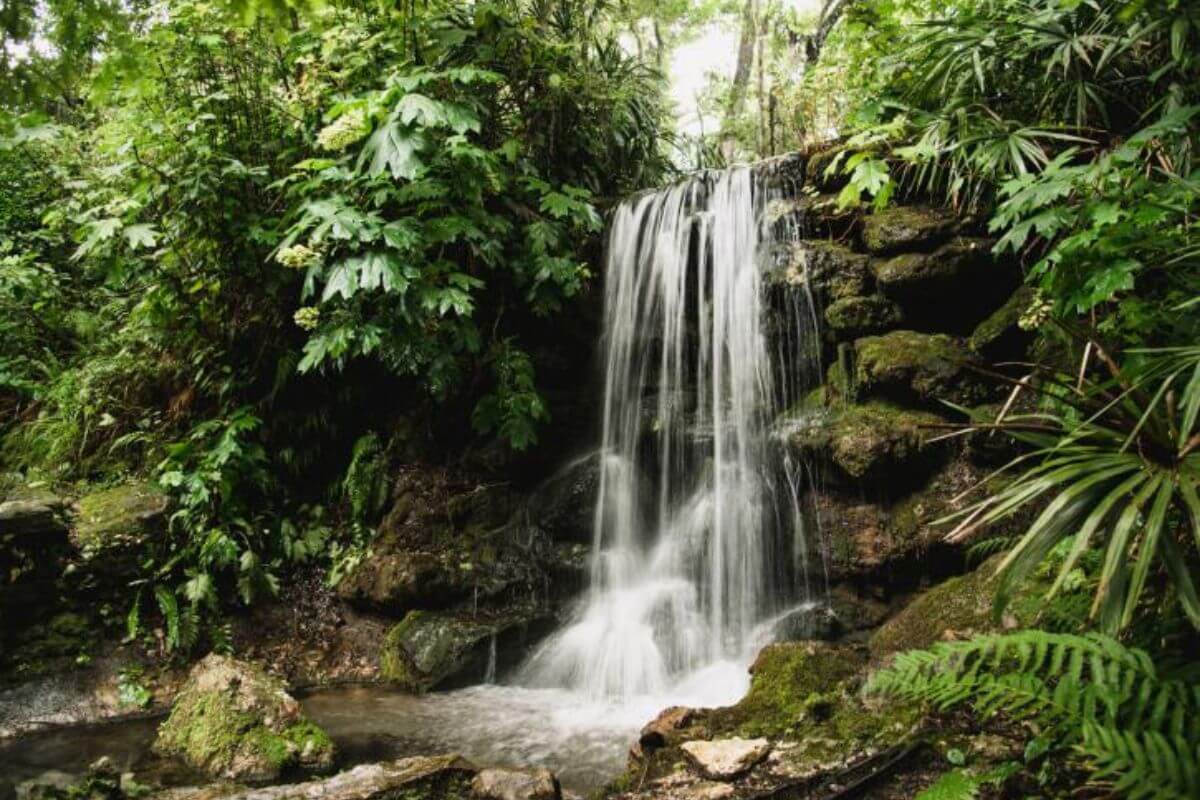
While regions like the Pacific Northwest or Appalachia are globally celebrated for their dramatic cataracts, Florida’s unique hydrological and geological makeup tells a different, fascinating story of water carved through limestone, sand, and dense hammocks.
Pre-Columbian and Early Geological Formation
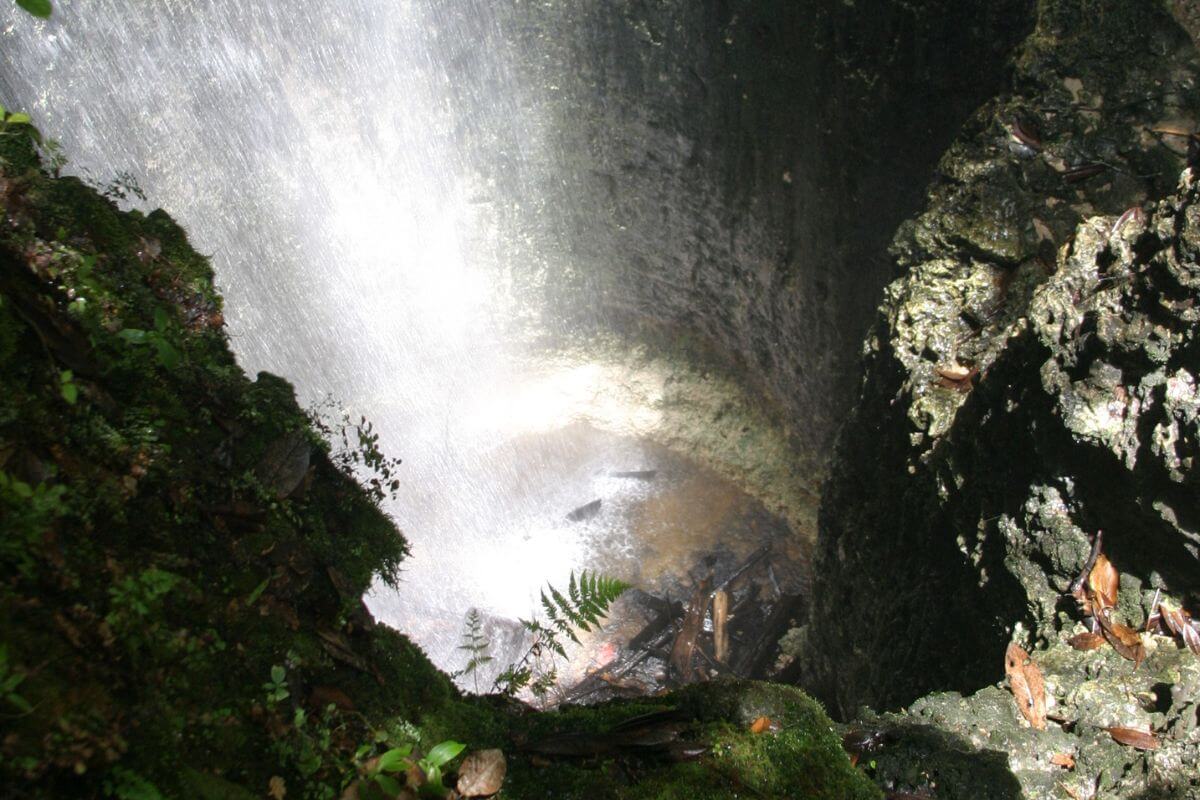
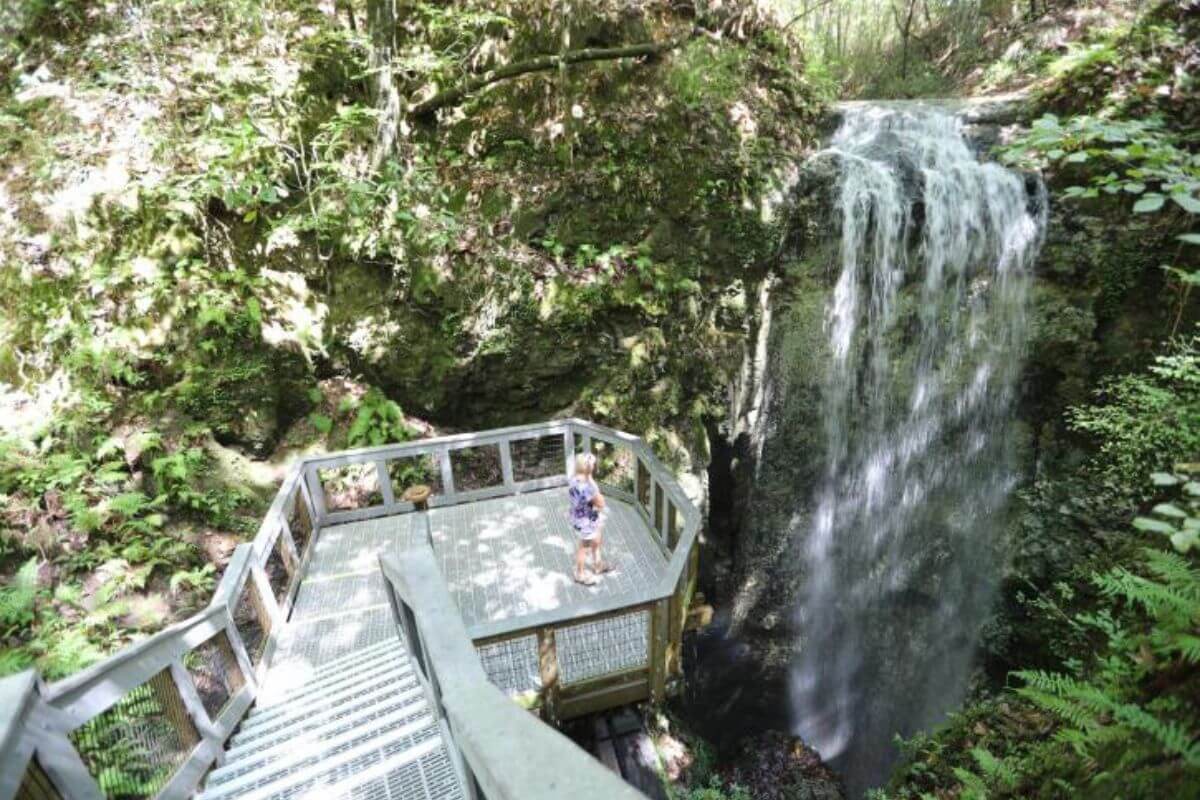
Long before human settlement, the foundational limestone architecture of the Florida platform was shaped by millions of years of sea-level fluctuations and acidic rainwater dissolution. Natural wonders like the 73-foot drop at Falling Waters State Park were forged through ancient sinkhole collapses, where surface streams abruptly vanish into subterranean aquifers. Indigenous populations, including the Timucua and Apalachee tribes, revered these dynamic freshwater convergence points, relying on the surrounding dense pine forests and river systems for sustenance and travel.

The 20th-Century Conservation Era
As Florida experienced rapid development throughout the 20th century, forward-thinking conservationists recognized the imperative to protect these fragile inland ecosystems. The establishment of Florida State Parks and regional water management districts transformed wild, isolated streams and sinkholes into protected public preserves. Sites like Steinhatchee Falls and Rainbow Springs transitioned from private wildernesses or early tourism anomalies into protected state parks and ecological preserves, ensuring that visitors could witness these rare topographic features without disrupting delicate native habitats.
Modern-Day Exploration and Ecotourism
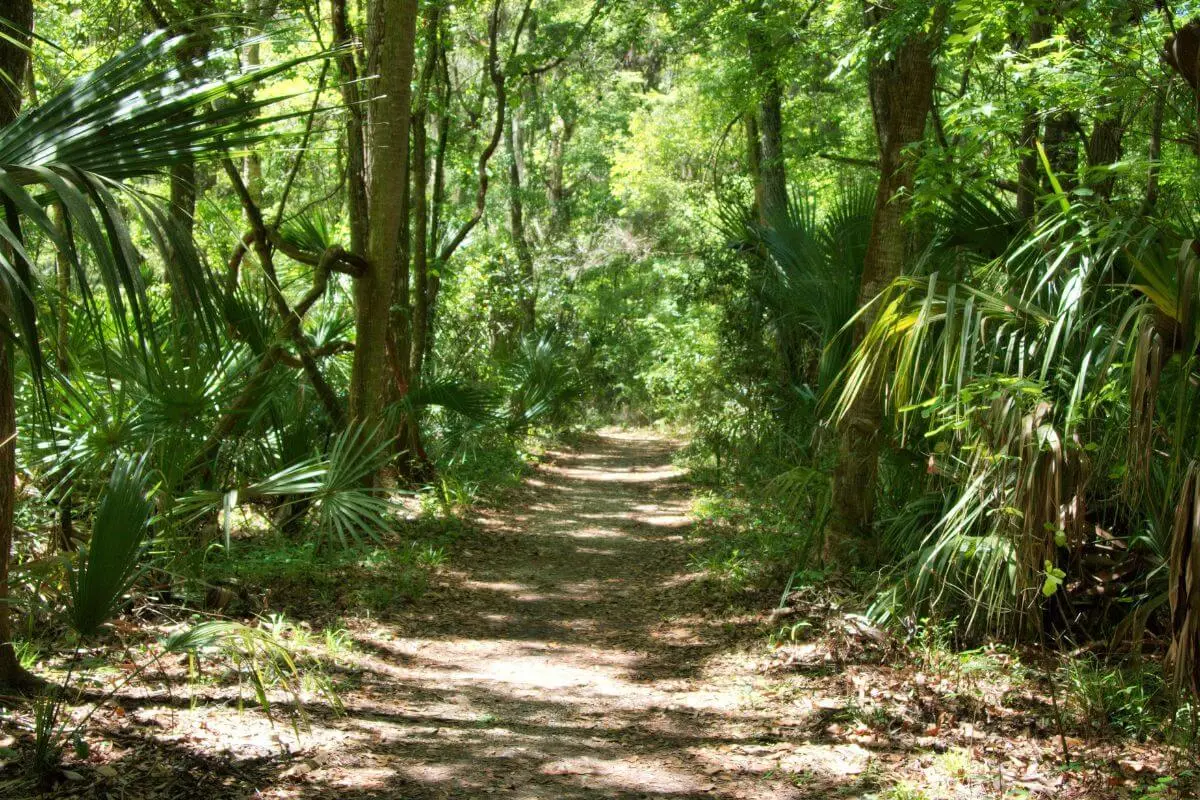
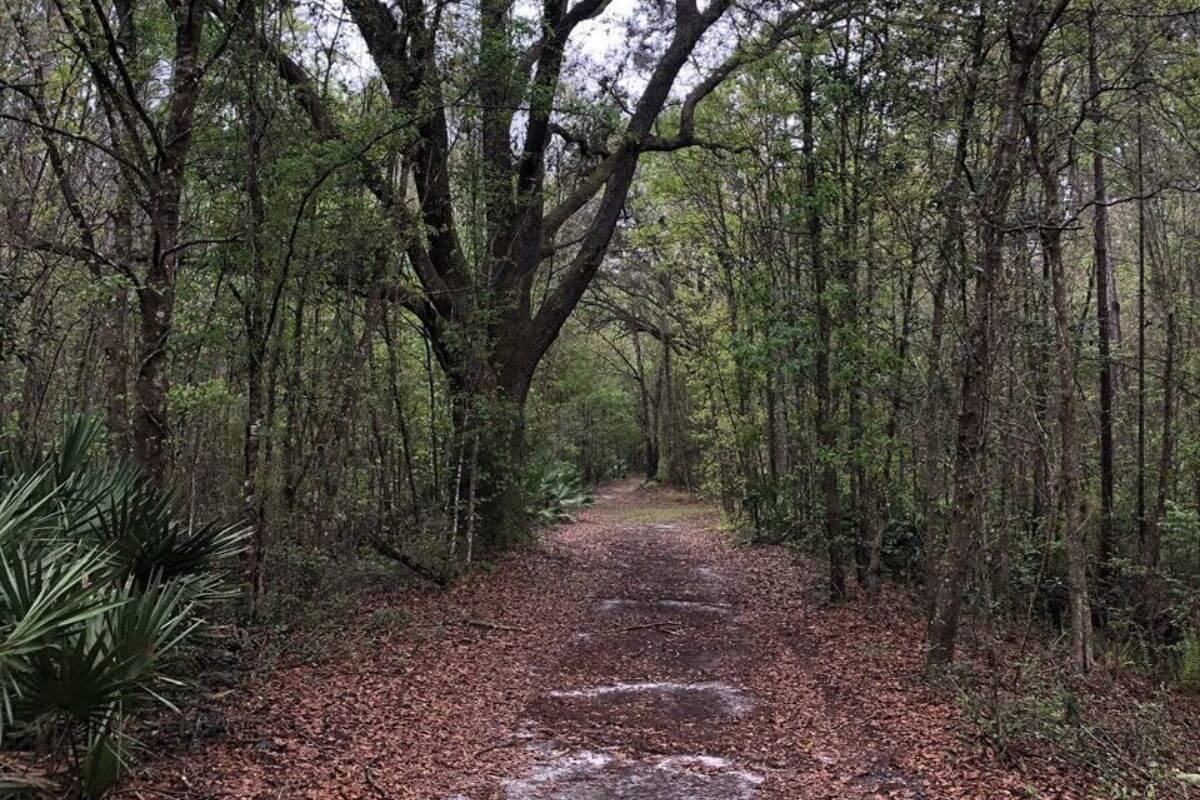
Today, Florida’s waterfalls have evolved into crown jewels of the state’s burgeoning ecotourism sector. With the advent of modern trail mapping, digital outdoor platforms, and state-backed preservation initiatives, travelers increasingly look inland for authentic, nature-based road trips. Contemporary explorers armed with proper hiking gear now regularly traverse the Florida National Scenic Trail and urban preserves to experience these cascading wonders firsthand.
Supporting Context & Metrics: Navigating the Terrain
Exploring waterfalls in a state with an average elevation of just 100 feet above sea level requires an understanding of regional geography. Florida’s waterfalls are categorized into distinct geographic zones, each offering unique hydrological traits, trail lengths, and visitor experiences.
Regional Breakdown of Florida Waterfalls
| Region | Destination | Type | Key Feature / Height |
|---|---|---|---|
| Northwest Florida | Falling Waters State Park | Natural | Florida’s tallest waterfall (73-foot drop into a 100-foot sinkhole) |
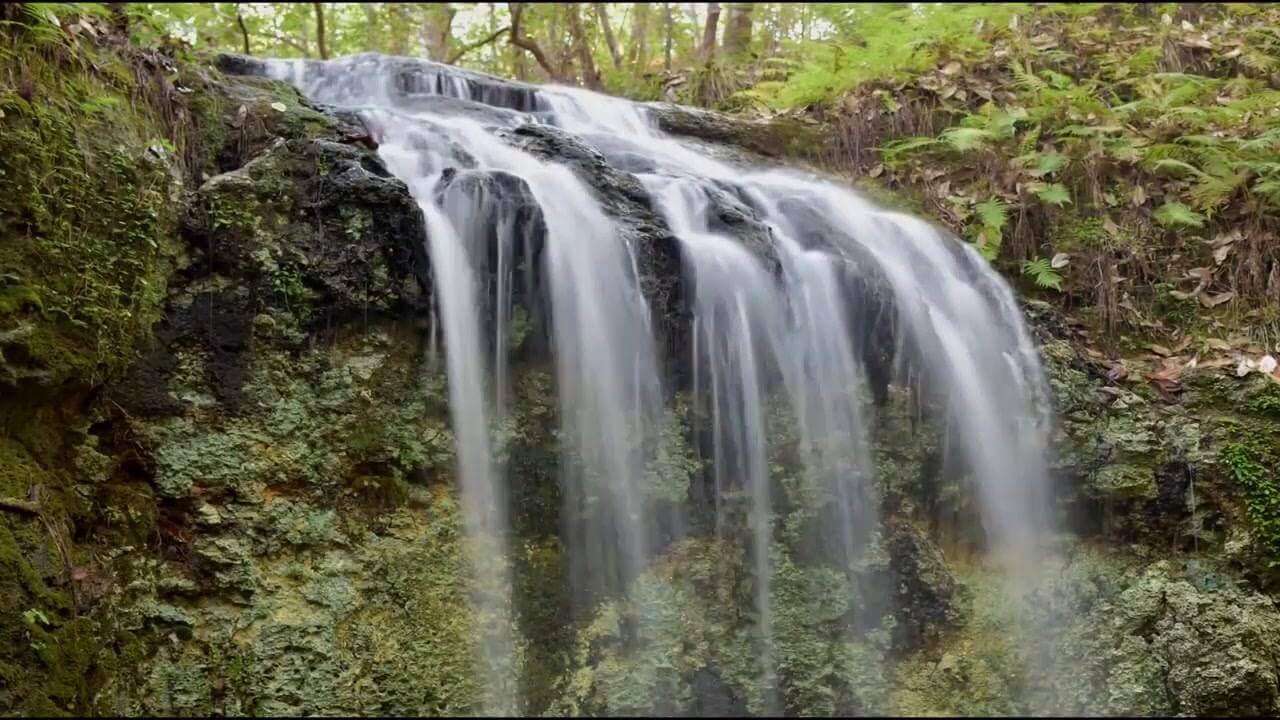
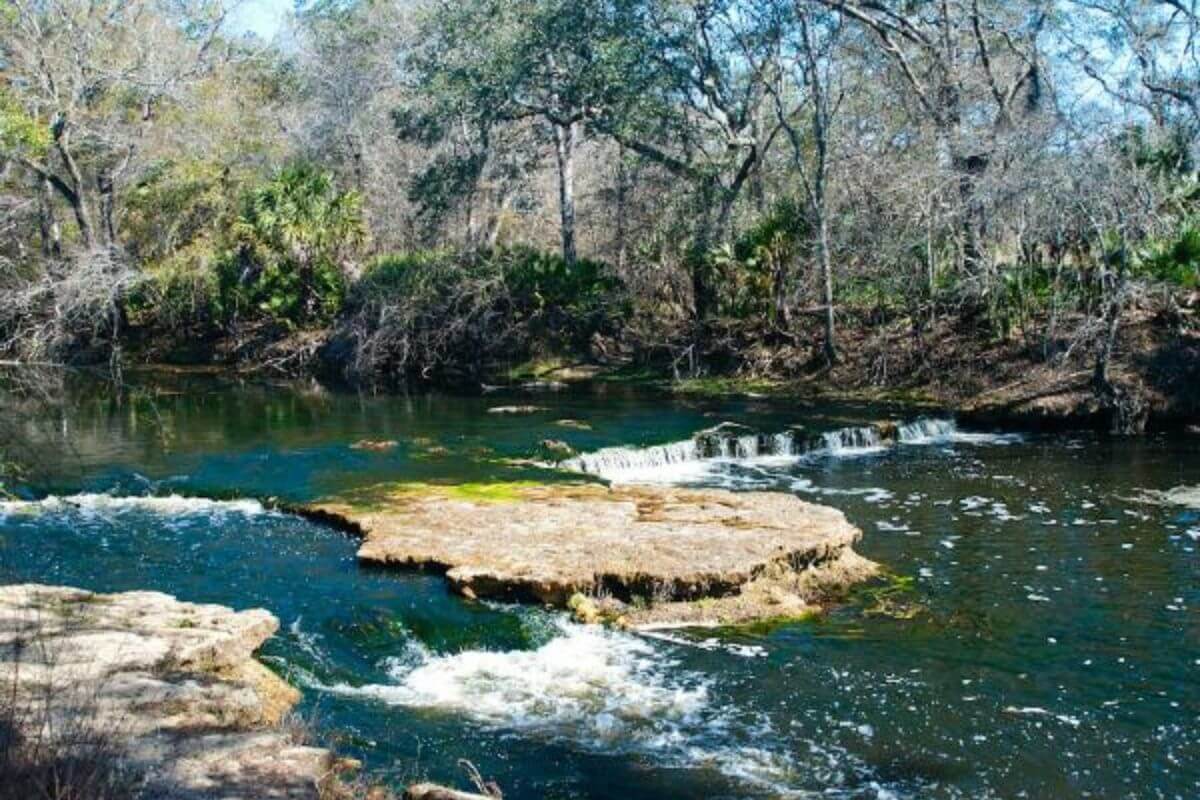
| North Central Florida | Steinhatchee Falls | Natural | Picturesque 4-foot drop on the Steinhatchee River |
| Northeast Florida | Bulls Bay Preserve | Natural / Wetland | Wetlands stream and waterfall system within Jacksonville limits |
| Central West Florida | Rainbow Springs State Park | Man-Made / Spring-Fed | Scenic jungle waterfalls and crystal-clear swimming areas |
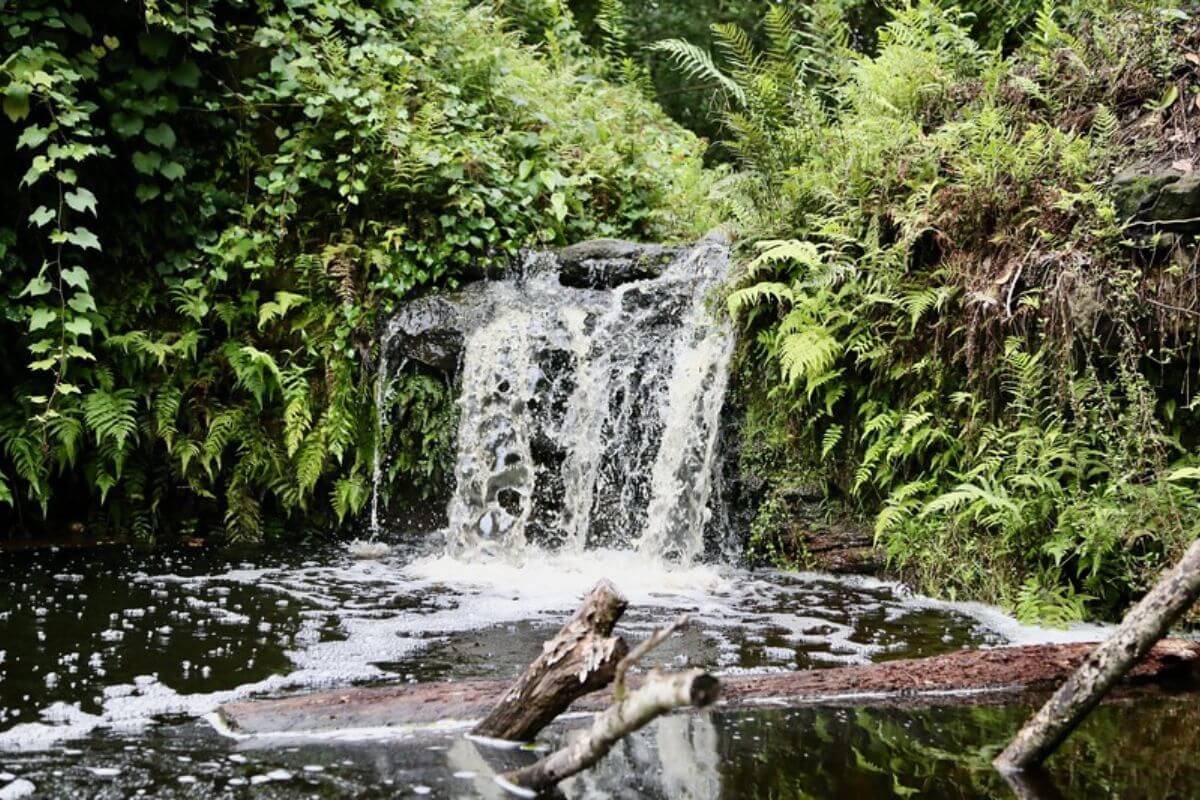
| Central Florida | Hidden Waters Preserve | Natural / Spring-Fed | Spring-fed waterfall flowing into a tranquil woodland pool |
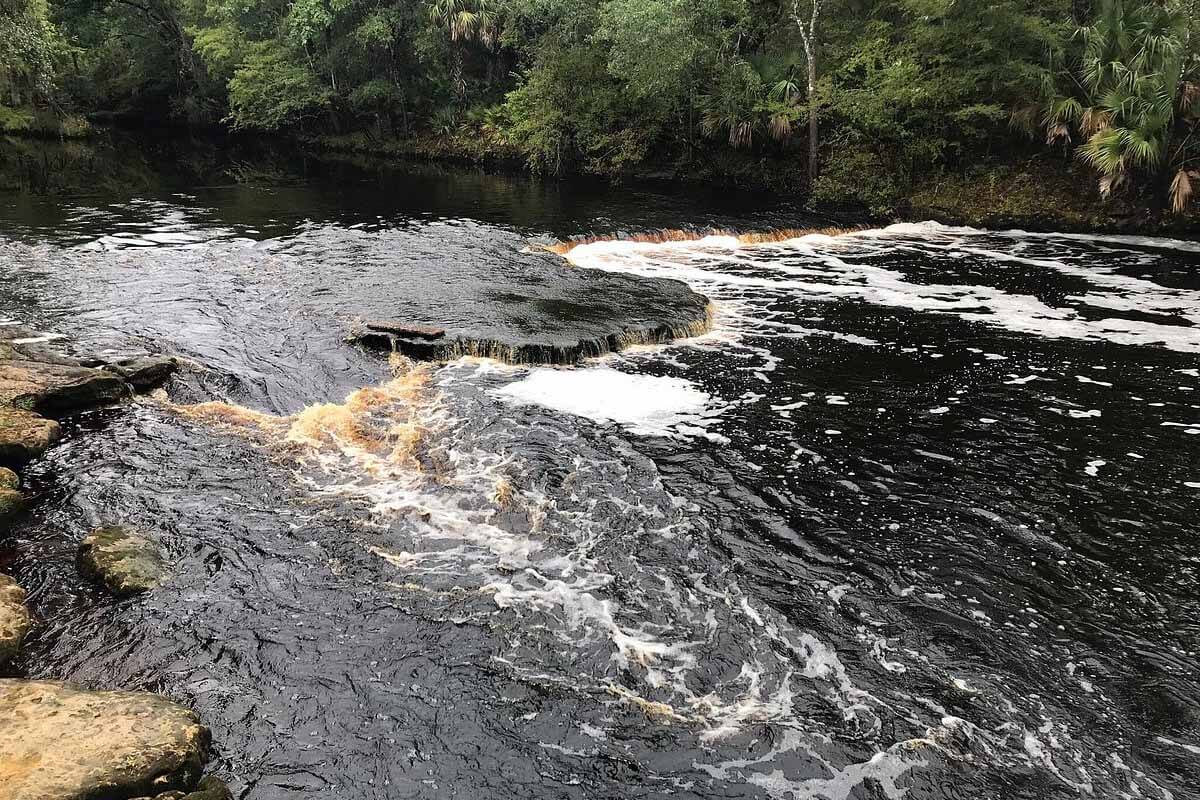
| Central East Florida | Boonie Falls (Little Big Econ State Forest) | Natural | Quiet, remote waterfall along the Florida National Scenic Trail |
| Southeast Florida | Morikami Museum & Japanese Gardens | Artificially Sculpted | Masterfully landscaped Japanese garden waterfalls |
Essential Preparation for a Florida Waterfall Hike
Venturing off the beaten path in the Sunshine State demands meticulous preparation. Unlike alpine hiking, Florida’s trails present unique environmental factors, including high humidity, intense sun exposure, and abundant wildlife.
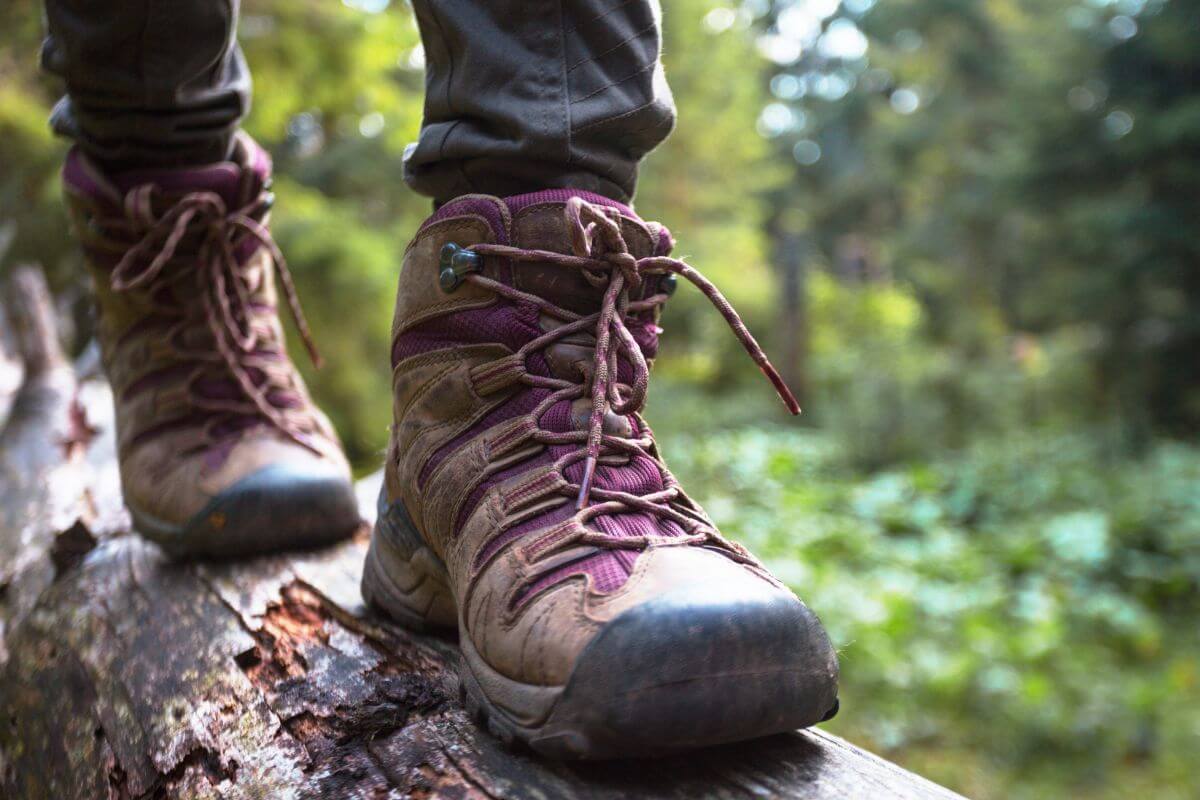
- Footwear & Gear: Always wear sturdy, closed-toe hiking boots. Trails near water sources can be slick, muddy, or root-heavy. A durable daypack containing extra socks is recommended.
- Hydration & Nutrition: Pack significantly more water than you think you will need, alongside energy-rich snacks, especially during the warmer months when temperatures routinely soar.
- Environmental Protection: Pack EPA-approved insect repellent and broad-spectrum sunscreen. Ticks, mosquitoes, and intense UV rays are constants on inland wooded trails.
- Safety Protocols: Check local weather forecasts and trail conditions before departure. Always inform a trusted contact of your intended route and expected return time. Stay strictly on designated trails to protect fragile ecosystems and avoid wildlife encounters.
Official Statements and Conservation Insights
Preserving these rare inland hydrological sites requires close coordination between state agencies, local municipalities, and conservation groups.
Representatives from the Florida Department of Environmental Protection (FDEP) emphasize that while tourism is vital to the local economy, ecological stewardship remains paramount. “Florida’s natural waterfalls, sinkholes, and spring systems are exceptionally delicate geological formations,” note park management officials. “Visitors play an indispensable role in conservation by adhering to ‘Leave No Trace’ principles, staying on marked boardwalks and trails, and respecting the native flora and fauna that rely on these vital water corridors.”
Similarly, the Florida Fish and Wildlife Conservation Commission (FWC) and local water authorities, such as the Lake County Water Authority, stress the importance of maintaining watershed integrity. Protecting the surrounding pine flatwoods, oak hammocks, and wetlands directly safeguards the clean water supplies feeding these scenic cascades, ensuring they remain vibrant for generations to come.
Future Outlook: Sustainable Tourism and Inland Exploration
As sustainable travel trends continue to reshape the tourism landscape, interest in Florida’s lesser-known inland destinations is projected to rise steadily. Road trips focusing on ecotourism, state parks, and hidden natural landmarks are replacing traditional fast-paced itineraries as travelers increasingly prioritize wellness, nature connection, and environmental mindfulness.
Looking ahead, conservation groups and state park planners are investing in enhanced trail maintenance, educational signage, and visitor management systems to handle increasing foot traffic without compromising ecological integrity. Future expansions of the Florida National Scenic Trail and surrounding state forests will likely provide even greater access to remote gems like Boonie Falls and Bulls Bay Preserve.
Ultimately, embarking on a waterfall road trip across the Sunshine State shatters preconceived notions of Florida’s landscape. By stepping away from the crowded beaches and venturing into the verdant heart of the peninsula, travelers discover a tranquil, refreshing, and profoundly beautiful side of Florida that lingers in the memory long after the journey ends.

0 Comments