

Executive Overview
In the rapidly expanding landscape of domestic surveillance, Flock Safety has established itself as a dominant force. Operating a nationwide network of approximately 120,000 AI-powered Automated License Plate Readers (ALPRs), the private technology firm has woven itself into the fabric of American law enforcement.
However, throughout the summer of 2026, the company has faced an escalating wave of public, legal, and political backlash. Critics have raised alarms over systemic privacy violations, data security vulnerabilities, and documented cases of technology misuse.
Yet, the most glaring contradiction of Flock Safety’s corporate ethos lies not in its digital tracking capabilities, but in its physical response to public observation. While Flock’s business model is built entirely on the legal premise that citizens have no expectation of privacy when traveling on public streets—commonly referred to as the "plain view" doctrine—the company’s own employees and contractors have repeatedly summoned law enforcement to stop, question, and deter journalists and citizens who attempt to film them in public spaces.
Two separate encounters documented in Georgia reveal a pattern of behavior: Flock personnel utilizing emergency services to suppress lawful public recording. These incidents have ignited a fierce debate over the limits of corporate surveillance, the First Amendment right to document public activity, and the profound hypocrisy of a surveillance giant demanding a level of privacy it systematically denies to the public.
Detailed Chronology of Public Recording Incidents
The Milton Traffic Stop: A Journalist Under Surveillance
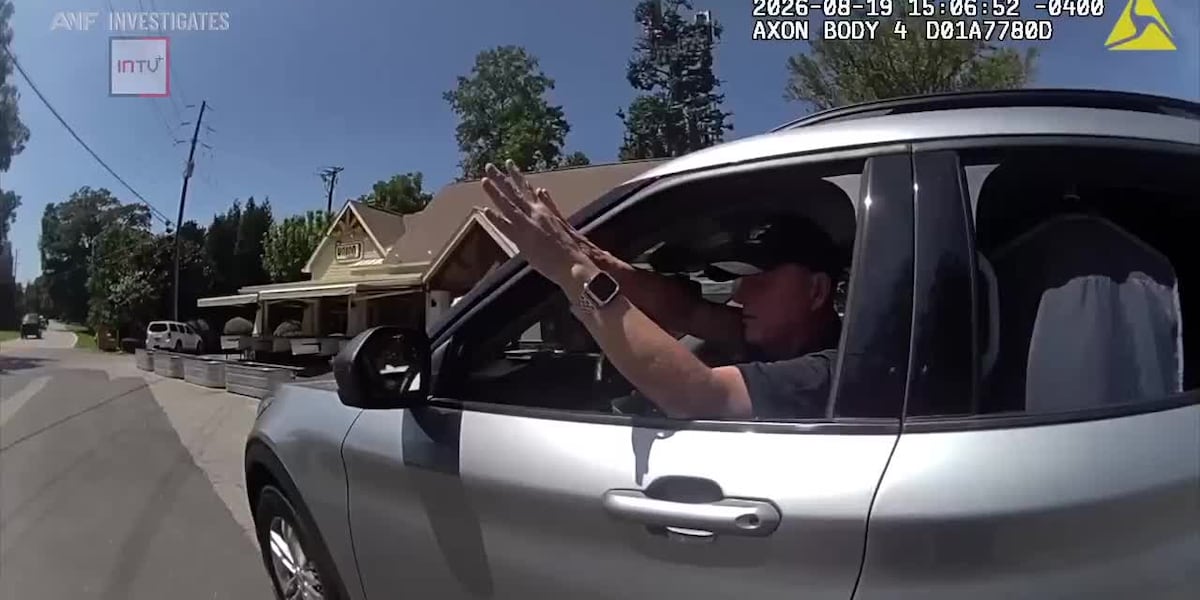
On August 19, 2026, Brendan Keefe, a national investigative reporter for InvestigateTV and Atlanta News First, attempted to document the physical expansion of Flock’s network. After a family member spotted a technician installing an upgraded Flock camera on a public suburban street in Milton, Georgia—not far from Keefe’s own residence—the journalist drove to the scene to capture video footage.
[Keefe Parks on Public Street] ──> [Wears High-Vis Vest & Press Badge]
                                           │
                                           ▼
[Installer Packs Up & Flees] ───> [Calls 911 to Report "Harassment"]
                                           │
                                           ▼
[Milton Police Dispatch 3 Cars] ──> [Keefe Pulled Over in Traffic Stop]
                                           │
                                           ▼
[Bodycam Confirms No Laws Broken] ─> [Officer Lectures Press on Privacy]
To ensure transparency and compliance with local laws, Keefe took extensive precautions:
- He parked a reasonable distance away on a public thoroughfare.
- He wore a highly visible yellow safety vest and a hat bearing the logo of his news organization.
- He prominently displayed a press placard on his vehicle’s dashboard.
- He remained entirely within public property while filming.
Upon noticing the camera, the Flock installer abruptly ceased working, packed his equipment, and drove away. Keefe followed at a safe distance, remaining several car lengths behind, with the intention of documenting the technician’s next installation site.
The installer immediately dialed 911.
According to audio recordings of the emergency call, the technician told the dispatcher:
"I work with Flock Safety. And I called originally because I’m getting followed. I was getting harassed, pretty much. Taking videos and pictures. And now, the same vehicle that pulled over where I was working at has been following me."
Minutes later, three Milton Police Department cruisers intercepted and pulled over Keefe’s vehicle. Dashboard and body-worn camera footage captured the ensuing interaction. Keefe immediately identified himself as an investigative journalist documenting the deployment of public surveillance infrastructure.
While Keefe waited on the shoulder, the intercepting officer called a supervisor to assess the situation. The officer’s own assessment on the bodycam footage contradicted the technician’s claims of harassment:
"When I came up to them, he was behind him but not like right on his bumper… He said that, yeah, he was following him to where he was trying to catch this person on video setting up the Flock cameras, but it was not to where, you know, so close as to break any laws or give the appearance he was stalking him, or anything like that. Yeah, he was following him, but he was not chasing him."
Despite acknowledging that no laws had been broken, the officer informed Keefe that the installer was deeply concerned about his personal privacy, stating that the worker feared being featured on television or targeted by critics of the company.
Keefe pointed out the irony of the situation, asking: "So just to be clear, he’s entitled to his privacy in a public place? Isn’t that the whole argument that people are criticizing Flock for?"
The officer declined to address the philosophical contradiction directly but offered a critique of the media: "I know, media, you know, the First Amendment and all of that. But also, we should probably be a little more careful on who we put on TV and stuff like that."
After a 17-minute detention on the side of the road, Keefe was permitted to leave without citation.
The Smyrna Warehouse Stand-Off: First Amendment Auditors Met with Police
The incident in Milton was not an isolated event. Less than three months prior, on June 5, 2026, a group of YouTube content creators and First Amendment advocates gathered to film outside a Flock Safety distribution center in Smyrna, Georgia.
A prominent member of the group was Benn Jordan, a well-known security researcher and online creator who has spent years investigating corporate privacy vulnerabilities.
[Auditors Film Outside Smyrna Facility] ──> [Quality Manager James Boyce Calls 911]
                                                    │
                                                    ▼
[Boyce Claims Filmers are "Harassing"] ───> [Suggests Three Times They May Be Armed]
                                                    │
                                                    ▼
[Smyrna Police Arrive at Scene] ──────────> [Filmers Confront Boyce on Hypocrisy]
                                                    │
                                                    ▼
[No Charges Filed] ───────────────────────> [Official Trespass Warning Issued]
As the group filmed the exterior of the commercial facility from public sidewalks and easements, James Boyce, the distribution site’s quality manager, called 911. During the call, Boyce leveraged the company’s close relationship with law enforcement to expedite a police response:
Boyce: "It’s Flock Safety. We do the license plate reading cameras that solve 20% of crime across America."
Dispatcher: "Fantastic. Of course, of course. And we appreciate y’all."
Boyce: "No, thank you. We need a favor."
Boyce proceeded to claim that the individuals were "harassing everyone" at the facility. He repeatedly emphasized to the dispatcher that the group consisted of "three young white males, probably mid-twenties, I’m not sure if they’re armed." Though Boyce admitted under questioning that he had not seen any weapons, he raised the prospect of them being armed three separate times during the short call.
When Smyrna Police officers arrived, bodycam footage captured a tense exchange. One of the YouTube creators directly confronted Boyce regarding the double standard of his actions:
"That’s what you guys do to us, without our consent. And I think it’s interesting, when you guys have this happen, you call the police and make us get stopped. But then you do it and it’s okay?"
Ultimately, no members of the filming group were detained or charged with a crime, though police issued an official trespass warning ordering them to leave the immediate perimeter of the property.
Supporting Context, Metrics, and Technological Vulnerabilities
The Scope of the Flock Network
Despite mounting public resistance, Flock Safety’s footprint remains massive. The company’s growth metrics reveal a deeply polarized market:
| Metric | Details |
|---|---|
| Active Camera Network | Approximately 120,000 ALPR devices nationwide |
| Corporate Growth Ratio | Flock claims new contracts outpace cancellations 10-to-1 |
| August 2026 Trend | Municipal contract terminations reached a record pace |
| Core Functionality | AI-driven vehicle search (color, make, decals, bumper stickers, plate state) |
While Flock maintains that its rapid expansion is proof of the technology’s efficacy in solving crimes, civil liberties groups point to a darker reality. Lawmakers in several states and municipalities have initiated discussions to restrict or outright ban ALPR technology, driven by citizen concerns over mass surveillance without warrant or democratic oversight.
                  ┌──────────────────────────────┐
                  │   Flock Safety Ecosystem     │
                  └──────────────┬───────────────┘
                                 │
         ┌───────────────────────┴───────────────────────┐
         ▼                                               ▼
┌─────────────────────────────────┐             ┌─────────────────────────────────┐
│     Law Enforcement Network     │             │     Private/HOA Deployments     │
│ - Real-time "Hot List" alerts   │             │ - Gated community monitoring    │
│ - Shared regional databases     │             │ - Private security integration  │
│ - Automated vehicle tracking    │             │ - Unregulated data collection   │
└─────────────────────────────────┘             └─────────────────────────────────┘
Security Vulnerabilities Exposed
The backlash against Flock is further fueled by serious questions regarding its technical infrastructure. Security researcher Benn Jordan, who participated in the Smyrna filming event, previously exposed critical encryption vulnerabilities within Flock’s hardware.
Jordan’s investigation revealed that a significant number of Flock’s AI-powered video cameras were transmitting unencrypted video feeds over cellular networks. This vulnerability meant that third-party actors, including hackers or bad actors, could intercept live video feeds of public spaces and residential areas.
[Flock AI Camera] ──(Unencrypted Feed)──> [Cellular Network] ──> [Vulnerable to Interception]Flock downplayed the issue, asserting that the vulnerability was limited to "60 to 70" cameras and attributing the error to an internet service provider that had supposedly supplied the wrong SIM cards.
However, cybersecurity experts argue that such errors demonstrate a fundamental lack of oversight for a company entrusted with vast repositories of sensitive location data. Jordan noted that the company’s internal response to the exposure was deeply telling:
"The most absurd part of it is that their response to this controversy is scrubbing data as a company that literally collects data every single time you pass a camera and sends it to law enforcement."
Official Corporate Positions and Public Statements
When questioned about these incidents and the broader philosophical questions they raise, Flock Safety has maintained a highly defensive posture.
On Field Safety and Employee Conduct
In an email statement to investigative reporters, a Flock spokesperson defended the decisions of its employees to call the police on public recorders, citing safety concerns and online hostility:
"We do not object to members of the public or press photographing Flock cameras or personnel in public. Employees and contractors working in the field are expected to prioritize their safety and may contact law enforcement when they believe they are being threatened, harassed, followed, or otherwise face a safety concern."
The company pointed to a broader environment of "violent rhetoric" on social media and cited a specific incident in California where a man was arrested for allegedly threatening a Flock camera installer with a knife and vandalizing their vehicle.
While civil rights advocates acknowledge that physical violence is unacceptable, they argue that conflating peaceful, legal First Amendment audits and journalism with violent threats is a deliberate tactic to shield the company from public accountability.
The "Flock Forward" Media Lockout
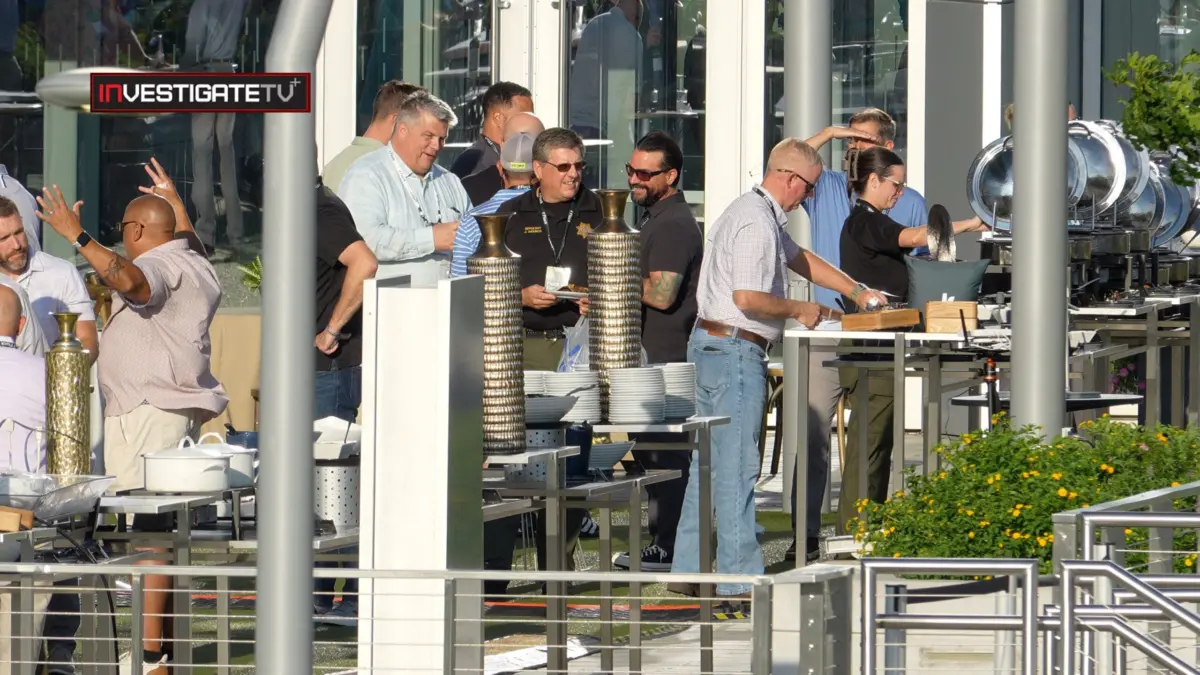
This defensive posture was on full display during Flock’s annual national conference, "Flock Forward 2026," held from August 18 to 20 in Atlanta. The event was designed for public safety and security professionals to network, share strategies, and learn "how to prepare for city council conversations" regarding surveillance expansion.
Both Benn Jordan and reporters from InvestigateTV attempted to register and attend the conference. Jordan’s registration and hotel booking were abruptly canceled four days prior to the event. When journalists requested access—a standard practice for major public safety conventions—Flock denied the request, stating:
"Flock Forward is a customer event and not open to the media."
This statement directly contradicts previous assertions made by Flock’s Chief Communications Officer, Josh Thomas. During an interview in April 2026, Thomas was asked whether Flock views law enforcement agencies or the general public as its primary customer. At the time, Thomas stated:
"So ultimately, I would argue that the whole community is our customer."
The "Opt Out of Society" Doctrine
The core philosophical divide between Flock Safety and privacy advocates was laid bare during that same April interview. When asked why citizens—such as victims of domestic abuse or those seeking to keep their movements private—cannot opt out of Flock’s databases, Thomas delivered a blunt assessment of modern civic life:
"Why can’t the person opt out? It’s because if your car gets stolen, if something were to happen, moreover, the government requires you to have a license plate. It’s the law. And it’s plain view information. Your license plate is part of the plain view. And so why can’t you opt out? You can, if you want to opt out of society."
                     ┌─────────────────────────────┐
                     │    The Plain View Debate    │
                     └──────────────┬──────────────┘
                                    │
            ┌───────────────────────┴───────────────────────┐
            ▼                                               ▼
┌──────────────────────────────────────┐        ┌──────────────────────────────────────┐
│        Flock Safety's Position       │        │      Privacy Advocates' Position     │
│ "License plates are in plain view.   │        │ "Mass, automated, algorithmic        │
│ To opt out of tracking is to opt     │        │ tracking of entire populations is    │
│ out of modern society."              │        │ not equivalent to human observation."│
└──────────────────────────────────────┘        └──────────────────────────────────────┘
Future Outlook: The Battle Lines of Modern Surveillance
The ongoing clashes in Georgia highlight a fundamental tension in modern democracy: the intersection of corporate surveillance, public space, and constitutional rights.
As Flock Safety continues to deploy its network, several key battlegrounds will shape the future of public surveillance:
- The Legal Definition of "Plain View": Courts are increasingly being asked to determine whether the "plain view" doctrine, written in an era of physical police patrols, can legally apply to automated, permanent, AI-driven tracking networks that log millions of vehicle movements daily.
- First Amendment Retaliation: The use of police resources by private surveillance companies to deter public filming will likely face legal challenges. Civil rights attorneys argue that calling 911 on individuals exercising their First Amendment rights constitutes a form of retaliatory harassment.
- Municipal Accountability: As municipal contracts face renewal, local city councils are under immense pressure to demand greater transparency from private vendors. The secrecy surrounding events like "Flock Forward" and the scrubbing of corporate directories will likely make local governments more hesitant to sign long-term agreements.
The debate over Flock Safety has evolved beyond simple crime statistics. It has become a referendum on the nature of public spaces. If citizens must "opt out of society" to avoid being tracked by private corporations, then those who document the trackers are performing a vital democratic function.
As long as companies like Flock Safety operate in public spaces, they will remain subject to the very cameras they have spent years normalizing.

0 Comments