
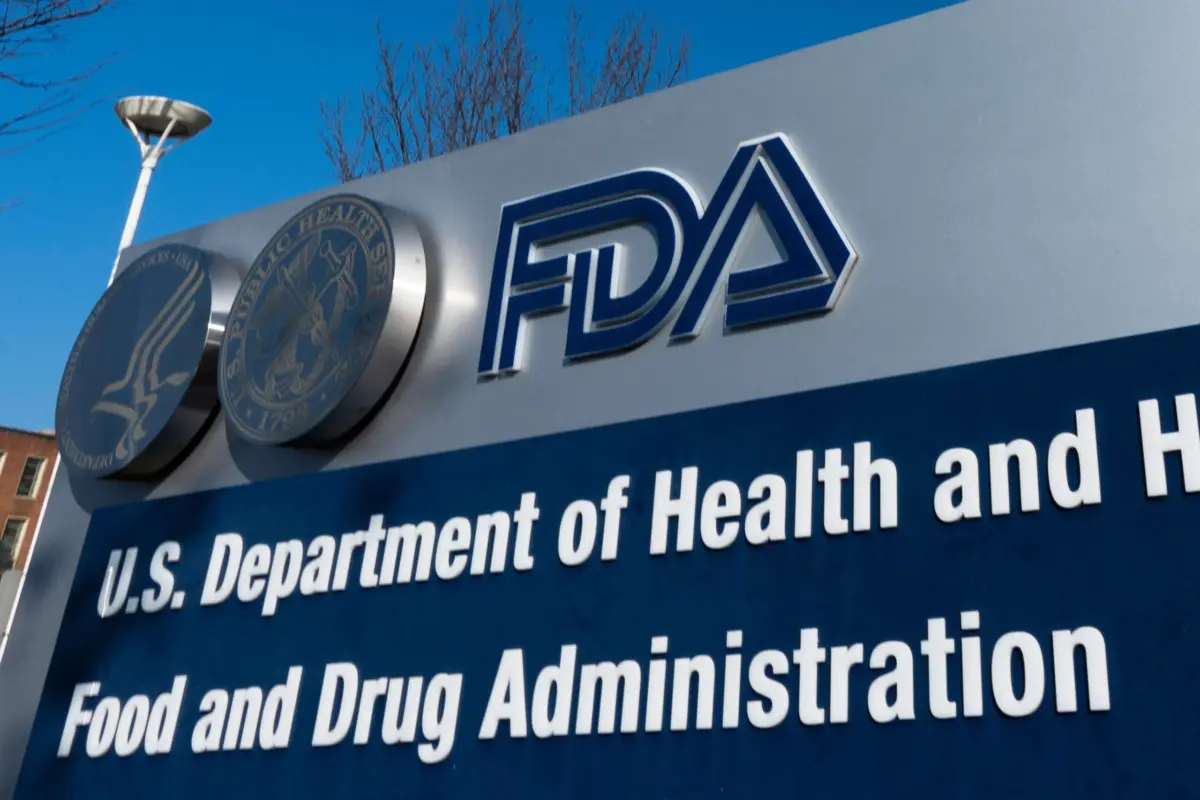

WASHINGTON — In a decisive move aimed at bringing administrative equilibrium to a beleaguered regulatory body, the Department of Health and Human Services (HHS) announced on Tuesday the permanent appointment of four senior officials to critical leadership roles at the U.S. Food and Drug Administration (FDA). The appointments finalize the transitions of several individuals who had been steering crucial divisions in acting capacities following a turbulent sequence of high-profile departures, policy shifts, and mounting public scrutiny earlier in the year.
The sweeping shakeup secures permanent leadership across three of the agency’s six primary product centers: the Center for Drug Evaluation and Research (CDER), the Center for Biologics Evaluation and Research (CBER), and the Center for Tobacco Products (CTP). Additionally, the agency has established and filled a novel executive position dedicated to navigating the burgeoning intersection of artificial intelligence and federal health technology regulation.
While federal officials frame the appointments as a vital step toward operational consistency, the newly minted directors inherit divisions that have undergone dramatic philosophical overhauls under the Trump administration. These shifts—spanning psychiatric drug development, COVID-19 vaccine oversight, tobacco product enforcement, and emerging health technologies—have consistently drawn intense debate from lawmakers on Capitol Hill, leading physicians, pharmaceutical executives, and public health advocacy organizations alike.
Executive Overview: A New Chapter for Federal Health Regulation
The announcement by HHS serves as a calculated attempt to steady the ship at an agency that has spent much of the year navigating unprecedented internal friction. The FDA, tasked with protecting and promoting public health by ensuring the safety, efficacy, and security of human and veterinary drugs, biological products, medical devices, our nation’s food supply, cosmetics, and tobacco products, has been at the epicenter of federal health policy debates.
At the core of the recent instability were the departures of former Commissioner Dr. Marty Makary and vaccine chief Dr. Vinay Prasad, whose tenures were defined by aggressive regulatory overhauls, protracted battles with industry stakeholders, and controversial policy mandates. Their exits left critical gaps in the agency’s executive leadership, forcing career civil servants and interim appointees to steer complex regulatory portfolios under intense public scrutiny.
By converting acting roles into permanent appointments, the administration hopes to signal a return to structured governance. However, the incoming leadership team will not enjoy a honeymoon period. They step directly into high-stakes regulatory environments where decisions on psychedelic therapeutics, fast-tracked vaccine protocols, and flavored nicotine alternatives carry monumental economic and public health consequences.
Detailed Chronology: The Road to the Leadership Overhaul
To understand the weight of Tuesday’s appointments, one must examine the cascading sequence of events that destabilized the FDA’s upper echelons over the preceding months.
The Spring Exodus and Policy Clashes
The upheaval began in earnest during the spring, marked by a series of contentious exits that reshaped the agency’s leadership hierarchy:
- May: Dr. Marty Makary resigned from his post as FDA Commissioner following months of relentless pressure. Critics from the health industry, anti-abortion coalitions, and the tobacco sector targeted Makary over various policy disputes, culminating in intense friction regarding the agency’s sluggish enforcement posture on flavored e-cigarettes—a core priority for both major manufacturers and small-scale vaping enterprises. Since Makary’s departure, the agency has notably pivoted, clearing a wave of new nicotine pouches and electronic cigarette varieties.
- May: Dr. Tracy Beth Hoeg, who led the Center for Drug Evaluation and Research, was ousted from her position. Hoeg’s tenure was notably brief and intensely focused on auditing antidepressant use, evaluating pediatric COVID-19 inoculations, and scrutinizing pharmaceutical interventions administered to children. Her departure left a gaping leadership void in the nation’s largest drug evaluation center.
- March: Dr. Vinay Prasad stepped down as the head of the agency’s vaccines center following sustained controversies surrounding gene therapies, biotech approvals, and pediatric immunization frameworks. Prasad’s exit marked his second departure from the role in less than a year, precipitated by bitter complaints from biotech leaders and rare-disease patient advocacy groups who argued that the agency’s unpredictable review processes were stifling medical innovation.
The Interim Period and Path to Permanence
In the wake of these vacancies, the administration relied on a mix of career civil servants and newly recruited industry veterans to maintain operational continuity in acting capacities. Over the summer and early autumn, these interim leaders navigated sensitive policy reviews, managed congressional inquiries, and attempted to rebuild bridges with the pharmaceutical and biotechnology sectors.
Tuesday’s announcement marks the culmination of this interim phase, formalizing the leadership structure and setting a definitive course for the remainder of the presidential term.
Profile of the New Leadership Team
The newly appointed officials bring a diverse array of backgrounds spanning academic research, pharmaceutical development, legal compliance, and emerging technology.
Dr. Michael Davis: Steering the Center for Drug Evaluation and Research (CDER)
Dr. Michael Davis assumes permanent leadership of CDER, the FDA’s massive division responsible for overseeing the safety, manufacturing quality, and therapeutic effectiveness of all prescription and over-the-counter medications marketed in the United States.
Davis is no stranger to the agency. He previously served in a leadership capacity within the FDA’s psychiatric drug division before briefly exiting the public sector to work with a non-profit organization dedicated to researching and developing psychedelic compounds for medical use. He returned to the federal fold last year, stepping into a deputy director role before taking the helm on an acting basis following Dr. Tracy Beth Hoeg’s dismissal.
As the nation’s chief drug regulator, Davis finds himself at the vanguard of a major regulatory shift. Both President Donald Trump and Health Secretary Robert F. Kennedy have publicly championed the acceleration of scientific reviews for psychiatric and neurological drugs—specifically targeting psychedelic therapeutics such as psilocybin, MDMA, and LSD for conditions like treatment-resistant depression and post-traumatic stress disorder (PTSD). Davis’s background positions him uniquely to navigate the complex scientific and ethical evaluations required as these unconventional compounds move closer to mainstream medical integration.
Karim Mikhail: Directing the Center for Biologics Evaluation and Research (CBER)
Karim Mikhail takes over as the permanent director of the FDA’s vaccines and biologics center. A trained pharmacist and veteran pharmaceutical executive, Mikhail joined the agency in the spring and was thrust into the spotlight following the resignation of Dr. Vinay Prasad.
Mikhail’s appointment comes at a critical juncture for vaccine regulation. Under the previous leadership of Prasad and former Commissioner Makary, the FDA implemented stringent new compliance standards for updated COVID-19 formulations. These policies mandated that vaccine manufacturers conduct extensive, prolonged clinical trials before modified booster shots could be authorized for healthy adult and pediatric populations—a departure from traditional rapid-update pathways.
Mikhail inherits an environment deeply polarized by debates over federal vaccine mandates, public trust in regulatory science, and the balance between rapid epidemic response and exhaustive clinical validation.
Bret Koplow: Managing the Center for Tobacco Products (CTP)
Bret Koplow, a seasoned attorney and career federal official within the FDA, has been named the permanent director of the Center for Tobacco Products. Koplow had been managing the center in an acting capacity following the high-profile ouster of the previous director during the earliest days of the Trump administration.
The CTP has long been a regulatory battleground, caught in a perpetual crossfire between public health advocates seeking aggressive restrictions on youth-appealing nicotine products and industry stakeholders pushing for market access. Following the policy shifts that accompanied Makary’s departure, the agency has greenlit several new product applications, including novel nicotine pouch variations and e-cigarette devices. Koplow will be tasked with enforcing statutory compliance while managing the legal and administrative challenges inherent in tobacco and nicotine regulation.
Jared Seehafer: Pioneering AI and Technology Oversight
In a nod to the rapidly evolving technological landscape, the administration has appointed Jared Seehafer to a newly created executive position: Director of Artificial Intelligence and Technology.
As artificial intelligence begins to revolutionize drug discovery, clinical trial design, medical device diagnostics, and post-market safety surveillance, federal regulators have faced mounting pressure to establish cohesive oversight frameworks. Seehafer’s appointment underscores the administration’s recognition that traditional regulatory models must adapt to algorithms capable of processing vast datasets at unprecedented speeds.
Supporting Context & Metrics: Navigating Scrutiny and Public Expectations
The leadership stabilization occurs against a backdrop of intense analytical scrutiny from external watchdogs, academic researchers, and Capitol Hill lawmakers. The FDA’s recent trajectory has generated significant quantitative and qualitative metrics of change:
- Three of Six Product Centers Restructured: The appointments solidify executive control over half of the FDA’s core product evaluation centers, representing billions of dollars in economic activity and public health impact.
- Decisions on Dozens of Novel Therapies Pending: The newly confirmed directors will immediately oversee backlog reviews for breakthrough oncology treatments, rare-disease orphan drugs, and controversial psychiatric compounds.
- Shifting Enforcement Postures: Industry analysts note a measurable pivot toward expedited review timelines for alternative therapeutics (such as psychedelics) alongside a more permissive commercial environment for certain nicotine delivery systems compared to previous administrations.
Despite these changes, consumer advocacy groups and congressional Democrats have voiced concerns regarding the erosion of traditional pre-market review rigors. Critics argue that fast-tracking approvals without exhaustive long-term data could compromise patient safety, while industry representatives contend that modernizing bureaucratic processes is long overdue to prevent American biopharmaceutical stagnation.
Official Statements and Reactions
The announcement elicited a spectrum of responses from federal officials, industry representatives, and public health advocates.
HHS representatives emphasized that the permanent appointments represent a deliberate effort to empower qualified professionals who understand the intricate mechanics of federal regulation. In an official release, the department noted that the finalized leadership team brings the necessary administrative resolve to execute the administration’s healthcare priorities efficiently and transparently.
Conversely, public health coalitions have expressed cautious vigilance. Representatives from several prominent medical watchdogs issued statements underscoring the necessity of maintaining rigorous, science-driven standards—particularly regarding vaccine safety evaluations and pediatric therapeutic approvals.
Meanwhile, biotechnology and pharmaceutical trade associations offered a more welcoming tone, expressing optimism that permanent leadership will reduce regulatory ambiguity and foster a more predictable environment for medical innovation and clinical investment.
Future Outlook: What Lies Ahead for the FDA
As Dr. Michael Davis, Karim Mikhail, Bret Koplow, and Jared Seehafer settle into their permanent roles, the agency faces a formidable array of challenges and opportunities.
The immediate horizon will test the new leadership’s ability to balance competing stakeholder demands. The agency must restore public confidence in its scientific independence while actively implementing the executive branch’s vision for regulatory modernization. Key benchmarks to watch in the coming months include:
- The Psychedelic Therapeutics Pipeline: How CDER, under Davis, handles upcoming clinical data submissions for MDMA and psilocybin-assisted therapies will set a global precedent for psychiatric drug regulation.
- Vaccine Policy Implementation: CBER’s management of upcoming seasonal immunization campaigns and its enforcement of trial requirements for modified boosters will remain a focal point of public health scrutiny.
- The Tech and AI Frontier: Seehafer’s newly minted office will be closely monitored as it drafts the foundational guidelines for artificial intelligence applications in clinical research and medical diagnostics.
- Tobacco and Nicotine Enforcement: CTP’s balancing act between youth vaping prevention and market authorization approvals will continue to draw intense legal and legislative challenges.
Ultimately, Tuesday’s appointments provide the FDA with the structural scaffolding necessary to navigate these complex waters. Whether this renewed stability translates into restored public trust and effective health protection will depend heavily on the execution of these four key leaders in the months ahead.

0 Comments