

Executive Overview
In what Florida law enforcement officials have characterized as one of the most chilling and depraved child exploitation cases in recent state history, two women have been formally charged in Orange County following a multi-year investigation. The case exposes a horrific underworld of systematic abuse, neglect, and confinement, where four innocent children were allegedly forced to live for years within the cramped confines of a commercial semi-truck’s sleeper cab.
According to state prosecutors and investigative files released by the Florida Attorney General’s Office, the victims—spanning both genders—were subjected to severe physical neglect, medical deprivation, and protracted sexual abuse while being hauled across the American Southeast like cargo. The primary caregivers, identified as 37-year-old Tamra Marshon Stewart of Jacksonville and 51-year-old commercial truck driver Keysha Monique Epps of Atlanta, now face a labyrinth of severe felony charges. These include multiple counts of sexual battery, lewd and lascivious molestation, child neglect resulting in permanent disfigurement, and failure to report child abuse.
The unfolding nightmare came to light after an intensive, multi-agency probe that laid bare how Epps utilized her long-haul commercial trucking routes—traversing primary corridors between Atlanta and Miami, with numerous stops spanning Central and South Florida, including the Orlando metropolitan area—as a rolling prison to isolate the victims from mandatory reporters, educational institutions, and the outside world.
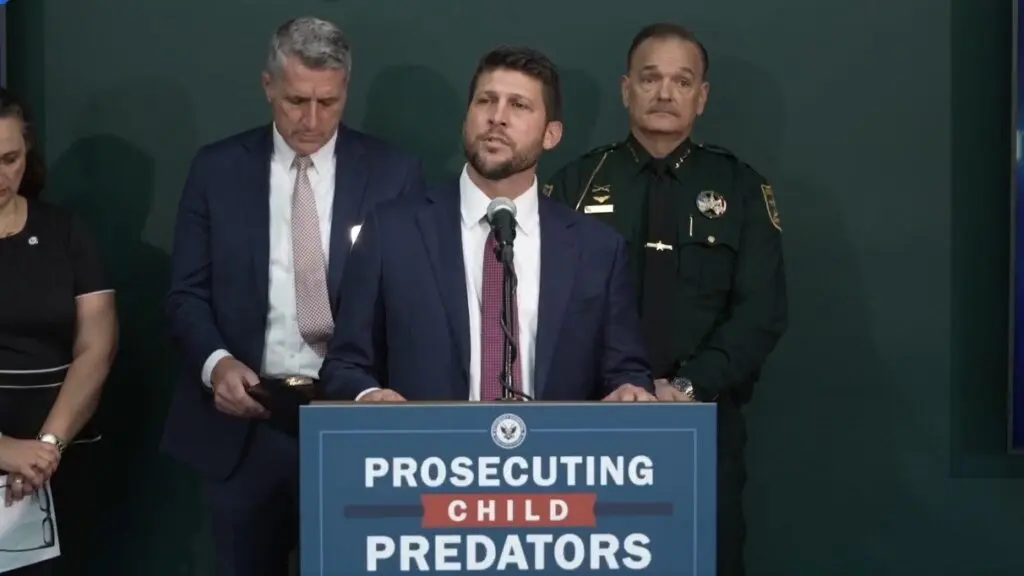
State leaders have expressed profound outrage over the incident. Florida Attorney General James Uthmeier did not mince words when addressing the media, describing the victims as having been "trapped in a rolling prison and abused by the adults who were supposed to protect them." The case has sent shockwaves through the law enforcement community, prompting urgent reminders about the critical importance of community vigilance, the vulnerabilities inherent in transient lifestyles, and the unyielding enforcement of Florida’s mandatory child abuse reporting laws.
Detailed Chronology and Investigative Findings
The timeline of this disturbing case spans more than half a decade, revealing a calculated pattern of concealment and escalating abuse. According to investigators from the Florida Department of Law Enforcement (FDLE) and regional sheriff’s offices, the systematic abuse and confinement of the four children began in January 2020 and continued unabated until April 2026.
The Rolling Prison: Life Inside the Sleeper Cab
For over six years, the sleeper cab of Epps’ commercial semi-truck served as the primary residence for six individuals: Epps, Stewart, and four children. Designed primarily to accommodate one or two adult truck drivers for cross-country hauls, the cramped quarters became a claustrophobic cage where the children were stripped of basic human dignity.
Investigators uncovered that the four minors were forced to share a single, cramped bunk inside the sleeper compartment. Deprived of adequate nutrition, proper hygiene, educational instruction, and routine medical or dental care, the children existed in a state of chronic neglect. The physical toll of this confinement quickly manifested in severe, untreated injuries. Court documents reveal that at least two of the children suffered debilitating burns during their time in the truck. Rather than seeking emergency medical attention or basic first aid, the caregivers allowed the wounds to heal naturally without treatment, leaving the victims with significant, permanent scarring.
Furthermore, medical evaluations conducted after the children were finally removed from the suspects’ custody revealed that one of the victims had contracted a sexually transmitted infection (STI), pointing to the profound medical and physical endangerment inflicted upon them.
Systematic Abuse and Coercion
The psychological and physical terror inside the cab extended far beyond neglect. According to statements provided to investigators by the victims, the two young girls were subjected to years of continuous sexual abuse perpetrated by Stewart.

When the young boys in the vehicle attempted to intervene, confronting Stewart and reporting the predatory behavior to Epps, they were met with swift and brutal retaliation. Rather than intervening to protect the children, Epps allegedly permitted the abuse to continue. The boys were reportedly subjected to violent beatings for speaking out, establishing an atmosphere of terror that effectively silenced the victims and prevented them from seeking outside help during routine fuel stops, weigh stations, or highway rest areas.
The Breakdown and Confession
The facade finally fractured when law enforcement intercepted the suspects and launched a formal forensic interview process. During a post-Miranda interrogation with state investigators, Stewart reportedly broke down and confessed to committing multiple acts of sexual battery against one of the young girls, including a specific incident documented within the city limits of Orlando.
Investigators noted that Epps, despite holding the legal and moral responsibility as both the vehicle operator and a primary caregiver, actively abdicated her duty of protection. Prosecutors emphasize that Epps not only witnessed the psychological and physical deterioration of the children but deliberately shielded Stewart from accountability, ignoring explicit statutory duties to report suspected child abuse to authorities.
Supporting Context, Statistics, and Legal Framework
This horrific case highlights the unique vulnerabilities associated with transient populations and the hidden dangers lurking within the commercial transportation sector. While the vast majority of commercial truck drivers operate with high ethical standards and professionalism, the isolated nature of long-haul trucking has historically presented unique challenges for social service agencies and law enforcement task forces attempting to monitor child welfare.
The Vulnerability of Transient Households
Child welfare experts note that children raised in highly mobile, transient environments are statistically at a significantly higher risk of slipping through the cracks of social safety nets. Unlike children enrolled in traditional public or private school systems—where teachers, school nurses, and counselors serve as frontline mandatory reporters—homeschooled or entirely un-schooled children living on the road lack regular contact with mandatory reporters.
In this case, the perpetrators capitalized on the constant motion of the commercial vehicle. By traveling incessantly between major economic hubs like Atlanta and Miami, the suspects effectively rendered the children invisible to local school districts, pediatricians, and community watchdogs. Every state line crossed and every highway rest stop utilized became another layer of insulation against discovery.
Legal Charges and Statutory Definitions
The severity of the charges brought by the Florida Attorney General’s Office reflects the multi-layered nature of the crimes committed. Both women are facing charges that carry decades-long prison sentences if convicted:
- Tamra Marshon Stewart faces an array of grave felonies, including two counts of sexual battery by a person in familial or custodial authority, two counts of lewd or lascivious molestation of a child under the age of 12, two counts of battery of a child by expelling certain fluids or materials, two counts of child neglect without great bodily harm, and two counts of child neglect causing permanent disfigurement. The inclusion of charges related to permanent disfigurement directly addresses the untreated, severe burn injuries sustained by the victims.
- Keysha Monique Epps faces mirrored and additional charges, including two counts of sexual battery by a person in familial or custodial authority, two counts of lewd or lascivious molestation of a child under 12, two counts of child neglect without great bodily harm, two counts of child neglect causing permanent disfigurement, and four distinct counts of failure to report child abuse. Under Florida law, the failure-to-report charges apply directly to adults who possess knowledge of abuse or neglect and deliberately withhold that information from law enforcement or the Department of Children and Families (DCF).
Official Statements and Leadership Response
The sheer brutality of the allegations has elicited strong, unified condemnation from Florida’s top legal and law enforcement authorities, who have vowed to pursue absolute justice for the four surviving victims.
Florida Attorney General James Uthmeier released a scathing assessment of the defendants’ actions during a press briefing outlining the charges:

"These children were trapped in a rolling prison and abused by the adults who were supposed to protect them. Florida has zero tolerance for anyone who preys on children. We are dedicating the full weight of our office to ensuring these defendants face maximum accountability for the unimaginable suffering they inflicted."
Law enforcement leaders instrumental in the joint operation echoed these sentiments, emphasizing the collaborative nature of the multi-agency task force that brought the suspects to justice.
FDLE Commissioner Mark Glass underscored the profound breach of trust inherent in the case. He noted that the investigation revealed an egregious violation of basic human decency, praising the resilience of the young victims for eventually speaking out against their abusers.
Osceola County Sheriff Chris Blackmon stepped forward with a direct appeal to the public, urging community members to remain vigilant and proactive. Sheriff Blackmon stressed that child protection is a collective societal obligation, imploring anyone who suspects that a child is in danger, neglected, or abused to immediately contact local law enforcement or the Florida Abuse Hotline.
Future Outlook and Judicial Proceedings
As the legal process shifts from the investigative phase to the courtroom, prosecutors are preparing a robust case designed to secure convictions across all counts.
The prosecution will be spearheaded by a specialized team of legal experts from the Attorney General’s Office. Special Counsels Rita Peters, Stephanie Bergen, and Beth Shelley have been assigned to prosecute the case within Florida’s Ninth Judicial Circuit, which encompasses Orange and Osceola counties. Given the complex jurisdictional footprint of the crimes—spanning multiple highway corridors, counties, and state lines over a six-year period—the trial team is expected to present extensive forensic, medical, and digital evidence to establish the continuous pattern of abuse.
Furthermore, state prosecutors have indicated that the investigation remains actively open. Because the suspects operated across a vast geographic expanse encompassing numerous Florida counties and interstate routes, law enforcement agencies are continuing to review historical travel logs, fuel receipts, and electronic toll data. Investigators are examining whether additional individuals may have had contact with the victims or aided in the concealment of the abuse, meaning that additional criminal charges and supplementary arrests remain distinct possibilities as the legal proceedings unfold.
For the four young survivors, the road to physical and psychological recovery will be long and arduous. State social services and specialized victim-advocacy groups have stepped in to provide emergency housing, trauma counseling, and comprehensive medical evaluations to address the lingering physical scars and deep-seated emotional trauma inflicted during their years inside the semi-truck. As the judicial gears begin to turn in the Ninth Judicial Circuit, the state of Florida stands poised to send an unequivocal message that those who exploit, neglect, and imprison the most vulnerable among us will face the harshest penalties the law allows.

0 Comments