When travelers conjure images of the Sunshine State, their minds invariably drift to endless stretches of sugar-white coastline, the labyrinthine majesty of freshwater springs, and the nostalgic charm of mid-century roadside attractions. Florida is universally celebrated as a sun-drenched, maritime paradise—a low-lying peninsula defined by saltwater estuaries, flatwoods, and coastal marshes. Yet, beneath this veneer of topographical uniformity lies a well-kept secret: Florida is home to a diverse, fascinating array of waterfalls.
Ranging from dramatic, gravity-defying sinkhole drops in the Panhandle to tranquil, masterfully landscaped cascades in South Florida’s cultural sanctuaries, these aquatic wonders offer much more than aesthetic appeal. They serve as crucial hydrological touchpoints, educational outdoor classrooms, and cool, shaded respites from the relentless subtropical heat.
This comprehensive investigative guide traverses the state’s distinct geographical regions—from Northwest Florida down to the Southeast coast—uncovering natural marvels and man-made masterpieces alike. Whether you are an experienced backcountry hiker seeking rugged elevation changes or a family looking for a unique weekend road trip itinerary, this guide provides the logistical frameworks, safety protocols, and regional insights necessary to experience Florida’s hidden vertical waters.
Detailed Chronology: From Ancient Sinkholes to Cultivated Canopies
To understand the existence of waterfalls in a state as flat as Florida, one must examine the deep geological history and the deliberate human intervention that shaped the landscape over millennia.
Geological Genesis (Pre-History to 19th Century)
The natural waterfalls of Florida—most notably found in the Panhandle and the northern limestone regions—are the direct byproduct of the state’s unique karst topography. Millennia of acidic rainwater dissolving underlying limestone beds created an intricate network of subterranean caverns, underground rivers, and surface-level sinkholes.
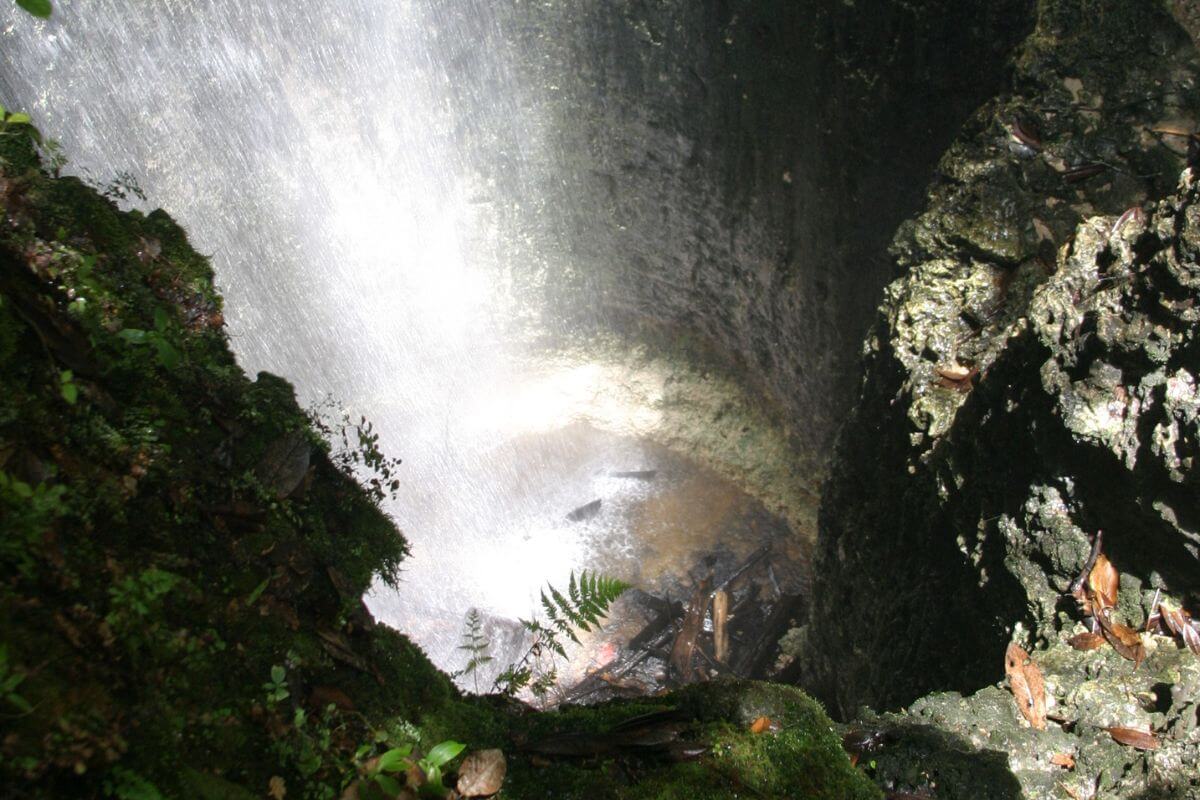
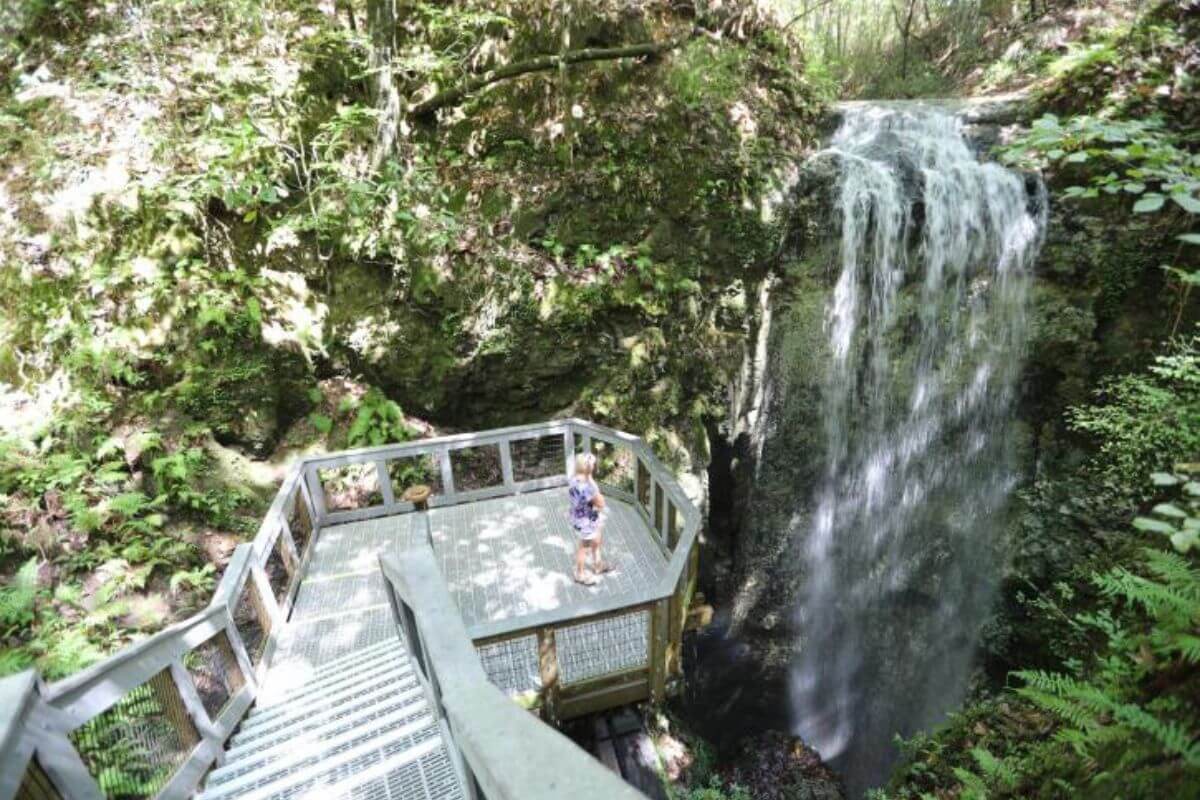
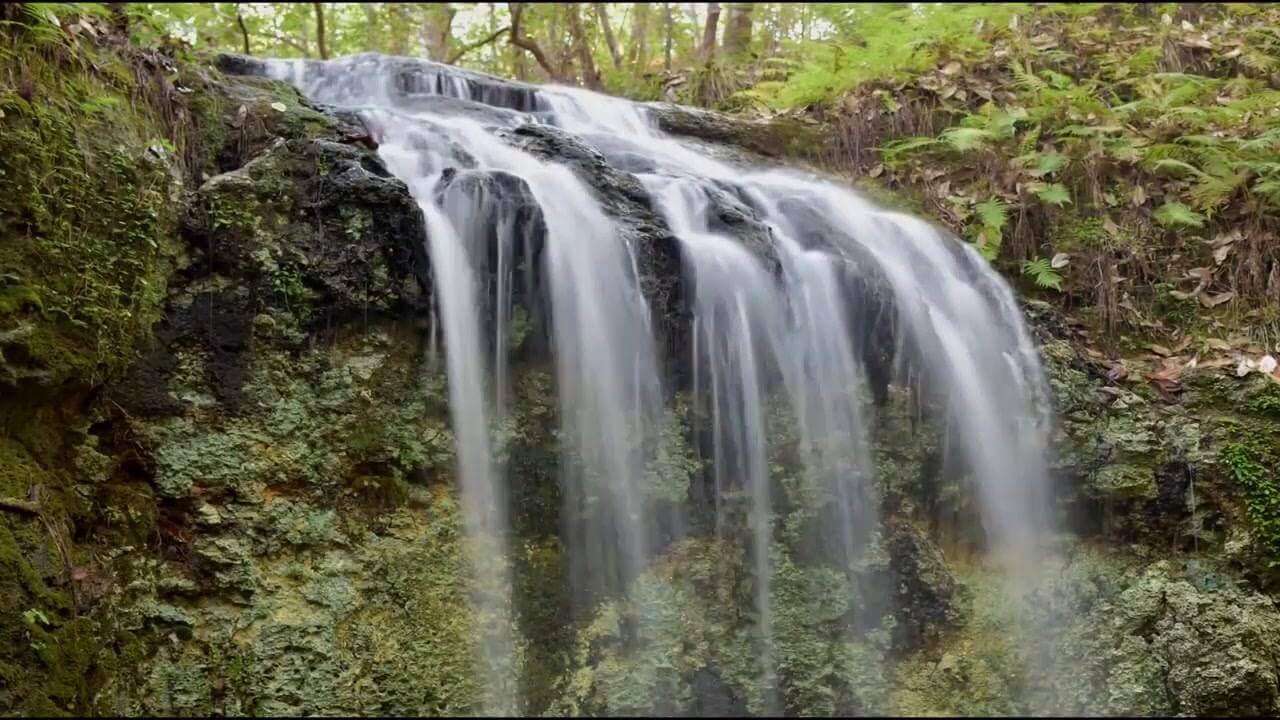
At sites like Falling Waters State Park, streams flowing across elevated terrain encounter geological anomalies, abruptly terminating by plunging over limestone ledges into deep sinkholes. These natural features formed long before human settlement, serving as vital watering holes for indigenous populations and early pioneer communities who relied on the reliable, gravity-fed streams for survival and early milling operations.
The Era of Conservation and Park Development (Mid-20th Century)
As Florida’s population began to surge following World War II, state and local authorities recognized the urgent need to protect these fragile ecological zones from unchecked real estate development and agricultural runoff.
1962: Falling Waters was officially acquired and established as a state park, preserving the state’s tallest waterfall and opening public access via wooden boardwalks and observation decks.
Late 20th Century: Regional water management districts and county authorities began cataloging and preserving localized hydrological features, establishing public preserves such as Bulls Bay Preserve in Jacksonville and Hidden Waters Preserve in Lake County to safeguard municipal water tables while offering passive recreational access.
The Horticultural Movement (1970s–Present)
Parallel to the preservation of natural karst waterfalls was the deliberate engineering of artificial cascades. Driven by a cultural appreciation for global landscape architecture—particularly traditional Japanese design philosophies—botanical sanctuaries began integrating man-made waterfalls into their grounds.
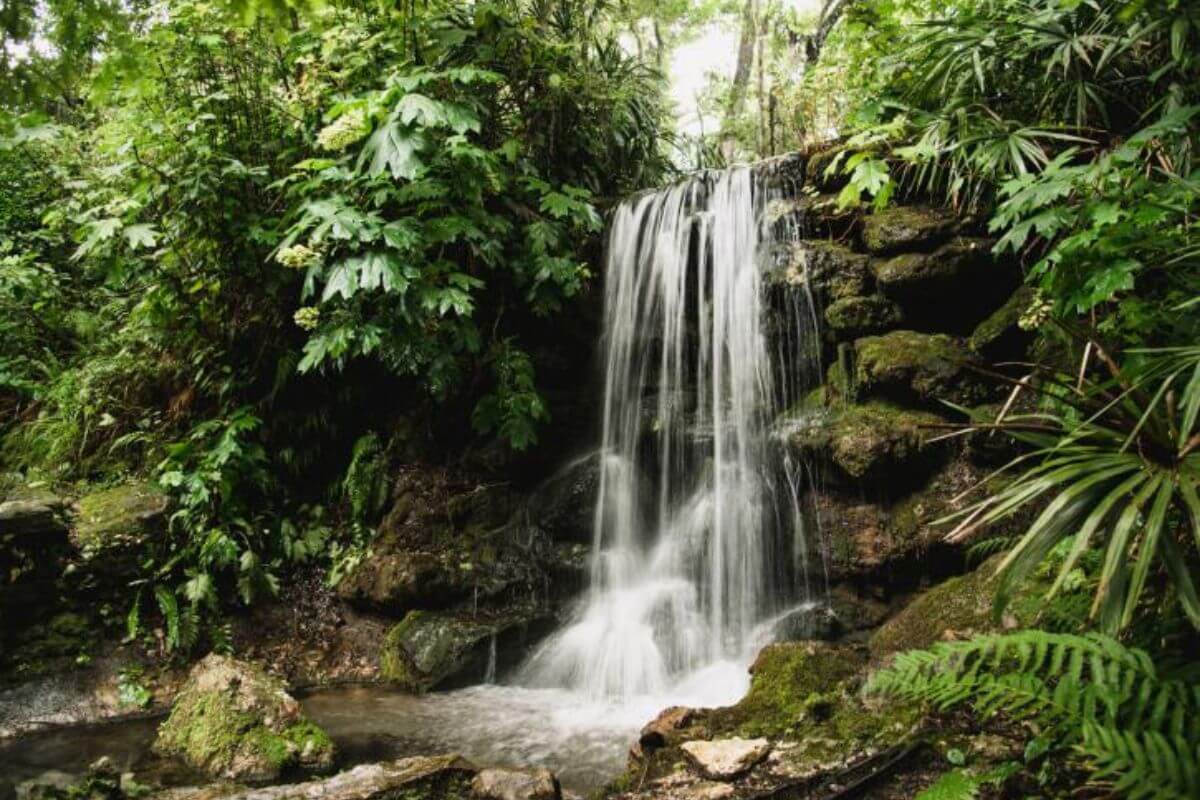
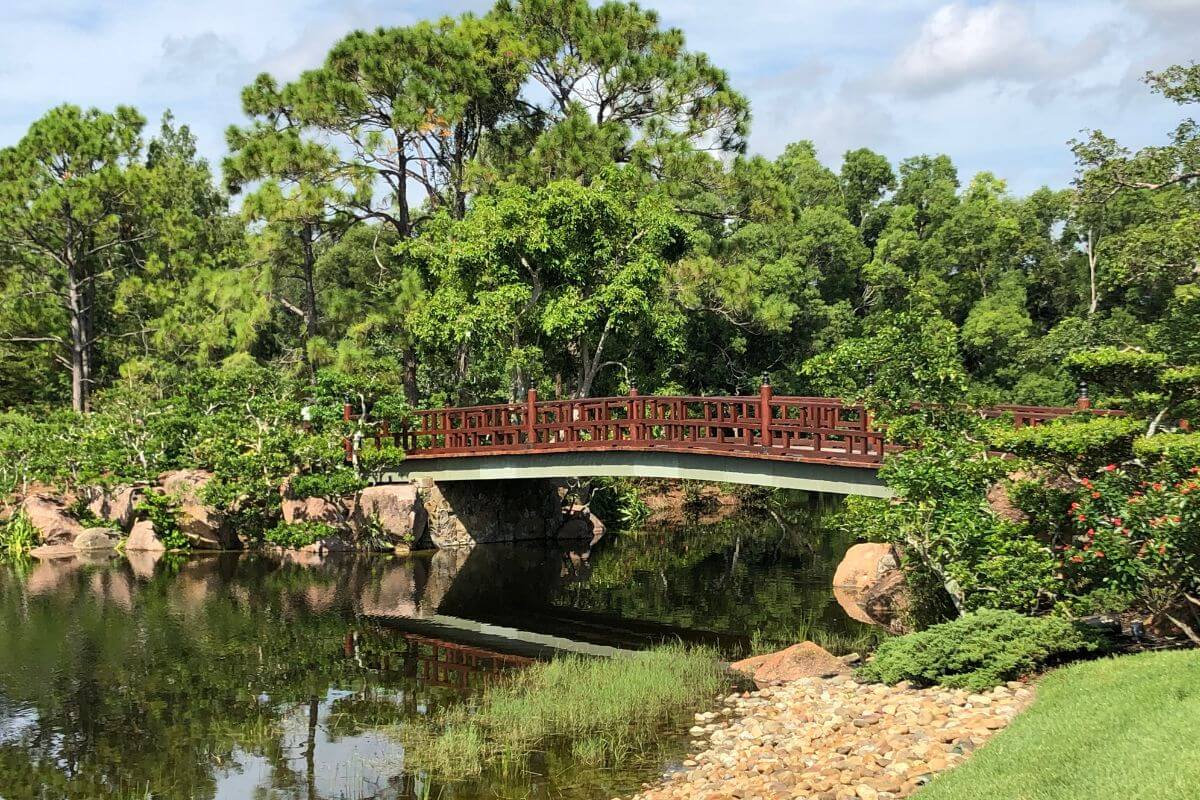
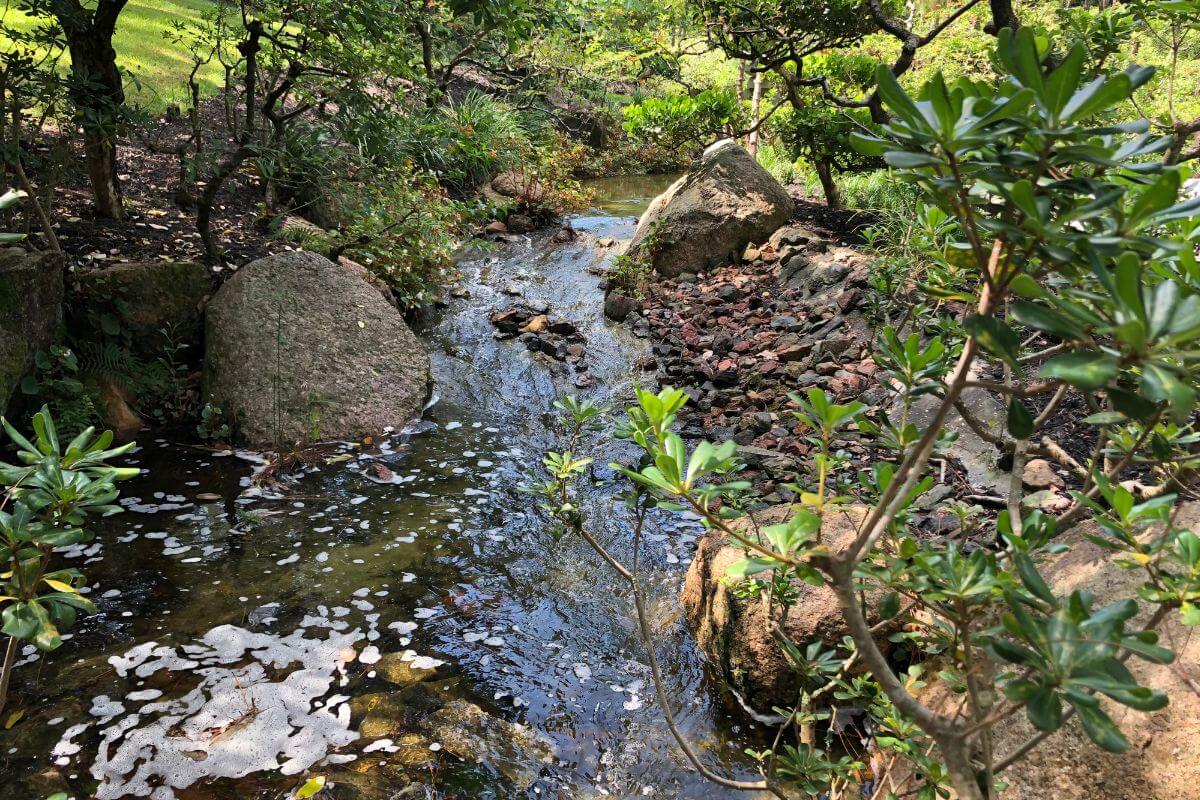
1977: The Morikami Museum and Japanese Gardens opened in Delray Beach, featuring meticulously engineered waterfalls that mimic natural topography, blending seamlessly with native and exotic flora. These sites demonstrated that while Florida lacked natural tectonic uplift in its southern latitudes, human ingenuity could successfully harness gravity and local water sources to evoke the serene ambiance of mountainous East Asia within a subtropical wetland.
Supporting Context & Metrics: Navigating the Topography of Water
While Florida’s highest point—Britton Hill—stands at a modest 345 feet above sea level, the state’s hydrological network features surprising vertical variations over short distances. Examining the key metrics of these destinations reveals the fascinating diversity of the state’s water features:
Waterfall Destination
Location / Region
Type
Primary Feature / Drop Height
Key Recreational Activities
Falling Waters State Park
Chipley (Northwest)
Natural
73-foot drop into a 100-foot-deep sinkhole
Hiking, camping, wildlife viewing
Steinhatchee Falls
Steinhatchee (North Central)
Natural
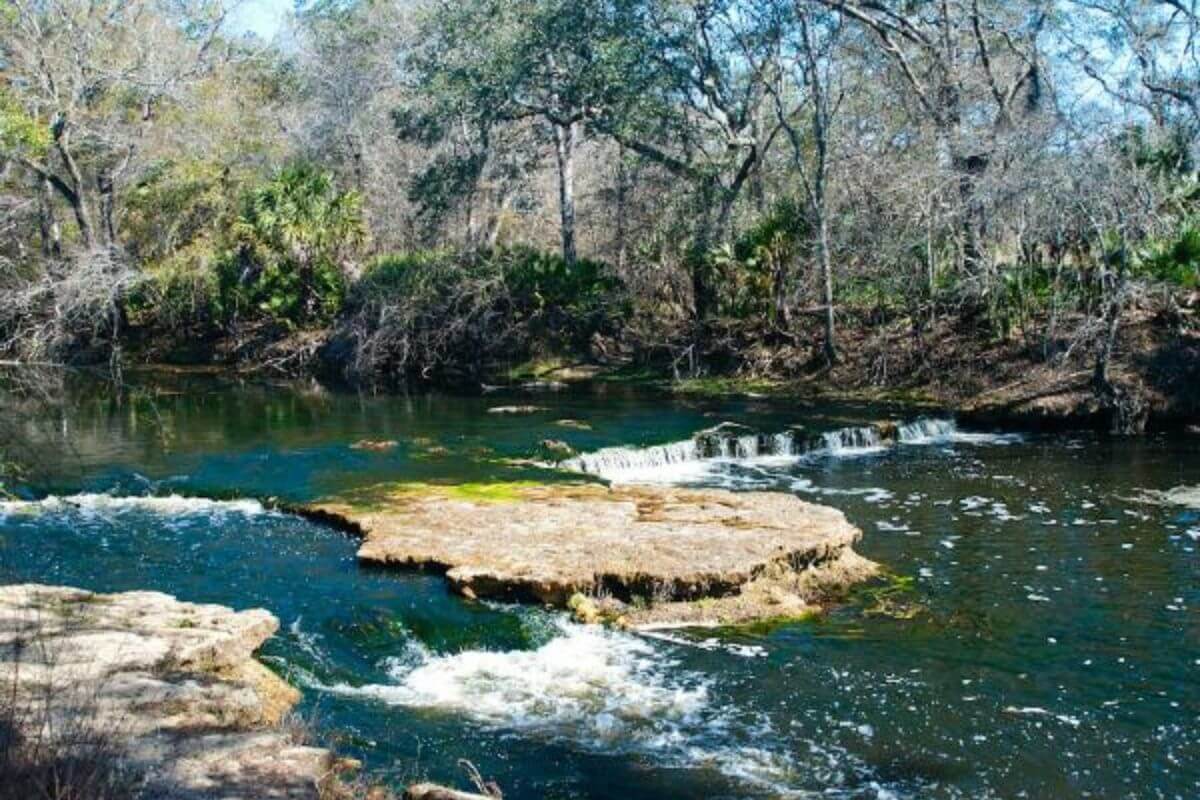
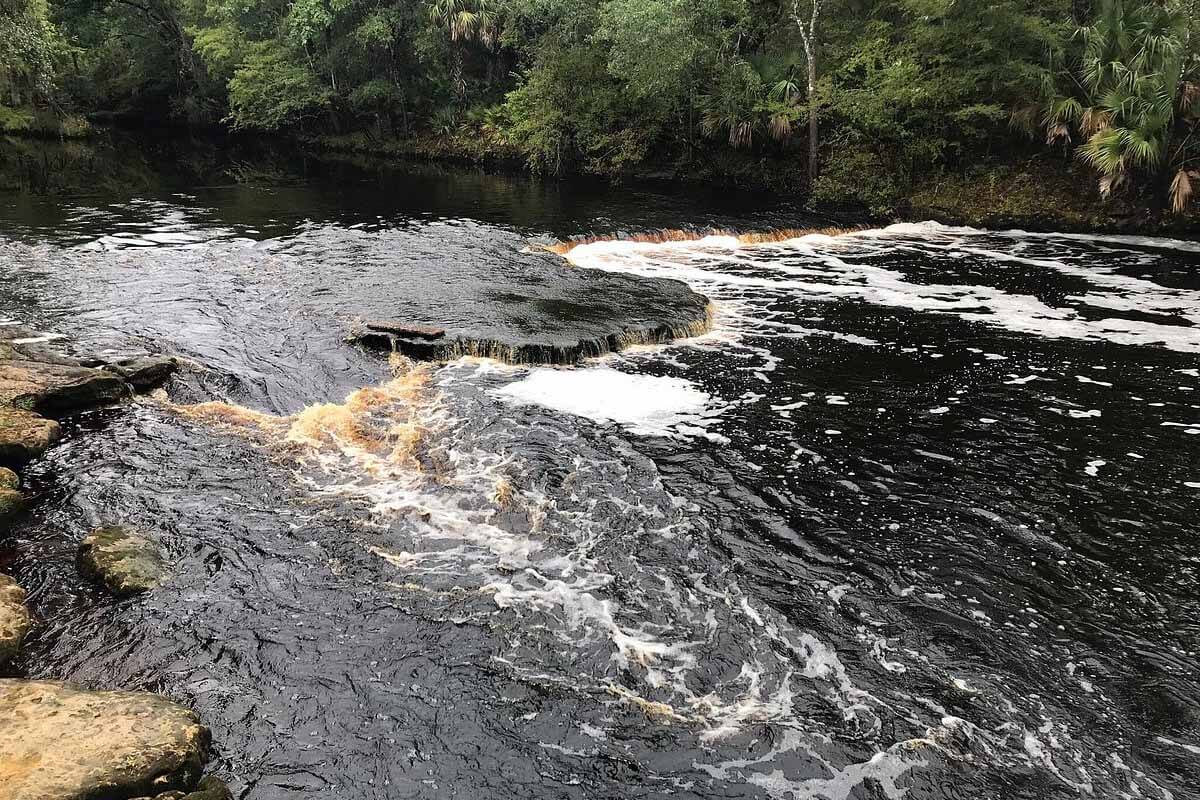
~4-foot limestone ledge drop on the Steinhatchee River
Kayaking, picnicking, swimming, biking
Bulls Bay Preserve
Jacksonville (Northeast)
Natural / Wetland
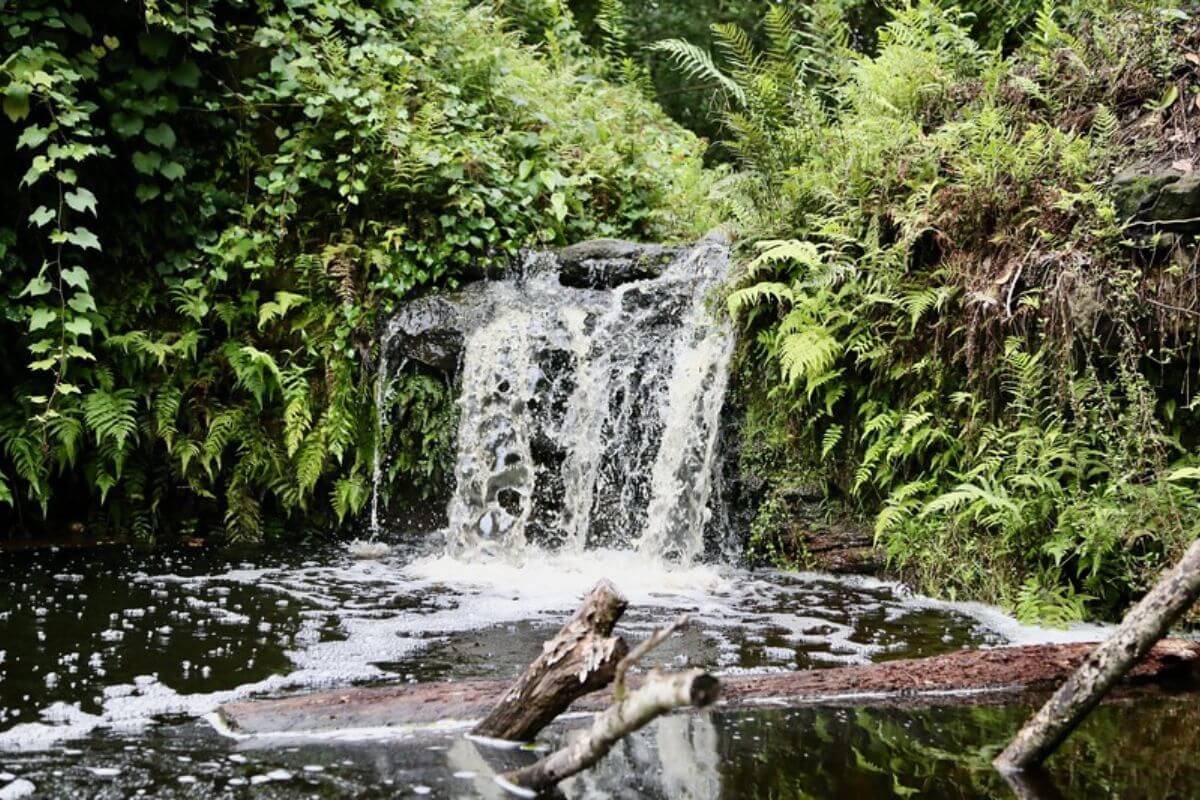
Stream-fed wetland cascade
Hiking, bird watching, nature photography
Rainbow Springs State Park
Dunnellon (Central West)
Man-made / Spring-fed
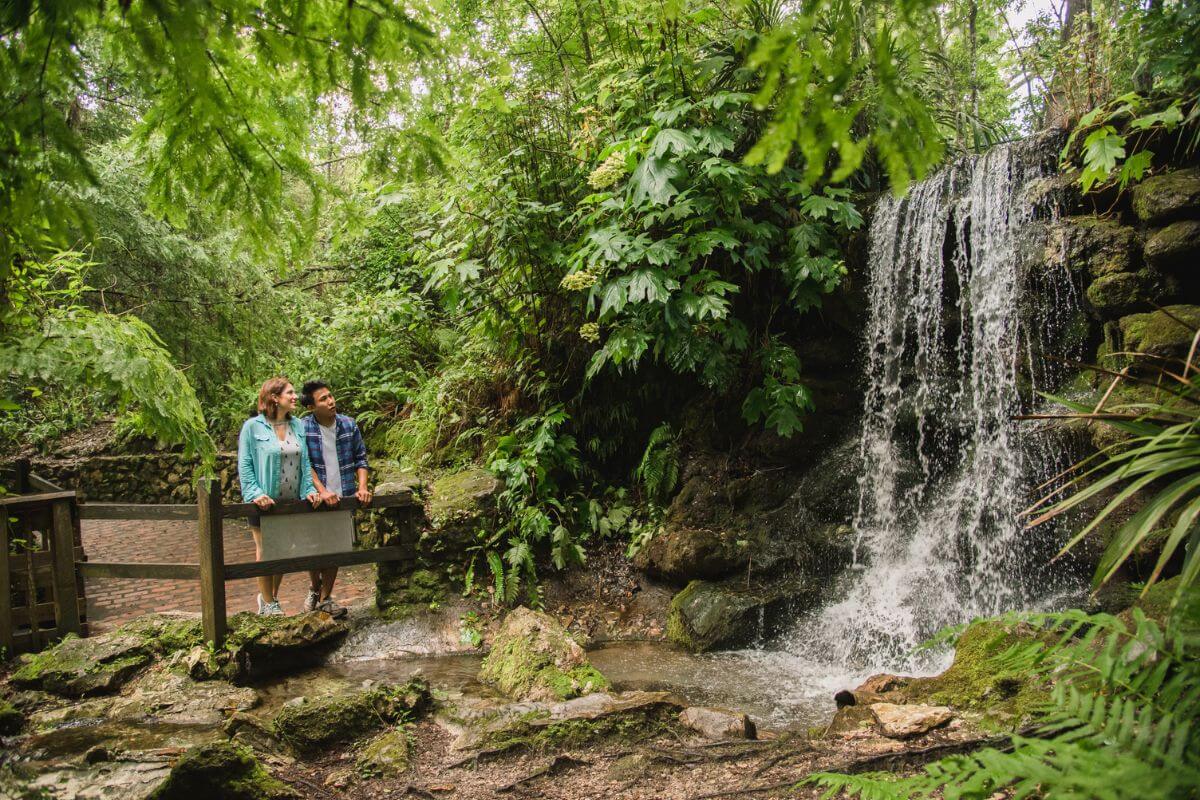
Jungle waterfall displays amid 1930s-era gardens
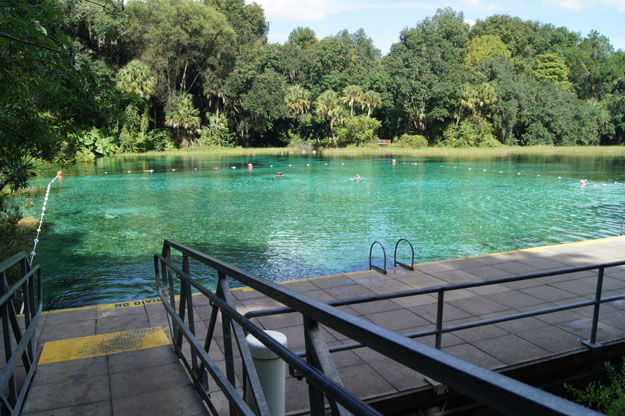
Swimming, snorkeling, tubing, paddling
Hidden Waters Preserve
Eustis (Central)
Natural / Karst
Spring-fed stream dropping into a sinkhole
Hiking, wildlife observation, environmental study
Boonie Falls
Oviedo (Central East)
Natural
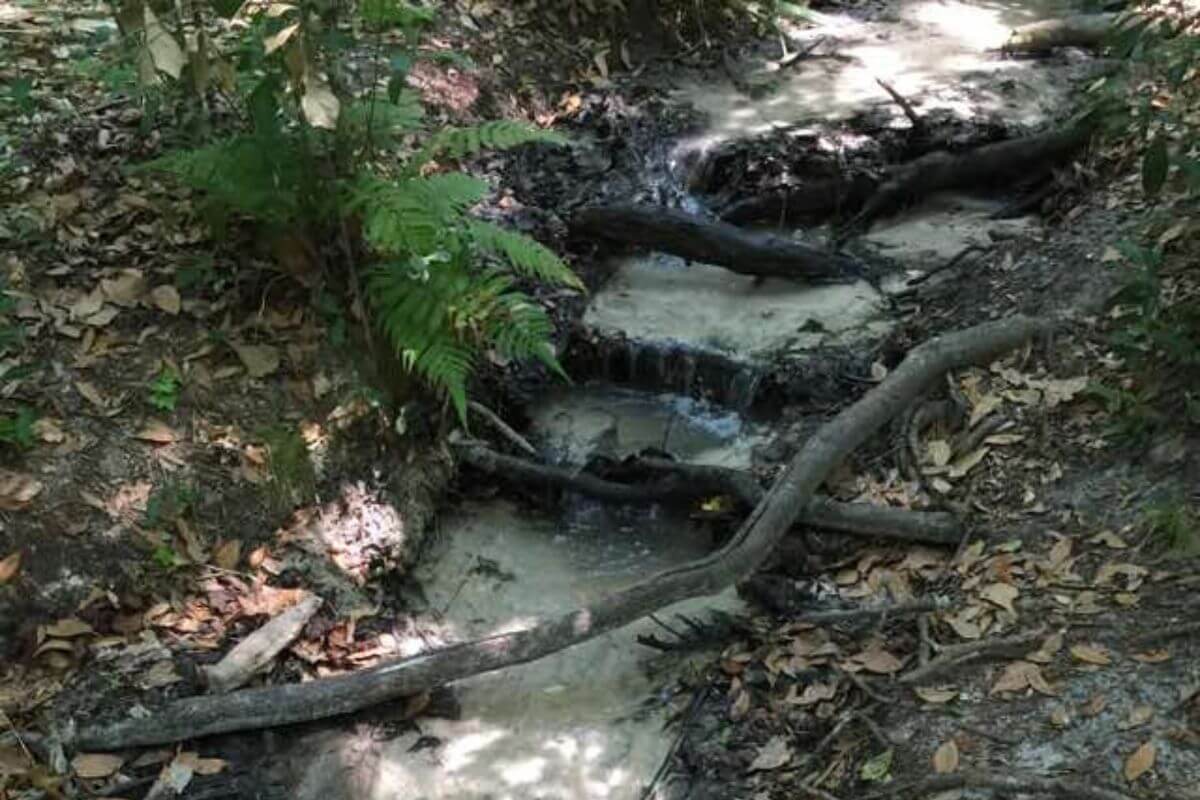
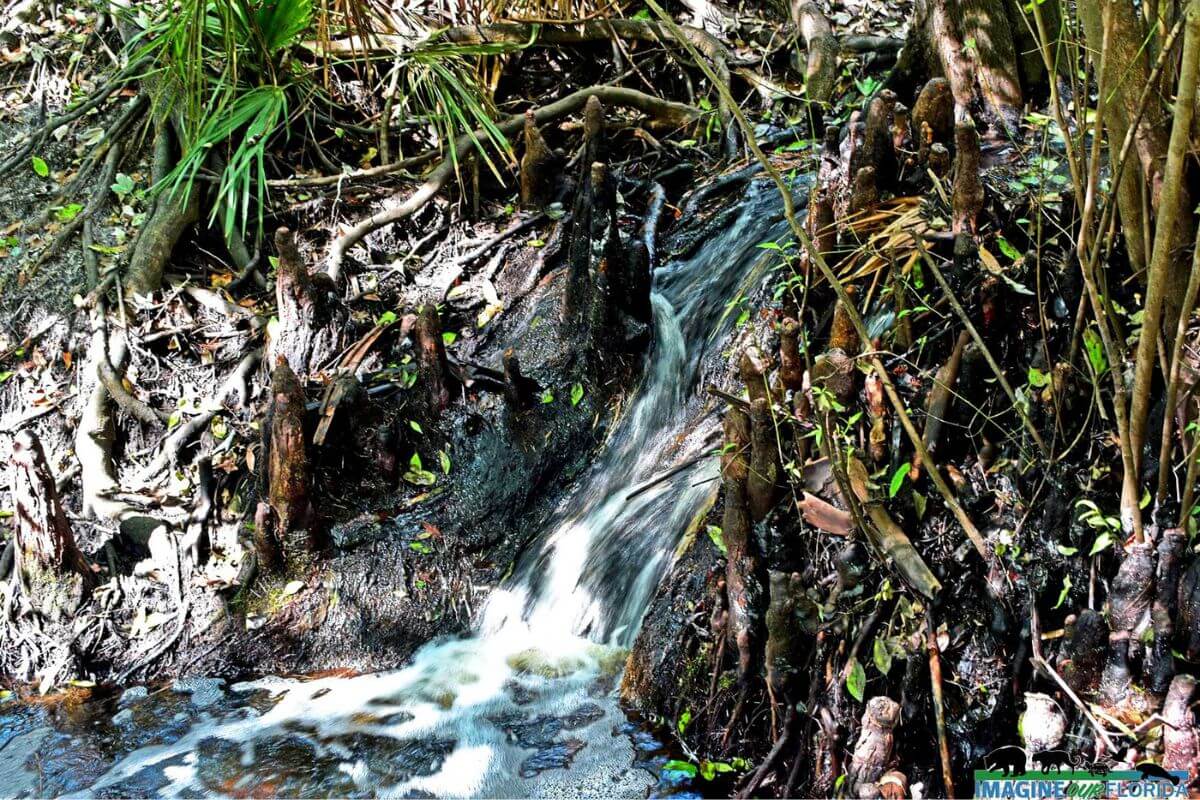
Small hidden stream waterfall along the Econlockhatchee River
Backcountry hiking, trail running
Morikami Japanese Gardens
Delray Beach (Southeast)
Man-made
Engineered garden cascades integrated into koi ponds
Cultural exploration, garden strolls, photography
Hydrological Behavior and Seasonal Variations
Unlike mountainous regions where snowmelt guarantees steady spring runoff, Florida’s waterfall flow rates are intimately tied to seasonal precipitation cycles.
The Rainy Season (June through September): Tropical storms, afternoon convective thunderstorms, and seasonal hurricanes dramatically swell local water tables and river levels. During these months, natural waterfalls experience peak flow, offering the most dramatic visual and auditory experiences.
The Dry Season (November through April): Lower rainfall totals can cause smaller stream-fed waterfalls—such as Boonie Falls or seasonal runs in regional forests—to slow to a mere trickle or dry up entirely. Visitors planning a waterfall road trip are strongly advised to check recent local weather reports and park advisories to ensure optimal viewing conditions.
Official Statements & Expert Guidance
State land managers, park rangers, and conservation authorities emphasize that exploring Florida’s water features requires a balanced approach to recreation and environmental stewardship.
According to representatives from the Florida Department of Environmental Protection (FDEP), managing foot traffic around sensitive karst formations is a top priority:
"The geological features that create our state’s unique waterfalls—sinkholes, limestone outcroppings, and fragile streambeds—are remarkably dynamic yet vulnerable to human disruption. We urge all visitors to remain on designated boardwalks and marked hiking trails. Staying on the path not only protects you from uneven terrain and hidden drop-offs, but it also preserves the delicate native flora and fauna that rely on these pristine riparian zones."
Local conservation groups, such as the Lake County Water Authority (LCWA), echo these sentiments regarding suburban nature preserves:
"Places like Hidden Waters Preserve bridge the gap between urban life and wild Florida. These micro-ecosystems act as natural filters for our drinking water while providing sanctuaries for migratory birds and native reptiles. When hikers practice ‘Leave No Trace’ principles, they ensure these hidden urban oases remain vibrant for generations to come."
Future Outlook: Conservation, Ecotourism, and Climate Resilience
As Florida’s population continues to expand rapidly, welcoming thousands of new residents and millions of tourists annually, the future of these natural and engineered water features depends heavily on proactive environmental planning and sustainable tourism initiatives.
Combating Urban Encroachment
Many of Florida’s lesser-known waterfalls—particularly those located within municipal preserves or state forests near expanding metropolitan areas—face increasing pressure from suburban development. Runoff from impervious surfaces (pavement, rooftops) can alter natural hydrological cycles, causing flash flooding that erodes stream banks or, conversely, depleting the aquifers that feed spring-fed cascades.
In response, regional water management districts are investing heavily in buffer zone acquisition, restoring native wetlands surrounding key watersheds to naturally filter stormwater before it reaches vulnerable sinkholes and riverbeds.
The Rise of Ecotourism and Educational Programming
Ecotourism has emerged as a powerful economic and conservation tool in Florida. Rather than promoting mass-market tourism, state parks and private cultural centers are increasingly focusing on educational outreach—teaching visitors about the interconnected nature of the Floridan Aquifer, karst geology, and regional biodiversity.
Interactive exhibits, ranger-led eco-tours, and digital trail guides are helping cultivate a deeper respect for Florida’s inland wilderness. By shifting traveler mindsets away from the coastal beaches and toward the interior hills and river basins, conservationists hope to build a broader coalition of advocates dedicated to protecting the entirety of the state’s natural landscape.
Essential Preparation Guide for Your Florida Waterfall Expedition
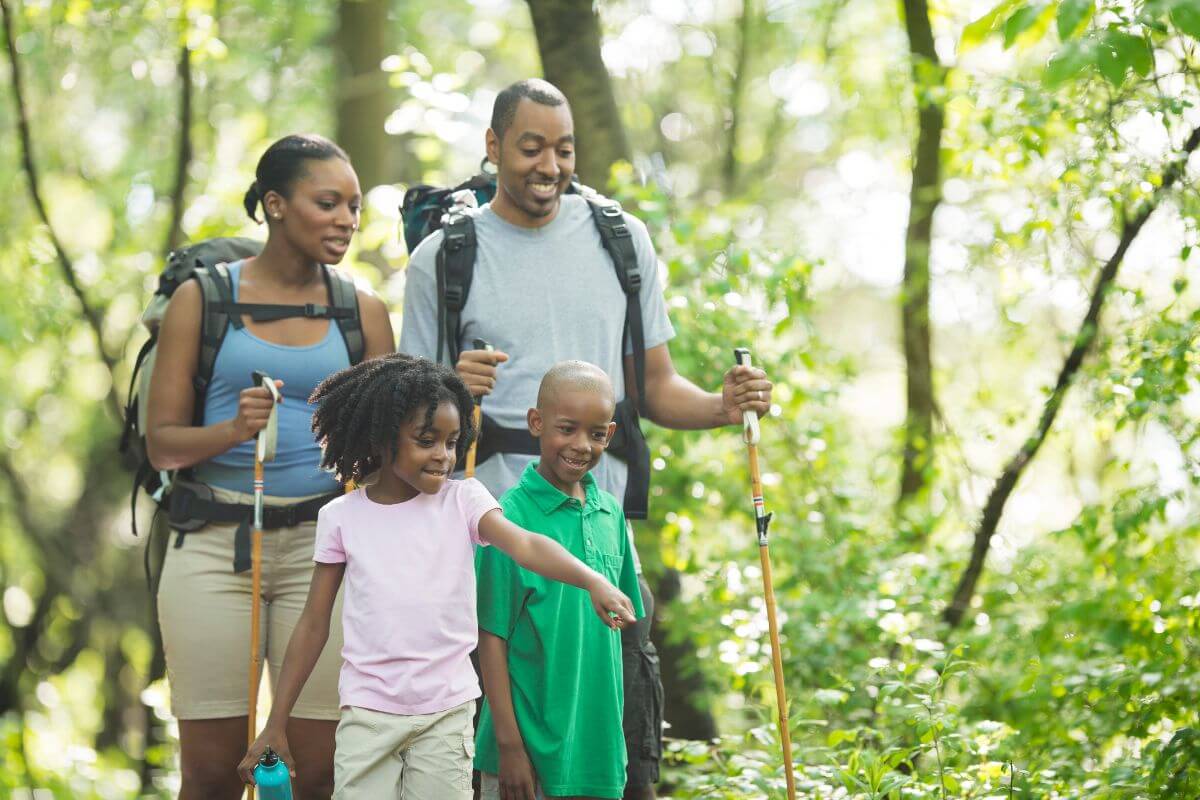
Before packing your bags and setting out on a Sunshine State road trip, proper preparation ensures a safe, rewarding experience.
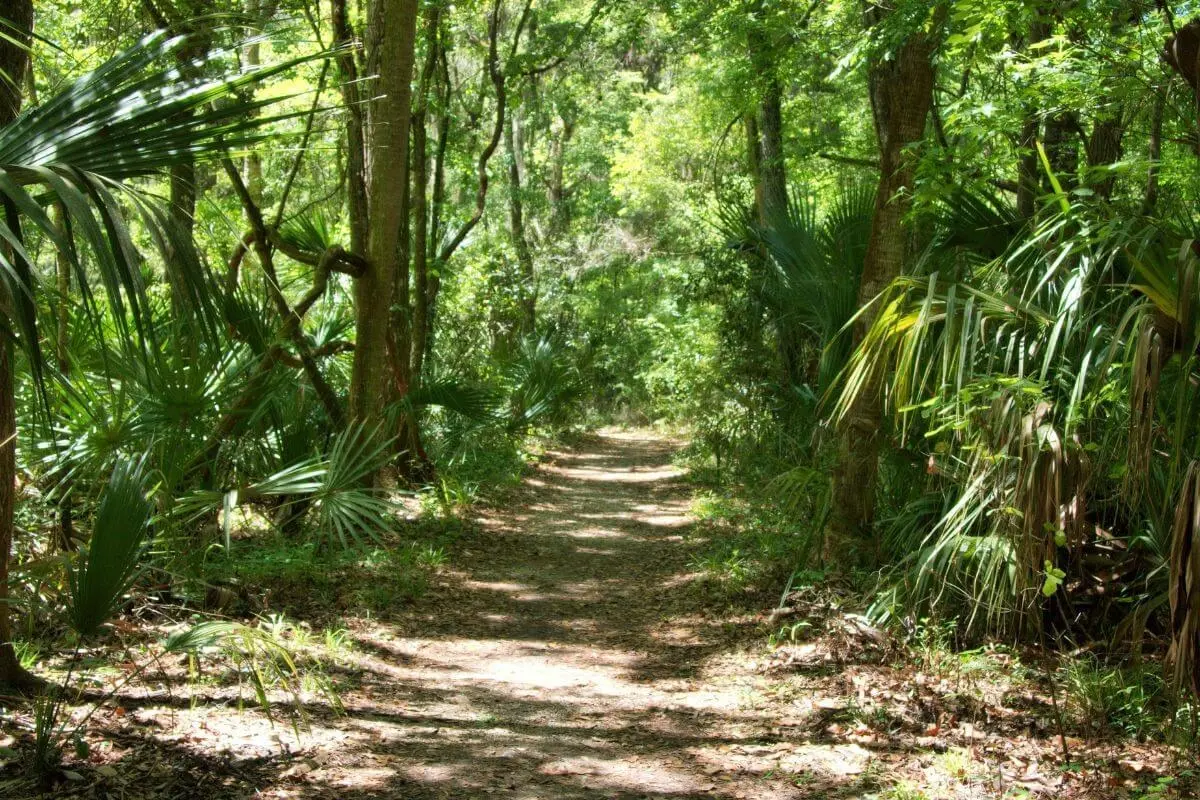
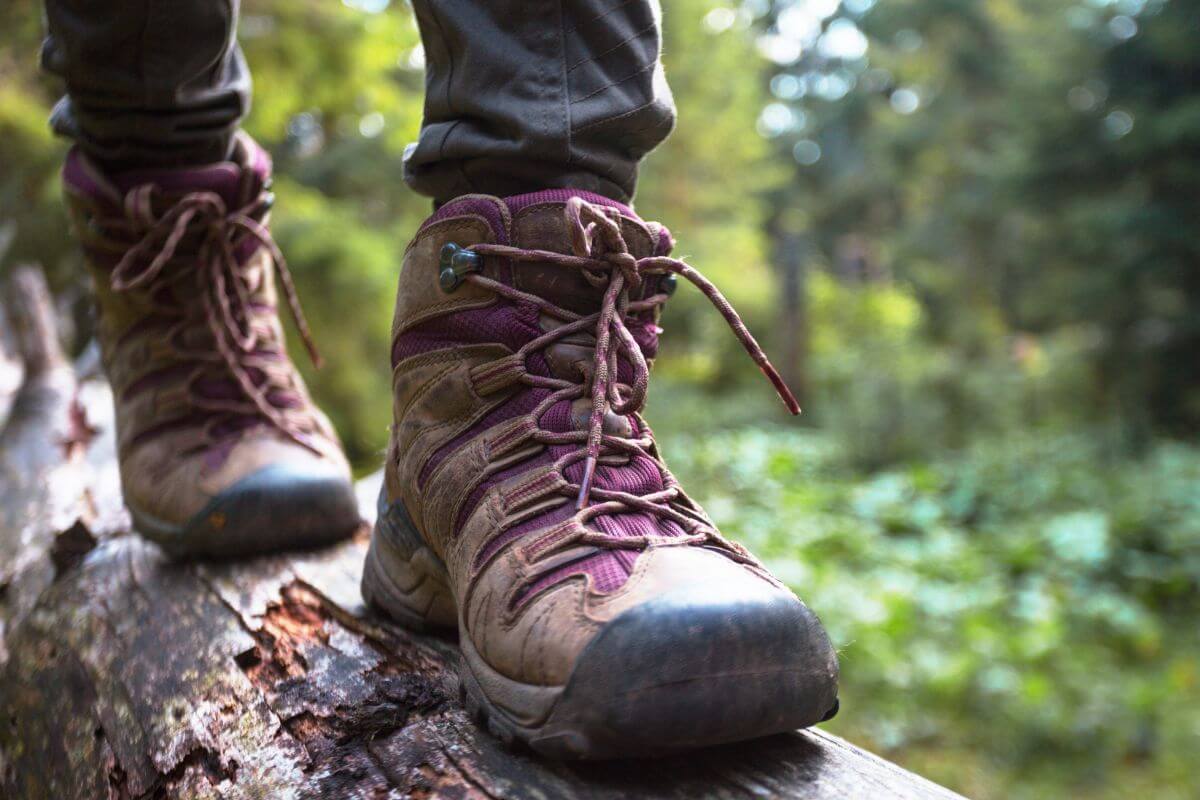
Invest in Proper Footwear: Florida hiking trails often transition from dry sandy soil to damp, muddy riverbanks and slippery limestone rocks near waterfalls. Sturdy hiking shoes or boots with high-traction soles are mandatory.
Pack Climate-Appropriate Gear: Subtropical humidity and biting insects are constants in Florida’s wooded preserves. Always pack EPA-registered insect repellent, high-SPF sunscreen, and breathable, moisture-wicking clothing.
Hydration is Key: Even during the milder winter months, extended hikes require ample drinking water and lightweight snacks to maintain energy levels.
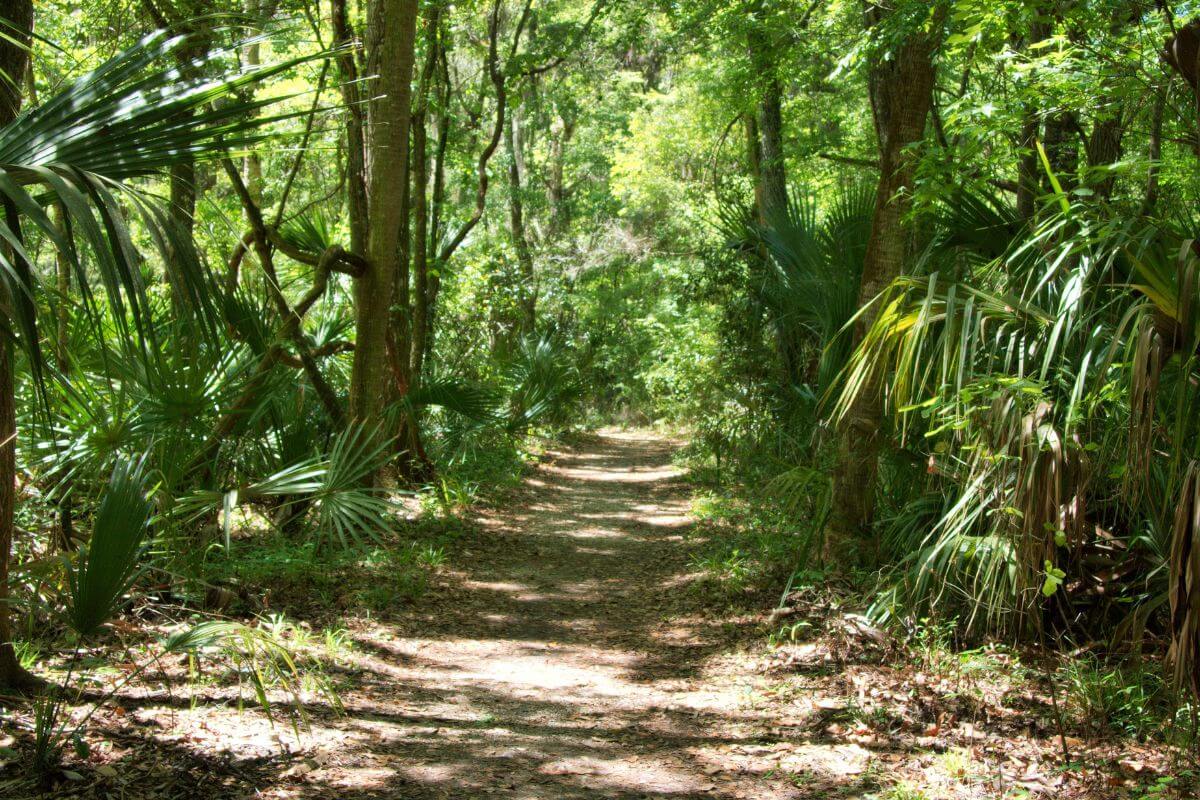
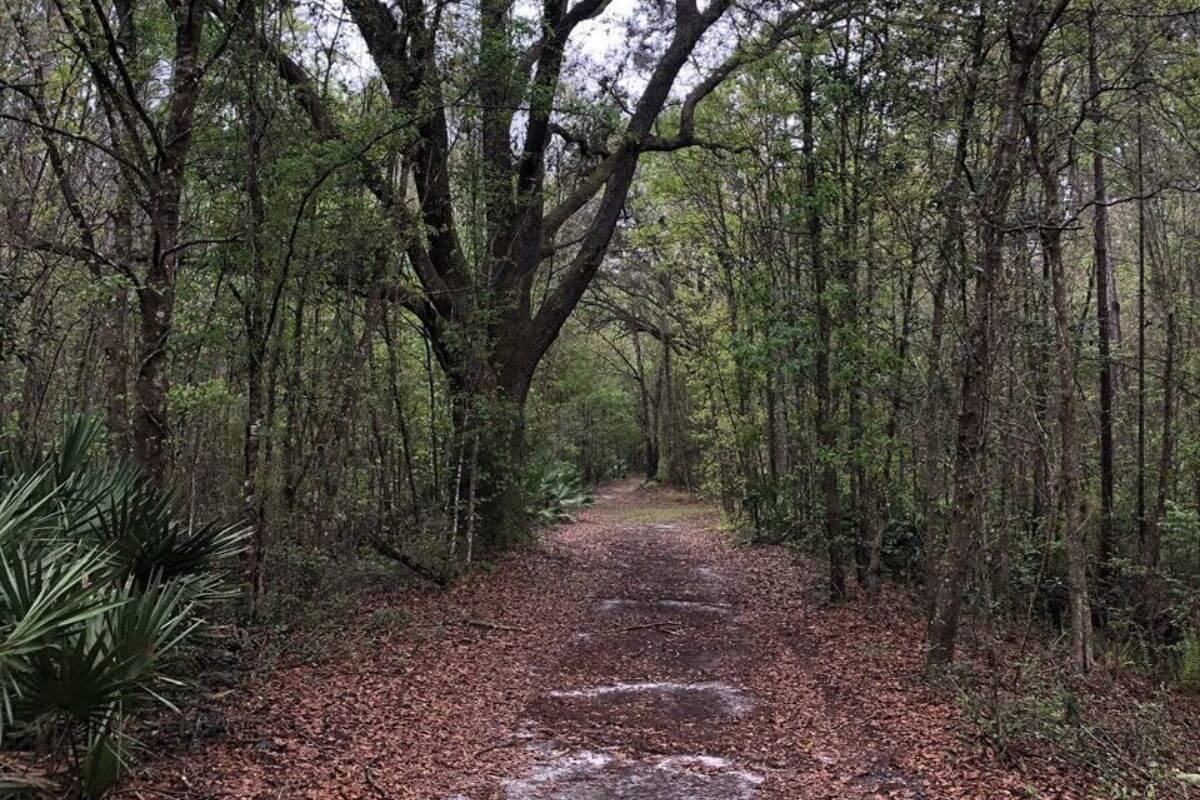
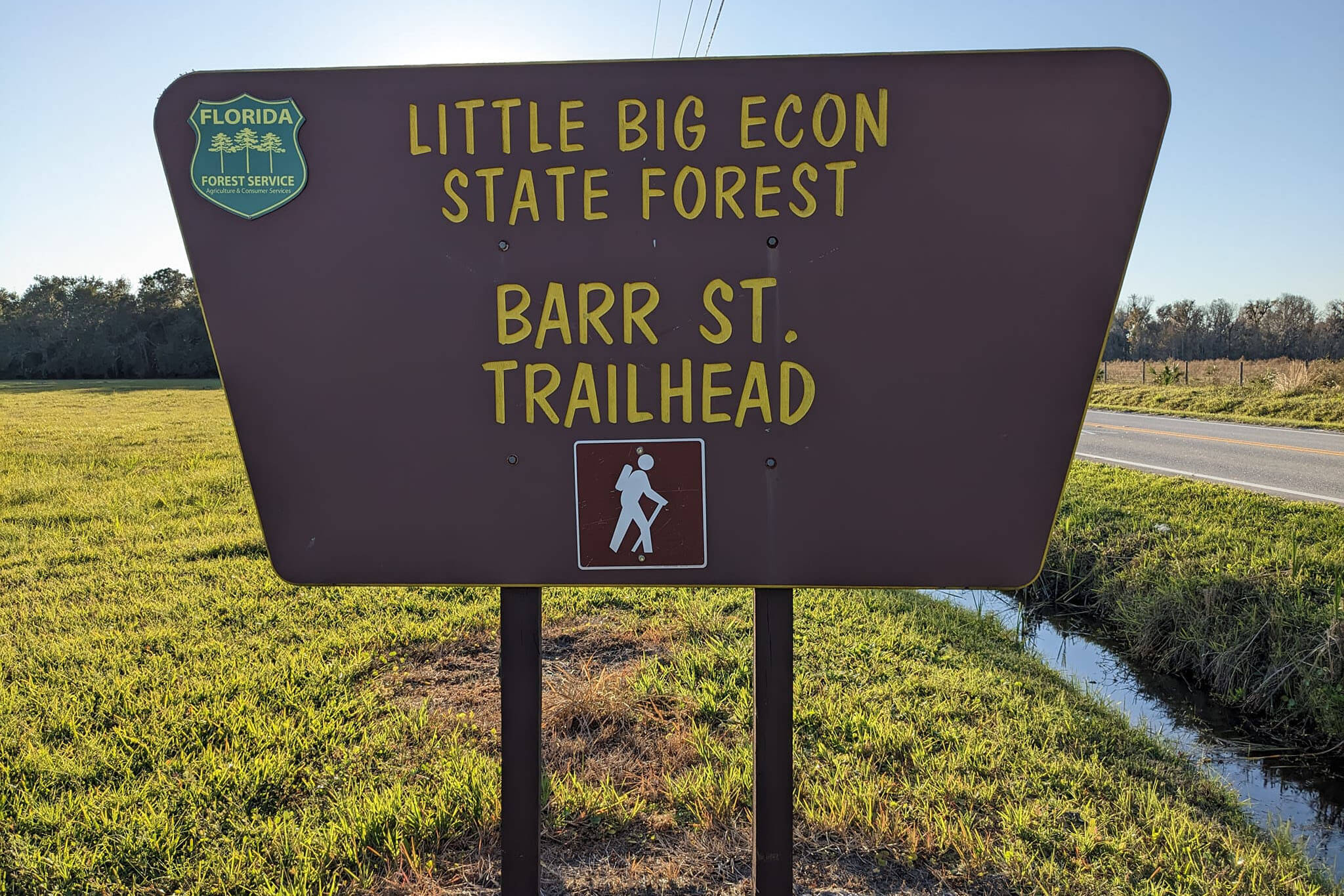
Inform Someone of Your Itinerary: When exploring remote state forests or lesser-known trailheads (such as those leading to Boonie Falls or Bulls Bay), always share your planned route and expected return time with a trusted contact.
Respect Wildlife: Florida’s waterways and forests are home to native wildlife, including alligators, snakes, and various wading birds. Maintain a respectful distance, never feed wildlife, and always give animals a clear path of retreat.
By combining thorough preparation with an adventurous spirit, travelers will discover a side of Florida that defies expectations—proving that the Sunshine State’s natural beauty extends far beyond the shoreline.




0 Comments