
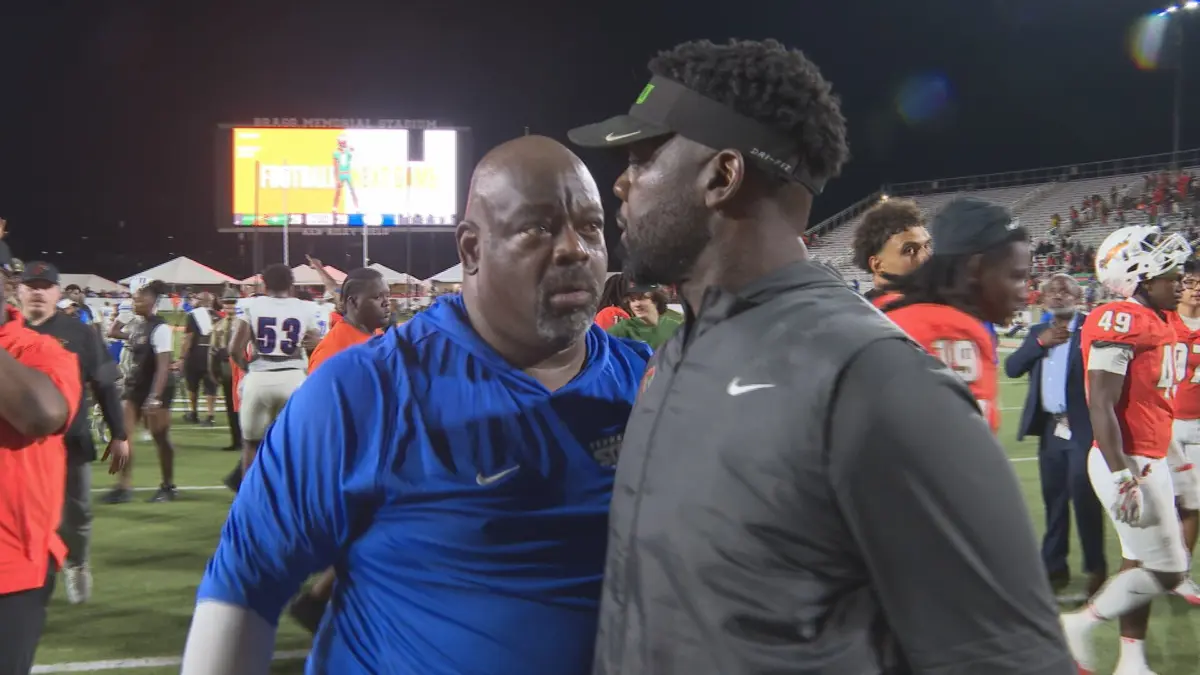

TALLAHASSEE, Fla. — In a stunning afternoon of collegiate football that showcased both the glorious pageantry and the unforgiving volatility of Historically Black Colleges and Universities (HBCU) athletics, the renewed historic rivalry between the Florida A&M University (FAMU) Rattlers and the Tennessee State University (TSU) Tigers delivered a cinematic thriller at a rowdy, packed-to-the-brims Bragg Memorial Stadium.
When the final whistle echoed across the Tallahassee turf, it was the visiting Tigers who emerged victorious, handing the Rattlers a devastating 29-26 defeat. This latest chapter in a storied rivalry—dating back to the 1950s but contested on the gridiron for the first time since 2017—pushed FAMU’s early-season resilience to the absolute breaking point.
For head coach Quinn Gray Sr. and his squad, the contest was meant to serve as a stabilizing, cathartic antidote to a grueling, emotionally draining week at Hard Rock Stadium, where the Rattlers dropped a pair of tough matchups. Entering Saturday’s clash, FAMU was eager to level its 2026 record at .500 against a struggling TSU outfit that rolled into the state capital searching for its first victory of the season at 0-3. Instead, the game transformed into a cautionary tale of squandered opportunities, special teams volatility, and execution breakdowns that ultimately cost the Rattlers a game they led deep into the fourth quarter.
The loss exposes deeper, systemic fissures within the FAMU program that head coach Quinn Gray Sr. did not attempt to mask during an extraordinarily candid, impassioned post-game media session. As the Rattlers pivot away from non-conference turbulence and prepare to plunge into the rigorous waters of Southwestern Athletic Conference (SWAC) play, the reverberations of this 29-26 loss will likely echo through the locker room, the practice fields, and the athletic department offices for weeks to come.
Detailed Chronology: A Quarter-by-Quarter Breakdown of the Tallahassee Thriller
First Quarter: Exchanging Early Blows
The atmosphere inside Bragg Memorial Stadium crackled with anticipation as the opening kick soared through the Florida humidity. FAMU, determined to establish an early physical tone after their difficult trip to Hard Rock Stadium, immediately put their offensive ambitions on display.
Operating with sharp rhythm and precise play-calling, the Rattlers marched down the field with authoritative efficiency. Quarterback Dustin Fletcher orchestrated an opening drive that dissected the Tennessee State defense, culminating in a pristine red-zone possession. Fletcher locked onto receiver Malik Denmark, threading a needle for a touchdown that sent the partisan home crowd into a frenzy and staked FAMU to an early 7-0 lead.
However, the winless Tigers showed immediate poise, refusing to fold under the early pressure. TSU quarterback Daylin Lee settled into the pocket and began diagnosing the Rattlers’ secondary. On their responding drive, Lee found a glaring void in the coverage, hitting wide-open receiver Brenton Paul in stride in the end zone. The extra point knotted the score at 7-7, silencing the celebratory chants and signaling that this renewal of a classic rivalry would be a heavyweight prize-fight.
Second Quarter: Momentum Swings and Special Teams Woes
As the defensive units began to settle into assignments, the second quarter transformed into a tactical chess match characterized by hard-hitting stops and field position battles. Both teams traded punishing blows in the trenches, disrupting running lanes and forcing punts.
Yet, explosive plays remained the great equalizer. Midway through the frame, TSU caught the Rattlers napping on a deep shot. Lee unleashed a beautifully arced deep ball down the sideline, connecting with receiver Cam Bulluck. Bulluck completely out-maneuvered his assigned cornerback, hauling in the reception and rumbling all the way down to the FAMU 2-yard line before being hauled down. Moments later, the Tigers punched it across the goal line to seize the lead. However, early warning signs of special teams instability emerged for TSU when a blocked extra point kept their advantage at a narrow 13-7.
FAMU answered right back before the halftime intermission. Displaying extraordinary grit, Malik Denmark struck for the second time in the half—though this time out of the backfield. Taking a tough handoff, Denmark absorbed a bone-crushing hit from a TSU linebacker, kept his balance through sheer determination, stayed on his feet, and crossed the pylon for a momentum-shifting score. Unfortunately, the game’s nagging special teams curse struck the hosts as well; FAMU missed the ensuing extra point, sending the two exhausted squads into the locker rooms deadlocked at 13-13.
Third Quarter: A Stalemate in the Trenches
The third quarter opened with both coaching staffs making aggressive adjustments. The defenses stiffened significantly, turning the contest into a gritty, ground-and-pound affair. FAMU and TSU traded impressive scoring drives, matching each other blow for blow as the physical toll of the afternoon began to mount.
The Rattlers’ offensive line fought valiantly to carve out yardage for their playmakers, while the TSU defense dialed up exotic blitz packages to disrupt Dustin Fletcher’s timing. By the time the quarter expired, neither team had managed to establish a definitive upper hand, leaving the scoreboard dead even and setting the stage for a dramatic, high-stakes fourth quarter where every single possession would carry championship-level weight.
Fourth Quarter: Chaos, Lightning Strikes, and Heartbreak
The final fifteen minutes of regulation encapsulated the very best and worst of college football. Mid-way through the frame, with the score deadlocked at 20-20, FAMU’s special teams unit appeared to deliver the definitive turning point of the game. TSU trotted onto the field looking to take the lead via a mid-range field goal attempt, but the Rattlers’ rush unit surged through the line, getting a hand on the kick and blocking it cleanly to preserve the tie.
The defensive stop immediately triggered a lightning-fast offensive explosion. On the very next play from scrimmage, FAMU caught the Tigers’ defense completely flat-footed. Fletcher dumped off a quick screen pass to Jaquan Lee, who caught the ball in space, picked up a convoy of downfield blockers, and turned the short pass into a breathtaking, tackle-breaking 80-yard house call. Bragg Memorial Stadium erupted as the Rattlers reclaimed the lead at 26-20 with just over five minutes remaining.
Yet, football is a game of razor-thin margins. On the ensuing extra-point attempt, the kick was blocked, scooped up by a alert TSU special teams unit, and brilliantly returned all the way for a rare, highly improbable defensive two-point conversion. Instead of holding a comfortable seven-point cushion, FAMU’s lead was suddenly trimmed to 26-22 with 5:12 left on the clock.
That defensive conversion served as the catalyst for TSU’s game-winning heroics. With the clock winding down to the final minute, Daylin Lee engineered a methodical, clutch two-minute drill. Finding holes in the exhausted FAMU secondary, Lee once again hooked up with Brenton Paul, connecting on a go-ahead touchdown pass that stunned the home crowd and put the Tigers ahead 29-26.
FAMU had one final opportunity to orchestrate a dramatic counter-punch, but the clock and a desperate TSU defense proved insurmountable. The final whistle sounded, sealing a heartbreaking defeat for the Rattlers.
Supporting Context & Metrics: Analyzing the Numbers Behind the Collapse
While the final score will forever read 29-26 in favor of Tennessee State, a granular analysis of the game’s underlying metrics illuminates precisely how a win slipped through FAMU’s fingers.
Special Teams: The Ultimate Difference-Maker
In modern football, special teams are frequently labeled the "third phase," but on this humid Tallahassee afternoon, they served as the primary theater of war. Both teams struggled immensely with consistency in the kicking game, but the cumulative impact of TSU’s defensive two-point conversion cannot be overstated.
When FAMU blocked the TSU field goal to maintain a 20-20 tie, the stadium momentum was firmly in the hands of the Rattlers. The subsequent 80-yard screen pass touchdown by Jaquan Lee should have effectively put the game out of reach, forcing TSU to score a multi-score deficit. However, the blocked extra point and subsequent defensive return completely altered the arithmetic of the game. Cutting the lead to four points (26-22) transformed what should have been a two-possession game into a standard one-possession game, empowering TSU to execute a traditional game-winning touchdown drive rather than needing to press for an onside kick or desperate deep shots.
Offensive Explosiveness vs. Consistency
Offensively, FAMU demonstrated moments of breathtaking brilliance. Dustin Fletcher engineered a highly efficient passing attack, while Malik Denmark proved to be an absolute matchup nightmare, contributing heavily through both the air and on the ground. The 80-yard catch-and-run by Jaquan Lee underscored the sheer athletic upside residing within the Rattlers’ skill-position corps.
However, these explosive flashes masked underlying inconsistencies in sustained drives, particularly in the third quarter when the offense bogged down against TSU’s front seven. The inability to salt away the clock in the fourth quarter when holding a narrow lead ultimately placed an unsustainable burden on a tiring FAMU defense.
Official Statements: Coach Quinn Gray Sr. Doesn’t Mince Words
In the immediate aftermath of the crushing defeat, FAMU head coach Quinn Gray Sr. stepped to the podium and delivered one of the most blistering, unfiltered post-game press conferences in recent program history. Visibly frustrated and deeply reflective, Gray refused to hide behind standard coaching clichés, directly challenging the work ethic, preparation, and dedication of his roster.
"There’s no way you can do the things during the week that you do and expect to show up on Saturday’s," Gray stated bluntly, addressing the media with severe gravity. "We got to fix that as coaches and we going to fix it because we going to play the kids that actually want to be here and actually want to do things the right way. I’m sick and tired of giving kids chance after chance after chance."
The second-year head coach—who understands the immense historical weight of leading the Rattlers—emphasized that the accountability gap originates long before kickoff, taking root in the mundane, unglamorous hours of weekly practice.
"I know I might get in trouble for saying what I’m saying, but at the end of the day, these kids have our livelihoods in their hands. And at the end of the day, they got to perform when their time comes," Gray continued, his voice carrying the weight of a program striving for elite status. "What happens is they get in practice and they don’t think it’s important and it’s more important than they actually think. And we’re trying to get them to realize that. But at the end of the day, it’s going to take time for us to get them going where we want them to go."
Gray’s unfiltered remarks signal an impending cultural reckoning within the FAMU locker room. By publicly drawing a definitive line in the sand, the coaching staff has signaled that the leash for underperforming players—regardless of recruiting pedigree or past production—has officially run out.
Future Outlook: Rebounding for SWAC Play
As the sun sets on a painful Saturday at Bragg Memorial Stadium, the Florida A&M Rattlers do not have the luxury of wallowing in self-pity. The competitive demands of the collegiate football calendar march relentlessly onward, and a much larger, more consequential chapter of the 2026 season is looming on the immediate horizon.
Next Saturday, the Rattlers will officially turn the page from non-conference turbulence and open Southwestern Athletic Conference (SWAC) play at home, welcoming the Alabama A&M Bulldogs to Tallahassee.
Conference play carries an entirely distinct set of implications. While non-conference losses to teams like Tennessee State sting deeply from a regional and historic pride perspective, SWAC contests directly impact conference standings, championship aspirations, and postseason qualification.
If Coach Gray’s post-game warning serves its intended purpose, the upcoming week of practice in Tallahassee will be characterized by intense internal competition, rigorous accountability, and fundamental corrections, particularly on special teams and in late-game execution. The Rattlers possess the raw athletic talent to compete with any program in the country, as evidenced by their explosive scoring plays against TSU. However, bridging the gap between raw talent and disciplined, week-long execution will determine whether the 2026 campaign evolves into a championship pursuit or a season of unfulfilled promise.
As FAMU prepares to host Alabama A&M, the entire HBCU football landscape will be watching to see how the Rattlers respond to adversity—and whether Coach Gray’s hard-hitting words successfully galvanized a proud program back onto the path of victory.

0 Comments