South Carolina’s Sea Islands possess a magnetic, timeless quality—a distinct alchemy of serene salt marshes, gentle tidal breezes, and a deliberate deceleration of everyday life that has historically captivated travelers and settlers alike. For Jake and Hilah Schutt, full-time residents of San Francisco, the American South has always held a deep, sentimental resonance. Hilah spent formative childhood summers combing the windswept beaches of Pawleys Island, while Jake carries fond, enduring memories of sailing the expansive waters off Maryland’s Eastern Shore and spending protracted seasons on his family’s agricultural homestead in Alabama.
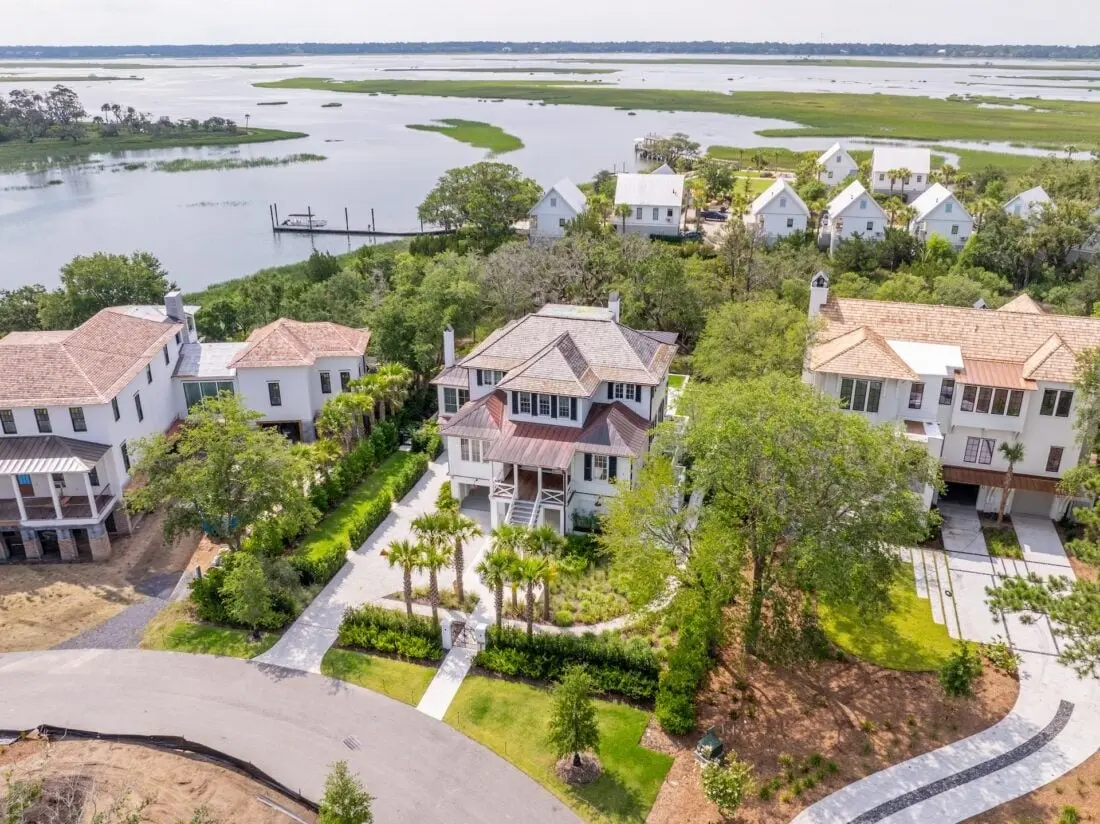
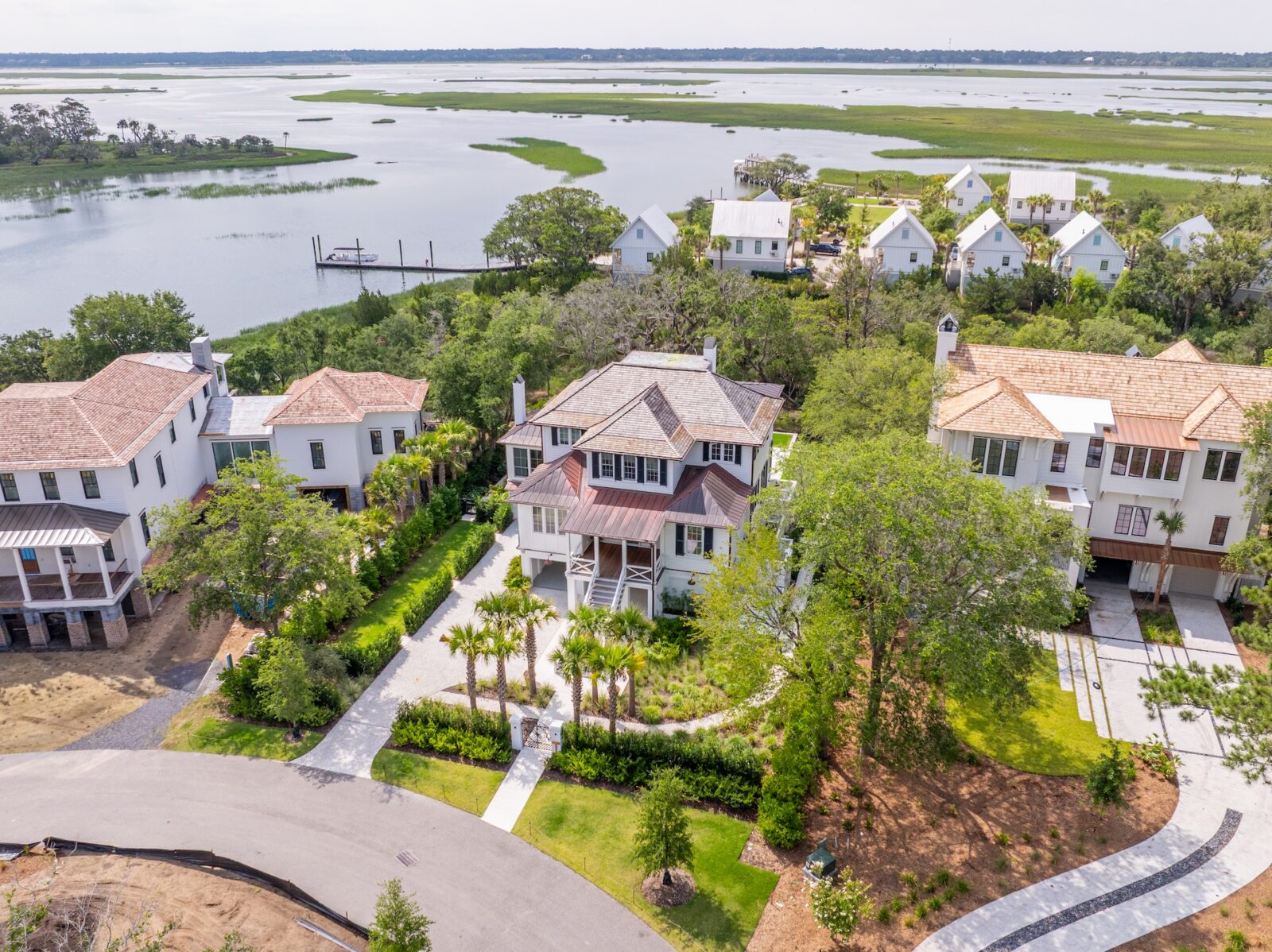
When the couple decided to plant a permanent East Coast flag, they naturally gravitated toward the Charleston area. Their search ultimately led them to Kiawah River, a sprawling 2,000-acre waterfront sanctuary nestled within the Lowcountry. In mid-2025, the Schutts officially moved into their custom-built dream home—a residence meticulously tailored to their passions as avid outdoor enthusiasts, passionate bird-watchers, and naturalists.
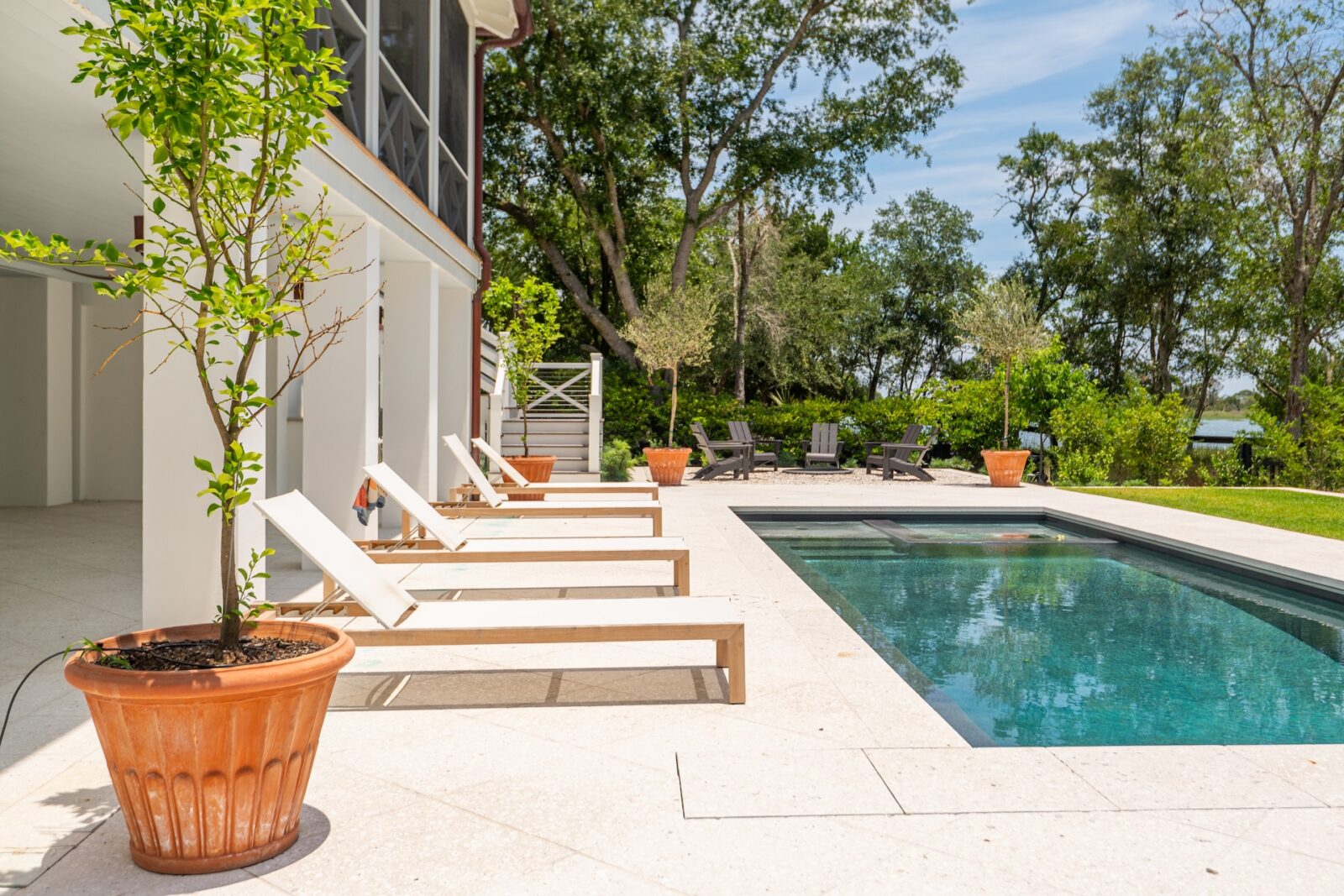
Executed from 3,000 miles away, the architectural and building endeavor stands as a masterclass in long-distance remote design, executed by a powerhouse collaborative team including architect Beau Clowney, luxury custom builder Structures | Alair, landscape architectural firm Wertimer + Cline, and interior design studio McLaurin Parker. Today, the Schutts’ residence serves as both an immersive observation deck for the region’s breathtaking biodiversity and a functional, unpretentious hub for casual entertaining, proving that thoughtful placemaking can seamlessly bridge the vast geographic divide between the West Coast and the South Carolina lowlands.
Detailed Chronology: From Digital Discovery to Lowcountry Reality
The Spark of Inspiration (2021)
The journey to Kiawah River began not through a high-pressure real estate brokerage or a traditional scouting trip, but via a serendipitous digital recommendation. In 2021, a close friend of the Schutts emailed them a link to the fledgling Kiawah River website, noting intuitively that the master-planned community’s ethos matched the couple’s deep appreciation for open spaces and environmental stewardship.
At the time, Kiawah River was largely a conceptual blueprint. Yet, the seed was planted. Intrigued by the promise of low-impact waterfront living, Jake and Hilah boarded a flight from San Francisco to Charleston to witness the property firsthand. The physical landscape of the Sea Islands immediately validated their friend’s intuition. Within months, the couple returned to the Lowcountry, officially securing the specific homesite that would eventually anchor their architectural vision.
Designing Across the Continent (2022–2024)
Conceiving, designing, and constructing a custom home from a distance of three thousand miles typically invites logistical friction and structural anxiety. However, the Schutts navigated this labyrinth by assembling a world-class team of local professionals who specialized in Lowcountry vernacular and environmentally sensitive construction.
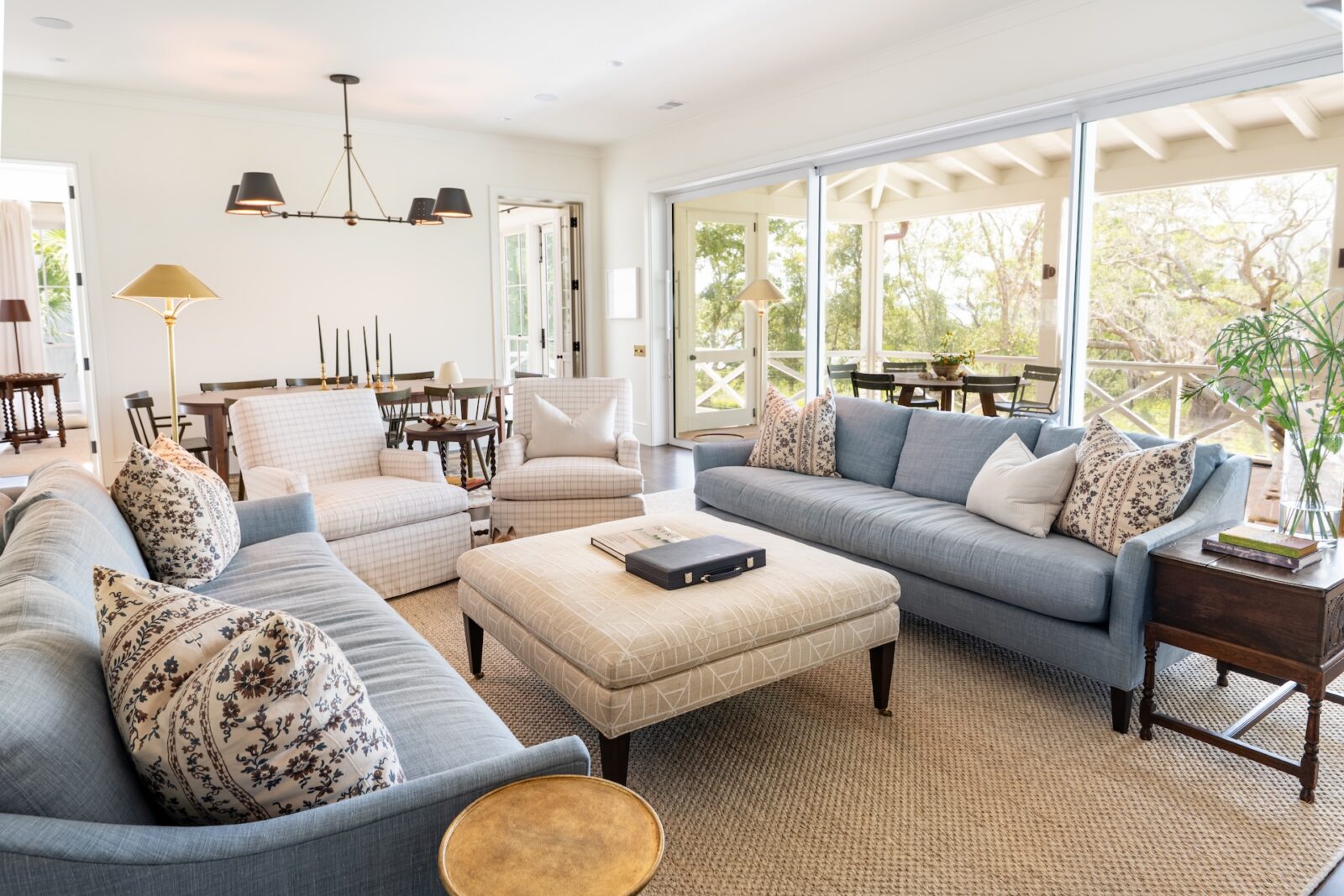
The collaborative design phase brought together visionary architect Beau Clowney, renowned luxury builders Structures | Alair, landscape artists Wertimer + Cline, and the interior specialists at McLaurin Parker. The collective mandate was clear: create a comfortable, highly functional space optimized for casual entertaining that remained resolutely unpretentious—eschewing anything "too precious" in favor of natural materials that could withstand both high-traffic social gatherings and the humid, saline environment of the tidal basin.
By prioritizing transparent communication and placing absolute trust in their local partners, the Schutts bypassed the traditional friction points of remote building. The project progressed smoothly through schematic design, municipal permitting, and ground-up construction, ultimately finishing under budget and directly aligning with the couple’s aesthetic and operational expectations.
Move-In and the New Lowcountry Rhythm (Mid-2025 to Present)
By mid–2025, the physical structure was complete, and the Schutts completed their transition from bi-coastal dreamers to active Kiawah River residents. Rather than easing slowly into community integration, the couple immediately anchored their daily routines in the natural rhythms of the surrounding ecosystem.
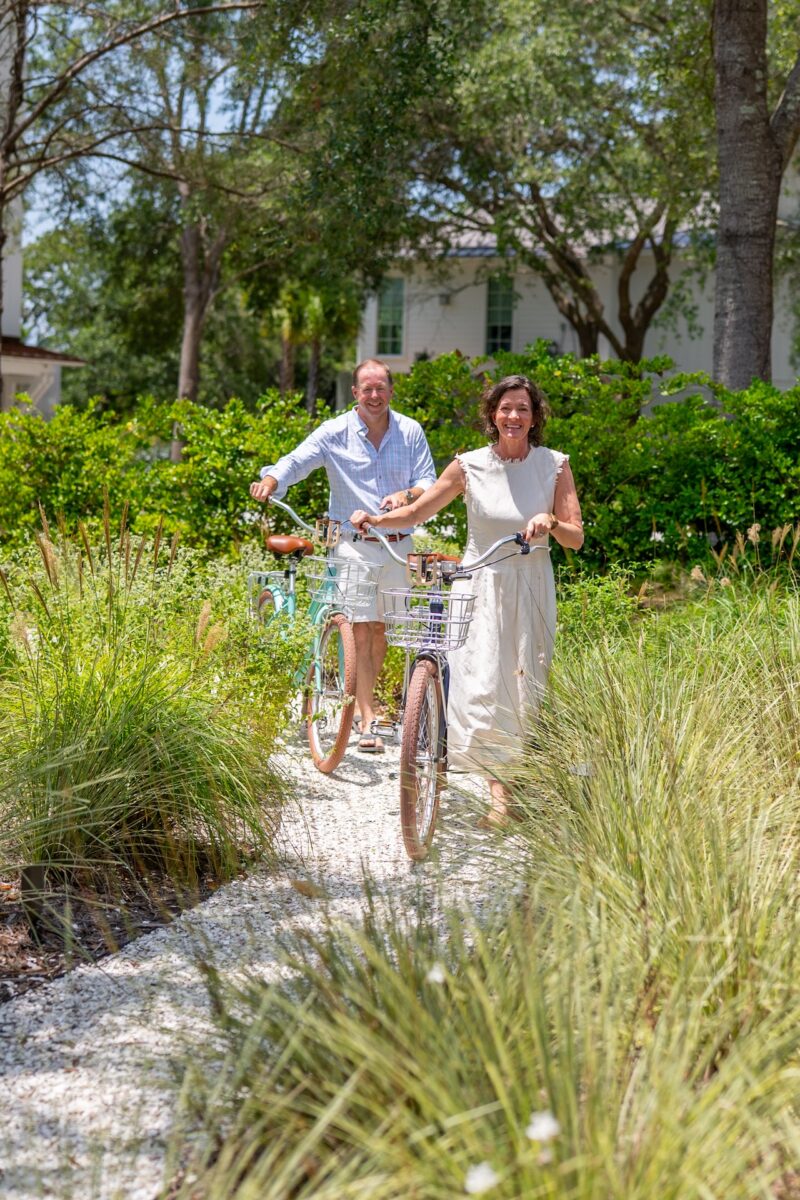
Whether waking up before dawn to navigate the winding tidal creeks on their flats boat, pedaling their bicycles to the community farm stand for fresh local produce, or hosting impromptu neighborhood gatherings, the Schutts integrated seamlessly into the cultural fabric of Kiawah River. Their home serves not merely as a vacation retreat, but as an active observation post for the region’s extraordinary ecology—marking a successful culmination of a four-year real estate journey.
Supporting Context & Metrics: The Kiawah River Ecosystem
To fully understand the context of the Schutts’ custom build, one must examine the unique environmental and spatial framework of Kiawah River itself. Spanning approximately 2,000 acres of pristine South Carolina waterfront, the community is intentionally designed to prioritize conservation, agricultural integration, and human wellness over high-density suburban sprawl.
Spatial and Environmental Metrics
Community Footprint: ~2,000 acres of protected waterfront, marshland, and maritime forest.
Trail Networks: More than 20 miles of dedicated walking, running, and biking trails threading beneath centuries-old live oaks and alongside winding tidal creeks.
Water Access: Deep-water access points, including the River Watch Deep Water Dock, enabling direct navigation into the rich estuarine ecosystems of the Sea Islands.
Neighborhood Amenities: The Spring House (a central wellness and aquatic hub) and close proximity to The Dunlin, Auberge Resorts Collection hotel, providing luxury accommodations for visiting friends and family.
Ecological Context
Unlike traditional master-planned developments where nature is manicured into submission, Kiawah River treats the surrounding ecosystem as an active neighbor. The local biome supports hundreds of distinct bird species, making it a premier destination for amateur and professional ornithologists alike. Residents regularly encounter:
Avian Life: Wood storks wading through marsh edges, bald eagles soaring above the tree line, ospreys diving for fish, and rare flashes of brilliant pink from visiting roseate spoonbills and vibrant painted buntings.
Marine and Terrestrial Wildlife: Bottlenose dolphins surfacing alongside recreational watercraft, river otters rippling through tidal creeks, blue crabs navigating the rich pluff mud, and white-tailed deer stepping quietly from the maritime forest edges at dusk.
Transportation and Mobility Culture
In keeping with the community’s low-impact philosophy, vehicular dependency is heavily minimized. While many residents utilize standard golf carts to navigate the expansive property, the Schutts famously lean into a distinct personal touch: they traverse the development in a dark blue 1976 Fiat—a memorable anniversary gift from Jake to Hilah that adds a touch of vintage charm to the modern Lowcountry landscape.
Official Statements & Design Insights
The success of the Schutts’ custom home is best understood through the perspectives of the homeowners themselves, who emphasize the harmonious alignment between their lifestyle goals and the reality of the community.
"We knew that Charleston was an area we wanted to focus on… [The community] was really different then. There was a lot that was still conceptual, but we liked the idea that we could really enjoy ourselves without ever having to get in our car."
— Hilah Schutt, Homeowner
The emphasis on walkability, cycling, and low-stress mobility forms the bedrock of the Kiawah River residential experience. By eliminating the necessity for daily automobile usage, residents are encouraged to slow down and engage directly with their environment.
"All of them are pros and made this a fun project. Our team all worked well together and came in under budget, and from the day we moved in, it felt better than we could have imagined."
— Jake Schutt, Homeowner
Jake Schutt’s praise highlights the critical importance of vetting regional partners when undertaking a remote build. By relying on the established expertise of Beau Clowney, Structures | Alair, Wertimer + Cline, and McLaurin Parker, the couple insulated themselves from the logistical nightmares that frequently plague out-of-state homebuilders.
The home’s architecture specifically maximizes these experiential dividends. Framed by expansive floor-to-ceiling windows, the primary living spaces dissolve the boundary between interior comfort and exterior wilderness. The crowning architectural feature—a traditional belvedere perched atop the roofline—serves as a private observatory. Here, the couple routinely begins their mornings with coffee and concludes their evenings tracking the dramatic color shifts of the sun setting over the tidal marsh.
"The marshes here are so spectacular. There’s just so much green and wildlife that you can access from the Kiawah River… It’s a chosen community, so there’s a lot of goodwill and camaraderie with everybody that we meet. It’s beautiful and it’s easy and we feel lucky to be there when we’re there."
— Jake and Hilah Schutt, Joint Statement
Future Outlook: The Evolution of Lowcountry Living
As master-planned communities across the American Southeast grapple with the competing demands of modern luxury development and ecological preservation, the trajectory of Kiawah River offers an instructive blueprint for the future. The successful integration of out-of-state residents like Jake and Hilah Schutt demonstrates that modern buyers increasingly value experiential wealth—defined by access to unspoiled nature, community camaraderie, and sustainable land stewardship—over sheer square footage or urban proximity.
Looking ahead, the ongoing maturation of Kiawah River—bolstered by hospitality anchors like The Dunlin and agricultural initiatives like the community farm stand—signals a permanent shift in how coastal developments will operate in the coming decades. Rather than walling off nature behind manicured lawns and gated perimeters, communities that embrace the surrounding ecosystem as an active participant will continue to attract discerning buyers seeking authentic regional connection.
For the Schutts, the future is anchored in the daily rhythms of the tide: early morning bird-watching from their rooftop belvedere, afternoon excursions on their flats boat as dolphins break the surface of the creek, and quiet evenings watching the marsh turn gold. Their custom home stands not merely as a physical structure on a 2,000-acre canvas, but as proof that home can be successfully redefined wherever passion, design, and pristine natural beauty intersect.



0 Comments