

Executive Overview
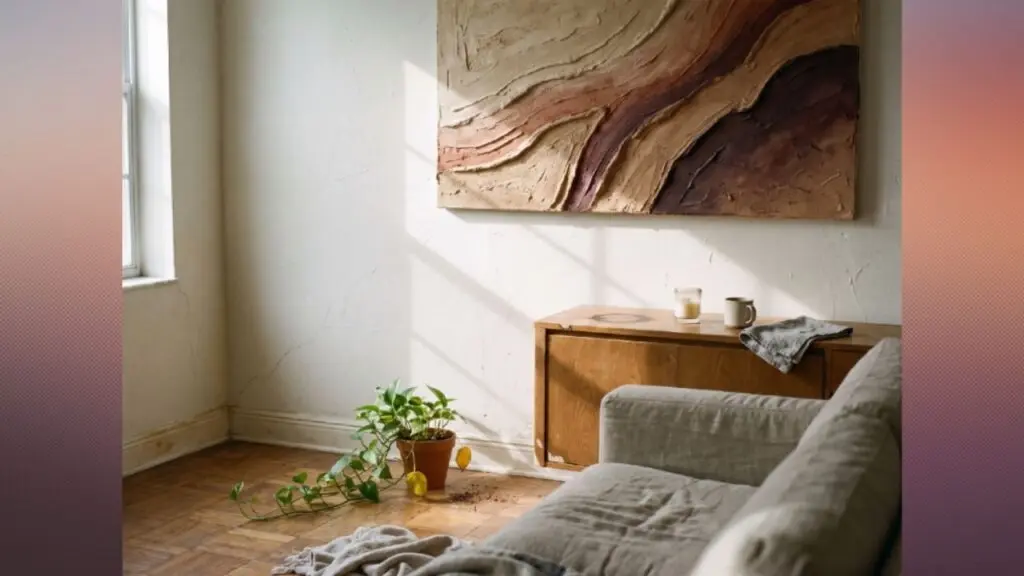
Flat, mass-produced prints are rapidly losing their grip on Florida’s contemporary living spaces. As interior design trends evolve through 2026, homeowners across the Sunshine State are orchestrating a deliberate visual migration away from conventional framed posters and static canvas photos, opting instead for tactile, dimensional, and expressive wall art. This design pivot relies on raised surfaces, thick plaster applications, and dynamic sculptural profiles that interact continuously with ambient sunlight, casting moving shadows that shift throughout the day.
At the center of this localized aesthetic evolution is a broader national and global embrace of handcrafted authenticity. Independent, artist-led brands—most notably Art By Maudsch—are experiencing a profound surge in demand for their signature 3D Textured Wall Art collections. Meeting a market hungry for individuality over cookie-cutter catalog decor, these independent studios are redefining how residential interiors are layered, personalized, and valued. Supported by macro-economic data projecting the global wall art market toward $99.15 billion by 2033, this trend is much more than a fleeting stylistic whim; it represents a fundamental recalibration of how Florida residents curate and invest in their home environments.
Detailed Chronology: The Evolution of Florida’s Interior Landscapes
To understand the sudden dominance of dimensional art, one must examine the rapid transformation of Florida’s residential real estate and interior design ethos over recent years.
Phase 1: The Era of Minimalism and Flat Reproductions (Late 2010s – Early 2020s)
For much of the past decade, Florida interior design—particularly in fast-growing coastal and metropolitan hubs like Miami, Tampa, Naples, and Orlando—was heavily influenced by clean-lined minimalism, coastal white aesthetics, and mass-market print-on-demand artwork. Gallery walls featuring tight grids of identical black-framed photography or flat abstract prints were the default standard in new-construction showcases and high-end flips. While functional and clean, these spaces often struggled with acoustic resonance and a lack of tactile warmth, frequently feeling more like staged hotel suites than lived-in homes.
Phase 2: The Post-Pandemic Renovation and Personalization Boom (2022 – 2024)
As remote work took root and relocation rates to Florida reached historic highs, the state entered an unprecedented multi-year renovation and building boom. Homeowners began prioritizing spaces that offered deeper emotional resonance, wellness integration, and psychological comfort. The desire for mass-produced uniformity quickly gave way to a craving for personal narrative. Interior design shifted toward organic modernism, incorporating warm woods, travertine, limewash walls, and biophilic design elements. Yet, despite these structural updates, many homeowners found their final layer of wall decor—typically a flat canvas print—undermining the organic richness of the architecture.
Phase 3: The 2026 Shift Toward Tactile Modernism (Present)
Entering 2026, the design pendulum has swung definitively toward tactile complexity. Flat prints are routinely being replaced by singular, confident statement pieces that anchor living rooms, foyers, and primary suites. Homeowners are intentionally selecting works featuring physical depth, heavy impasto techniques, and raised plaster ridges. Rather than blending quietly into the background, modern wall art is expected to actively participate in the spatial dynamics of a room—catching the morning sun through floor-to-ceiling Florida windows and dramatically altering its character as twilight settles in.
Supporting Context & Metrics: The Numbers Behind the Texture
The movement toward dimensional wall art is not merely an isolated localized phenomenon; it is underpinned by robust macroeconomic indicators, shifts in consumer behavior, and comprehensive industry forecasting.
Market Growth Projections
According to industry analysis by Grand View Research, the global wall art market is on a steep upward trajectory, projected to reach $99.15 billion by 2033, expanding at a steady compound annual growth rate (CAGR) of 6.4% from 2026 onward. While offline retail still claims a dominant share at roughly 67.8% of historical revenues, the growth engine of the sector is increasingly fueled by specialty, high-texture, and artist-direct pieces that provide distinct architectural value.
Simultaneously, within the United States, the print-on-demand home decor segment is forecast to register the fastest growth of any category within the broader interior design ecosystem, posting a staggering 26.0% CAGR according to Grand View Research datasets. This explosive growth is largely propelled by consumer demand for customizable, tailored interior solutions rather than rigid off-the-shelf catalog products.
Color Palettes and the Psychology of Hue
Material trends do not exist in a vacuum; they interact dynamically with contemporary color theory. According to the 1stDibs 2026 Interior Design Trends Survey, consumer and designer interest in dramatic, earthy palettes has accelerated dramatically. Notably, interest in burgundy rebounded from a meager 7% in 2025 to 21% in 2026, while deep chocolate browns, forest greens, and rich terracotta tones are dominating high-end residential palettes.
Flat prints struggle to handle these heavier, dramatic hues without appearing muddy or two-dimensional. Conversely, textured, dimensional canvas pieces elevate these shades. The raised surfaces of 3D artwork catch and refract light differently depending on the underlying tone, creating natural highlights and deep shadows that allow rich colors to breathe and pulse with vitality within a space.
The Rise of Independent Craft
This pivot toward texture directly aligns with broader cultural metrics tracked by institutions like the National Endowment for the Arts (NEA), whose ongoing research highlights a sustained, resilient public appetite for original, craft-based work over mass manufacturing. Homeowners are increasingly willing to allocate discretionary capital toward independent studios that bridge the gap between inaccessible high-gallery custom commissions and generic big-box retail.
Inside the Art By Maudsch Phenomenon
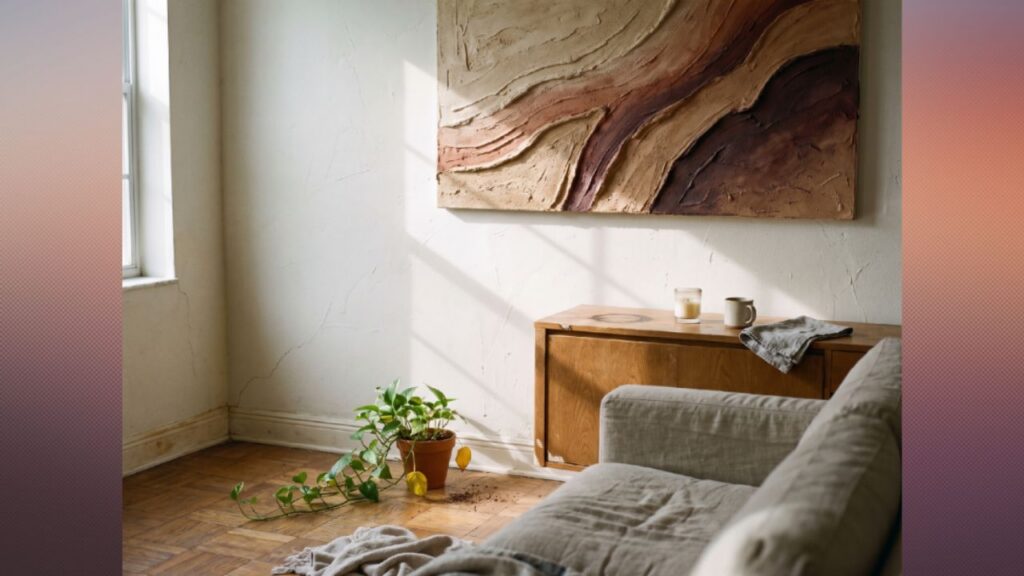
At the forefront of this textural revolution is Art By Maudsch, an independent, artist-led home decor brand that has capitalized on the demand for handmade, customizable dimensional art.
Bridging the Gap: Accessibility Meets Handcrafted Authenticity
Custom gallery commissions often run into thousands of dollars, placing them out of reach for many homeowners undergoing standard residential updates. On the other end of the spectrum, mass-produced prints lack soul and physical presence. Art By Maudsch strategically positions its 3D Textured Wall Art collection right in the sweet spot between these two extremes, with pieces generally priced between $349 and $729.
This pricing structure delivers a handcrafted, one-of-a-kind tactile feel without the prohibitive gallery markup, making elevated design accessible to a wider demographic of homeowners.
Diverse Themes and Spatial Versatility
The brand’s collection spans more than 17 distinct artistic themes, ensuring seamless integration into varied interior design schemes. These include:
- Abstract Compositions: Characterized by sweeping sculptural gestures, geometric interplay, and minimalist relief work suited for modern minimalist or Japandi-style interiors.
- Florals and Botanicals: Featuring oversized, raised petal formations that bring organic, sculptural depth to dining rooms and sunrooms.
- Seascapes and Landscapes: Utilizing thick, layered mediums to replicate the rolling motion of coastal waves or the rugged contours of topography—a natural fit for Florida’s coastal residential architecture.
Furthermore, the collection offers extensive customization regarding size, shape, and orientation. Whether a homeowner requires an expansive horizontal statement piece to anchor an extra-long sectional sofa or a striking vertical vertical composition to draw the eye up a narrow hallway, the modular nature of these pieces ensures a bespoke fit for every architectural floor plan.
Why Florida Homeowners View Art as a Long-Term Investment
The way Florida residents approach interior styling has fundamentally changed. Decor decisions are no longer treated as impulsive retail purchases made at the tail end of a move; instead, they are evaluated as long-term investments in the daily liveability, emotional wellbeing, and aesthetic equity of the home.
Elevating the Functional Living Experience
This mindset mirrors established strategies in Florida real estate regarding thoughtful interior upgrades. Just as homeowners recognize that adding a sunroom, upgrading lighting fixtures, or consulting with a professional interior decorator yields compounding returns on quality of life and property valuation, the selection of permanent wall art is treated with equal gravity.
A high-quality piece of 3D textured art fundamentally alters the acoustic and visual quality of a room. By dampening sound reverberation through its textured surface and creating a shifting focal point as natural daylight cycles through the house, dimensional art enhances the psychological comfort of the interior space over years of occupancy.
Rejecting Staged Uniformity
Florida’s ongoing real estate market features a high volume of new construction and transitional neighborhoods. In these environments, standard developer finishes—while pristine—can often risk feeling sterile or homogenous. Homeowners are utilizing textured art as an intentional counter-measure. By introducing tactile, artist-made pieces that carry physical weight and visible maker-signatures, residents are successfully reclaiming their spaces from the cookie-cutter aesthetic, ensuring their homes reflect their personal narratives and lifestyle philosophies.
Future Outlook: The Permanent Shift Toward Tactile Interiors
As the interior design landscape progresses through the remainder of 2026 and looks toward the next decade, all indicators suggest that the reign of flat, two-dimensional wall decor is drawing to a permanent close.
The global wall art market’s steady march toward the $100 billion threshold is being steered by a discerning consumer base that values depth, touch, and authenticity. Independent brands like Art By Maudsch have proven that there is a robust, enduring appetite for art that does more than just hang on a wall—art that actively participates in the architecture of the room, interacts with natural light, and tells a tactile story.
For Florida homeowners completing their latest round of renovations, sunroom updates, and coastal modern builds, the wall is no longer the final, neglected step of the design process. It is the canvas where the entire spatial narrative culminates. As long as the desire for deeply personal, handcrafted living environments remains strong, dimensional 3D wall art will continue to anchor the Sunshine State’s most sophisticated interiors.
About Art By Maudsch
Art By Maudsch is an independent, artist-led home decor brand renowned for its premier 3D Textured Wall Art collection. Specializing in canvas-based dimensional paintings that explore abstract, floral, seascape, and landscape motifs, the brand bridges the gap between luxury gallery art and accessible home styling. Dedicated to providing handcrafted, tactile statement pieces for modern residential interiors, Art By Maudsch connects directly with design-conscious homeowners via its official web platform at artbymaudsch.com.

0 Comments