

Executive Overview
Despite a recent uptick in precipitation over the past month that has provided localized relief to parts of the Sunshine State, the water resource landscape in Northeast Florida remains remarkably fragile. Officials at the St. Johns River Water Management District (SJRWMD) have announced that stringent conservation measures, originally introduced earlier this year in response to severe and prolonged dry conditions, will remain in full effect. Among these measures, the District’s Phase III Extreme Water Shortage declaration continues to govern water usage across several key communities.
While summer and early autumn storm systems have chipped away at cumulative rainfall deficits in certain pockets, hydrologists and district administrators emphasize that surface and groundwater levels have yet to recover sufficiently. Parts of the region are still grappling with a multi-month precipitation shortfall exceeding one full foot, leaving aquifers and river basins under immense strain.
Consequently, mandatory restrictions limiting residential and commercial landscape irrigation to a strict one-day-per-week schedule remain the law of the land. Industrial users, golf course operators, and municipal entities are likewise bound by sweeping curtailments designed to curb non-essential consumption. As outdoor irrigation continues to account for one of the largest drains on the region’s potable water supply, state and local water managers maintain that sustained conservation is the single most critical tool for supporting long-term resource recovery.
Detailed Chronology: From Prolonged Dry Spell to Phase III Mandates
To understand the current regulatory environment in Northeast Florida, it is necessary to examine the cascading sequence of events that forced water management authorities to take drastic regulatory action earlier this year.
The Onset of the Meteorological Deficit
The seeds of the current crisis were sown months prior, as typical seasonal weather patterns failed to deliver adequate rainfall across the 18-county jurisdiction managed by the SJRWMD. Winter and early spring months—traditionally drier periods in Florida—saw significantly lower-than-average precipitation totals. However, unlike in typical years, the anticipated transition into the summer rainy season brought sporadic, unevenly distributed storms rather than the steady, regional soaking required to recharge depleted water tables.
As months passed without relief, soil moisture levels plummeted, vegetation dried out, and aquifer recharge rates slowed to a crawl. Water levels in regional lakes, streams, and wetlands began to recede noticeably, triggering automated and manual triggers within the District’s monitoring frameworks.
Escalation to Phase III Extreme Water Shortage
Recognizing that voluntary conservation efforts alone would be insufficient to stave off severe ecological and municipal water supply challenges, the governing board of the SJRWMD authorized the implementation of a Phase III Extreme Water Shortage declaration earlier this year.
Unlike Phase I or Phase II warnings, which typically encourage voluntary cutbacks or institute minor adjustments to watering days, Phase III orders carry the weight of mandatory, enforceable rules. The declaration targeted the most severely impacted hydrological basins within the district, overriding local ordinances where necessary to establish a uniform, highly restrictive regulatory baseline.
Communities within the Lower St. Johns River Basin found themselves at the epicenter of these new rules. Property owners, businesses, and municipal managers were suddenly forced to overhaul their daily operations, transitioning from routine water use habits to emergency-level conservation protocols.
Supporting Context & Metrics: Analyzing the Rainfall Deficit
While recent meteorological activity has introduced a measure of optimism, hard data collected by SJRWMD hydrologists underscores the depth of the ongoing deficit. District officials note that although recent storms have produced localized improvements, many areas remain well below normal rainfall totals and require extensive, widespread precipitation to return to typical historical baselines.
The Lower St. Johns River Basin Hardest Hit
The most acute deficits are currently concentrated within portions of the Lower St. Johns River Basin. In these areas, cumulative precipitation shortfalls have surpassed 12 inches over the preceding 12-month period. This staggering deficit means that local ecosystems have effectively missed out on months’ worth of natural hydration.
The severity of the situation varies significantly by location, but district-wide tracking highlights several counties bearing the brunt of the shortfall:
- Clay County: Continues to record one of the most severe deficits in the region, with weather tracking stations logging a staggering 13.77-inch rainfall deficit over the past year.
- Duval County: Encompassing the major metropolitan hub of Jacksonville and its surrounding suburbs, Duval County faces a crippling 13.74-inch rainfall deficit, placing immense pressure on municipal distribution networks.
- Putnam County: Rural and suburban communities alike in Putnam County are managing a profound 12.21-inch rainfall deficit, impacting both agricultural operations and residential wells.
- Nassau County: Situated along the state’s northern border, Nassau County reports an 11.72-inch rainfall deficit, keeping it firmly under emergency oversight.
Potable Water and Outdoor Irrigation Pressures
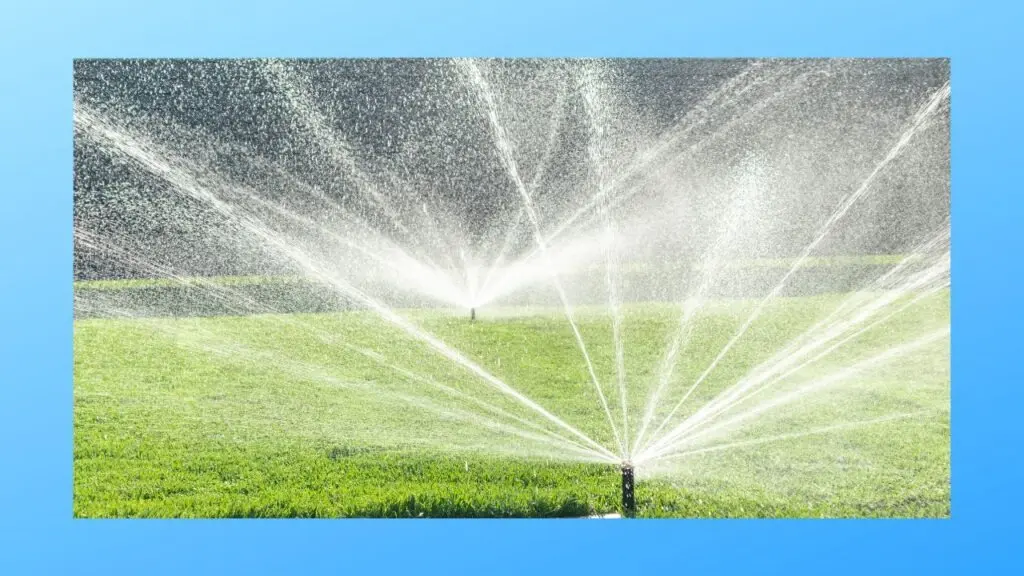
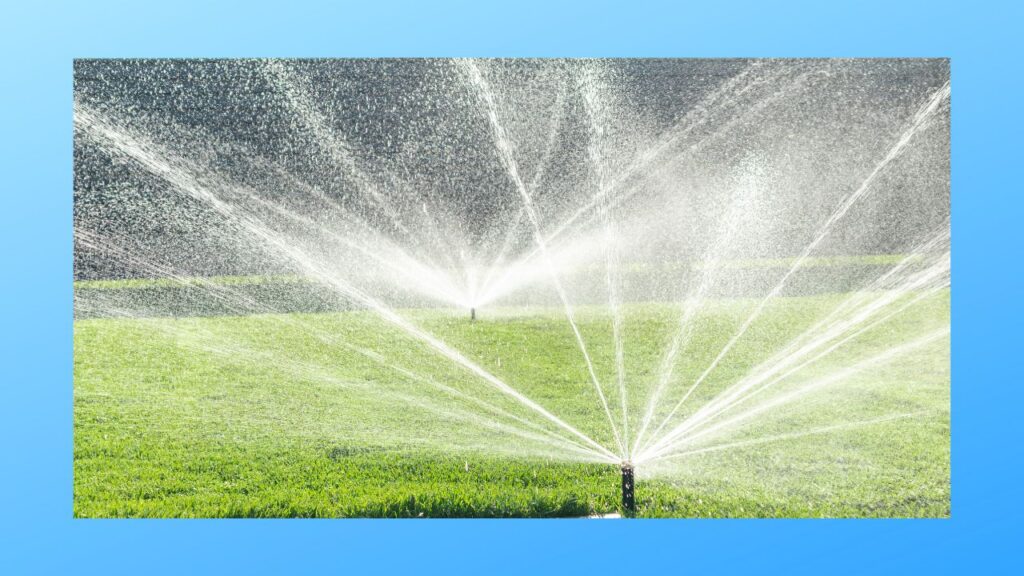
A primary driver behind the District’s firm stance on restrictions is the sheer volume of treated drinking water consumed by outdoor landscaping. Outdoor irrigation consistently ranks as one of the largest single uses of potable water across Florida communities. During periods of drought, this demand spikes dramatically as property owners attempt to keep lawns green, creating a compounding crisis where municipal treatment plants must work overtime just as raw water sources are dwindling.
To combat this, the Phase III guidelines dismantled standard watering routines, imposing a rigid framework of prohibitions and limitations:
- Property Restrictions: Both residential and commercial properties are strictly limited to one day per week for landscape irrigation. Furthermore, all landscape irrigation is completely prohibited between the peak evaporation hours of 8 a.m. and 6 p.m. daily.
- Commercial and Industrial Curtailments: Commercial and industrial users have been ordered to suspend a broad category of non-essential water uses. Golf course operators face stringent limits, with fairway irrigation restricted to a single day per week.
- Aesthetic and Cleaning Bans: Aesthetic water uses—such as the operation of decorative fountains—are prohibited unless utilized for essential aeration or system maintenance. Street and pressure-washing activities face intensive additional restrictions, outlawing casual or routine cleaning that wastes municipal-grade water.
- New Plantings and Sod: Recognizing the vulnerability of newly installed landscaping, the District previously permitted temporary variances; however, under the Phase III emergency framework, irrigation restrictions for new plantings and sod have been significantly tightened, forcing developers and landscapers to scale back new installation projects.
Official Statements and Regulatory Perspectives
The leadership of the St. Johns River Water Management District has maintained a transparent, albeit firm, posture regarding the necessity of these prolonged restrictions.
"While recent storms have produced localized improvements, many areas remain well below normal rainfall totals and require additional widespread rainfall to return to typical conditions," the district stated in a recent operational update.
District spokespersons have consistently emphasized that water resources are a shared public trust. The imposition of Phase III restrictions is not merely a punitive measure, they argue, but a vital defensive strategy to protect regional aquifers—such as the Floridan Aquifer, which supplies drinking water to millions of residents—from irreversible saltwater intrusion and long-term depletion.
Environmental advocates and local municipal leaders have largely supported the District’s cautious approach. Water utility managers across Duval, Clay, Putnam, and Nassau counties have stepped up public outreach campaigns, urging residents to view water conservation not as a temporary inconvenience, but as a permanent lifestyle adjustment in a state vulnerable to climatic extremes. Code enforcement agencies and water utility compliance officers have been empowered to issue warnings and citations to repeat violators, signaling that community cooperation is mandatory for collective survival.

Future Outlook: Path to Recovery and Long-Term Sustainability
As Northeast Florida looks toward the horizon, the path forward hinges on a delicate balance between meteorological fortune and rigorous human management.
Evaluating Recovery Triggers
The SJRWMD has established clear protocols for monitoring environmental indicators. District scientists continuously evaluate rainfall data, aquifer levels, streamflows, and soil moisture indices. Only when these metrics demonstrate a sustained, statistically significant return to historical norms will the governing board consider modifying or lifting the Phase III Extreme Water Shortage restrictions.
Until such thresholds are definitively crossed, the District has made it clear that conservatism will dictate policy. Regional water managers are preparing for the possibility that dry conditions could persist through upcoming seasonal transitions, making contingency planning a top priority for municipal water utilities.
The Role of Conservation in Florida’s Future
Beyond the immediate emergency, the current drought cycle has reignited critical conversations regarding long-term water resource sustainability in Florida. Rapid population growth, coupled with shifting climate patterns, places an ever-increasing demand on finite hydrological resources.
Experts point to several strategies that will define the future of water management in the region:
- Advanced Infrastructure: Investing in alternative water supply projects, such as reclaimed water distribution networks for residential irrigation, brackish groundwater desalination, and aquifer storage and recovery (ASR) systems.
- Smart Irrigation Technology: Encouraging the widespread adoption of smart controllers, rain sensors, and soil moisture meters that prevent unnecessary watering during and after natural rainfall events.
- Xeriscaping and Native Landscaping: Shifting cultural expectations away from water-intensive turfgrass toward Florida-friendly landscaping that naturally thrives on local rainfall patterns without requiring heavy supplemental irrigation.
Conclusion
The persistence of Phase III Extreme Water Shortages across portions of Northeast Florida serves as a stark reminder of the region’s vulnerability to hydrological stress. With rainfall deficits still exceeding 13 inches in counties like Clay and Duval, the margin for error is razor-thin.
While recent storms have offered a welcome reprieve, the St. Johns River Water Management District’s steadfast enforcement of mandatory restrictions underscores a vital truth: safeguarding Florida’s precious water resources requires constant vigilance, strict adherence to conservation protocols, and a forward-thinking approach to regional environmental stewardship. Until regional aquifers and river basins are fully replenished, community-wide cooperation remains the bedrock of Florida’s water security.

0 Comments