

Executive Overview
From the crystal-clear mountain streams of the southern Appalachians to the expansive, salt-sprayed expanses of the open ocean, the vitality of the American South is fundamentally tethered to its aquatic ecosystems. These freshwater and saltwater habitats serve as the lifeblood of regional biodiversity, buffering coastlines, sustaining multi-billion-dollar fisheries, and providing clean water to millions. Yet, these critical ecosystems face unprecedented threats from unchecked commercial development, industrial runoff, historical pollution, and the accelerating pressures of a changing climate.
Enter this year’s honorees: a dedicated coalition of scientists, community advocates, field researchers, and policy architects who are fighting on both the front lines and in the laboratories to safeguard the species that rely on these waterways. Presented in partnership with Visit Highlands, NC, the October/November 2026 initiative highlights individuals whose life’s work ensures that the natural heritage of the South—and the interconnected web of life it supports—endures. Selected with the guidance of an esteemed Expert Council of veteran ecologists, conservation directors, and biologists, these champions demonstrate that environmental stewardship is not merely about preserving the past, but engineering a resilient, sustainable future for human and wildlife communities alike.
Detailed Chronology of Conservation Milestones
The battles being fought across the South’s aquatic and marine habitats are decades in the making, defined by pivotal moments of legislative victory, grassroots mobilization, and scientific breakthroughs.
- The 1950s–1970s: A critical baseline era for marine predators. Oceanic whitetip shark populations begin an alarming downward spiral, suffering an estimated 50% to 90% decline due to commercial overfishing and the global demand for fins. Simultaneously, in the Florida Keys, healthy coral cover begins a catastrophic plummet, losing up to 90% of its baseline coverage by the late 1970s due to warming waters and ecological degradation.
- The Post-Civil War Era: The establishment of Hogg Hummock on Sapelo Island, Georgia, by formerly enslaved ancestors. This enclave develops into the nation’s last remaining intact Gullah Geechee community, setting the stage for modern intergenerational battles over land sovereignty and coastal zoning.
- 1992: Conservation Fisheries (CF) is officially founded in Knoxville, Tennessee, by J.R. Shute and Pat Rakes, following years of pioneering work propagating rare nongame freshwater species like yellowfin and smoky madtoms in the back of an aquarium store.
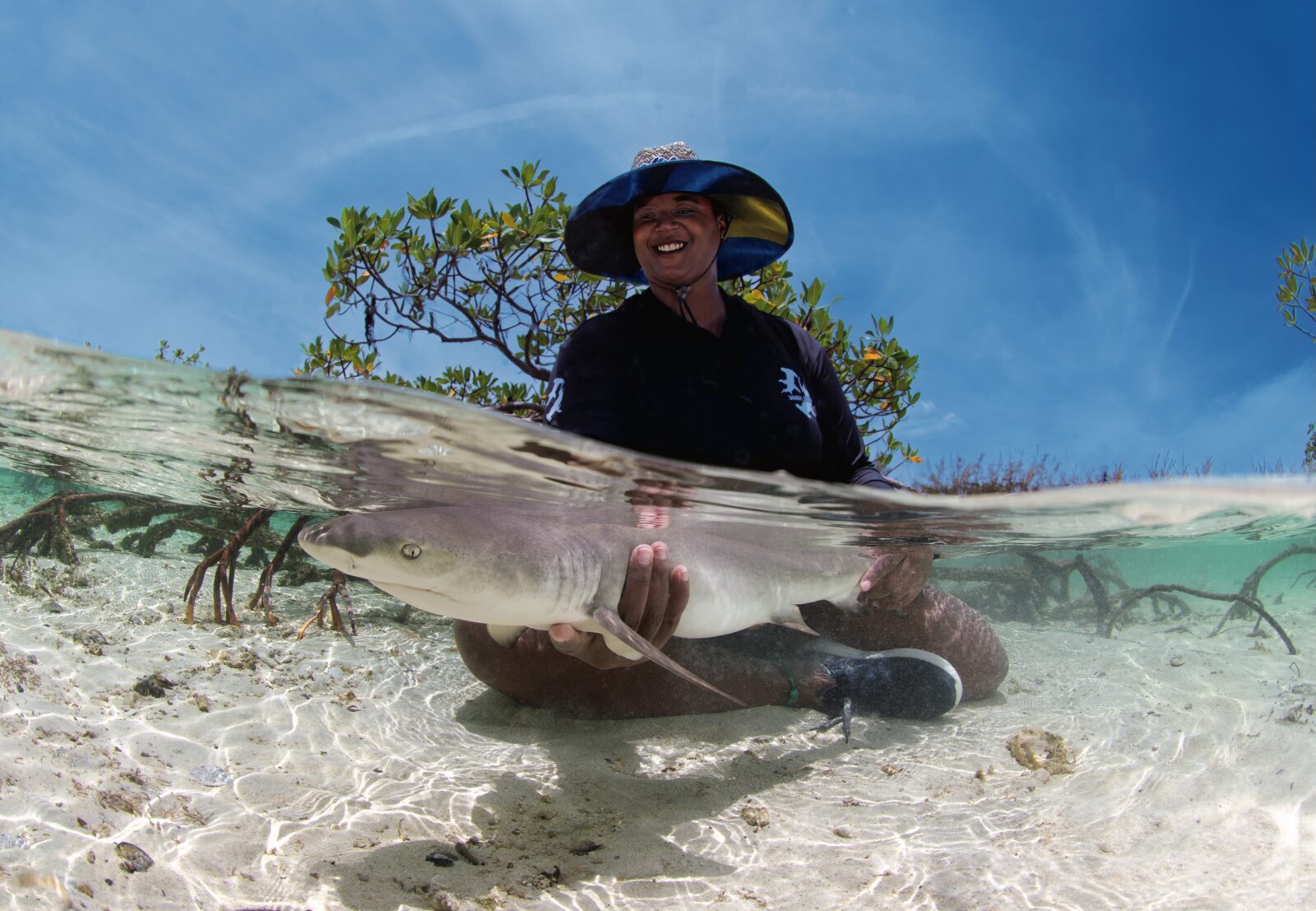
- 2011: The Bahamas makes history by establishing the Atlantic’s first official shark sanctuary, creating a critical marine refuge that generates an estimated $113 million annually in tourism revenue while offering scientists a vital barometer for wider Atlantic shark populations.
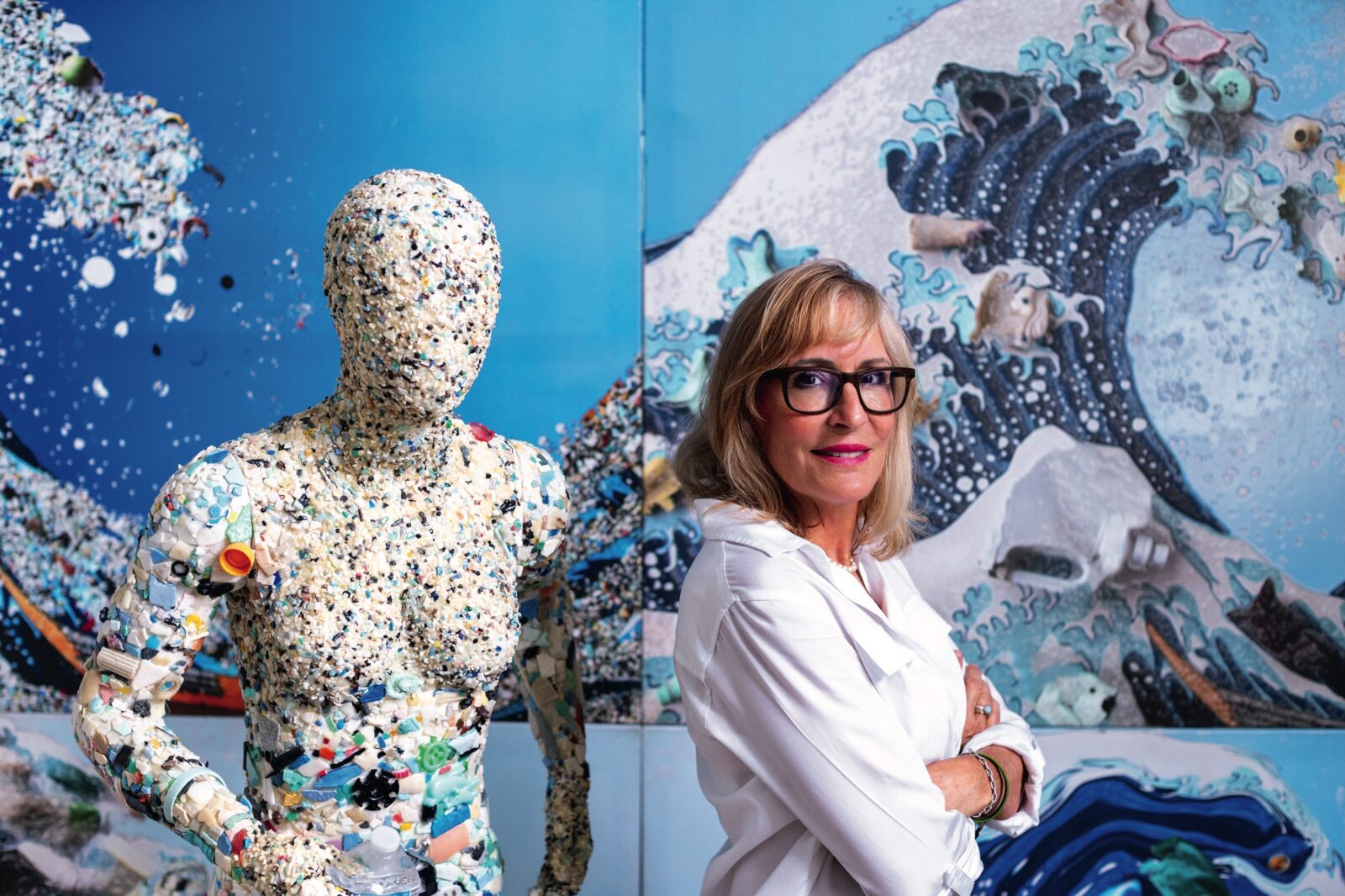
- 2012: Recognizing the staggering scale of plastic pollution in global marine environments—where debris outweighs pristine conditions—Bonnie Monteleone founds the Plastic Ocean Project in Wilmington, North Carolina, bridging scientific research, public outreach, and high-impact art installations.
- 2019–2023: Maria Whitehead and her partners at the Open Space Institute (OSI), alongside organizations like the Nature Conservancy and Ducks Unlimited, lay the groundwork for South Carolina’s first linear state park, culminating in the permanent protection of the Black River watershed.
- 2021–2025: Louisiana State Herpetologist Keri Lejeune spearheads a monumental legislative push to regulate the state’s commercial turtle harvests. In 2025, the Louisiana Wildlife and Fisheries Commission officially approves her comprehensive plan, outlawing the commercial harvest of native turtles and banning invasive species like Burmese pythons and tegu lizards.
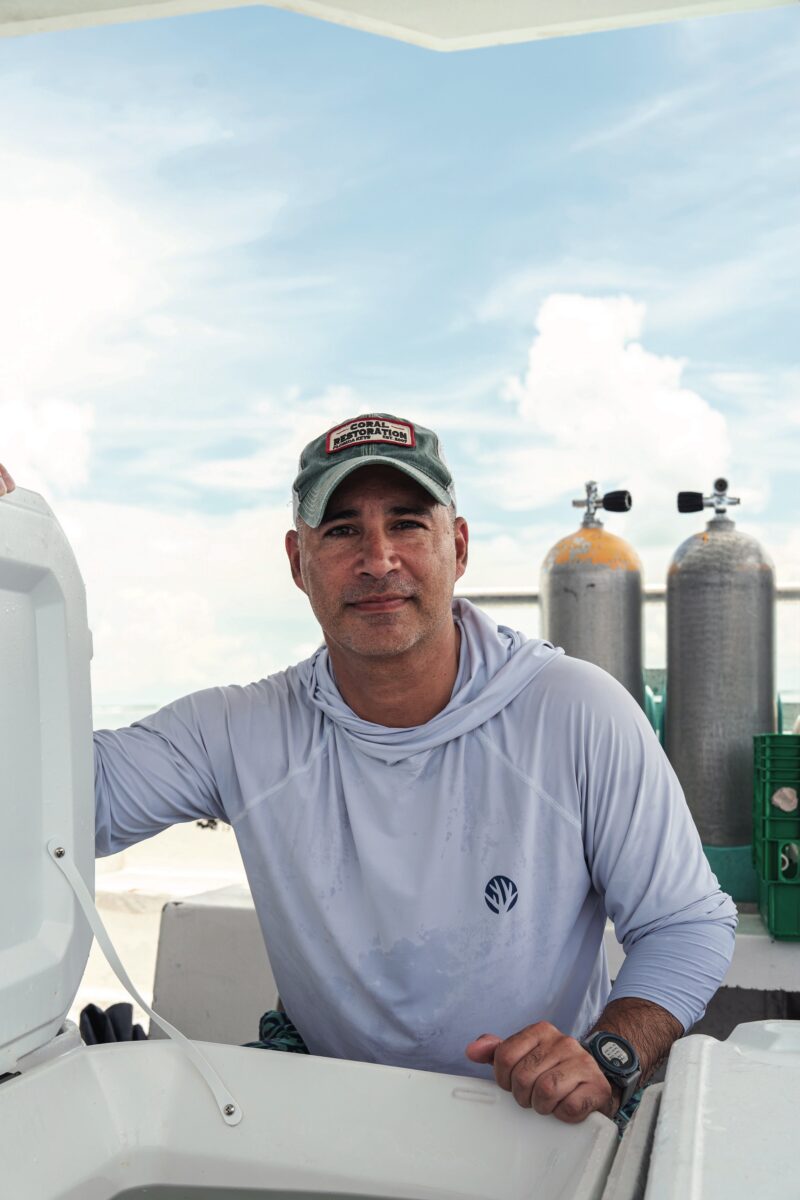
- 2023: A massive, record-shattering ocean temperature spike triggers widespread global coral bleaching events. However, reef researchers like Phanor H. Montoya Maya of the Coral Restoration Foundation utilize resilient "pockets of survivorship," outplanting heat-adapted variants to build long-term adaptive potential into Florida’s struggling coral reefs.
- 2026: The current class of conservation champions—spanning seagrass restoration, cultural land protection, apex predator advocacy, plastic waste mitigation, coral propagation, nongame fish preservation, whooping crane conservation, river acquisition, herpetological protection, and watershed-scale planning—is formally recognized for their enduring impacts on regional ecosystems.
Supporting Context & Metrics
The urgency of these conservation efforts is underscored by stark ecological and economic metrics that reveal just how precarious the South’s water systems have become:
- Seagrass Ecology: Seagrass meadows, championed by practitioners like Jessica Mailliez, cover a fraction of the ocean floor yet provide critical nurseries for juvenile fish, filter massive loads of pollutants, and anchor fragile coastal sediments against storm surges. In Florida alone, comprehensive restoration projects by firms like Sea & Shoreline have successfully revitalized over 500 acres of degraded aquatic vegetation.
- Marine Economics: Coral reefs occupy a mere 1% of the global ocean floor, yet they provide vital habitat for roughly 25% of all marine species. According to the National Oceanic and Atmospheric Administration (NOAA), these reefs generate an estimated $3.4 billion in annual economic value through commercial fisheries, shoreline protection, and tourism.
- Avian Resilience: Once pushed to the razor-thin brink of extinction with only 21 wild individuals remaining in the 1940s and 1950s due to hunting and habitat loss, North America’s iconic whooping cranes have rebounded to a population of more than 800 birds, thanks to decades of cross-border and regional conservation efforts led by groups like the International Crane Foundation.
- Land Preservation Benchmarks: Through strategic land acquisitions, the Open Space Institute secured South Carolina’s largest conservation easement to date—encompassing an astonishing 62,000 acres across three counties—directly safeguarding critical riverine floodplains and supporting rural and indigenous communities.
Official Statements and Profiles of the 2026 Honorees
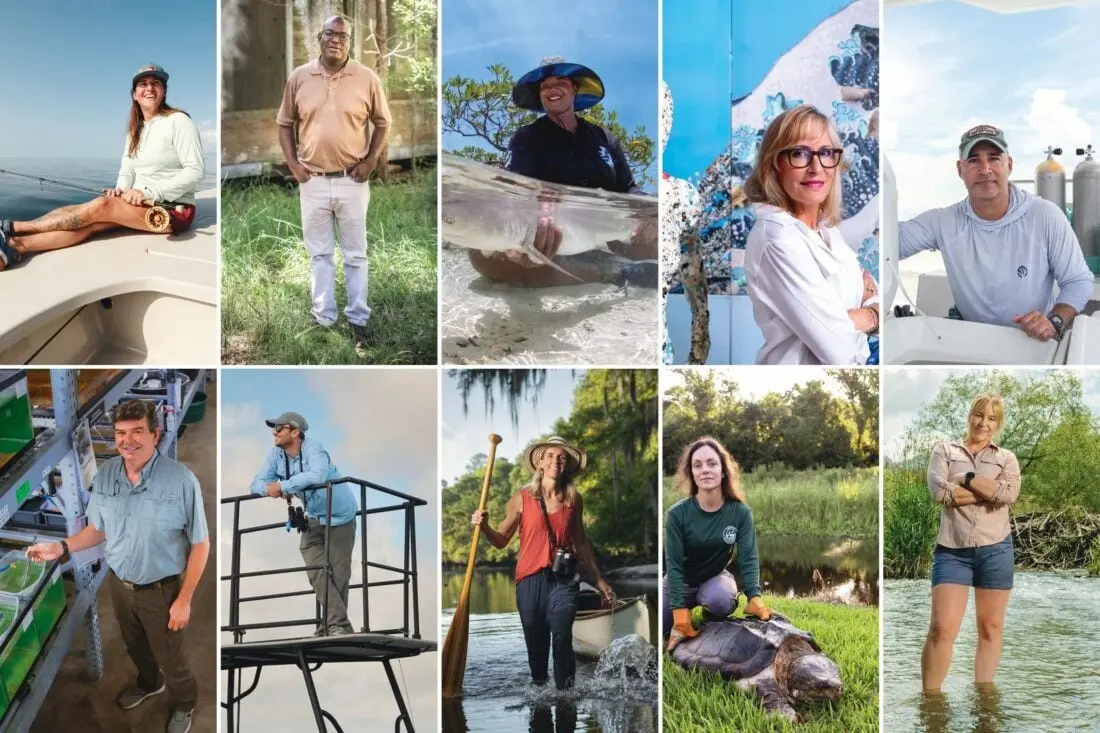
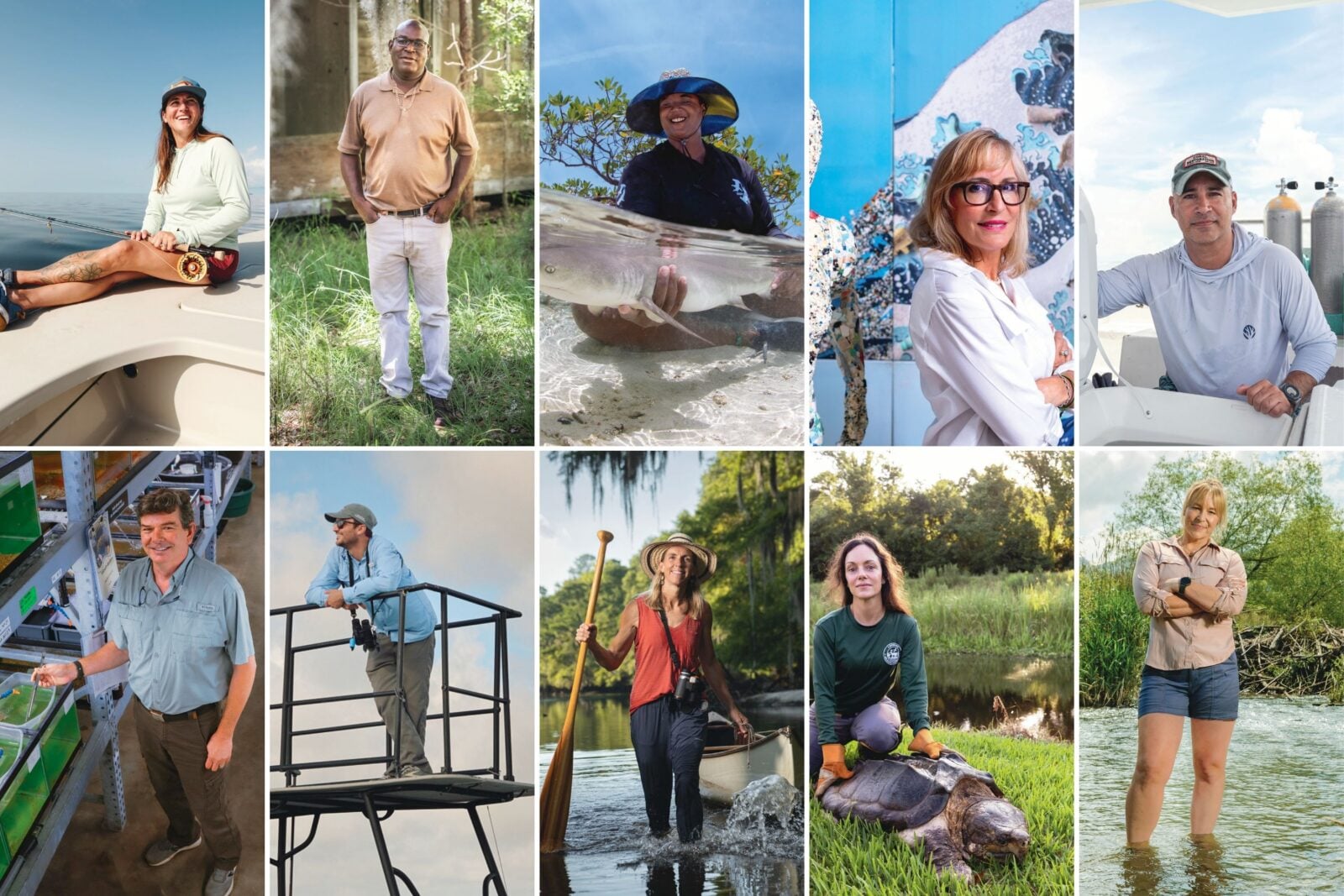
The 2026 Champions of Conservation represent a diverse cross-section of disciplines, utilizing everything from molecular genetics and heavy-machinery watershed restoration to cultural preservation and community education:
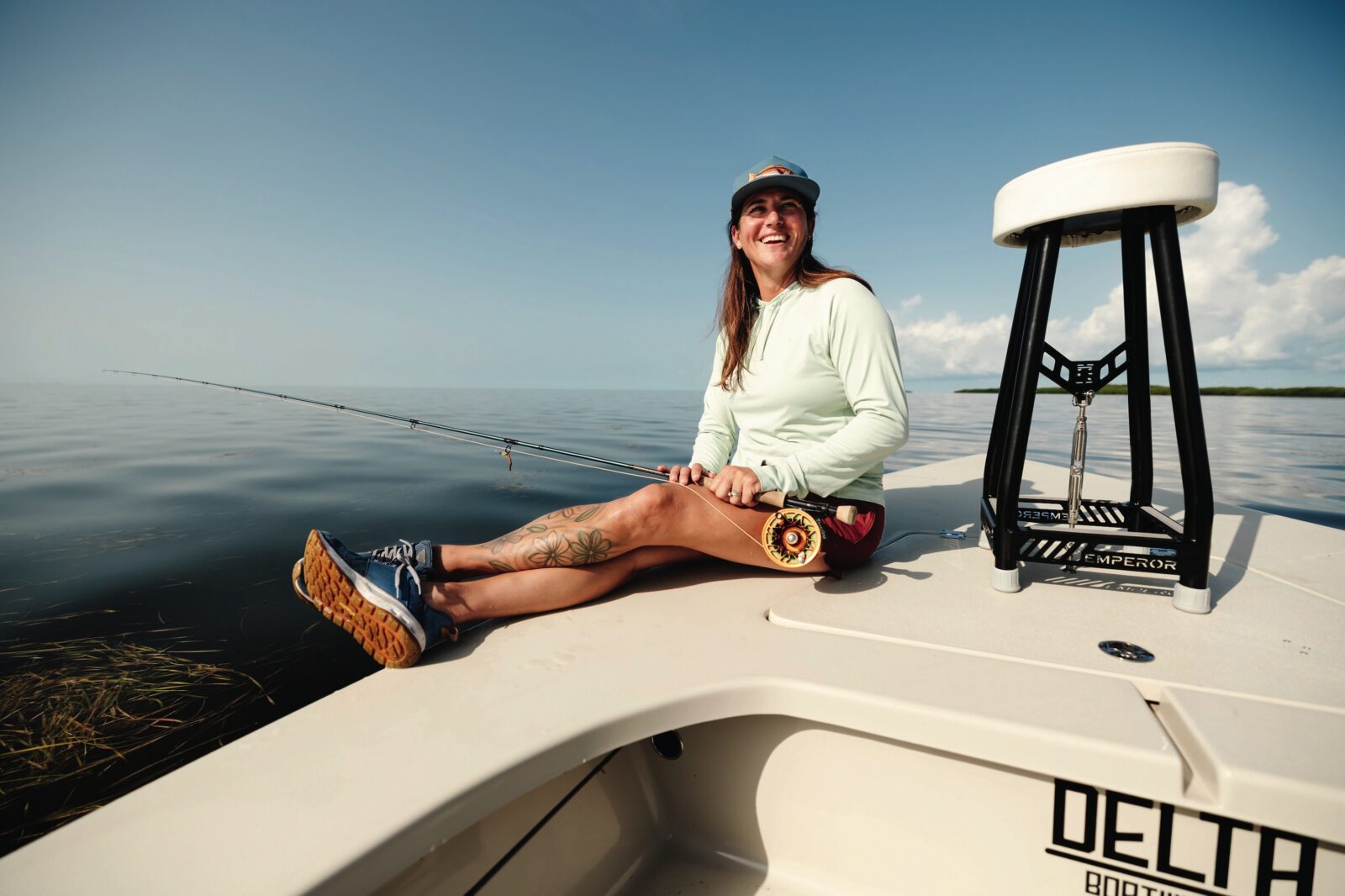
1. Jessica Mailliez (Underwater Gardener)
- Affiliation: Sea & Shoreline | Location: Homosassa, Florida
- Focus: Reviving aquatic vegetation and seagrass meadows.
- Quote: "Seagrass restoration will always have my heart. It may not be very well known, but it is incredibly important for oxygenating the water. It feeds our manatees and our turtles. It houses all our young fish species, and basically builds our entire fishery."
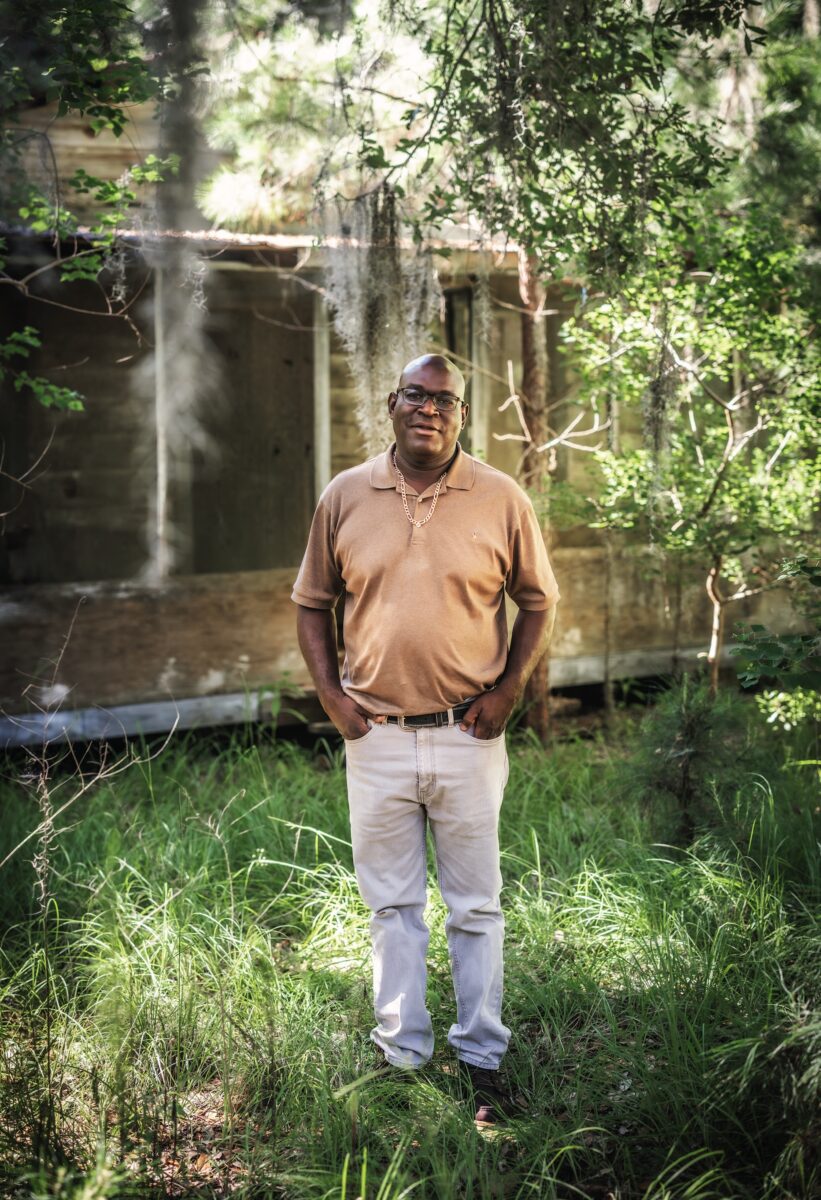
2. JR Grovner (Sapelo Guardian)
- Affiliation: Sapelo Island Tours | Location: Sapelo Island, Georgia
- Focus: Protecting Gullah Geechee cultural heritage, land rights, and barrier island ecosystems.
- Quote: "If I quit, then there won’t be anything for my children. My enslaved ancestors died on and for this land… The value is priceless. There is not another place like Sapelo Island in the world."
3. Candace Fields (Shark Evangelist)
- Affiliation: Cape Eleuthera Institute | Location: Eleuthera, The Bahamas
- Focus: Apex predator research, oceanic whitetip conservation, and data-driven marine policy.
- Quote: "We should be proud of being a big bright spot for sharks. As one of the last shark strongholds in the Atlantic, the Bahamas acts as a barometer for the population more widely… You can’t make data-driven policy without data."
4. Bonnie Monteleone (Trash Talker)
- Affiliation: Plastic Ocean Project | Location: Wilmington, North Carolina
- Focus: Microplastic research, upstream plastic reduction, and science-informed art education.
- Quote: "I always tell young people, the future is in waste, and figuring out how to use what we’ve already produced. We just have to step up and say, ‘Where do I fit in this equation and how can I help?’"
5. Phanor H. Montoya Maya (Reef Doctor)
- Affiliation: Coral Restoration Foundation | Location: Tavernier, Florida
- Focus: Large-scale coral nursery management, genetic adaptability, and reef outplanting.
- Quote: "The reefs have the capacity to bounce back, but we need to create that enabling environment for the reef to become resilient."
6. Bo Baxter (Hero of Tiny Fish)
- Affiliation: Conservation Fisheries | Location: Knoxville, Tennessee
- Focus: Propagation and reintroduction of imperiled freshwater nongame fish species across Appalachia.
- Quote: "We’re the last piece of the restoration puzzle. We bring in the fish… If you can get people out in a river with a snorkel, or in the lab to see these amazing fish, they’ll care, and they’ll want to protect what we have."
7. Carter Crouch (Whooping Crane Whisperer)
- Affiliation: International Crane Foundation | Location: Fulton, Texas
- Focus: Gulf Coast bird biology, habitat expansion, and migratory crane population monitoring.
- Quote: "People connect with them for so many reasons. They’re tall and graceful, and they mate for life and dance with their partners. Cranes have such a hold on us."
8. Maria Whitehead (River Banker)
- Affiliation: Open Space Institute | Location: Brevard, North Carolina
- Focus: Large-scale land conservation easements, wetland acquisition, and community-centered park development.
- Quote: "Often, the narrative around conservation is that it is adversarial and at odds with people. But it can actually be a way to address our social and environmental issues together, if we approach it the right way."
9. Keri Lejeune (Turtle Appeal)
- Affiliation: Louisiana Department of Wildlife and Fisheries | Location: Lafayette, Louisiana
- Focus: Herpetological conservation, commercial harvest regulation, and wetland rewilding.
- Quote: "When we improve habitat and water quality for one suite of species, it is benefiting many others, and that is so rewarding."
10. Josselyn Lucas (Current Keeper)
- Affiliation: Natural Resources Conservation Service | Location: Boone, North Carolina
- Focus: Working Lands for Wildlife framework, nature-based flood mitigation, and floodplain connectivity.
- Quote: "Water literally shapes our world. We can’t control it or fight against it. We have to work with it."
Future Outlook
The trajectory of southern conservation over the coming decades will depend heavily on scaling up the collaborative models established by this year’s champions. As extreme weather events, population pressures, and industrial development test the ecological limits of regional watersheds, the traditional adversarial approach to environmentalism is increasingly giving way to integrated, community-centered solutions.
By tying watershed health to local economic vitality—whether through sustainable ecotourism in the Bahamas, community-engaged park planning along South Carolina’s Black River, or empowering private landowners to adopt nature-based flood mitigation in North Carolina—these conservation leaders are proving that protecting the environment is synonymous with protecting human prosperity. The ongoing mission requires bridging the gap between rigorous scientific research and public affection, ensuring that future generations not only inherit resilient rivers, vibrant coastal meadows, and thriving wildlife populations, but possess the knowledge and the will to defend them.

0 Comments