

Executive Overview
The Florida real estate market remains one of the most dynamic, economically vital, and fiercely competitive sectors in the United States. Within this vast ecosystem, individual agents and boutique brokerages serve as the bedrock of local housing transactions. This report takes an in-depth look at the operational footprint of Jay Quigley, a registered professional with Florida Executive Realty, and examines his affiliation with the Suncoast Tampa Association of Realtors. Operating out of the vibrant Greater Tampa Bay region, professionals like Quigley navigate a complex maze of shifting mortgage rates, inventory constraints, and high buyer demand.
By analyzing the structural framework of Florida Executive Realty, the role of regional boards like the Suncoast Tampa Association, and the digital footprint of modern agents (such as http://jquigley.floridaexecutiverealty.com), this article provides a comprehensive overview of how localized real estate operations function in today’s economy. Beyond the individual profile, this piece explores the macro-level indicators shaping the Hillsborough County and broader Suncoast housing markets, offering valuable perspective for investors, homebuyers, and industry analysts alike.
Detailed Chronology: The Evolution of Tampa Bay Real Estate Brokerages
To understand the current standing of independent and regional brokerages in West Central Florida, it is necessary to examine the historical trajectory of the market over the past two decades.
The Pre-Boom and Expansion Era (Early 2000s)
Long before the current digital era of real estate, Tampa Bay was a localized market driven largely by traditional broker-client relationships, print media, and physical office locations. Independent agencies—such as Florida Executive Realty, which established itself as a prominent regional player—had to rely heavily on localized networking and direct community engagement. During this period, office addresses like 15802 Amberly Drive served as physical hubs where agents gathered for floor time, contract training, and collaborative deal-making.
The Technological Disruption and MLS Integration (2010s)
Following the 2008 financial crisis, the real estate landscape underwent a radical technological transformation. The rise of aggregator websites, Multi-List Service (MLS) digitization, and customer relationship management (CRM) software shifted power directly to the consumer. Brokerages had to adapt quickly, moving away from purely brick-and-mortar operations toward hybrid digital models.
During this decade, local boards like the Suncoast Tampa Association of Realtors played an instrumental role in standardizing data integrity, enforcing ethical codes, and providing continuing education to help agents navigate evolving state and federal housing regulations. Agents like Jay Quigley integrated personal web domains (e.g., jquigley.floridaexecutiverealty.com) into their outreach strategies, marking the transition from physical business cards to digital landing pages as primary points of contact.
The Post-Pandemic Housing Surge (2020–Present)
The COVID-19 pandemic catalyzed an unprecedented migration wave into the Sunshine State, with the Tampa-St. Petersburg-Clearwater metropolitan statistical area (MSA) emerging as one of the top destination markets in the nation. This era brought extraordinary challenges: historic low housing inventories, bidding wars, and rapid price appreciation. Brokerages across Hillsborough and Pinellas counties had to scale up operations rapidly to manage the influx of relocating buyers from the Northeast and Midwest. Today, modern real estate professionals operate in a nuanced environment characterized by stabilizing interest rates, rising construction costs, and a heightened emphasis on hyper-local market expertise.
Supporting Context & Metrics: The Suncoast Tampa Housing Ecosystem
The operational success of agencies like Florida Executive Realty is inextricably linked to the broader macroeconomic health of the Suncoast Tampa region. Understanding the metrics that drive Hillsborough County real estate offers critical context for the daily activities of local agents.
Inventory Dynamics and Absorption Rates
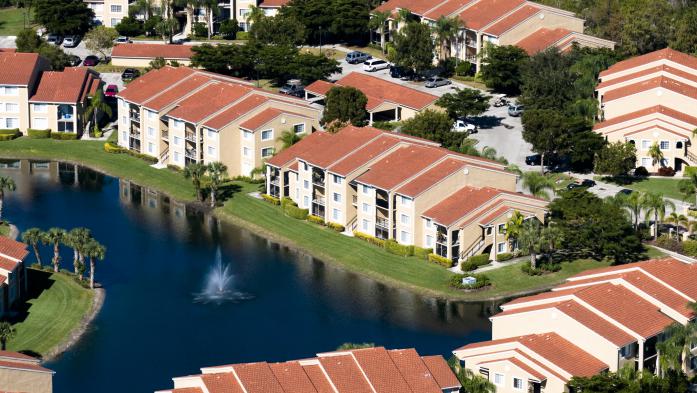
For the past several years, inventory has been the single most critical talking point in Florida real estate. While new construction has attempted to alleviate pressure in suburban corridors like New Tampa, Wesley Chapel, and Brandon, established neighborhoods within the urban core continue to experience strong buyer demand. An absorption rate hovering between 2.5 and 4 months in many sub-markets signifies that Tampa remains a competitive environment—though no longer the hyper-frenzied seller’s market seen at the peak of 2021 and 2022.
The Role of Corporate Footprints and Professional Associations
Operational infrastructure matters significantly in modern real estate. Florida Executive Realty, anchored by established corporate locations such as their Amberly Drive office, provides agents with administrative support, branding, and legal compliance structures. Meanwhile, membership in the Suncoast Tampa Association of Realtors (where Quigley holds Realtor ID #2351034) ensures adherence to the strict Realtor Code of Ethics, access to up-to-the-minute property databases, and legislative advocacy at both the state and national levels.
Geographic Focus: The Sexton Court Corridor
Micro-level real estate activity often centers around specific residential pockets. Properties situated along corridors like Sexton Court (such as the 16101 Sexton CT listing profile) highlight the diverse architectural and pricing varieties found within the Greater Tampa marketplace. Whether dealing with single-family residential homes, townhomes, or luxury estates, agents must possess a granular understanding of neighborhood-specific comps, school districts, flood zones, and property tax structures.
Official Industry Perspectives and Expert Statements
Navigating today’s property market requires constant vigilance, adaptability, and adherence to professional standards. Industry leaders and regional association representatives frequently weigh in on the responsibilities borne by modern real estate practitioners.

Upholding Professional Standards
In recent years, real estate boards have placed renewed emphasis on transparency, consumer protection, and continuous professional development. Association executives frequently stress that the value proposition of a licensed Realtor extends far beyond simply unlocking a front door.
"The modern consumer is more informed than ever before, utilizing advanced search tools and algorithmic data before they even pick up the phone," notes a regional real estate analyst based in Hillsborough County. "However, data without context can be misleading. That is why local professionals who understand zoning laws, neighborhood nuances, and contract negotiation remain irreplaceable assets in any transaction."
The Brokerage Perspective
Independent brokerages have historically prided themselves on offering a more personalized, less corporate culture compared to national franchise giants. Executives at firms like Florida Executive Realty often highlight the importance of empowering individual agents with robust back-office support, cutting-edge marketing technology, and collaborative team environments. By maintaining strategic physical headquarters alongside robust digital portals, these firms aim to bridge the gap between traditional relationship-building and modern digital efficiency.
Future Outlook: Navigating the Next Era of Florida Real Estate
As the Florida real estate market looks toward the horizon, several key trends will dictate the trajectory of agencies, associations, and individual professionals operating in the Suncoast region.

Technological Innovation and AI Integration
Artificial intelligence, automated valuation models (AVMs), and virtual reality walkthroughs are rapidly shifting from futuristic concepts to standard industry tools. Agents who successfully integrate AI-driven CRM platforms and digital marketing funnels into their daily workflows will likely capture a larger share of tech-savvy millennial and Gen Z homebuyers. However, the human element—trust, empathy, and high-stakes negotiation skills—will remain the ultimate differentiator.
Economic Resilience and In-Migration Trends
Despite economic headwinds, inflation adjustments, and fluctuating mortgage rates, Florida’s fundamental economic appeal remains intact. Favorable tax policies, continued corporate relocations to the Tampa Bay area, and lifestyle-driven migration ensure a steady baseline of housing demand. Professionals affiliated with established local brokerages and trusted regional boards will be best positioned to guide clients through these shifting economic tides.
Conclusion
The professional profile of agents operating within the Suncoast Tampa Association of Realtors—exemplified by practitioners at Florida Executive Realty—underscores the intricate web of compliance, local expertise, and digital connectivity required to succeed in modern real estate. As the market continues to evolve, the combination of strong institutional backing, regional association resources, and dedicated local representation will remain the cornerstone of successful property transactions across the Sunshine State.

0 Comments