Miniature golf occupies a distinct, cherished niche within the broader landscape of American leisure, merging whimsy with accessible sport. Nowhere is this truer than in the Sunshine State. Florida’s miniature golf ecosystem is a sprawling, multi-generational tapestry that bridges the gap between mid-century roadside kitsch and multi-million-dollar themed immersive experiences.
From the sun-baked heritage of the Panhandle to the glittering entertainment corridors of Orlando and the Gulf Coast, mini-golf courses serve as cultural time capsules and modern hubs of community recreation. Far from being mere child’s play, these courses reflect the architectural, economic, and touristic evolution of Florida. This comprehensive investigative report surveys the premier miniature golf destinations across the state, examining their historical roots, operational metrics, and enduring appeal for families and enthusiasts alike.
Detailed Chronology: The Evolution of Florida Miniature Golf
To understand the current state of miniature golf in Florida, one must trace its historical roots through a timeline defined by architectural ambition, roadside advertising, and theme park dominance.
[1958: Fort Walton Beach] ──► [1959: Panama City Beach] ──► [1960s: Boyett’s & Tiki Gardens] ──► [1980s: Wild West & Pirates] ──► [1990s-Present: Immersive Resorts]
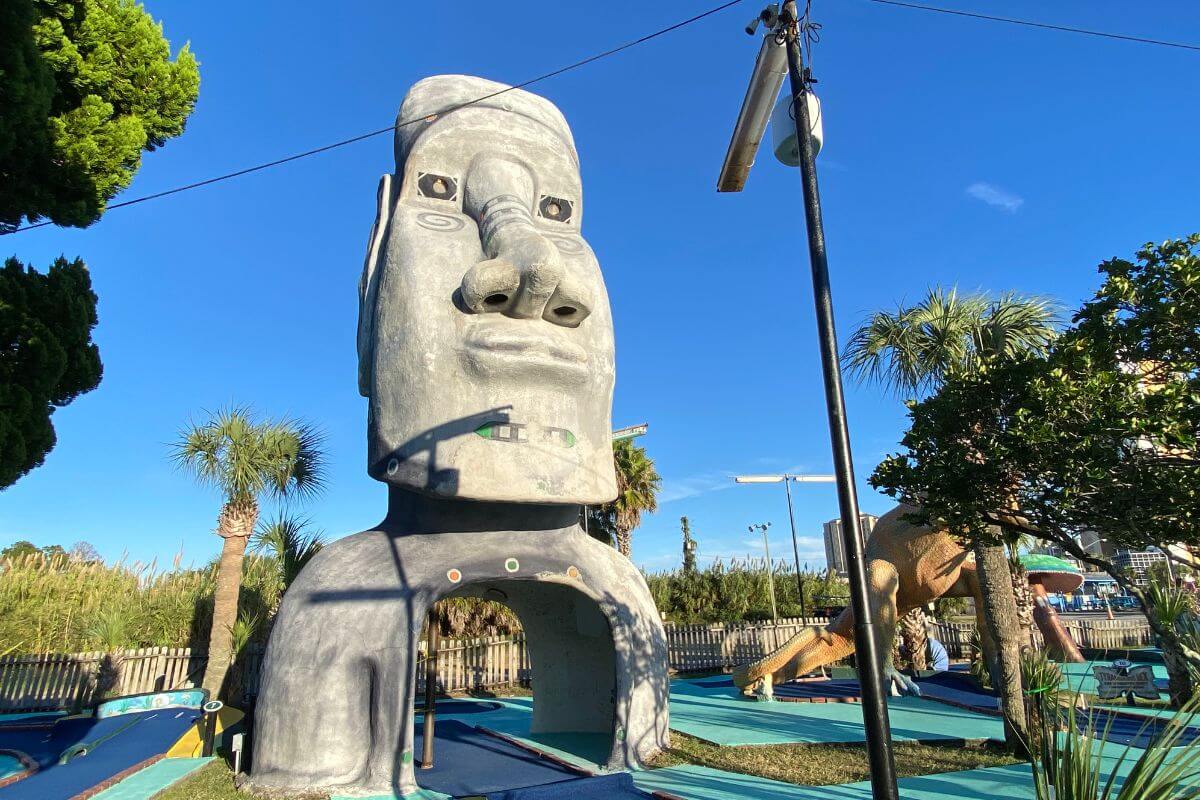
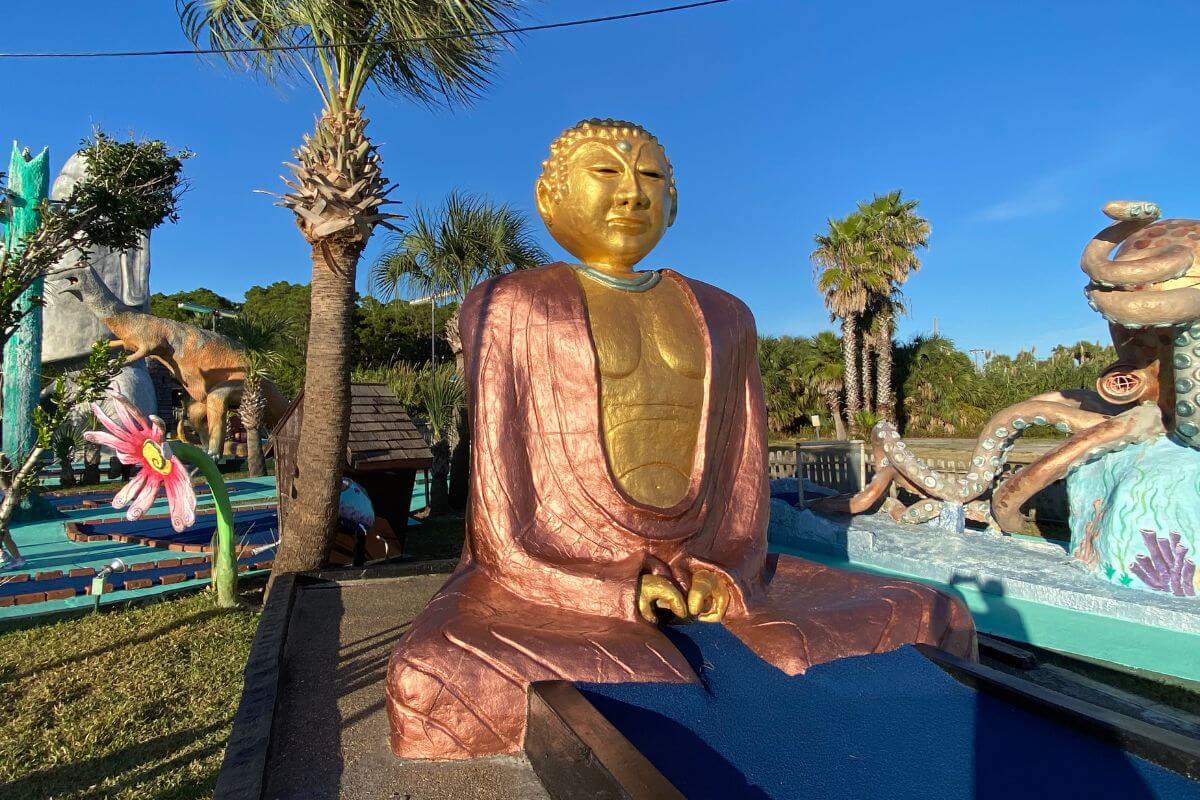
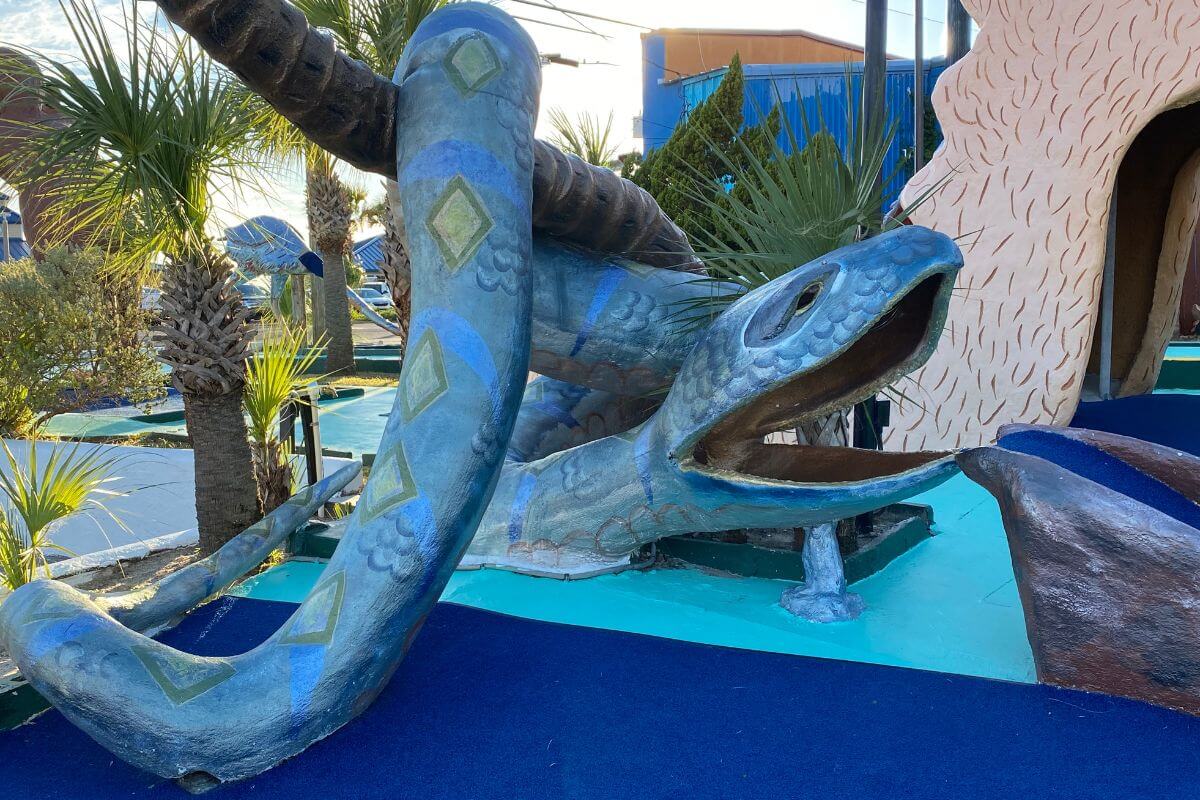
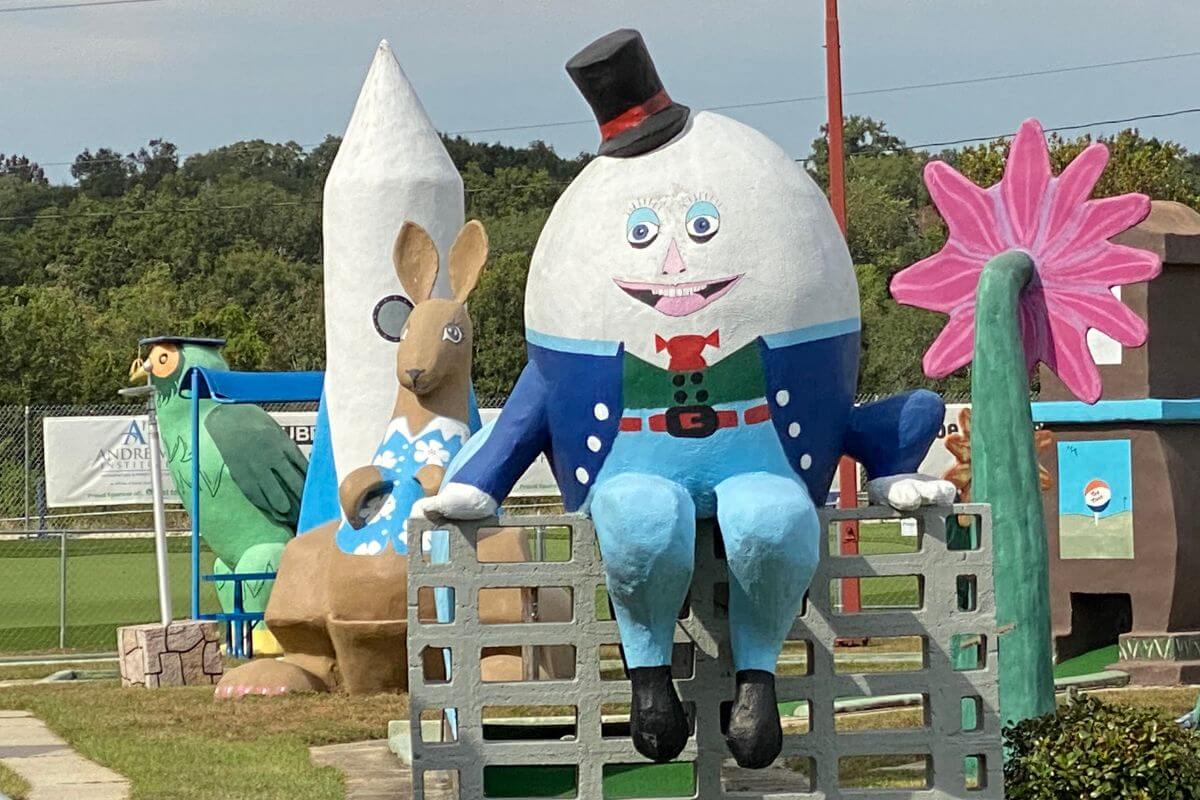
1958 (Fort Walton Beach): The opening of the Goofy Golf location in Fort Walton Beach establishes the oldest surviving blueprint of the classic, mid-century roadside putt-putt course, featuring oversized, whimsical sculptures designed to capture the attention of passing motorists.
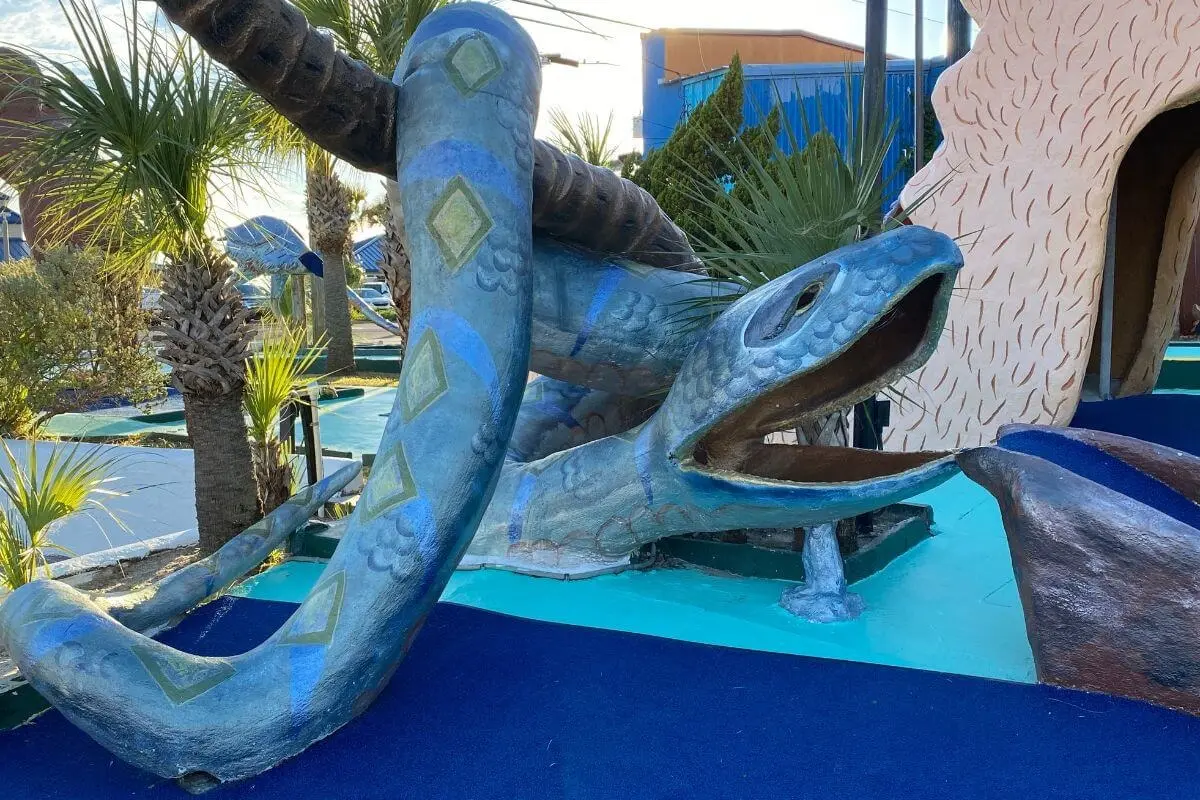
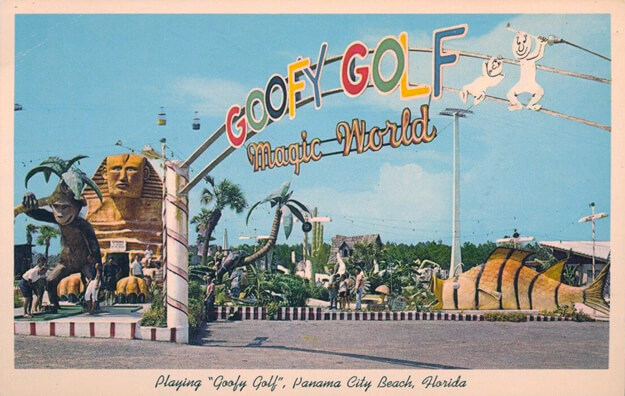
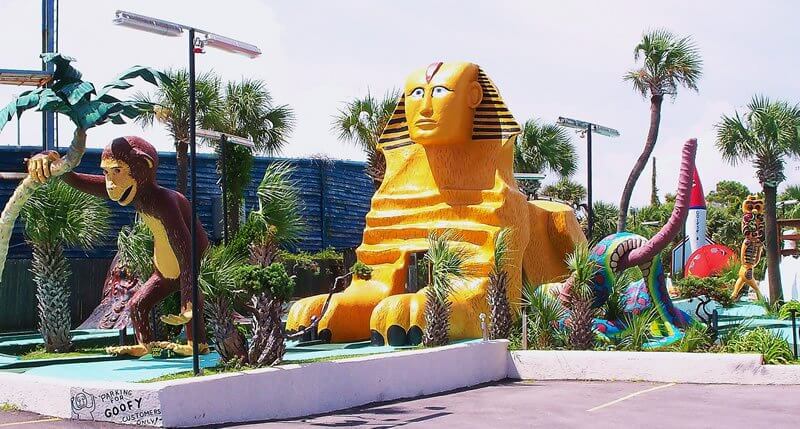
1959 (Panama City Beach): The flagship Goofy Golf opens on Front Beach Road, cementing the Panhandle as an early incubator for large-scale, interactive concrete character statues that double as play-lands.
1960s (The Roadside Boom): Establishments like Boyett’s Grove in Brooksville and Tiki Gardens in Indian Rocks Beach emerge, integrating agricultural fruit stands and exotic "South Seas" imported artifacts into the classic recreational layout.
1980s (The Thematic Shift): Commercial hubs like Kissimmee and International Drive in Orlando experience a boom in narrative-driven design. Venues like Bonanza Golf & Gifts and Pirate’s Cove introduce intricate multi-level topologies, waterfalls, and dedicated storylines.
1990s to Present (The Immersive Era): Major hospitality players—most notably the Walt Disney World Resort and Universal Orlando CityWalk—elevate the medium with Hollywood-grade special effects, cinematic soundtracks, and meticulously manicured professional-grade greens.
Supporting Context & Metrics: Regional Breakdowns and Economics
Operating a miniature golf course in Florida requires navigating a unique set of climatic, economic, and tourism-driven variables. Courses range from hyper-affordable community fixtures charging under $5 to high-end resort attractions exceeding $20 per round.
North Florida & The Panhandle: The Retro Refuges
Characterized by independent ownership and preserved 1950s aesthetics, the Panhandle offers incredible value and historical authenticity.
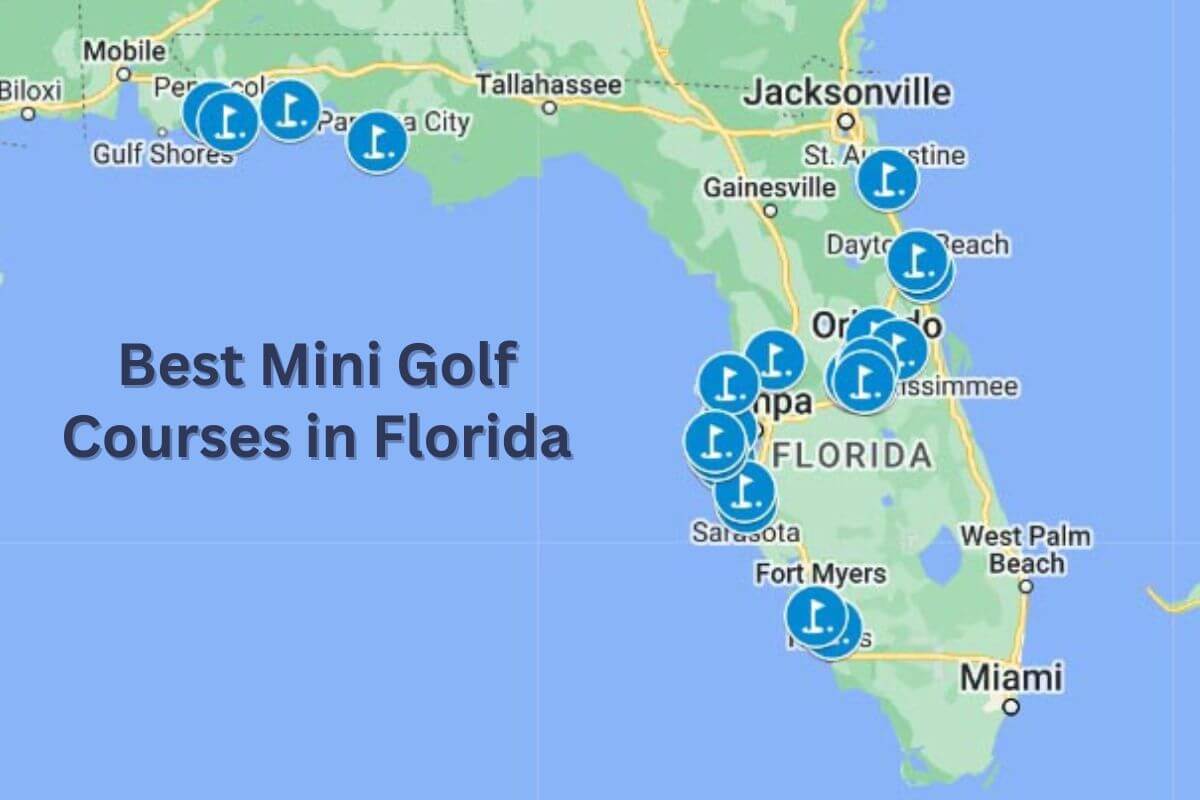
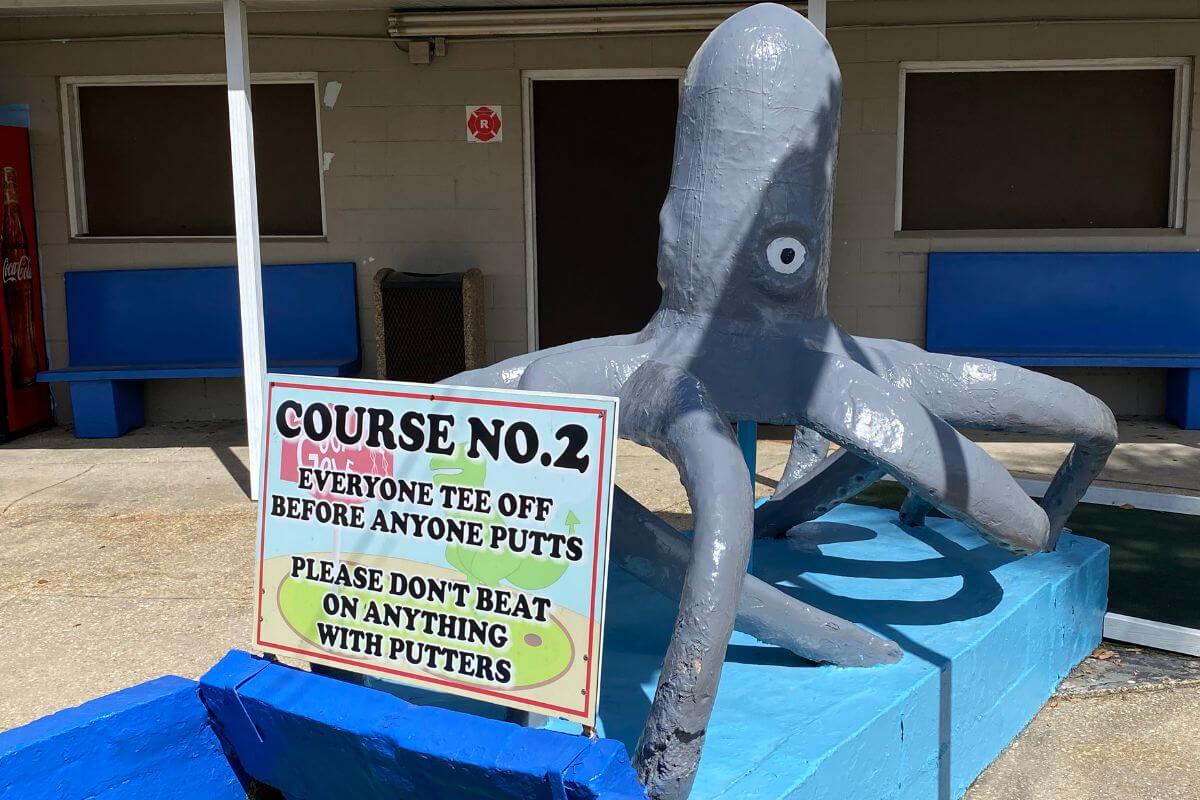
Goofy Golf (Panama City Beach, Fort Walton Beach, Pensacola): Pricing remains remarkably accessible, ranging from $4 to $12 per 18 holes. These courses rely on outdoor, open-air maintenance and iconic character-climbing structures.
UFO’s Mini Golf, Ice Cream & Arcade (Pensacola Beach): Priced around $13 per person, this modern coastal facility incorporates tactical misting systems to combat summer heat while offering a cosmic, family-friendly atmosphere.
Central Florida & Orlando: The Immersive Powerhouses
Home to the world’s most heavily capitalized mini-golf operations, Central Florida treats miniature golf as an extension of the theme park experience.
Hollywood Drive-In Golf (Universal CityWalk): Offering single-feature (18 holes) pricing starting around $21.99 for adults, this location leverages complex lighting rigs for nocturnal play.
Walt Disney World (Fantasia Gardens & Winter Summerland): Adult tickets average $19, positioning these courses as premium yet accessible alternatives to full-scale theme park gates, situated within walking distance of major resort hubs.
Pirate’s Cove & Bonanza Golf (International Drive & Kissimmee): Ranging from $13.95 to $16.95 for single rounds, these locations specialize in 36-hole adventure packages designed to extend guest dwell time.
Southwest & Gulf Coast: The Eco-Entertainment Model
Southwest Florida integrates regional wildlife education directly into the putting experience.
Smuggler’s Cove Adventure Golf (5 Locations): Blending 18-hole pirate-themed layouts with live American alligator exhibits housing 20 to 30 specimens, these facilities offer an interactive educational component alongside traditional putting greens.
Official Statements and Industry Insights
Industry stakeholders and local historians emphasize that miniature golf’s longevity in Florida stems from its adaptability.
"Miniature golf is one of the few remaining accessible, analog entertainment forms that bridges generations," notes a senior recreational tourism analyst in Central Florida. "While theme parks push toward virtual integration and digital screen-based rides, the tactile experience of holding a putter, calculating the break of a felt green, and navigating a concrete windmill remains universally engaging."
Furthermore, operators of historic venues—such as the First Tee-managed Goofy Golf in Pensacola—highlight the community stewardship required to maintain mid-century landmarks. By balancing affordability with historical preservation, these facilities ensure that families from all economic backgrounds can participate in a cherished slice of Florida Americana.
Future Outlook
As Florida’s tourism economy continues to expand, the miniature golf sector faces both exciting opportunities and operational challenges. Rising real estate values in prime coastal and metropolitan zones place pressure on standalone independent operators, prompting a pivot toward multi-attraction models—such as combining courses with arcades, ice cream parlors, and live animal exhibits, as seen at Boyett’s Citrus Attraction and Smuggler’s Cove.
Concurrently, high-end developments in Orlando and tourist corridors will likely continue to push the boundaries of environmental immersion, incorporating advanced projection mapping, interactive animatronics, and sustainable turf technologies to withstand Florida’s intense ultraviolet radiation and heavy seasonal rainfall.
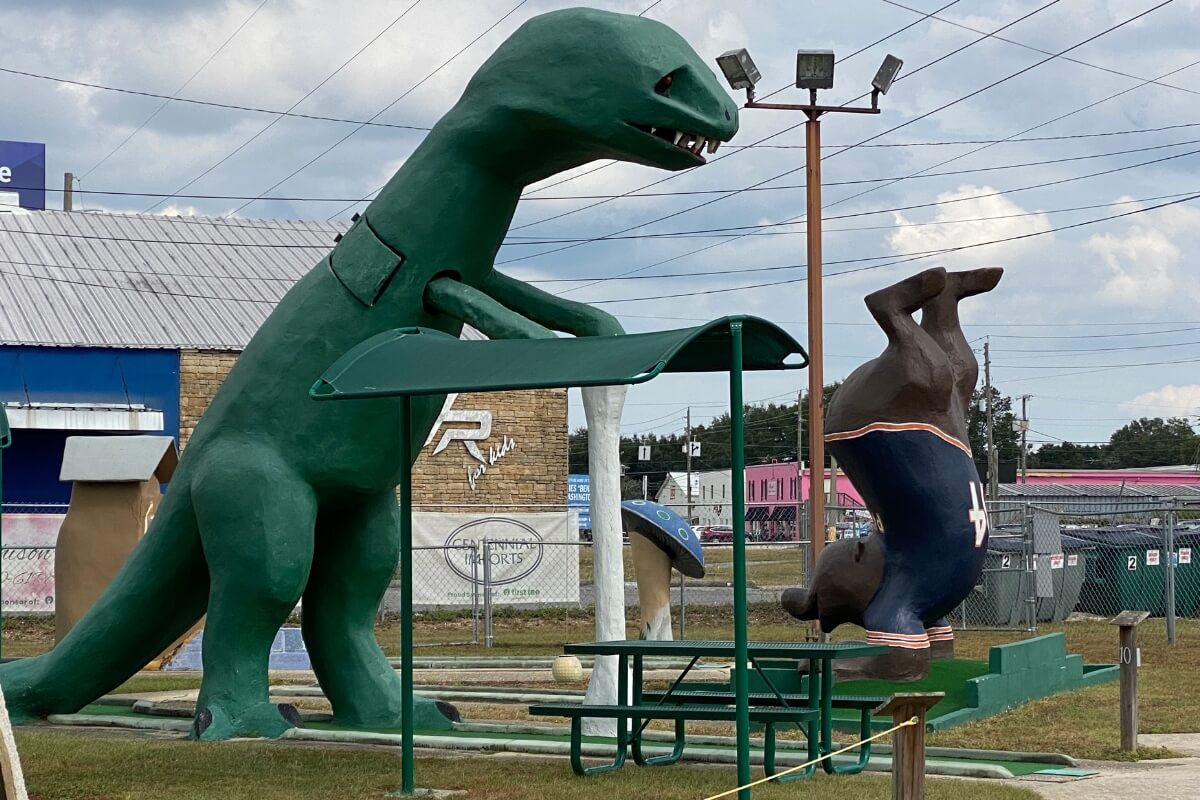
Ultimately, whether through the neon-lit nostalgia of a 1950s Panhandle concrete dinosaur or the cinematic polish of an Epcot-adjacent fairway, miniature golf in the Sunshine State remains an enduring testament to the power of simple, shared play.



0 Comments