In a decisive move to address lingering academic gaps, bolster employee retention, and fortify organizational infrastructure, the School Board of Alachua County (SBAC) unanimously approved a comprehensive suite of six strategic goals for the 2026–27 school year during its regular meeting on Tuesday, September 15. The adopted plan establishes aggressive Key Performance Indicators (KPIs) across six core operational and educational domains: raising overall student academic proficiency, narrowing persistent achievement disparities, improving early childhood education, retaining instructional and administrative talent, preserving fiscal stability, and formalizing institutional workflows through standardized operational procedures.
The unanimous vote reflects a consolidated effort by district leadership and the board to establish measurable benchmarks for Alachua County Public Schools (ACPS). Designed to steer the district through the mid-2020s, these objectives directly confront critical vulnerabilities within the system—ranging from a recent drop in third-grade promotion rates and kindergarten readiness to high administrative turnover and systemic achievement gaps between demographic subgroups. By establishing quantifiable metrics, district officials intend to enforce institutional accountability across all seven administrative divisions and bring heightened transparency to local public education governance.
Detailed Chronology: From Workshop Ideation to Unanimous Adoption
The formulation of the 2026–27 strategic targets was not an overnight endeavor. According to Dr. Cathy Atria, Deputy Superintendent of ACPS, the foundational blueprint for these goals emerged during a targeted board workshop held on April 29. During that session, district leaders presented baseline performance data, long-term educational trends, and preliminary operational metrics to board members.
"The consensus of the board at that time was to bring forward what follows as the board’s formal goals with suggested key performance indicators, also known as KPIs," Atria explained to the board during the September 15 public meeting.
The period between the late-April workshop and the September approval allowed district administrators to synthesize public feedback, review historical trajectory data, and align departmental objectives with board priorities. When the regular session convened on September 15, the draft document presented by the administration reflected refined statistical targets for academic achievement, staff retention, fiscal reserves, and operational standardizations.
Following a detailed presentation detailing each KPI and an extended line of questioning regarding administrative pipelines, third-grade reading declines, and assistant principal compensation, the board called for a vote. The six strategic goals were formally adopted without a single dissenting vote, setting the administrative agenda and accountability framework for the upcoming academic year.
Supporting Context & Metrics: A Deep Dive into the Six Strategic Pillars
+-----------------------------------------------------------------------------------+
|               ACPS STRATEGIC TARGETS SUMMARY (2025-26 vs. 2026-27)                |
+------------------------------------+------------------+---------------------------+
| Performance Metric                 | 2025-26 Baseline | 2026-27 Target            |
+------------------------------------+------------------+---------------------------+
| PM3 ELA Proficiency (Grades 3-10)  | 59%              | 61%                       |
| PM3 Math Proficiency (Grades 3-8)  | 55%              | 57%                       |
| Traditional HS Graduation Rate     | 94%              | 95%                       |
| Third-Grade Promotion Rate         | 89%              | 91%                       |
| Black/White ELA Gap                | 38 points        | 35 points                 |
| Black/White Math Gap               | 40 points        | 37 points                 |
| SWD vs. Non-SWD ELA Gap            | 40 points        | 37 points                 |
| SWD vs. Non-SWD Math Gap           | 33 points        | 30 points                 |
| VPK Kindergarten Readiness Rate    | 68%              | 71%                       |
| Instructional Staff Retention      | 69%              | 71%                       |
| School-Based Administrator Ret.    | 88%              | 91%                       |
| District Administrator Retention   | 87%              | 89%                       |
| Fund Reserve Minimum Balance       | Maintain 5%      | Maintain 5% (to June '27) |
| Standard Operating Procedures      | N/A              | 130 SOPs (7 Divisions)    |
+------------------------------------+------------------+---------------------------+
Pillar 1: Academic Achievement and Promotion Standards
The primary objective of the adopted framework focuses directly on classroom output and baseline learning metrics measured through Florida’s Progress Monitoring (PM3) standardized testing ecosystem.
English Language Arts (ELA): ACPS targets a district-wide ELA proficiency rate of 61% for students in grades 3 through 10 on the PM3 assessment. This target represents a two-percentage-point increase over the 59% proficiency rate recorded in 2025–26.
Mathematics: For students in grades 3 through 8 taking general mathematics, Algebra 1, and Geometry assessments, the district aims to reach a 57% PM3 math proficiency rate, climbing from 55% in the previous academic period.
Graduation Rates: Across the district’s seven traditional high schools, administrators are seeking to push the cohort graduation rate to 95%, building upon the 94% baseline established in 2025–26.
Third-Grade Promotion: The board set a target third-grade promotion rate of 91%, up from 89% in 2025–26. However, district performance data reveals that while this goal represents year-over-year recovery, it remains beneath the 94% promotion rate achieved during the 2023–24 school year, underscoring an ongoing struggle to recover ground lost in early-grade literacy.
Pillar 2: Achievement Gap Reduction
The second strategic goal directly targets long-standing equity challenges across racial demographics and learning support categories. District data confirms steady progress in narrowing performance disparities annually since the 2023–24 academic year, a trend administrators intend to accelerate.
Racial Parity Metrics: The district aims to contract the ELA proficiency gap between Black and white students from 38 percentage points in 2025–26 to 35 percentage points in 2026–27. Similarly, the math gap between Black and white students—which stood at 40 percentage points—is targeted for a reduction to 37 points.
Students with Disabilities (SWD): Equivalent three-percentage-point reductions are mandated for exceptional student education. ACPS plans to shrink the ELA gap between students with disabilities and their neurotypical peers from 40 points to 37 points, while compressing the mathematics gap from 33 points to 30 points.
Pillar 3: Early Learning and Primary Literacy
Recognizing that early intervention directly influences downstream academic success, the third pillar emphasizes primary education and Voluntary Prekindergarten (VPK) preparedness.
Kindergarten Readiness: District metrics revealed a concerning decline in early learning indicators: the percentage of VPK students entering kindergarten fully prepared dropped from 73% in 2024–25 to 68% in 2025–26. To reverse this trajectory, the newly adopted goal mandates an increase to a 71% readiness rate for the 2026–27 school year.
K–2 Literacy: The district will also implement dedicated literacy proficiency tracking across kindergarten, first, and second grades to capture reading deficits before students hit mandatory third-grade promotion benchmarks.
Pillar 4: Human Capital Development and Workforce Retention
Addressing systemic staffing instability across schools and central administrative facilities forms the core of the fourth goal.
Instructional & Support Staff: ACPS seeks to raise its instructional staff retention rate to 71%, up from 69% in 2025–26. Furthermore, the district is introducing separate retention tracking mechanisms specifically for Educational Support Professionals (ESP) and professional/technical employees.
Administrative Leadership: School-based administrator retention is targeted to increase from 88% to 91%, while district-level administrator retention is slated to rise from 87% to 89%.
Pillars 5 & 6: Fiscal Stewardship and Institutional Governance
The final two goals focus on long-term systemic stability, financial management, and operational standardization.
Financial Management: The district committed to maintaining a strict 5% fund balance across its general operating funds through June 30, 2027. To enforce real-time fiscal monitoring, ACPS will construct live, accessible financial dashboards for every school and central department by January 2027. District administrators and financial personnel will also undergo mandatory twice-yearly budget management training.
Operational Standardization: ACPS plans to draft, validate, and execute 130 formal Standard Operating Procedures (SOPs) across seven administrative divisions, encompassing operational logistics, facilities management, instructional delivery, and human resources.
Official Statements and Board Dynamics
The adoption meeting featured substantive exchanges between board members and central administration officials, highlighting key concerns regarding administrative support, pipeline development, and historical learning drops.
Addressing Early Literacy Slumps
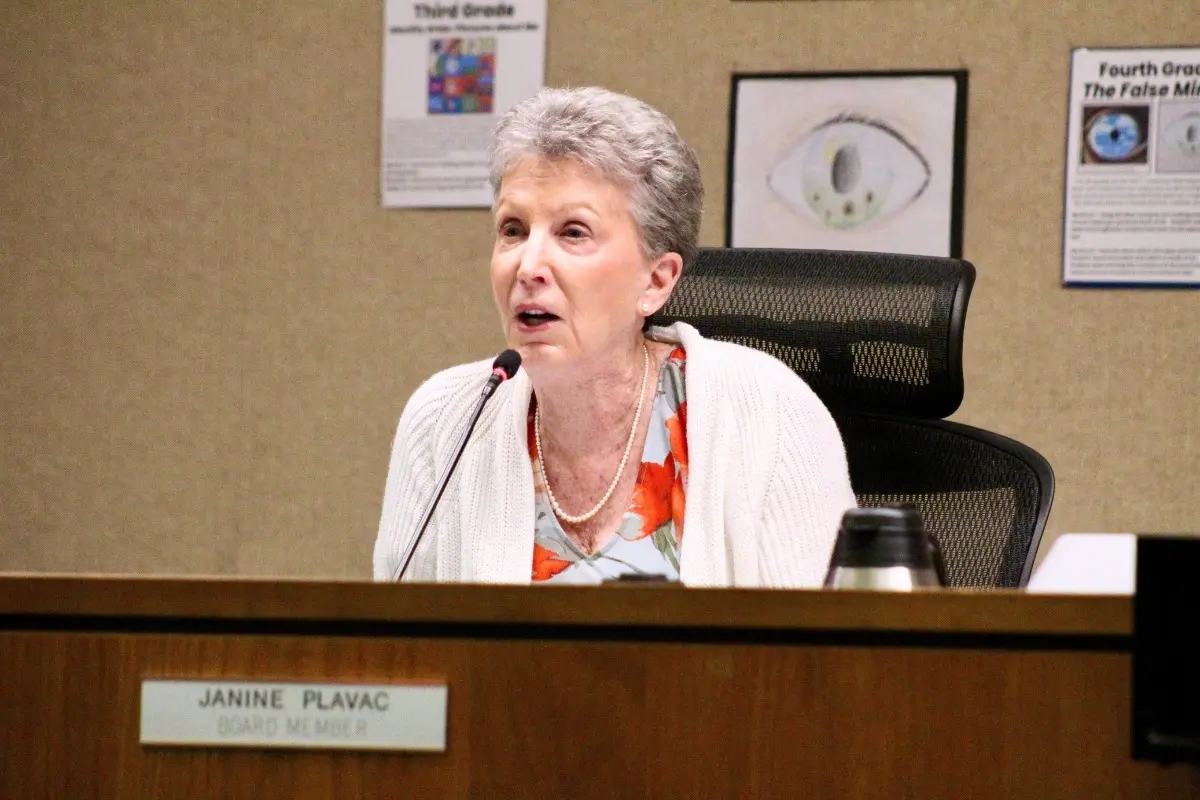
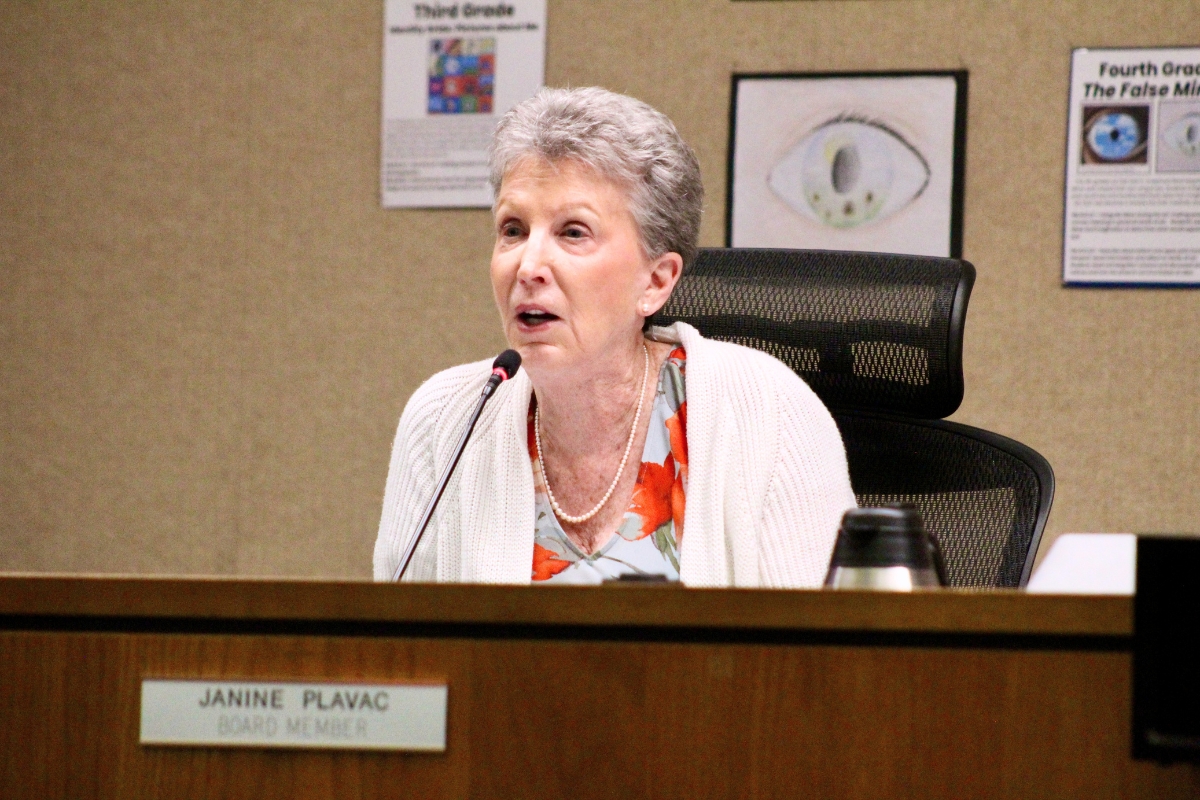
During the discussion on academic metrics, Board Member Janine Plavac questioned the administration about the underlying causes behind the multi-year decline in third-grade performance, noting that promotion rates had slipped significantly between 2023 and 2025.
Dr. Cathy Atria acknowledged the complexity of the drop, indicating that multi-faceted post-pandemic variables continue to impact student cohorts:
"I’m not sure that I have a complete answer for that. I think that there are a lot of variables when we think about where those students were in third grade three years previous, and what we knew was happening in schools."
Administrative Retention and Leadership Pipelines
The conversation turned to human resources during an exchange between Board Vice Chair Leanetta McNealy and Deborah Terry, Assistant Superintendent for Human Resources. McNealy pressed the administration on its plans to elevate school-based administrator retention from 88% to 91%, questioning the efficacy of existing career development structures.
Vice Chair Leanetta McNealy: "I don’t see it." (referring to the administrative pipeline)
Deborah Terry: "As we looked at the research, we find that administrators and supervisors are the reasons why employees stay. So, we want to work with administrators and supervisors to do what we can in order to create those environments where employees want to come back, where they want to stay, [and] they feel valued… For instance, this year, we’ve gone to full-day meetings with our assistant principals so that they have half a day of getting the information, and then the other half is training. The more training that we can give to our assistant principals, then that is going to help them stay so that they can look forward to being a principal so that we continually have that pipeline."
Terry added that the district is capitalizing on its instructional specialist positions to cultivate future campus leaders:
"One of the other things that we have now are our literacy specialists and our math specialists. They are now becoming those instructional leaders, so they will become our future APs [Assistant Principals]. They will be true instructional leaders because they will have that background."
Assistant Principal Valuation and Compensation
Board Member Plavac highlighted feedback from campus administrators, emphasizing that structural professional development must be paired with adequate recognition and competitive compensation to prevent executive burnout.
Janine Plavac: "We have heard from different APs that they love doing their job, but they feel they’re undervalued in some respects. I think that’s an area that we could improve on—whether it’s a financial thing, whether it’s going back to their compensation prior to that, I think that’s really, really important, and that’s something we can change."
Operational Infrastructure and SOP Implementation
Outlining the necessity of Goal Six—the institutionalization of 130 Standard Operating Procedures—Dr. Atria underscored that operational clarity is essential for legal compliance, risk management, and district-wide continuity.
Atria emphasized that formalizing procedures across the district’s seven operational divisions will eliminate administrative ambiguities, institutionalize best practices regardless of staff turnover, and optimize decision-making efficiency across all school sites.
Future Outlook: Operationalization and Implementation Risks
With the unanimous vote recorded, the School Board of Alachua County faces the complex task of translating broad policy goals into measurable classroom and operational outcomes. The district’s strategic execution plan relies heavily on strict interim milestones scheduled throughout the 2026–27 fiscal year.
The primary structural test will occur in January 2027, when the district is mandated to launch real-time budget tracking dashboards across all schools and administrative divisions. This technical rollout is aimed at providing site administrators with direct oversight of active expenditures and remaining fund balances, preventing end-of-year fiscal surprises and keeping operating reserves above the targeted 5% threshold.
Concurrently, the instruction and human resources departments face significant execution demands:
Academic Intervention: Restoring third-grade promotion rates to 91% and reversing kindergarten readiness drops will require targeted early-literacy interventions and early childhood support programs within the first two quarters of the academic cycle.
Equity Monitoring: Closing gap benchmarks by three percentage points across racial and special education demographics requires precise, data-driven progress monitoring throughout PM1, PM2, and PM3 testing cycles.
Leadership Stabilization: Resolving administrative dissatisfaction surrounding workload and compensation will determine whether the district can meet its high 91% administrator retention target.
By formally locking in these six strategic objectives, the School Board of Alachua County has established a clear oversight blueprint. The upcoming academic year will test whether these defined metrics and administrative pipelines can drive systemic, long-term improvement across the district.



0 Comments