

Executive Overview
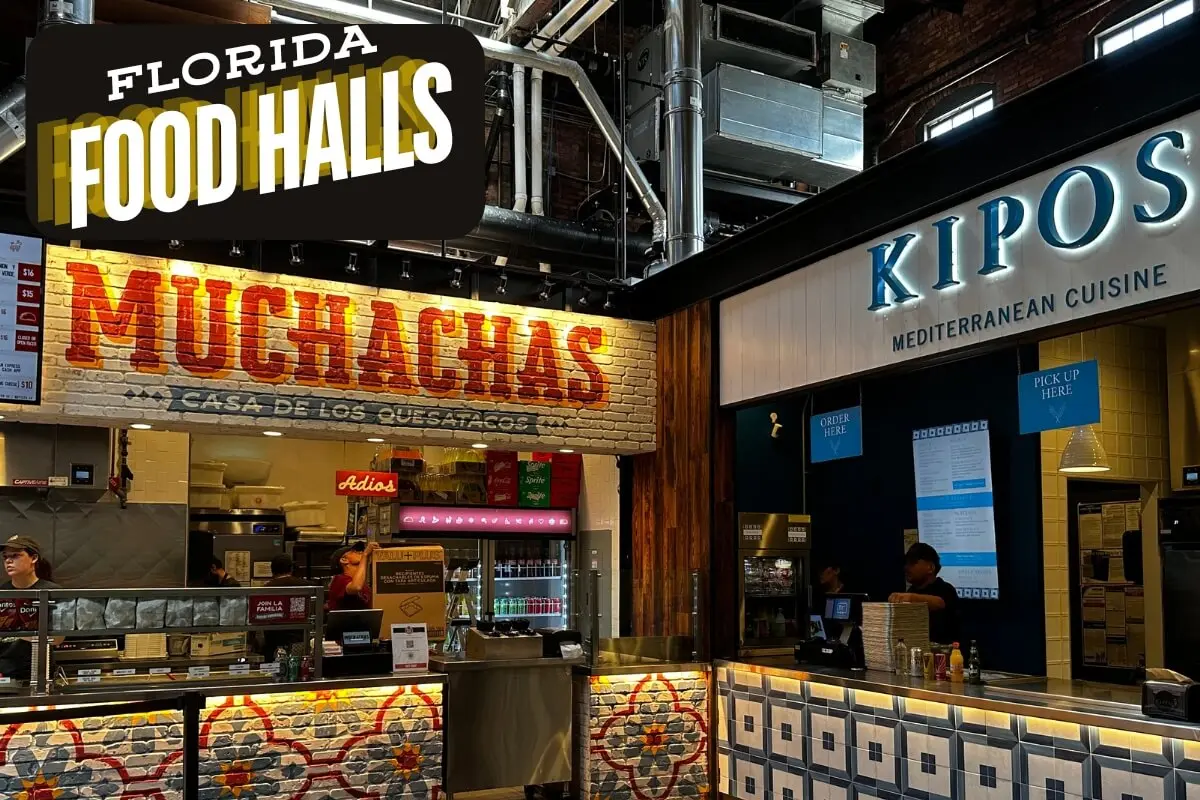
Over the past decade, the culinary landscape of Florida has undergone a dramatic transformation. While traditional food courts of yesteryear—characterized by generic fast-food franchises and standardized menus—continue to fade from cultural relevance, a sophisticated successor has taken their place: the modern artisanal food hall. Combining community gathering spaces, historic adaptive reuse, and high-end culinary curation, Florida’s food halls have emerged as dynamic epicenters of local culture, economic development, and gastronomic innovation.
Unlike conventional dining establishments, food halls operate as collaborative incubators. They lower the barrier to entry for independent chefs, local bakers, and craft beverage makers, allowing them to showcase their talents under a single roof. From the historic brick-and-beam spaces along the Hillsborough River in Tampa to the vibrant, art-infused streetscapes of Miami and Fort Lauderdale, these communal dining destinations reflect the diverse cultural fabric of the Sunshine State.

This comprehensive report examines Florida’s most influential food halls, detailing their origins, standout culinary vendors, community impact, and the broader economic shifts driving their continued expansion.

Detailed Chronology: The Rise of the Florida Food Hall
The evolution of communal dining in Florida did not happen overnight. It represents a steady shift in consumer preferences toward authenticity, local sourcing, and experiential dining.
- Early 2010s: The seed for the modern food hall movement is planted as urban cores across Florida begin revitalization projects. Cities like Orlando and Tampa seek creative ways to breathe new life into historic, underutilized industrial spaces.
- 2013: East End Market opens its doors in Orlando’s Audubon Park neighborhood. Serving as a pioneer in the region, it establishes a blueprint for combining local retail, farming initiatives, and chef-driven concepts within a two-story community market.
- 2016–2018: The movement gains serious momentum with the launch of Plant Street Market in Winter Garden and Armature Works in Tampa. Armature Works, in particular, demonstrates the massive potential of adaptive reuse by transforming a sprawling, dilapidated 1910 streetcar barn into a bustling riverfront destination anchored by the Heights Public Market.
- 2019–2021: South Florida enters the fray with high-profile openings such as MIA Market in the Miami Design District, 1-800-Lucky in Wynwood, and Sistrunk Marketplace in Fort Lauderdale. Despite global economic disruptions, these spaces prove resilient, relying on outdoor patios, takeout models, and community integration to survive and thrive.
- 2022–Present: Food halls expand beyond major metropolitan centers into historic districts and suburban hubs. Destinations like Henry’s Depot in Sanford and Baoshi Food Hall + Bar in Pembroke Pines demonstrate that the appetite for artisanal, multi-vendor dining concepts spans the entire state.
Supporting Context & Metrics: What Sets Food Halls Apart?
To understand the cultural and economic footprint of Florida’s food halls, it is helpful to examine the structural differences between traditional food courts and modern artisan markets:
| Feature | Traditional Food Court | Modern Florida Food Hall |
|---|---|---|
| Vendor Profile | National fast-food chains & franchises | Local independent chefs, artisans, and micro-breweries |
| Design & Architecture | Standardized mall architecture; fluorescent lighting | Historic adaptive reuse; industrial chic; local art installations |
| Beverage Program | Mass-produced soft drinks & corporate beer | Craft cocktail bars, micro-brewery taprooms, and boutique wine shops |
| Community Engagement | Limited to transactional dining | Live music, cooking classes, seasonal festivals, and pet-friendly patios |
Economic and Urban Impact
Urban planners note that food halls serve as powerful catalysts for real estate development. By concentrating foot traffic, they elevate surrounding property values and encourage pedestrian-friendly urban planning. In cities like Tampa and Winter Garden, food halls have successfully anchored broader neighborhood revivals, turning neglected districts into thriving cultural destinations.
Spotlight on Florida’s Premier Food Halls
1. Armature Works — Tampa
Perched on the banks of the Hillsborough River in Tampa Heights, Armature Works is a masterclass in historic preservation. Originally constructed in 1910 as a storage and maintenance facility for the Tampa Electric Company streetcars, the cavernous brick building has been meticulously restored into a premier community hub.
At its core is the Heights Public Market, a collection of quick-service stalls, full-service restaurants, and vibrant bars. Culinary offerings span the globe, from artisanal pasta to authentic empanadas by Empamamas. Beyond daily dining, Armature Works functions as an active cultural venue, hosting major community gatherings such as the Heights District’s Annual Fall Fest and the Annual Brews & Blues Beer & Music Festival.
- Address: 1910 N Ola Ave, Tampa, FL 33602
2. MIA Market — Miami
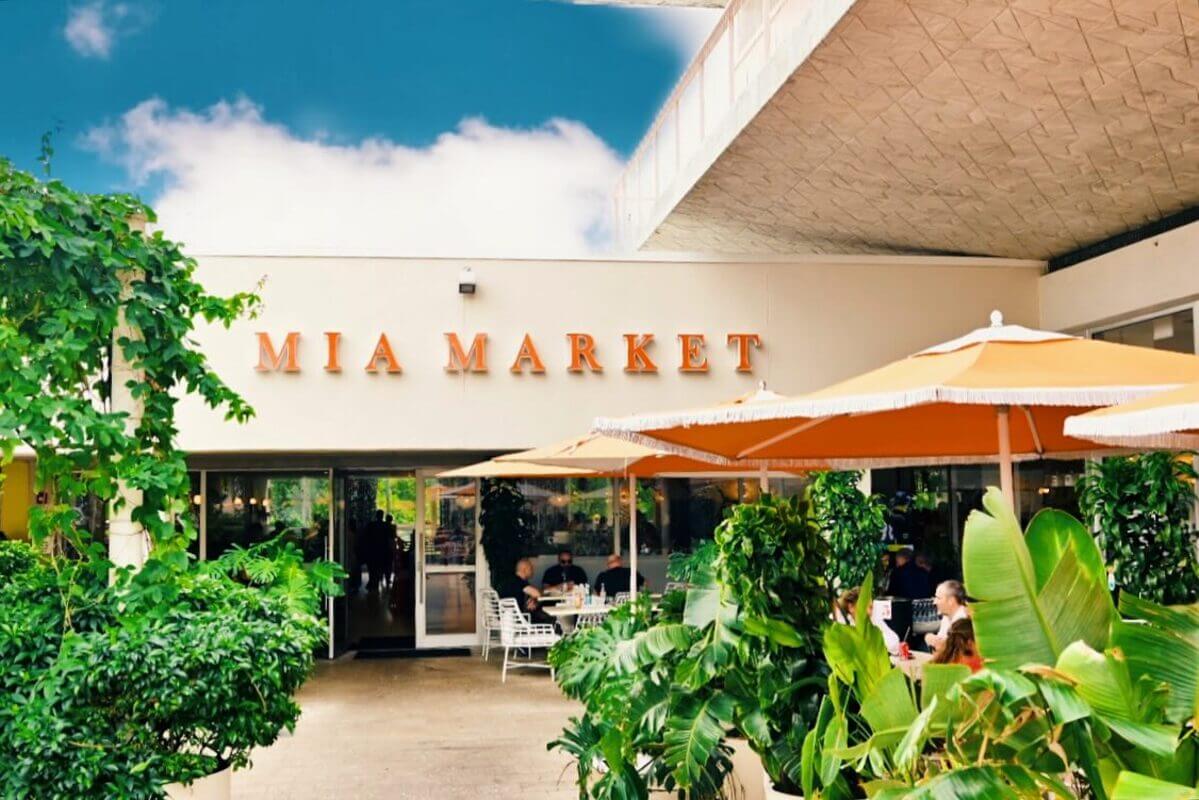
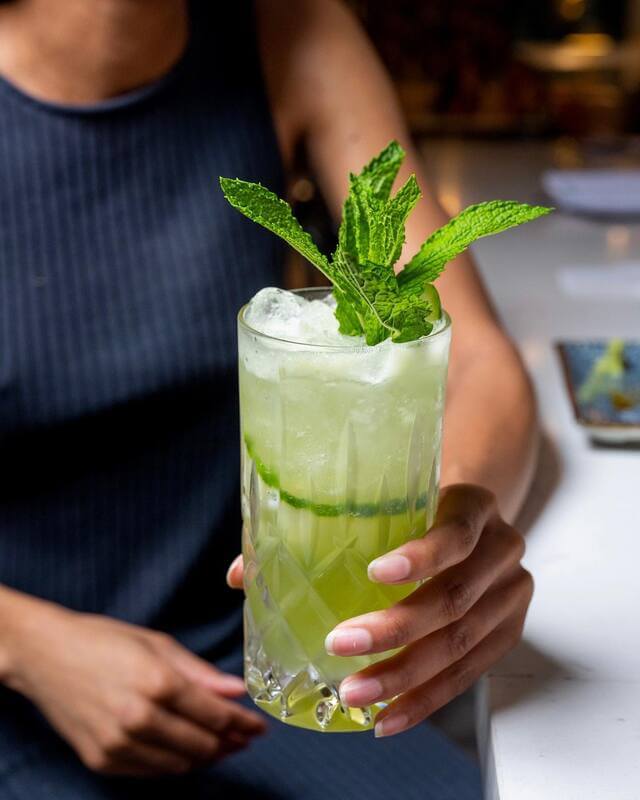
Located just north of Downtown Miami within the prestigious Miami Design District, MIA Market represents the pinnacle of chef-driven, design-forward dining in South Florida. Featuring approximately 10 distinct vendors alongside a sophisticated cocktail bar, the market champions chef-to-table concepts.
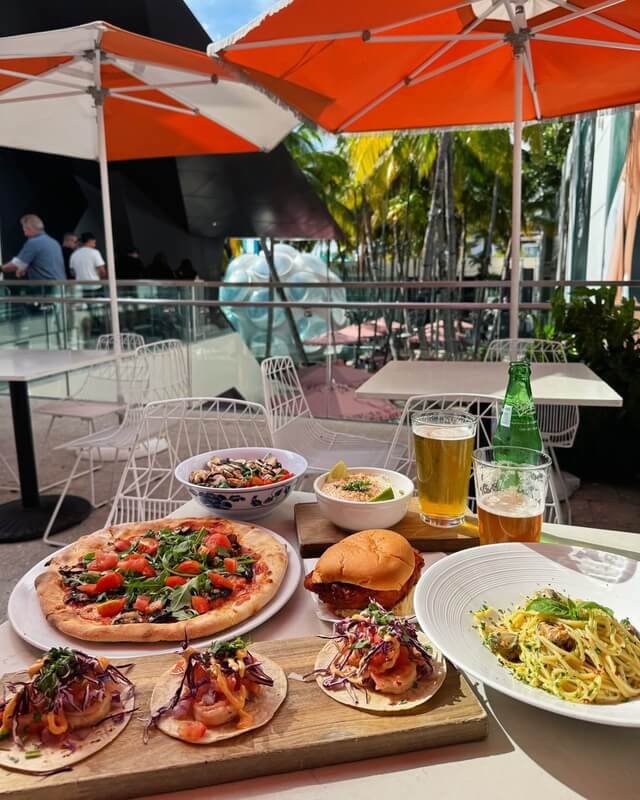
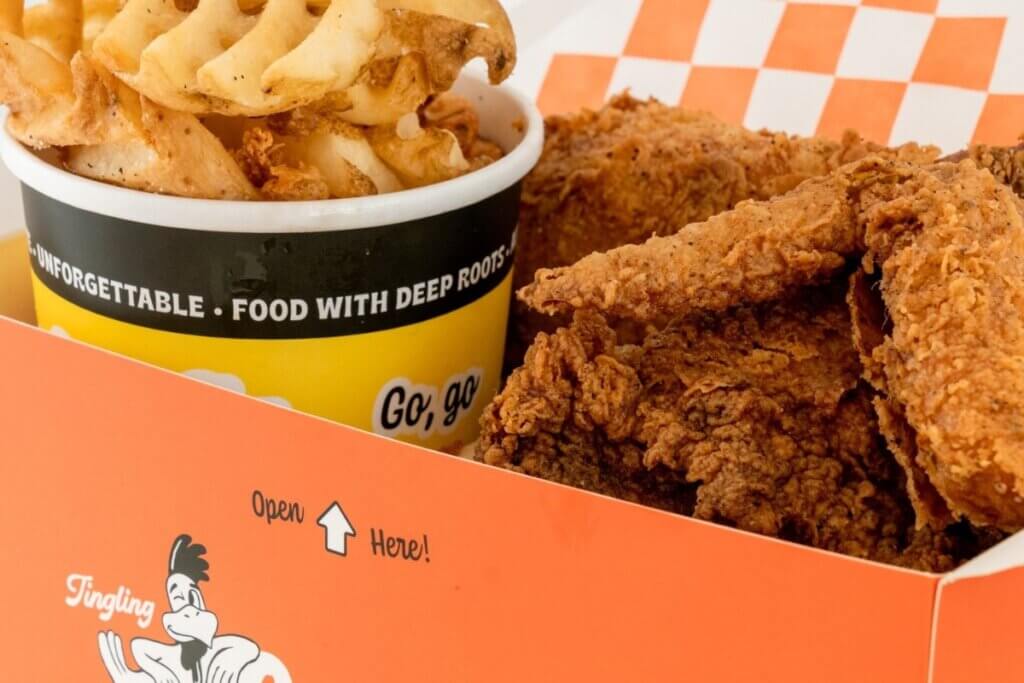
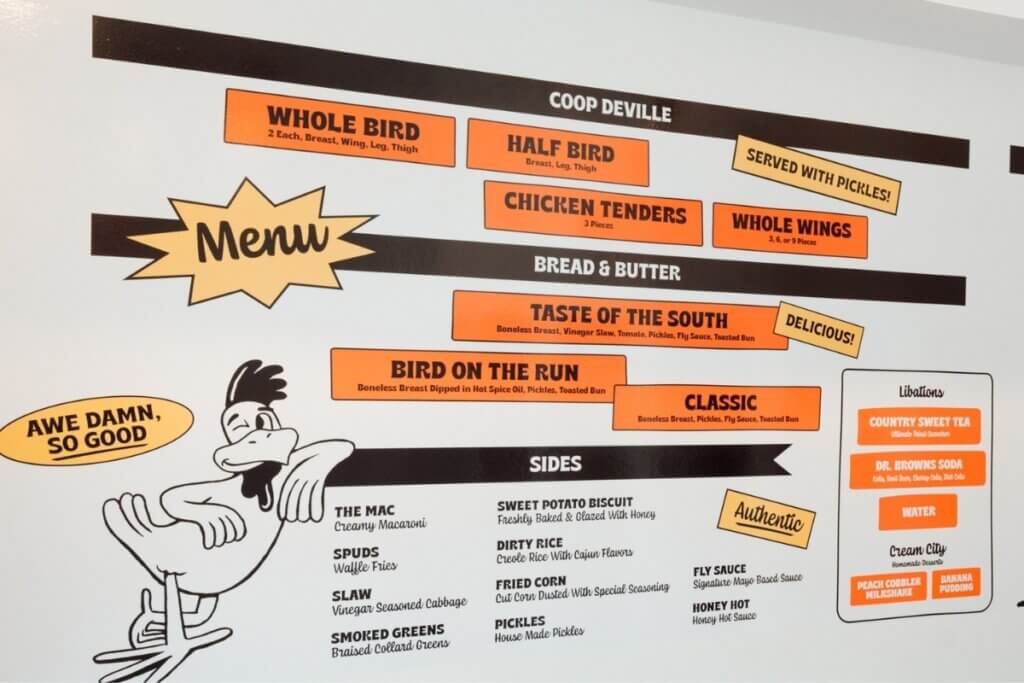
A standout tenant is Soulfly Chicken, celebrated widely for its award-winning fried chicken wings, decadent sides like macaroni and cheese, and comforting banana pudding. MIA Market offers a sleek, indoor retreat where visitors can sample everything from Southern comfort food to Japanese street fare.
- Address: 140 NE 39th St., Miami, FL 33137
3. Plant Street Market — Winter Garden
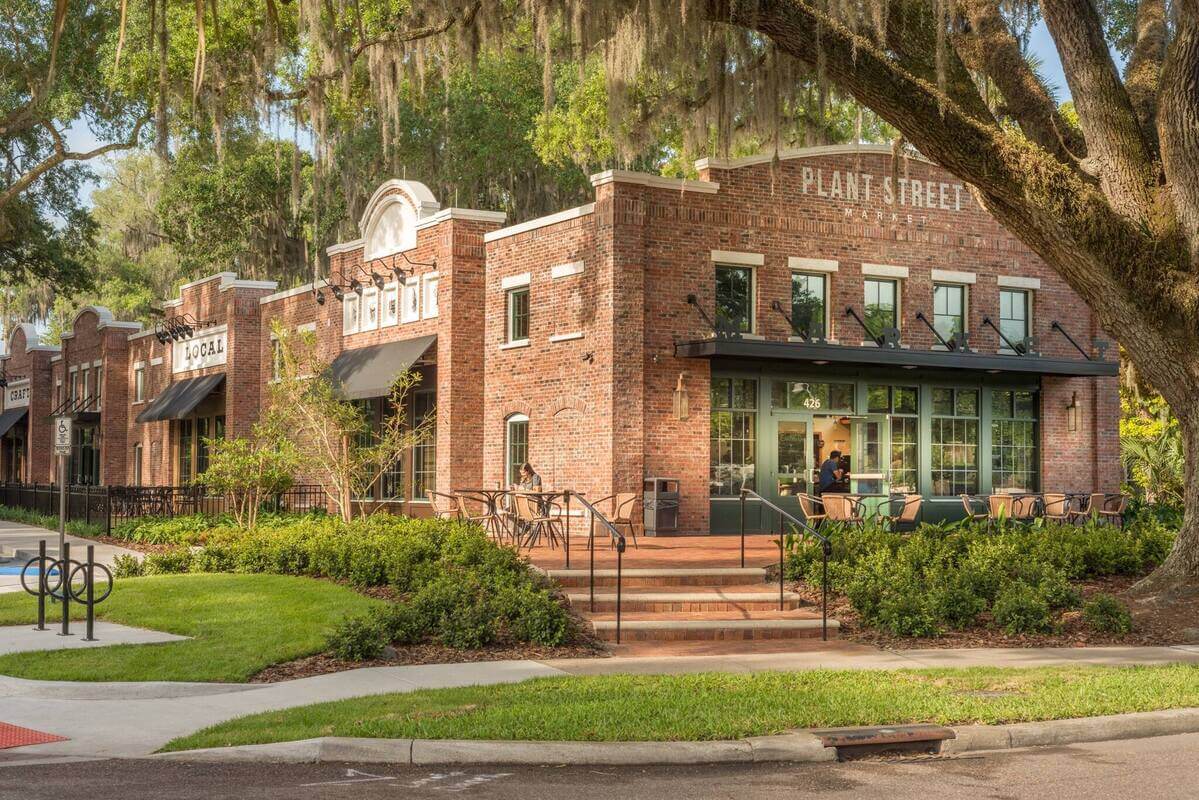
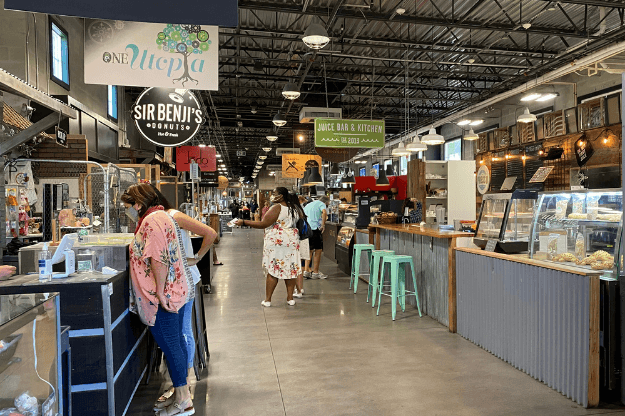
Situated in the heart of historic downtown Winter Garden in Central Florida, Plant Street Market brings a cozy, community-centric charm to the food hall genre. Housing roughly 20 independent vendors, the market serves up everything from fresh oysters and artisanal empanadas to wood-fired pizza.
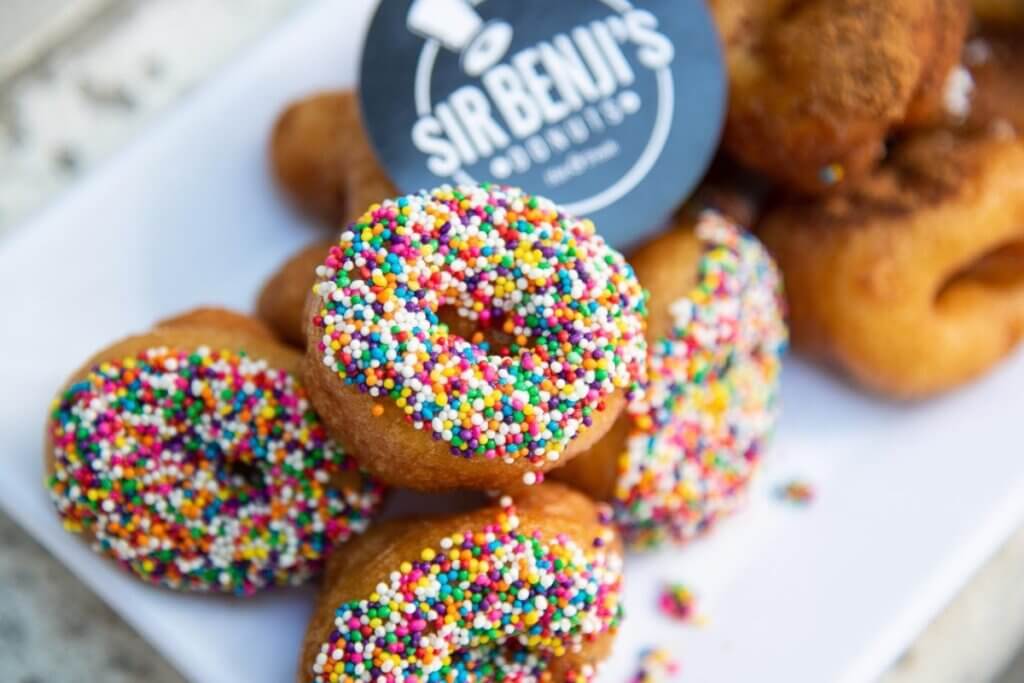
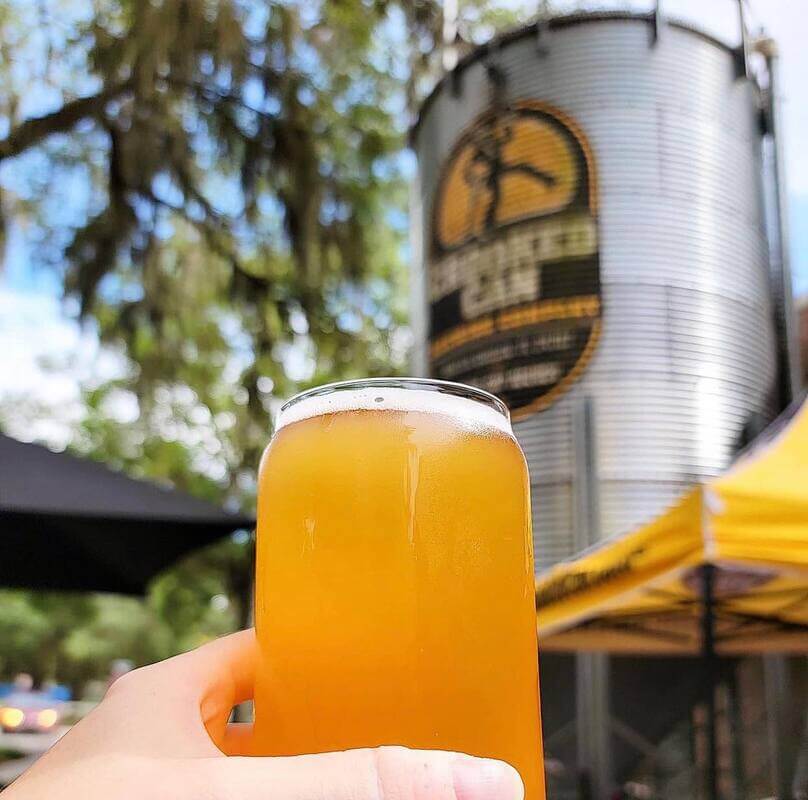
Sweet tooths are well catered to by spots like Sir Benji’s Donuts and Paleteria Handcrafted Popsicles. However, the undeniable heartbeat of the market is the Crooked Can Brewing Company, a prominent microbrewery featuring an extensive taproom. With its expansive, pet-friendly outdoor patio and regular live music performances, Plant Street Market acts as the vibrant living room of Winter Garden.
- Address: 426 W Plant St., Winter Garden, FL 34787
4. East End Market — Orlando
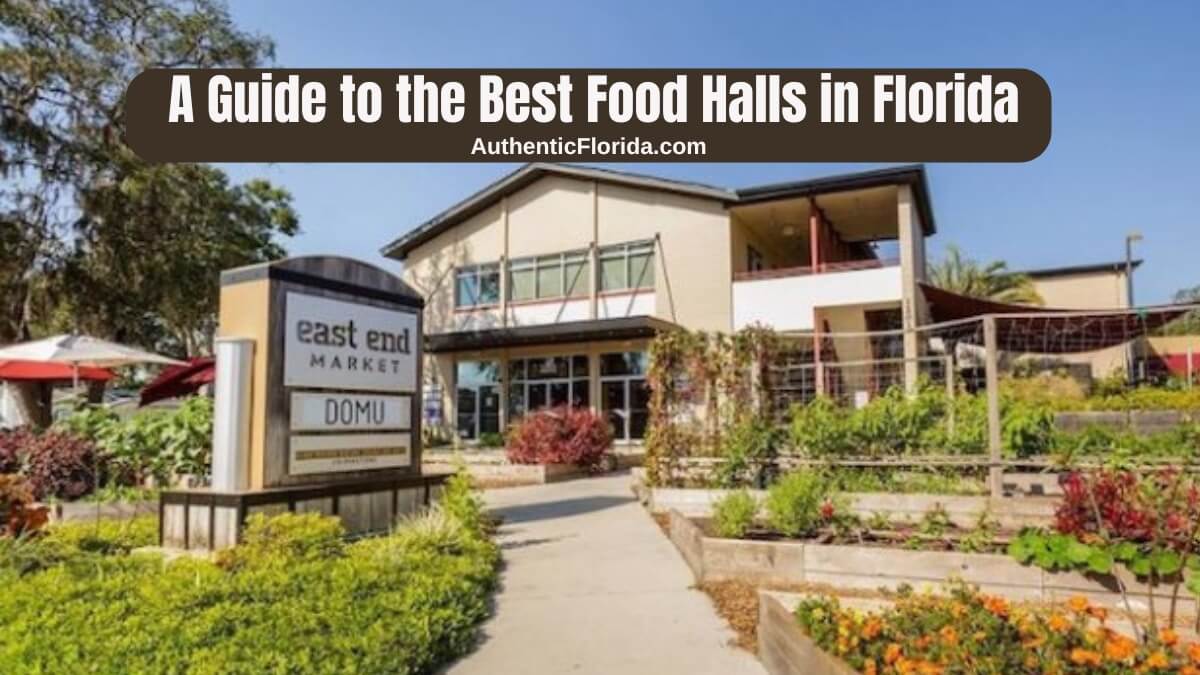
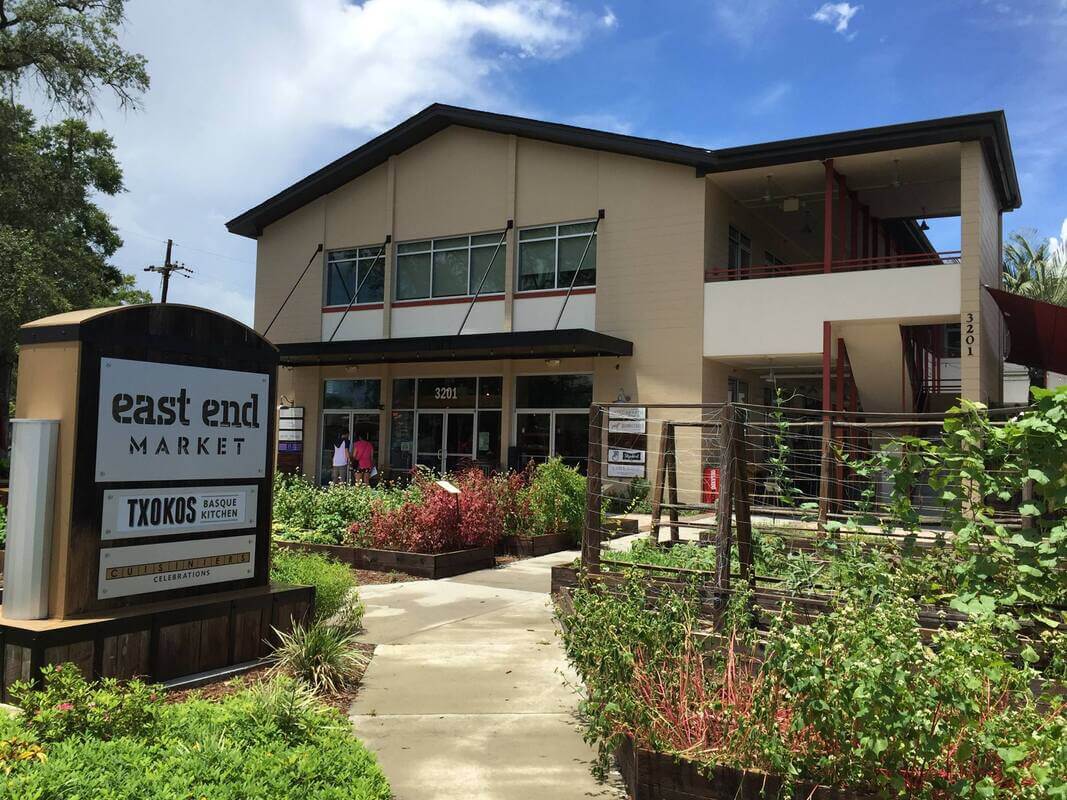
Operating in Orlando’s eclectic Audubon Park Garden District, East End Market is a two-story neighborhood hub dedicated to local food culture, sustainable agriculture, and artisanal retail.
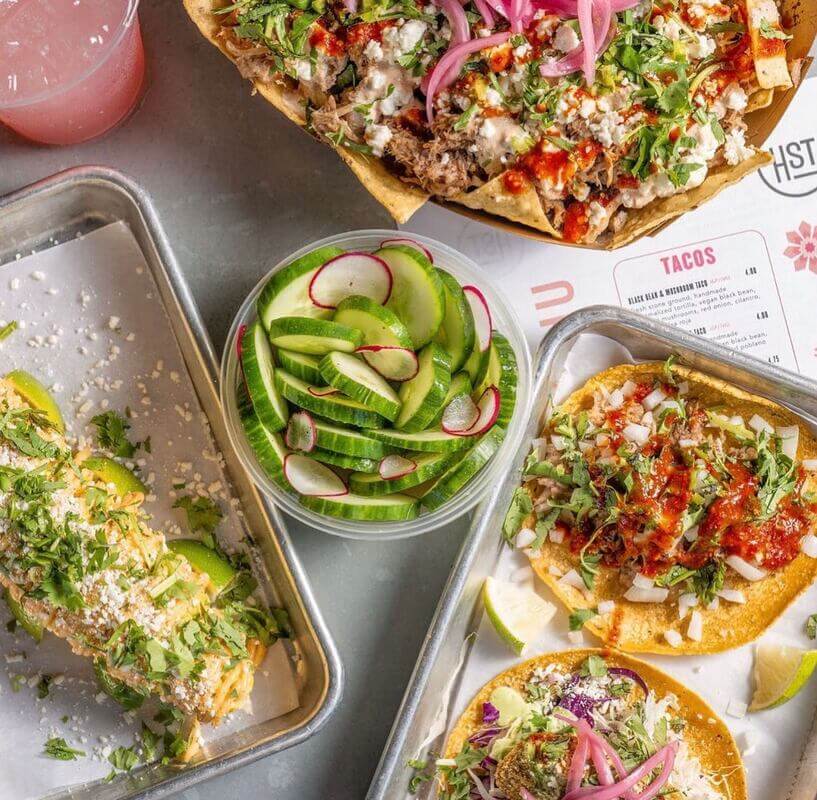
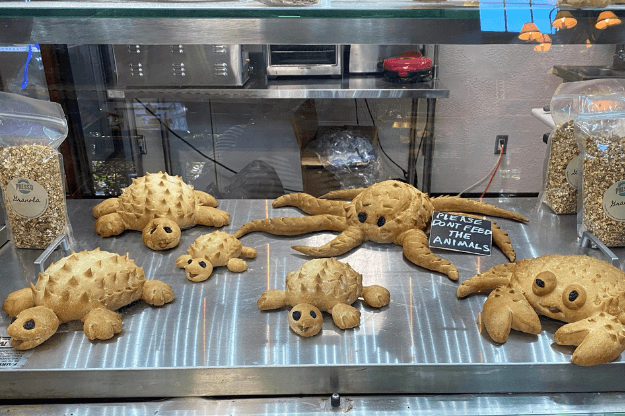
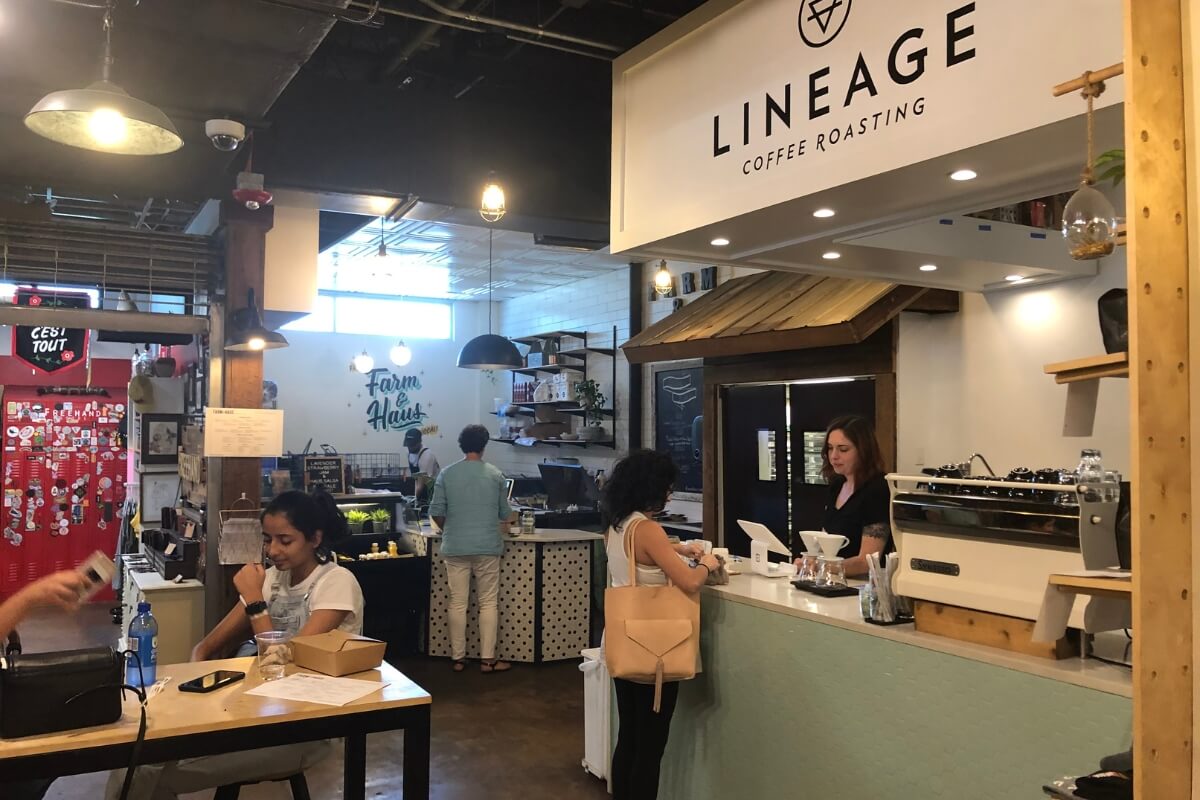
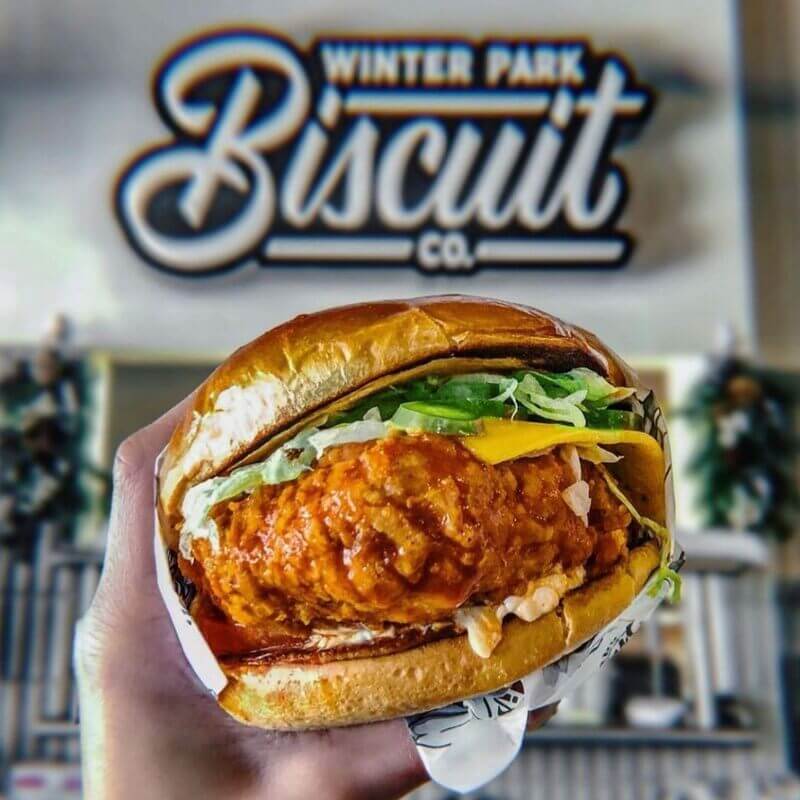
The market is home to several heavy-hitters in Orlando’s culinary scene, including Winter Park Biscuit Company, renowned for its inventive plant-based biscuits and sandwiches; Domu, an award-winning ramen destination; and Gideon’s Bakehouse, internationally famous for its gargantuan, artisanal cookies. Outside, a communal farm area highlights the market’s commitment to local agriculture and sustainability.
- Address: 3201 Corrine Dr., Orlando, FL 32803
5. Sistrunk Marketplace — Fort Lauderdale
Sistrunk Marketplace redefines the food hall concept by integrating a functioning microbrewery, an on-site distillery, and an expansive arts and events space under one roof. Located in Fort Lauderdale, it invites patrons to move beyond passive consumption by participating in live cooking classes, distillery tours, and viewing rotating art installations.
Culinary highlights include Osom Crepes, offering an array of both sweet and savory creations, while craft beer enthusiasts flock to Dream State Brewing for its bold, rotating tap list.
- Address: 115 Northwest 6th St., Fort Lauderdale, FL 33311
Exploring Additional Notable Florida Food Halls
For travelers and locals looking to expand their culinary horizons further across the Sunshine State, several other destinations merit inclusion on any food lover’s itinerary:
- 1-800-Lucky (Miami): Located in the heart of the Wynwood Arts District, this bustling, Asian-inspired food hall channels the lively night markets of Tokyo and Taipei. It features a sprawling courtyard, a hidden cocktail lounge, record shops, and a curated selection of ramen, dim sum, and ice cream vendors.
- Henry’s Depot (Sanford): Positioned along the historic riverfront of downtown Sanford, this railway-themed food hall occupies a restored freight station. It offers a relaxed, intimate collection of artisanal eateries, coffee roasters, and craft cocktail bars.
- Treats Food Hall (Aventura): Situated inside the upscale Aventura Mall, Treats brings high-end, quick-service international flavors to retail shoppers, proving that food halls can thrive within traditional commercial spaces when curated with quality in mind.
- Baoshi Food Hall + Bar (Pembroke Pines): A cutting-edge addition to Broward County, Baoshi combines futuristic design elements with a stellar lineup of Asian-fusion concepts, craft cocktails, and a energetic nightlife atmosphere.
Future Outlook
The trajectory of Florida’s food hall sector points toward continued evolution and integration into urban planning. As developers recognize that modern consumers prioritize experiential dining, social interaction, and local authenticity over cookie-cutter dining options, we can expect to see more adaptive reuse projects in secondary and tertiary markets across the state.
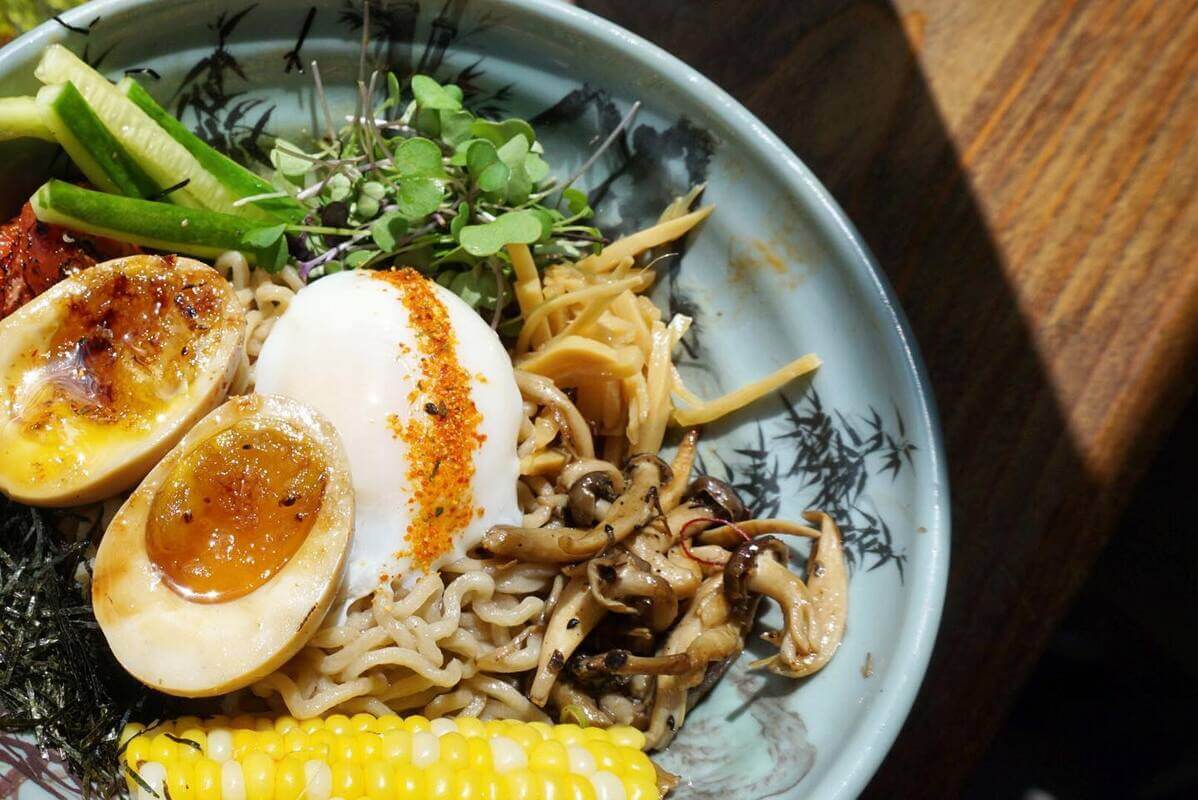
Furthermore, the integration of technology—such as unified mobile ordering apps, automated pickup lockers, and dynamic seating management—will likely streamline operations while maintaining the vibrant, communal atmosphere that defines these spaces. Whether you are seeking a bowl of award-winning ramen in Orlando, artisanal fried chicken in Miami, or a craft brew by the river in Tampa, Florida’s food halls stand ready to satisfy every palate.

0 Comments