

Executive Overview
For generations, the arid expanse of West Texas has tested the limits of human endurance. In Hudspeth County, just a stone’s throw from the bustling metropolis of El Paso, lies Dell City—a remote, sun-baked community where law enforcement is virtually nonexistent, and the population is so sparse that neighbors depend on mutual trust for survival. Yet, beneath this desolate, seemingly worthless surface lies a treasure far more precious than crude oil in the modern American West: water.
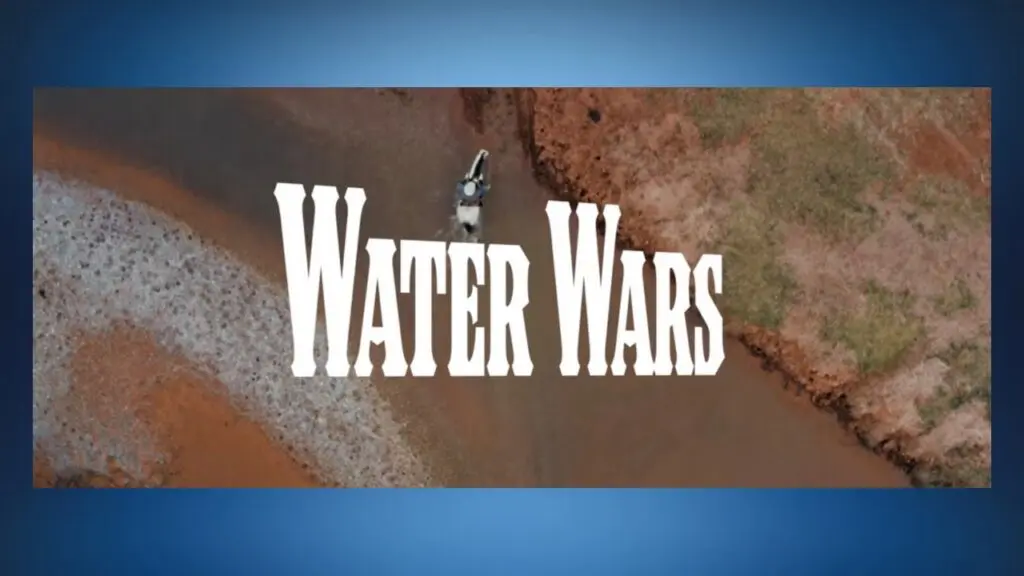
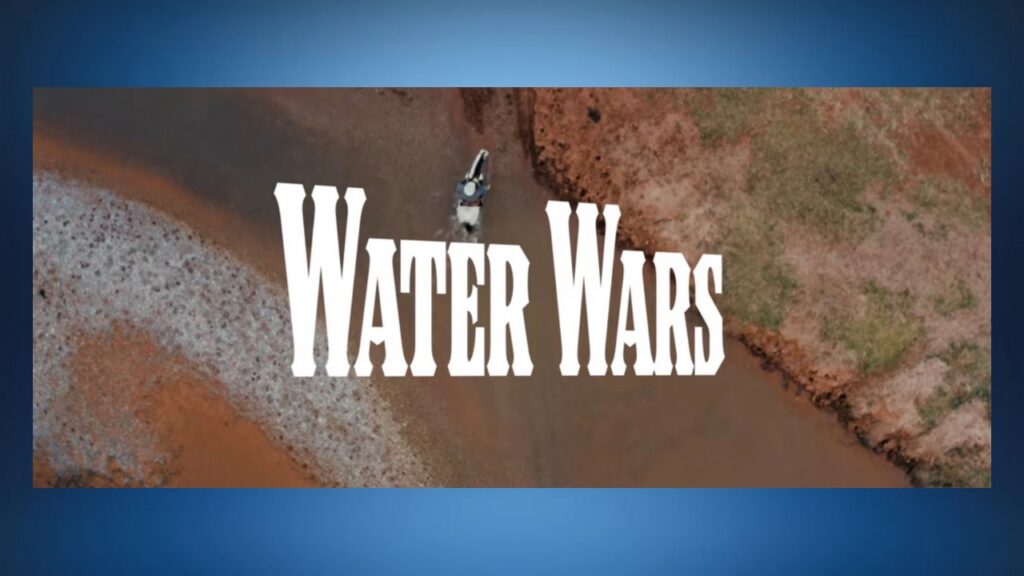
Narrated by acclaimed Hollywood actor Dennis Quaid, the riveting new documentary Water Wars brings this high-stakes geopolitical drama to the screen. The film chronicles an epic, multi-decade clash between generational ranchers, wealthy billionaires, and municipal authorities over access to the Bone Spring-Victorio Peak Aquifer. What began as a local disagreement over hydration and farming rights metastasized into a legal juggernaut that traveled all the way to the Texas Supreme Court, fundamentally rewriting the legal definitions of groundwater ownership in the Lone Star State.
Beyond its legal ramifications, Water Wars—produced by Philip Guitar and Jon Michael Simpson and recently fêted at a star-studded premiere in downtown Nashville—is a harrowing study of human nature. It exposes the darker impulses of corruption, judicial maneuvering, and backstabbing when millions of dollars and basic survival hang in the balance. Yet, it also offers a surprising redemptive arc: a reminder that even after waging bitter legal warfare, small-town communities must ultimately find a way to bury the hatchet and live side by side.
As the documentary becomes available to a wider audience on Amazon Prime, this investigation explores the history, legal milestones, human cost, and broader implications of the battle for Dell City’s liquid gold.
Detailed Chronology: From Oil Prospects to Underground Oceans
To understand the legal fireworks that erupted in Dell City, one must first look back at the improbable history of the region. Located in one of the driest microclimates in the United States, Dell City was long considered hostile to traditional agriculture. For decades, survival meant meager dry-land farming and cattle ranching scaled precisely to the region’s scarce rainfall.
The turning point arrived in the late 1940s during a regional oil prospecting boom. While drillers failed to strike the black gold they were searching for, they inadvertently unlocked something far more transformative: the Bone Spring-Victorio Peak Aquifer.
This vast, subterranean reservoir changed the destiny of Dell City overnight. Suddenly, a landscape previously written off as barren desert could be aggressively repurposed through irrigation. Farmers discovered they could pump millions of gallons of ancient water to cultivate lucrative, water-intensive crops such as alfalfa, cotton, and grapes. What was once a struggling frontier outpost transformed into an improbable agricultural oasis.
However, the discovery of the aquifer created an immediate legal vacuum. For generations, Texas water law had operated under the archaic English common-law doctrine known as the "rule of capture." Under this principle, groundwater was treated much like wild game: if it was beneath your property, you had the legal right to pump as much of it as you could capture, regardless of whether your pumping drained your neighbor’s wells dry.
Recognizing that the rule of capture was unsustainable in the face of modern, industrial-scale extraction, the Texas legislature intervened in 1949 by enacting the Ground Water Districts (GCDs) Act. This legislation authorized the creation of local groundwater conservation districts designed to monitor aquifer levels, manage resources, and prevent catastrophic depletion.
Unfortunately, the institutional framework intended to protect the commons quickly became a battleground for corruption and self-interest. Local GCD boards were frequently captured by powerful political and financial factions, who leveraged their positions to tilt water rules in favor of specific agricultural syndicates or outside corporate entities. This institutional bias left multi-generational ranchers and small landowners in a precarious position, vulnerable to regulations that could strip them of their livelihoods overnight.
[Late 1940s: Oil Prospectors Discover Aquifer]
       │
       ▼
[Agricultural Boom: Alfalfa, Cotton & Grapes]
       │
       ▼
[1949: Groundwater Districts Act Enacted]
       │
       ▼
[Decades of Corruption & Local Board Capture]
       │
       ▼
[Lynch & Guitar Families Take Fight to Supreme Court]
Supporting Context & Metrics: The Lynch, Guitar, and El Paso Conflict
While regulatory battles plagued numerous farming communities across Texas, Water Wars hones in on the definitive epicenter of the state’s water wars: the bitter feud involving the Lynch and Guitar families in Hudspeth County.
The core of the conflict was not merely about local irrigation; it was driven by an insatiable external demand. As the neighboring city of El Paso experienced rapid population growth and urban sprawl, municipal leaders began casting a thirsty eye toward the subterranean wealth of rural West Texas. Securing rights to the Bone Spring-Victorio Peak Aquifer became an existential priority for El Paso’s future development.
This external pressure forced local landowners into opposing factions. The Lynch and Guitar families—alongside other long-established agricultural stewards—found themselves locked in a multi-decade chess match. Millions of dollars were at stake, transforming quiet rural disputes into high-stakes corporate and legal warfare. Accusations flew fast and furious, touching upon allegations of corrupted local boards, politically motivated rulings, and backroom deals designed to alienate generational landowners from their water rights.
The litigation scaled the judicial ladder, moving from local administrative hearings to state district courts, appellate courts, and ultimately landing on the docket of the Texas Supreme Court. The resulting jurisprudence fundamentally shaped modern Texas water law, forcing the judicial branch to clarify the constitutional limits of the rule of capture, the regulatory authority of Groundwater Conservation Districts, and the constitutional protections afforded to private property owners whose subterranean resources are targeted by municipal entities.
Key Metrics of the Dell City Water Crisis
- Geographic Focus: Dell City, Hudspeth County, West Texas (just outside El Paso).
- Primary Resource: The Bone Spring-Victorio Peak Aquifer.
- Key Crops Facilitated: Alfalfa, cotton, and commercial grapes.
- Legislative Milestone: The Ground Water Districts Act of 1949.
- Key Families Involved: The Lynch and Guitar families.
- Streaming Release Date: September 4th on Amazon Prime.
Official Statements & Cultural Impact
The cultural resonance of the Dell City water wars reached a national stage with the premiere of the documentary in downtown Nashville at the historic former Woolworth’s building. The red-carpet event drew an eclectic mix of country music stars, documentary enthusiasts, and fans of narrator Dennis Quaid, all gathering to support producers Philip Guitar and Jon Michael Simpson.
Speaking about the project, Dennis Quaid emphasized that the documentary transcends local Texan boundaries, tapping into universal truths about human behavior.

"This movie is really about human nature," Quaid stated during the promotional circuit. "We can all relate to it, because what do we do when we’re confronted by something so basic that means our very survival?"
Quaid highlighted the raw emotional intensity of the participants, noting how neighbors transformed into bitter adversaries, fighting relentlessly all the way to the highest court in the state. Yet, it is the documentary’s conclusion that leaves the most profound impression on audiences.
"These people who struggled and fought were antagonists to one another, and fought like hell… and in the end, this small town buried the hatchet," Quaid reflected. "Because you got to live with one another, and we can all take a lesson from that, can’t we?"
In an era characterized by deep political polarization and intractable societal divides, Water Wars serves as both a gripping historical chronicle and an ethical parable. It reminds viewers that while economic survival often drives individuals to extremes, civilized society ultimately requires reconciliation, forgiveness, and a commitment to the common good.
Future Outlook: The Ongoing Quest for Water Security
As Water Wars becomes globally accessible to streaming audiences via Amazon Prime, the questions raised by the Dell City documentary are more urgent than ever. The American Southwest faces unprecedented climate pressures, prolonged drought cycles, and explosive population growth in urban centers like El Paso, Phoenix, and San Antonio.
The legal precedents established by the Lynch and Guitar family lawsuits continue to reverberate through legislative chambers and courtrooms across the Sunbelt. As municipal water districts increasingly look to rural aquifers to sustain urban expansion, the friction between rural stewardship and urban consumption will only intensify.
Can modern society balance the constitutional rights of generational landowners with the survival needs of burgeoning cities? Will regulatory boards reform themselves to ensure transparent, equitable resource management, or will corruption continue to tilt the scales toward the highest bidder?
Answers to these questions remain elusive, but Water Wars provides an invaluable roadmap of the pitfalls to avoid. By examining how Dell City’s residents ultimately laid down their arms and learned to coexist, contemporary policymakers and citizens can take heart. The struggle for vital natural resources is an inevitable facet of human survival, but the capacity for community, forgiveness, and shared stewardship remains our greatest safeguard against total depletion.

0 Comments