
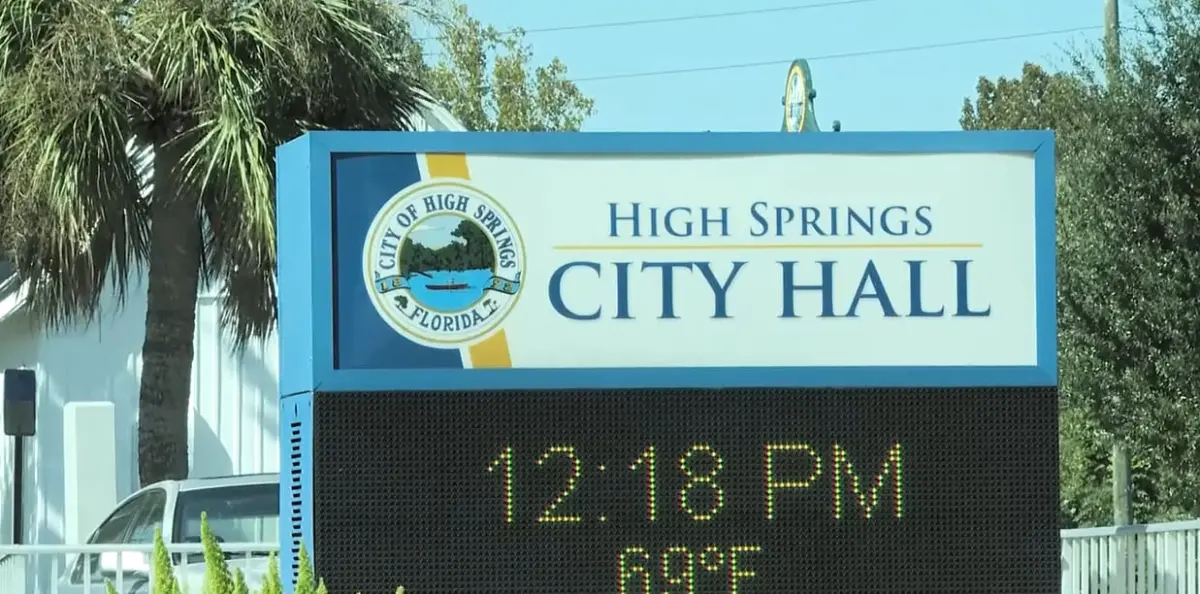

HIGH SPRINGS, Fla. — Democracy in the municipality of High Springs, Florida, has narrowly circumnavigated a procedural crisis. Following weeks of administrative chaos, confusion, and a complete do-over of the candidate qualifying period, the official ballot for two upcoming City Commission races has finally been locked in.
The extraordinary reset was necessitated by a critical bureaucratic oversight: prospective candidates had previously been issued outdated loyalty oath forms. This administrative error threatened to invalidate the democratic choices of local voters before campaigns could even formally begin. With the qualifying window reset and successfully closed anew, the stage is now set for two competitive, high-stakes races that will shape the trajectory of local governance in this historic Alachua County community.
Executive Overview
The unfolding political drama in High Springs centers on two distinct seats on the City Commission, a governing body responsible for setting local policy, managing municipal budgets, and overseeing the strategic development of a rapidly growing North Florida town.
According to election officials, the finalized matchups for the upcoming municipal ballot are as follows:
- Seat One: Incumbent Commissioner Andrew Miller is facing a robust challenge from political contender Timothy Guinn Jr.
- Seat Two: A newly configured contest features candidates Ross Ambrose and Gigi Buigas vying for the open position.
While these matchups now appear definitive, getting to this point required city administrators to hit the reset button on the entire electoral timeline. Last month, multiple prospective candidates found themselves unexpectedly disqualified from the ballot. The root cause? They had filled out and submitted loyalty oaths—legally mandated state documents required for public office—that relied on obsolete legal language provided directly by the city’s election administration.
The incident has ignited local discussions regarding bureaucratic competency, the rigidity of Florida election law, and the vulnerabilities inherent in municipal administrative processes. As High Springs prepares for Election Day, this overview examines how a simple paperwork error nearly derailed local democracy, the sequence of events that forced a complete electoral do-over, and what these developments mean for the future of the city.
Detailed Chronology: From Bureaucratic Blunder to Ballot Reset
To understand how High Springs arrived at its current electoral configuration, one must trace a timeline defined by clerical missteps, sudden disqualifications, and emergency legal corrections.
The Initial Qualifying Period and the Flawed Paperwork
The trouble began during the initial candidate qualifying window—the designated timeframe during which individuals wishing to run for public office must submit qualifying petitions, pay necessary fees, and file a slate of statutory paperwork, including the loyalty oath.
In the State of Florida, the loyalty oath is not a mere formality; it is a strict statutory requirement. Under Florida law, candidates must swear or affirm an oath affirming support for the Constitution of the United States and the Constitution of the State of Florida. The exact phrasing, formatting, and legal citations embedded within these forms are subject to periodic updates by the state legislature and the Department of State to reflect changes in jurisprudence and statutory mandates.
During the initial High Springs qualifying period, municipal administrative staff provided prospective candidates with information packets containing loyalty oath forms. Candidates, acting in good faith, filled out these documents, had them notarized, and submitted them alongside their other qualifying materials before the initial deadline.
The Disqualifications
Weeks after the submission window closed, a compliance review revealed a fatal flaw: the loyalty oaths distributed by the city administration were outdated. They lacked specific statutory updates or contained phrasing that no longer aligned with current Florida election code requirements.
Under a strict interpretation of election laws, adherence to form requirements is often treated as a zero-sum game. Consequently, candidates who had used the city-provided, yet outdated, forms were deemed legally non-compliant. Rather than accepting paperwork tainted by administrative error, election officials were forced to confront the harsh reality that multiple candidates—including potentially key figures in the local political landscape—faced disqualification through no fault of their own.
The revelation sent shockwaves through High Springs. Candidates who had spent months organizing their campaigns, raising awareness, and preparing policy platforms suddenly found their political aspirations suspended by a clerical oversight.
The Emergency Reset
Recognizing that disqualifying candidates due to an internal administrative error would severely undermine the legitimacy of the election—and potentially expose the city to legal challenges from affected hopefuls—local officials scrambled for a remedy.
The decision was made to wipe the slate clean. The city officially voided the initial qualifying period, nullified the problematic filings, and reset the entire qualifying timeline. This unprecedented move required an emergency logistical pivot: city staff had to notify all prospective candidates, provide them with the updated, legally compliant loyalty oath forms, and establish a brand-new, compressed window for re-qualifying.
Fortunately, the secondary qualifying period proceeded without major administrative hitches. Candidates rushed to complete the correct paperwork, get their signatures notarized anew, and resubmit their packets. With the dust finally settling, the ballot is officially set, allowing the community to pivot from administrative post-mortems to actual political discourse.
Supporting Context & Metrics: The High Springs Electoral Landscape
To fully grasp the significance of these City Commission races, it is essential to examine the socio-political context of High Springs and the mechanics of municipal elections in Alachua County.
The Stakes in High Springs
High Springs is renowned for its natural springs, historic downtown district, and a tight-knit community that carefully balances its rural heritage with the pressures of modern North Florida development. As the surrounding region experiences rapid population growth, decisions made by the City Commission carry immense weight. Commissioners regularly vote on critical issues such as:
- Zoning and comprehensive land-use planning
- Infrastructure expansion and stormwater management
- Water resource protection, a particularly sensitive topic in a region defined by its freshwater springs
- Fiscal management, property tax millage rates, and municipal service delivery
Given these high-stakes responsibilities, competition for seats on the dais is fierce. Each seat represents a decisive vote on the five-member commission, meaning that a shift of a single seat can fundamentally alter the policy direction of the city.
The Anatomy of the Matchups
The newly finalized ballot presents voters with distinct choices across both contested races:
-
Seat One: Andrew Miller vs. Timothy Guinn Jr.
- Andrew Miller (Incumbent): As an incumbent, Miller brings institutional knowledge and a voting record to the campaign trail. Supporters typically point to his experience in navigating municipal budgets and managing ongoing city projects as key assets. His campaign is expected to focus on continuity, fiscal responsibility, and the steady execution of long-term infrastructure goals.
- Timothy Guinn Jr. (Challenger): Stepping into the ring as a challenger, Guinn represents a desire for fresh perspectives on the commission. While details of his platform continue to crystallize as campaigning ramps up, challengers in High Springs frequently focus on issues related to managed growth, transparency in local government, and enhanced citizen engagement.
-
Seat Two: Ross Ambrose vs. Gigi Buigas
- Ross Ambrose: Entering the race with a focus on community priorities, Ambrose seeks to address local concerns regarding the city’s economic vitality and regulatory environment.
- Gigi Buigas: Buigas rounds out the field for Seat Two, bringing her own set of priorities to the electorate. Both Ambrose and Buigas now have the unique challenge of running a compressed campaign cycle following the administrative reset.
The Vulnerability of Municipal Administration
The High Springs incident is not isolated in the broader context of American local government. Municipal clerk offices—often operating with lean staffing and limited budgets—are tasked with navigating an increasingly complex web of state statutes, deadlines, and compliance mandates.
When state election laws change, ensuring that every local form, template, and packet is updated in real-time requires rigorous quality control. The High Springs mishap serves as a cautionary tale for municipalities across Florida, highlighting the critical need for inter-agency coordination between local clerks and the Florida Division of Elections to prevent administrative errors from disenfranchising voters and candidates alike.
Official Statements and Institutional Response
In the wake of the qualifying restart, local officials and administrative leaders have addressed the mishap, emphasizing transparency, adherence to the law, and the restoration of electoral integrity.
While city administrative staff initially bore the brunt of public frustration over the outdated paperwork, the swift decision to reset the qualifying period was widely interpreted by legal observers as a necessary corrective action. By acknowledging the error transparently rather than attempting to sweep the disqualifications under the rug, the city avoided protracted and costly litigation that could have paralyzed the municipal government.
“Ensuring that every qualified candidate has a fair and unobstructed path to the ballot is the bedrock of local democracy,” noted an administrative representative familiar with municipal election procedures. “While clerical errors are deeply regrettable, the priority must always be rectifying the process swiftly so that the ultimate decision rests where it belongs: with the voters of High Springs.”
Candidates, too, have had to pivot rapidly. Transitioning from the frustration of abrupt disqualification to the urgency of a restarted campaign has tested the resilience of local political organizations. Campaign managers and contenders alike have spent the past several weeks refocusing their messaging on the issues that matter most to High Springs residents, pushing past the administrative drama to engage directly with the electorate.
Future Outlook: The Road to Election Day
With the ballot officially locked in and the administrative hurdles cleared, the focus in High Springs shifts decisively from the conference room to the campaign trail.
The Compressed Campaign Timeline
Because the qualifying period had to be rerun, the effective campaign season for these municipal races is compressed. Candidates in both Seat One and Seat Two must accelerate their outreach efforts, organizing meet-and-greets, participating in candidate forums, and distributing campaign literature to ensure that voters are well-informed before heading to the polls.
For incumbent Andrew Miller, the strategy will likely involve leveraging his track record and visibility within the community. For challenger Timothy Guinn Jr., as well as the candidates in Seat Two—Ross Ambrose and Gigi Buigas—success will hinge on grassroots mobilization, digital outreach, and articulating a compelling vision for the future of High Springs.
Key Issues Dominating the Discourse
As debates take shape, several core themes are expected to dominate the remaining weeks of the election cycle:
- Smart Growth and Preservation: Balancing the economic benefits of new development with the imperative to protect the natural beauty and environmental health of the local springs.
- Fiscal Prudence: Managing taxpayer dollars efficiently in the face of rising operational costs and infrastructure demands.
- Governmental Transparency: Restoring public trust following the administrative missteps of the qualifying period and ensuring open communication between city hall and residents.
Conclusion
The High Springs City Commission races of 2026 will long be remembered for their tumultuous start. What began as a bureaucratic oversight involving outdated loyalty oaths threatened to disenfranchise candidates and throw the municipal election into disarray. However, through a decisive administrative reset and a renewed commitment to statutory compliance, the city has successfully righted the ship.
As Andrew Miller faces Timothy Guinn Jr. for Seat One, and Ross Ambrose battles Gigi Buigas for Seat Two, the true winners of this procedural ordeal are the voters of High Springs. With a finalized ballot and a clear path forward, the community is poised to engage in a robust, democratic debate over the leadership and vision that will guide their city into the future.

0 Comments