
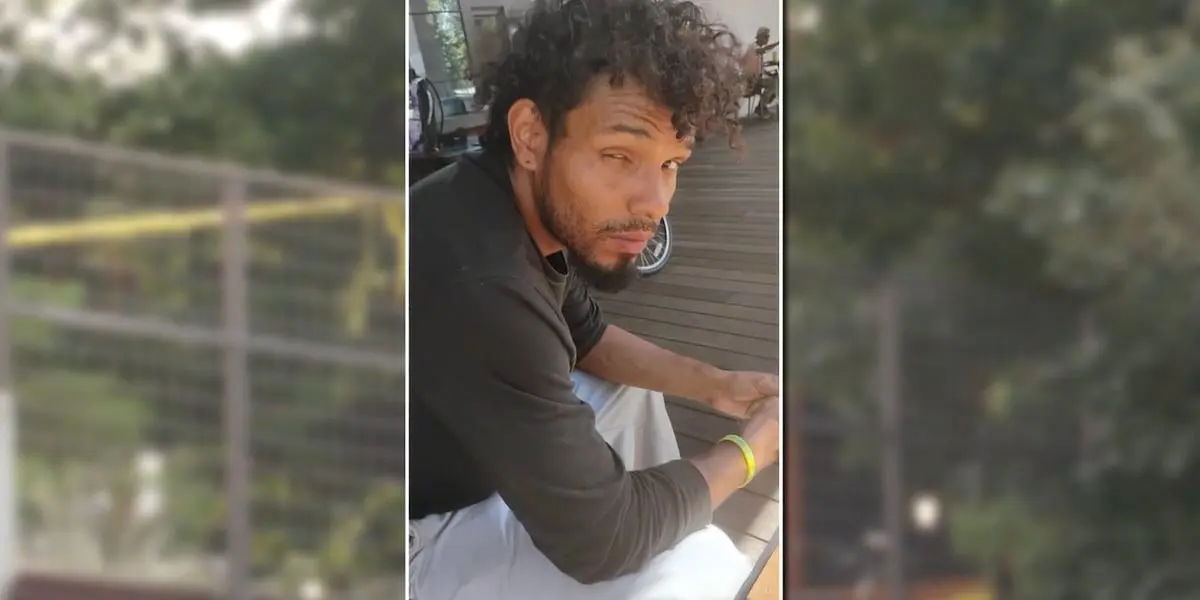

ATLANTA — In an era where public spaces can sometimes feel increasingly detached and indifferent, 29-year-old Ramon “Rah” Harris stood out as a beacon of empathy. Described by those who knew him best as a man possessing a "heart of gold and pure intentions," Harris lived his life with a rare, vibrant commitment to the people around him. Tragically, it was that very instinct to protect and serve others that cost him his life.
On a late August afternoon along the bustling Atlanta Beltline, Harris stepped into a volatile confrontation, attempting to de-escalate a chaotic scene involving a man experiencing a severe psychotic episode. Instead of finding safety, Harris was fatally stabbed.
The incident has sent shockwaves through the Atlanta community, renewing intense public scrutiny regarding safety along the popular recreational corridor and laying bare a grim, ongoing crisis: the catastrophic intersection of untreated severe mental illness, a strained criminal justice framework, and the profound vulnerabilities of public spaces.
As loved ones prepare to lay Harris to rest and the legal system begins the arduous task of holding the accused accountable, the tragedy has forced local officials, families, and community advocates to confront uncomfortable questions about a broken system that allowed a tragedy of this magnitude to unfold.
Executive Overview
The fatal stabbing of Ramon Harris on the Atlanta Beltline serves as a heartbreaking focal point for multiple systemic failures. On one side of the tragedy is a promising, deeply artistic young man whose life was defined by selflessness and a protective spirit. On the other side is 54-year-old Jonathan Hamby, an individual with a documented history of severe mental illness, active psychosis, and more than 30 prior arrest cycles—yet who remained free and armed on public streets despite being on probation for prior violent offenses.
The incident has triggered widespread grief, anger, and demands for systemic reform from both the victim’s grieving network and the suspect’s own family, who spent years warning authorities of an impending catastrophe. As law enforcement officers and judicial authorities navigate the aftermath, the case has escalated from a local crime report into a national talking point concerning urban safety, the management of violent offenders, and the desperate need for comprehensive mental health infrastructure reform.
Detailed Chronology: From a Public Corridor to a Community in Mourning
The Incident on the Beltline
The sequence of events leading to Harris’s death unfolded in broad daylight along the Atlanta Beltline, a premier multi-use trail network that serves as the recreational and social heartbeat of the city. According to witnesses and police reports, a confrontation erupted when Jonathan Hamby began exhibiting erratic and threatening behavior indicative of a severe psychotic episode.
While many bystanders instinctively pulled back or fled from the volatile scene, Harris did the opposite. True to his character, he stepped forward in an attempt to intervene and de-escalate the situation, hoping to prevent harm to anyone involved.
"I’ve seen Rah intervene in situations where everybody else got out of the way," a close friend shared during a memorial service. "I’ve seen him de-escalate. I’ve seen him be a good guy. He was actually striving to save somebody else’s life."
Instead of calming, the confrontation turned physical and lethal. Harris sustained fatal stab wounds during the altercation. Atlanta Police Department officers swiftly responded to the scene, launching an immediate investigation that led to the identification and apprehension of Hamby. Hamby now faces a battery of severe charges, including murder and aggravated assault.
Gathering in Grief: Freedom Park Memorial
Days after the tragedy, family, friends, and community members gathered under the open skies of Atlanta’s Freedom Park to honor Harris’s memory. The memorial was less of a traditional somber service and more of a celebration of a life characterized by vibrancy, artistic expression, and fierce loyalty.
Loved ones painted a portrait of a young man deeply attuned to the world around him. "Very bubbly, very excited, just open to everything—he knew that the world is your oyster," recalled one friend. "Very artistic, very protective."
Funeral home owner Tyrone Speaks, who is assisting the Harris family with final arrangements, emphasized that Harris’s legacy extends far beyond the tragic headlines. "Long before he was a news story, before his death, he was a life that was lived," Speaks noted, pointing to the family’s deep musical and spiritual roots.
The public memorial service for Ramon Harris has been scheduled for September 12, offering the wider Atlanta community an opportunity to pay their respects to a man who gave his life in the pursuit of peace.
Supporting Context & Metrics: A History of Systemic Oversight
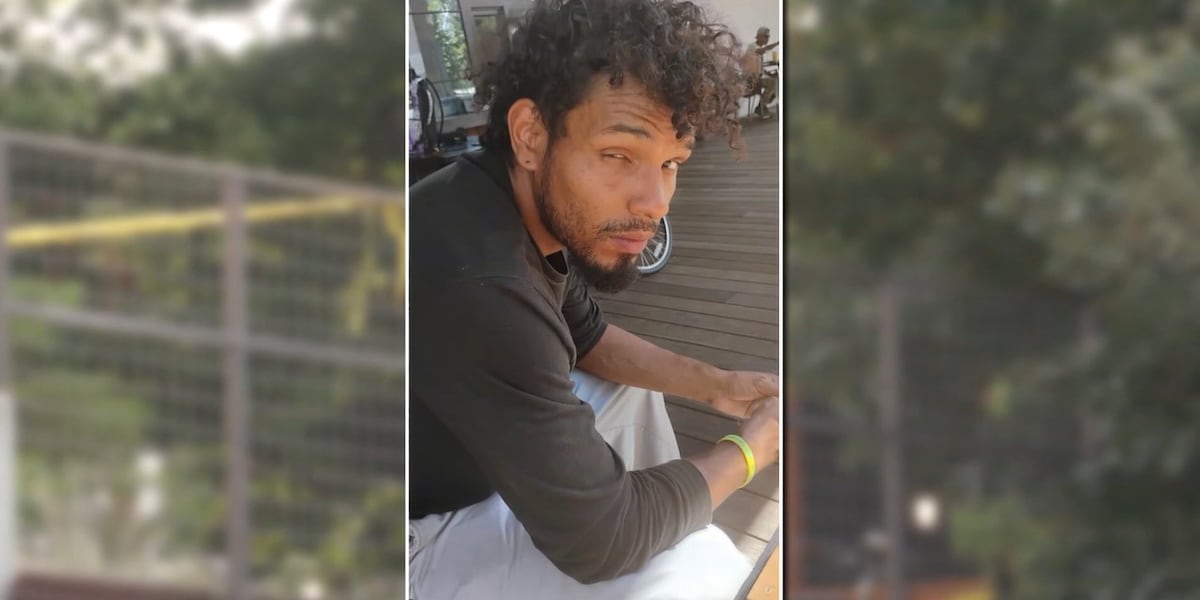
While the immediate loss of Ramon Harris has devastated his family, the background of the accused has brought an uncomfortable and infuriating reality to light for the wider public: this tragedy was, by many accounts, entirely preventable.
The Suspect’s Record and Legal Status
Court documents, law enforcement databases, and district attorney confirmations paint a startling picture of repeat offenses and judicial revolving doors. Jonathan Hamby’s criminal record reveals:
- Over 30 Arrest Cycles: Hamby has been arrested more than 30 times over the course of his adult life, with numerous charges involving dangerous weapons and physical violence, including previous arrests for possession of a knife and aggravated assault.
- Probationary Status: At the time of the fatal Beltline stabbing, Hamby was actively on probation. His supervision stemmed from an aggravated assault conviction in Chamblee dating back to February 2023, as well as separate trespassing and weapons violations from 2022.
- Access to Weapons: Despite a long history of violent episodes tied to mental instability, Hamby was able to acquire and carry a knife, enabling him to commit a fatal assault in one of Atlanta’s most heavily trafficked public spaces.
The revelation that a repeat violent offender with dozens of prior arrests was moving freely through the community has intensified public outrage. Safety concerns along the Atlanta Beltline—already a subject of periodic public debate regarding policing, lighting, and emergency response times—have reached a fever pitch.
Official Statements and Accountability
The collision of severe mental illness, criminal behavior, and public safety has prompted powerful, heart-wrenching statements from both sides of the tragedy.
The Hamby Family Speaks Out
In an unprecedented move following the arrest, members of Jonathan Hamby’s family released a public statement expressing profound sorrow not only for the Harris family, but also detailing their own exhausting, years-long battle with a failing institutional framework.
"Our family is trapped in the agonizing reality of knowing that we spent years desperately fighting a broken system to prevent this exact tragedy from happening," the statement read.
The family corroborated reports that Hamby suffered from a severe, debilitating mental illness that regularly plunged him into active psychosis. Their frustration pointed squarely at the judicial and healthcare sectors:
"The question our community is asking is entirely justified: Why was a convicted felon with 30+ arrest cycles on the street, and why did he have weapons? This is a question our family has been asking for years."
The statement underscores a systemic blind spot: families of individuals with severe mental illness are frequently left without legal or medical mechanisms to secure long-term, secure treatment for their loved ones, leaving communities vulnerable until a violent crime occurs.
Law Enforcement and Municipal Response
Atlanta Police and local prosecutors have faced difficult questions regarding how a suspect with such an extensive, violent history remained on the streets. While officials have emphasized their commitment to prosecuting the case aggressively—with Hamby facing formal charges of murder and aggravated assault—city leaders are under increasing pressure to reevaluate safety protocols along the Beltline.
Advocacy groups are demanding increased patrols, better mental health crisis intervention teams integrated into public parks, and tighter judicial accountability for repeat offenders who violate probation terms.
Future Outlook: The Road Ahead
As the legal and emotional fallout from the Atlanta Beltline stabbing continues to unfold, several critical dates and milestones loom on the horizon:
- The Legal Proceedings: Jonathan Hamby is scheduled to appear in court for his next hearing on September 15. Prosecutors are expected to present the full scope of his criminal history and probationary violations as they build a comprehensive murder case. Legal experts anticipate that competency evaluations and defenses related to mental state at the time of the offense will play a central role in the courtroom battles ahead.
- The Public Memorial: Ramon “Rah” Harris will be laid to rest on September 12 in a service open to the public. The gathering is expected to draw hundreds of community members, artists, and friends who wish to honor his sacrifice and advocate for a safer, more compassionate city.
- Policy and Systemic Reform: The broader civic conversation sparked by Harris’s death shows no signs of fading. Lawmakers, mental health advocates, and criminal justice reformers are facing renewed pressure to address the gaps that allowed Hamby to slip through the cracks of the probation system. Discussions are expected to center on expanding involuntary commitment criteria for dangerous individuals in active psychosis, increasing funding for community-based mental health intervention, and closing loopholes that allow repeat violent offenders to retain access to deadly weapons.
A Lasting Legacy
Ramon Harris died in an instant, but the ripple effects of his final, selfless act will be felt across Atlanta for years to come. He stepped into the dark to help a stranger, embodying the very best of human empathy.
While his loved ones navigate the agonizing grief of his absence, his story remains a powerful catalyst—a demand from a grieving city that society do better to protect its most vulnerable, secure its public spaces, and honor the memory of a young man who died trying to save a life.

0 Comments