

Executive Overview
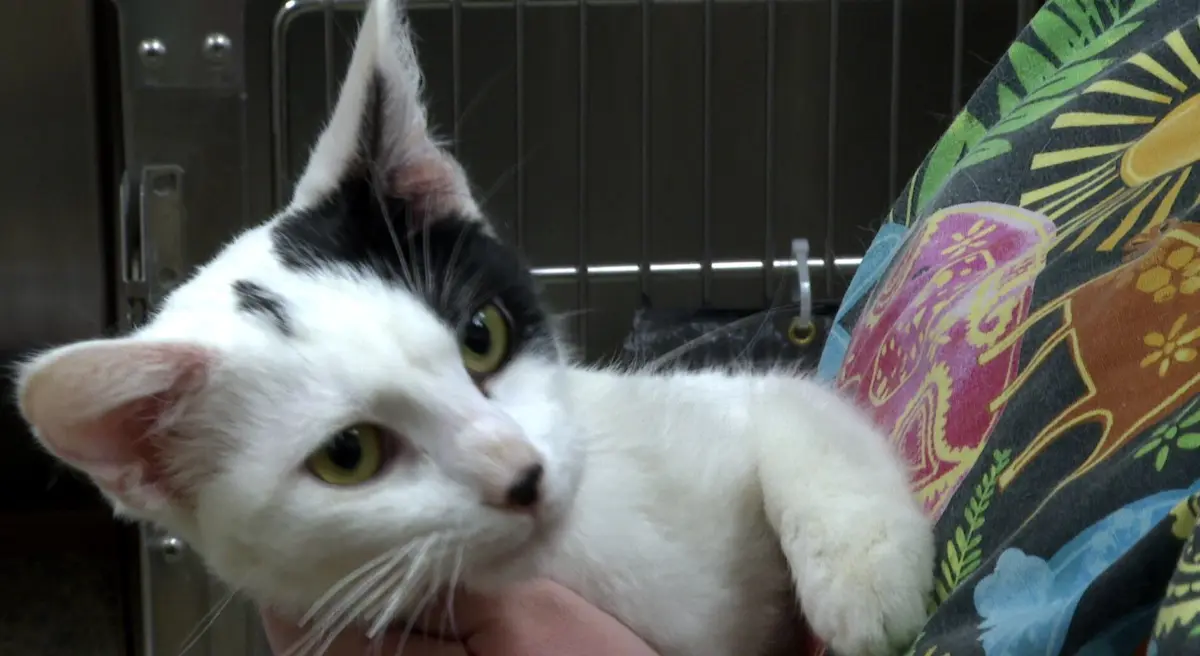
In a harrowing display of animal cruelty that has sparked outrage and mobilized animal welfare advocates across the St. Louis metropolitan area, two young kittens are currently fighting to recover after being callously thrown from a moving pickup truck inside a zippered duffel bag. The incident, which occurred on a Monday afternoon near a busy St. Louis intersection, was intercepted by a vigilant bystander whose immediate intervention saved the animals from a slow and agonizing death.
Upon opening the discarded bag, the good Samaritan discovered two female kittens, approximately five and a half months old, drenched in a corrosive chemical substance suspected to be household bleach. Thanks to the quick thinking of the rescuer, the kittens were immediately transported to the nearby Humane Society of Missouri (HSMO) headquarters, located less than a mile from the drop site.
This shocking event is not an isolated incident; rather, it highlights a disturbing regional trend. Animal welfare officials report a significant spike in severe animal cruelty and neglect cases across the St. Louis metropolitan area, extending into St. Charles County and neighboring St. Clair County, Illinois. As veterinary teams work around the clock to stabilize the young felines, local law enforcement and HSMO’s specialized Animal Cruelty Task Force have launched a comprehensive investigation to identify and apprehend the individuals responsible for this felony-level act of abuse.
Detailed Chronology
The Incident at Manchester and Knox
The sequence of events began on a warm Monday afternoon near the intersection of Manchester Road and Knox Avenue—a bustling commercial and commuter corridor in St. Louis. According to eyewitness accounts, a pickup truck was traveling down the road when an occupant threw a closed duffel bag out of the window and onto the roadside before speeding away.
A passing motorist, witnessing the suspicious and reckless disposal of the luggage, immediately pulled over to investigate. Upon approaching the bag, she heard faint cries and detected a powerful, noxious chemical odor. Opening the zipper, she made a horrifying discovery: two terrified, wet, and chemically burned kittens huddled together inside.
Emergency Veterinary Triage
Recognizing the critical nature of the situation, the rescuer rushed the kittens to the Humane Society of Missouri’s facility, situated just a mile down the road. The proximity of the shelter proved to be a lifesaving factor.
Upon arrival, the shelter’s emergency veterinary team immediately initiated chemical decontamination protocols:
- Initial Chemical Neutralization: The kittens were subjected to immediate, thorough bathing with specialized neutralizing agents to strip the corrosive chemicals from their skin and fur.
- Repetitive Washings: Due to the persistent nature of the chemical—believed to be bleach or a highly concentrated industrial cleaning agent—staff had to perform multiple consecutive wash cycles to fully eliminate the residue and halt active chemical burns.
- Ocular and Auditory Assessment: Veterinarians carefully flushed the kittens’ eyes and ears, checking for permanent tissue damage, corneal ulcers, or internal ear canal burns caused by the fumes and direct liquid contact.
- Nutritional and Fluid Therapy: The kittens were diagnosed as severely underweight, indicating a history of neglect prior to their abandonment. Intravenous fluids and a highly caloric nutritional plan were immediately established.
[Incident Occurs: Duffel bag thrown from pickup truck at Manchester & Knox]
                           │
                           ▼
[Good Samaritan Intervenes: Discovers two chemical-soaked kittens]
                           │
                           ▼
[Rapid Transport: Driven 1 mile to Humane Society of Missouri (HSMO)]
                           │
                           ▼
[Emergency Triage: Multi-stage chemical baths & ocular/auditory flushing]
                           │
                           ▼
[Stabilization: Underweight kittens placed on high-calorie diet & monitoring]
Currently, the kittens—both females estimated to be around 5.5 months old—are listed in stable condition. They remain under constant clinical observation to monitor the long-term effects of chemical inhalation and potential delayed-onset skin necrosis.
Supporting Context & Regional Metrics
The cruelty observed in this case fits into a broader, deeply concerning pattern of animal neglect and abuse across the bi-state region. Animal welfare organizations have noted that the summer months consistently yield a surge in abandonment and cruelty cases.
The "Summer Surge" in Animal Cruelty
According to data from regional humane societies, animal abuse and neglect cases historically peak between June and September. Several socioeconomic and environmental factors contribute to this seasonal uptick:
- Temperature-Induced Stress: Extreme heat exacerbates domestic stress, which unfortunately can manifest as violence or severe neglect toward household pets.
- Kitten Season Overcapacity: Spring and summer mark the peak of feline breeding cycles. An influx of unwanted litters frequently overwhelms unprepared pet owners, leading to desperate and inhumane abandonment tactics.
- Financial Strain: Rising costs of pet food, veterinary care, and basic boarding during summer travel periods often push vulnerable families to abandon animals rather than seeking legal surrender channels.
Regional Case Comparisons
The St. Louis metro area and its surrounding counties have experienced a barrage of high-profile animal welfare crises:
| Location | Case Type | Details | Action Taken |
|---|---|---|---|
| St. Louis City (Manchester & Knox) | Severe Cruelty / Abandonment | Two 5.5-month-old kittens thrown from a vehicle in a chemical-soaked duffel bag. | HSMO Animal Cruelty Task Force active investigation; medical rehabilitation ongoing. |
| St. Charles County, MO | Multi-Incident Cruelty | A string of unrelated, severe animal abuse cases reported over a matter of weeks. | Local police and animal control tracking suspects; increased public awareness campaigns. |
| St. Clair County, IL (East Carondelet) | Extreme Hoarding | 36 animals, including 24 cats, rescued from squalid, hazardous residential conditions. | Multi-agency rescue; animals surrendered to regional shelters for medical clearing. |
Official Statements
The Humane Society of Missouri has condemned the attack in the strongest terms, while simultaneously praising the heroic actions of the citizen who chose to intervene.
Robyn Dexter, Marketing Manager for the Humane Society of Missouri, emphasized the emotional contrast between the cruelty of the perpetrators and the gentle nature of the victims.
"They are incredibly sweet. I personally don’t know why anyone would want to abandon and cause harm to such sweet little animals," Dexter stated during a press briefing. "They’re just incredibly affectionate and just want love."
Dexter also highlighted the invaluable role of the public in combating animal abuse, noting that without the quick action of the good Samaritan, the kittens would not have survived the heat and chemical exposure inside the sealed bag.
Call for Action and Public Assistance
The HSMO Animal Cruelty Task Force—one of the largest and most active animal rescue and investigation units in the Midwest—is actively appealing to the public for information.
- The Target Vehicle: Investigators are seeking information regarding a pickup truck seen near Manchester Road and Knox Avenue on the afternoon of the incident.
- Anonymous Tips: Anyone who witnessed the incident, has dashcam footage from the area, or recognizes the description of the kittens is urged to contact the HSMO Animal Cruelty Task Force hotline immediately at 314-647-4400. All calls can remain confidential.
Future Outlook
The Road to Recovery and Adoption
For these two resilient kittens, the journey to a normal life is just beginning. Before they can be placed in permanent, loving homes, several critical milestones must be met:
- Weight Gain and Nutrition: Due to being significantly underweight upon arrival, the kittens are on a structured, high-nutrient diet to build muscle mass and strengthen their immune systems.
- Medical Clearance: Veterinary staff must ensure there are no lingering internal injuries from chemical inhalation or delayed skin infections from the chemical exposure.
- Sterilization: Once they reach an optimal weight and stable health status, both kittens will undergo routine spay surgeries.
- Socialization: Shelter behaviorists will work with the kittens to ensure the trauma of their abandonment does not translate into long-term fear or aggression, paving the way for a smooth transition into domestic life.
[Current State: Clinical Stabilization] ──► [Weight & Immune Recovery] ──► [Spay Surgery & Behavior Check] ──► [Public Adoption Placement]Utilizing Safe Surrender Resources
Humane officials stress that such acts of violence are entirely preventable. The Humane Society of Missouri offers structured, compassionate resources for pet owners who find themselves unable to care for their animals:
- Online Surrender Requests: Owners facing hardship can access HSMO’s website to fill out a secure surrender application, initiating a controlled, safe transition for their pets.
- Behavioral and Nutritional Support: In many cases, HSMO can provide temporary resources, including pet food assistance and behavioral counseling, to help families keep their pets rather than surrendering them.
- Foster and Volunteer Networks: The public can actively support these efforts by volunteering, signing up to become foster parents for recovering animals, or purchasing critical medical and nutritional supplies directly from the organization’s online wishlist.
As the investigation into this heinous act continues, the St. Louis community remains vigilant, transformed by a sobering reminder of the cruelty some animals face—and the profound impact that a single act of human kindness can have in saving a life.

0 Comments