

Executive Overview
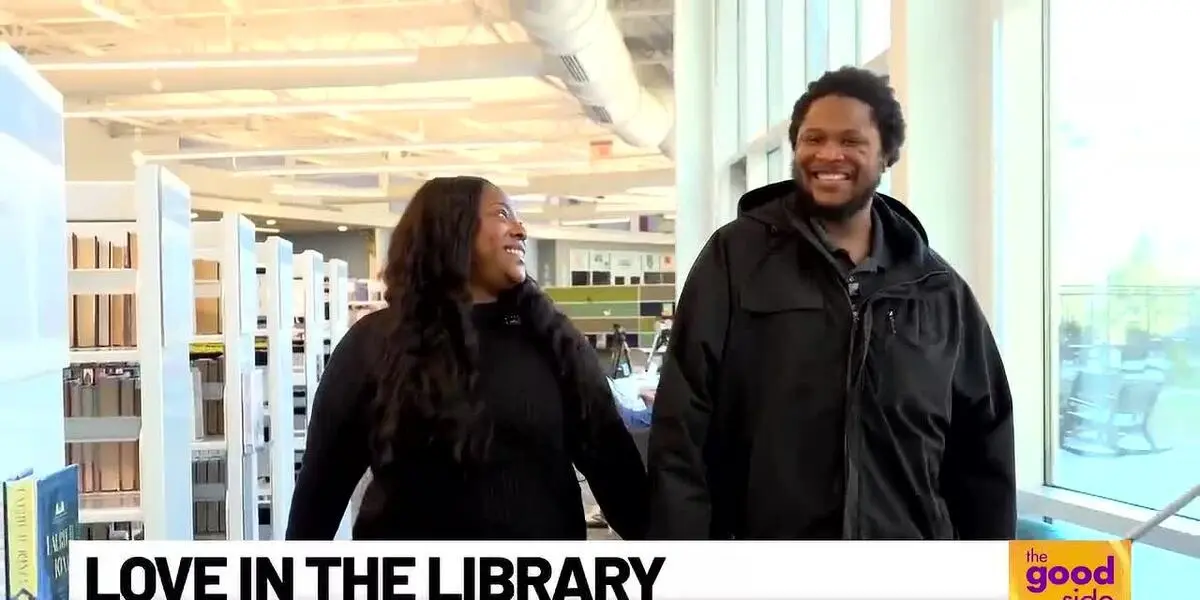
In an era defined by digital connectivity and shifting economic paradigms, the traditional constructs of courtship and matrimony are undergoing a profound evolution. The recent marriage of George and Carmen Morrishaw serves as a compelling case study at the intersection of these cultural shifts. Meeting initially in the virtual landscapes of the critically acclaimed massively multiplayer online role-playing game (MMORPG) Final Fantasy, the couple’s relationship transitioned from digital cooperation to a shared physical reality, culminating in an intimate wedding ceremony held in the fiction section of the Bees Ferry West Ashley Library in Charleston, South Carolina.
This unconventional union, officiated by Bees Ferry Assistant Branch Manager Sarah Hodierne, is far from an isolated novelty. Instead, it reflects a burgeoning nationwide trend where couples reject the financial and logistical pressures of the traditional "wedding industrial complex" in favor of highly personalized, budget-friendly, and community-centric venues. By utilizing a public library as their altar, the Morrishaws have highlighted the modern public library’s expanding role as a dynamic "third place"—a vital civic hub that facilitates not only literacy and digital access but also major life milestones.
This investigative report examines the chronology of the Morrishaws’ journey, analyzes the socio-economic factors driving the rise of micro-weddings and alternative public venues, features perspectives from municipal and library officials, and projects the future of civic spaces as key facilitators of contemporary community life.
Detailed Chronology: From Virtual Realms to the Fiction Aisles
[Digital World]                                 [Physical World]
Final Fantasy XIV MMORPG  -->  Shared Literary  -->  Relocation to  -->  Intimate Wedding at
Virtual Guild Connection       Interests             South Carolina      Bees Ferry Library
The journey of George and Carmen Morrishaw illustrates the modern trajectory of interpersonal relationships, bridging vast geographical distances and virtual spaces before grounding itself in a local community institution.
The Digital Spark in Final Fantasy
The foundation of the couple’s relationship was laid in the digital universe of Final Fantasy, a gaming franchise renowned for its deeply cooperative gameplay and rich storytelling. Engaging in complex in-game missions, George and Carmen connected through shared virtual objectives. Over time, their interactions transcended the game’s mechanical demands. The digital realm served as a low-pressure social environment where they could communicate daily, fostering a deep emotional bond before ever meeting in person.
A Shared Literary Passion
As their connection deepened, the couple discovered a mutual affinity for literature. Conversations about virtual strategy shifted to discussions of narrative structures, character development, and favorite authors. Books became the secondary anchor of their relationship, providing a tangible intellectual bridge between Carmen, living in the fast-paced environment of New York, and George, residing in the historic coastal city of Charleston, South Carolina.
The Leap of Faith: From New York to Charleston
Recognizing the strength and viability of their bond, the couple made the pivotal decision to transition their long-distance relationship into a shared physical life. Carmen relocated from New York to Charleston. This transition, while challenging, solidified their commitment to one another and established Charleston as the home base for their next chapter.
Orchestrating the Library Wedding
When planning their nuptials, the Morrishaws quickly decided against a conventional, high-stress wedding. They sought a venue that reflected their shared history, intellectual values, and pragmatic approach to life. The Bees Ferry West Ashley Library, a modern branch of the Charleston County Public Library (CCPL) system, emerged as the perfect setting.
On the day of the ceremony, surrounded by rows of classic and contemporary literature, the couple stood in the fiction section. Assistant Branch Manager Sarah Hodierne, legally authorized to perform marriages, conducted the ceremony. The event was brief, intimate, and deeply meaningful, utilizing the quiet dignity of the library stacks to celebrate a partnership born in the digital ether and nurtured through a shared love of reading.
Supporting Context & Metrics: The Intersection of Romance, Economy, and Civic Spaces
To understand the broader significance of the Morrishaw wedding, it is essential to analyze the converging cultural and economic forces that make such events increasingly common.
Key Drivers of Non-Traditional Weddings:
┌──────────────────────────────────────────────────────────┐
│  Economic Pressures: Average US Wedding Cost (~$35,000)   │
├──────────────────────────────────────────────────────────┤
│  Rise of "Third Places": Libraries as Community Hubs    │
├──────────────────────────────────────────────────────────┤
│  Digital Normalization: Gamers & Online Romance Growth   │
└──────────────────────────────────────────────────────────┘
The Economics of the Modern Wedding
The traditional wedding industry has experienced significant post-pandemic inflation. According to industry data from The Knot and Weddingwire, the average cost of a wedding in the United States hovered around $30,000 to $35,000 in recent years, with venue rentals consuming the largest portion of couples’ budgets.
| Expense Category | Traditional Average Cost (USD) | Library/Micro-Wedding Cost (USD) |
|---|---|---|
| Venue Rental | $11,000 – $15,000 | $0 – $500 |
| Catering (Per Head) | $75 – $150 | $15 – $40 |
| Officiant Fees | $300 – $800 | Nominal / Included in Library Services |
| Decor & Floral | $2,500 – $5,000 | Minimal (Natural Library Aesthetic) |
| Estimated Total | $30,000 – $35,000+ | $500 – $3,000 |
Faced with rising housing costs, student loan debt, and general economic uncertainty, younger generations—specifically Millennials and Gen Z—are increasingly opting for "micro-weddings" or elopements. These smaller, more intentional gatherings allow couples to redirect financial resources toward long-term goals, such as homeownership or travel, without sacrificing the solemnity of the occasion.
Libraries as Dynamic Civic Ecosystems
The choice of a library as a wedding venue highlights a major shift in how public institutions view their utility. Historically, libraries were regarded strictly as quiet, static repositories for physical books. However, modern library systems, particularly the Charleston County Public Library system, have actively rebranded themselves as dynamic community centers.
According to the American Library Association (ALA), public libraries are increasingly offering non-traditional services to meet community needs, including:
- Makerspaces and 3D printing labs
- Digital media creation studios
- Tool and seed libraries
- Notary and civil officiating services
This evolution positions the library as a vital "third place"—a term coined by sociologist Ray Oldenburg to describe anchor institutions that foster community cohesion outside of home (the first place) and work (the second place). Hosting weddings is a natural extension of this philosophy, proving that public spaces can accommodate the most personal of human milestones.
Digital Spaces as Catalysts for Real-World Kinship
The Morrishaws’ meeting in Final Fantasy is representative of a well-documented sociological trend. Once stigmatized as isolating hobbies, online gaming and virtual worlds are now recognized as powerful platforms for genuine social connection.
A study published in the Journal of Computer-Mediated Communication revealed that cooperative online environments foster deep interpersonal trust. Players must collaborate, communicate, and solve complex problems together—activities that build strong cognitive and emotional alignment. For many couples, these virtual trials provide a more rigorous foundation for real-world compatibility than traditional dating apps, which often prioritize superficial aesthetics.
Official Statements and On-the-Scene Perspectives
The significance of the Morrishaws’ wedding is best captured by those who participated in and facilitated the event.
The Officiant’s Perspective
Sarah Hodierne, Assistant Branch Manager at the Bees Ferry West Ashley Library, performed the ceremony. Having served the Charleston community for years, Hodierne has witnessed firsthand the evolving ways patrons interact with library spaces.
"People are often surprised to hear about library weddings, but they really aren’t as rare as you might think," Hodierne stated following the ceremony. "Libraries are places of stories, history, and community. What better place to start a new chapter of your personal story than surrounded by the greatest stories ever told? Our goal at Bees Ferry is to be here for our community in every capacity—whether that’s helping someone find a job, learn a new skill, or take their wedding vows. It was an absolute honor to marry George and Carmen in our fiction section."
The Couple’s Reflections
For Carmen and George Morrishaw, the ceremony was a perfect reflection of their values and their unique path to one another.
"We didn’t want the stress, the debt, or the performative nature of a massive, traditional wedding," Carmen explained. "When we looked at our relationship, it was built on shared worlds—first the digital world of Final Fantasy, and then the worlds we discovered together in books. Getting married in the fiction section felt incredibly poetic. The library staff was incredibly welcoming, and the atmosphere was peaceful and authentic to who we are."
George echoed these sentiments, emphasizing the transition from digital to physical space:
"We spent so much time talking across screens, building a relationship out of words and shared ideas. To stand in a place that is literally filled with words and ideas to make our commitment official felt right. It wasn’t about putting on a show for hundreds of people; it was about us, our love for literature, and starting our life together on our own terms."
Future Outlook: The Evolution of Public Venues and Digital Romance
The marriage of George and Carmen Morrishaw is a harbinger of broader societal shifts that will likely continue to reshape community planning, public institution management, and social norms over the coming decade.
The Integration of Civic Spaces and Private Milestones
As municipalities seek to justify funding and maintain relevance in an increasingly digital world, public libraries and community centers will likely continue to diversify their offerings. We can expect more library systems to formalize event rental services, offering low-cost alternatives for weddings, memorials, and business launches. This symbiotic relationship benefits both the public—by providing affordable, dignified spaces—and the institutions themselves, which gain increased community support, civic engagement, and potential revenue streams to fund essential literacy and educational programs.
The Normalization of Virtual-First Relationships
As virtual reality, sophisticated MMORPGs, and digital community spaces continue to advance, the distinction between "online" and "offline" relationships will continue to blur. Sociologists predict that virtual-first courtships will become one of the primary ways couples meet, matching or exceeding traditional dating applications. These platforms allow individuals to connect based on shared values, cooperative problem-solving, and intellectual compatibility before physical proximity is established.
Conclusion
The wedding of George and Carmen Morrishaw at the Bees Ferry West Ashley Library is a testament to the changing ways we connect, celebrate, and build communities. By stepping away from commercial wedding trends and stepping into the fiction aisles, the Morrishaws demonstrated that the most memorable milestones are those grounded in authenticity, shared passions, and a deep appreciation for the public institutions that bind our societies together. As more couples follow suit, the public library will continue to solidify its place not just as a house of books, but as a home for the living history of the communities it serves.

0 Comments