

Executive Overview
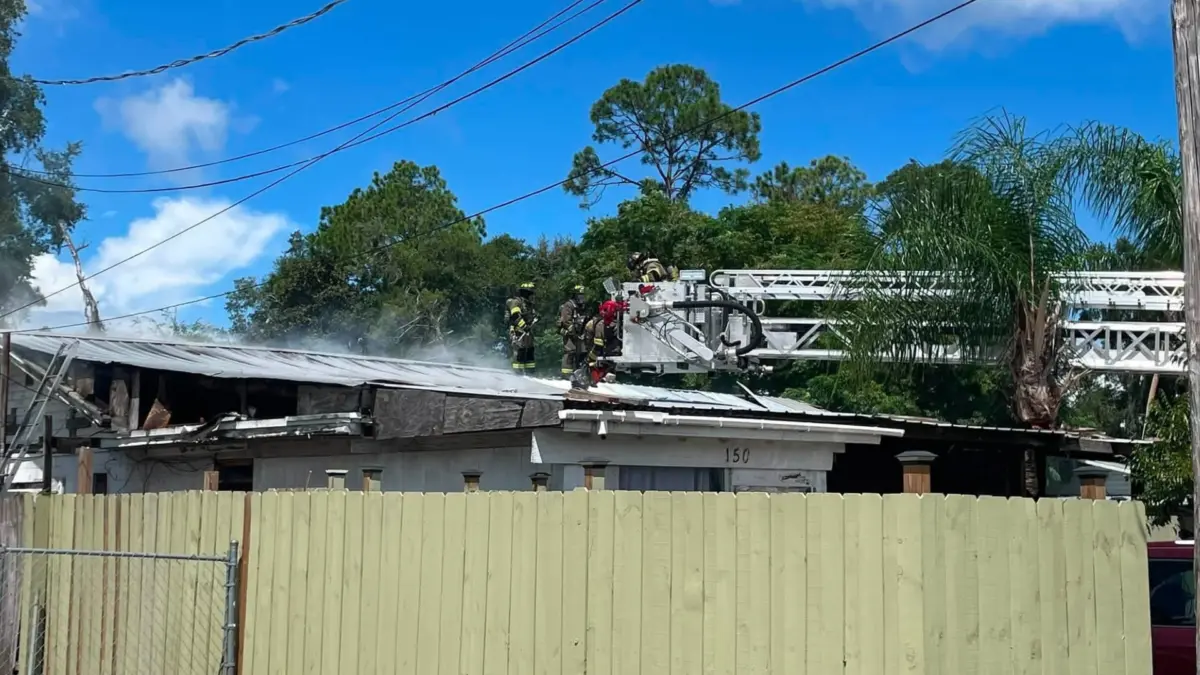
LAKE CITY, Fla. — In the late morning hours of Thursday, a fast-moving residential fire tore through a single-family home located on Northwest Burk Avenue, just off the heavily traveled U.S. Highway 90 corridor. The blaze, which fire investigators believe originated in the home’s attic due to compromised or outdated electrical infrastructure, displaced five human residents and their three canine companions.
Miraculously, despite the aggressive nature of the flames and the extensive structural damage that ultimately rendered the residence completely unlivable, no injuries were reported among the occupants or the responding emergency personnel.
According to preliminary incident reports released by the Lake City Fire Department (LCFD), rapid situational awareness and swift egress by the homeowners prevented what easily could have been a multi-fatality domestic disaster. First responders arrived within minutes of the initial 911 dispatch, confronting heavy smoke and visible fire venting from the roofline. While the structural integrity of the dwelling has been severely compromised—leaving the family temporarily homeless and forcing them to navigate the arduous process of post-disaster recovery—the preservation of life remains the singular, defining outcome of this localized emergency.
This comprehensive investigative report examines the chronology of the Thursday morning incident, contextualizes the broader dangers of residential electrical failures, reviews standard emergency response protocols in Columbia County, and outlines the recovery pathway for displaced families facing catastrophic property loss.
Detailed Chronology of the Incident
The Morning Hours and Initial Ignition
Thursday began as an ordinary day for the five residents on Northwest Burk Avenue. Situated in a quiet, established residential pocket just a short distance from the commercial arteries of U.S. Highway 90, the neighborhood is typically characterized by a peaceful morning routine. However, the tranquility was abruptly shattered shortly before noon.
Preliminary findings from the LCFD fire marshal’s office indicate that the fire began quietly and invisibly within the confines of the home’s attic space. Attic fires are among the most insidious and destructive types of residential emergencies because they often burn undetected for critical minutes before breaking through ceilings, insulation, or roof shingles.
In this instance, investigators believe that faulty electrical wiring—a silent hazard lurking behind drywall and timber—overheated. As current passed through a compromised circuit, microscopic arcing or resistance generated intense localized heat, eventually igniting nearby combustible materials such as wooden trusses, blown-in insulation, or stored household items.
Detection and the Critical Window of Egress
While the exact mechanism of detection remains under administrative review, one of the occupants noticed abnormal sounds, a faint electrical burning smell, or the early accumulation of haze filtering down from the upper reaches of the home. Recognizing the immediate danger, the residents initiated a swift evacuation protocol.
Time is the most critical variable in any residential structure fire. Modern homes, constructed with lightweight engineered lumber and furnished with synthetic materials, can become fully engulfed in flames in less than five minutes once a fire reaches the flashover stage. The prompt action of the five residents—who immediately gathered their three dogs and exited the premises without pausing to collect personal valuables—undoubtedly averted a tragedy.
Emergency Dispatch and First Responder Tactics
At approximately 11:45 a.m., the Columbia County 911 dispatch center received multiple frantic calls reporting thick, dark smoke billowing from the eaves and roofline of the Northwest Burk Avenue residence. The Lake City Fire Department immediately dispatched a multi-unit structural response team, bolstered by mutual aid protocols with neighboring county emergency services to ensure adequate water supply and manpower.
Engine companies arrived on the scene within minutes of the dispatch. Upon arrival, commanding officers encountered heavy smoke conditions and active flames compromising the roof assembly. Firefighters deployed aggressive interior attack lines while simultaneously executing vertical ventilation tactics to release trapped superheated gases and smoke from the attic space.
Despite encountering intense heat and compromised structural stability overhead, suppression crews worked methodically to cut off the fire’s progress, preventing it from completely consuming the lower living areas. By early afternoon, the fire was brought under control, and crews transitioned into overhaul operations—tearing away drywall, insulation, and charred timber to extinguish hidden embers and prevent flare-ups.
Supporting Context & Metrics: The Hidden Danger of Electrical Fires
Understanding Electrical Failures in Residential Structures
To fully understand the Lake City incident, it is vital to examine the broader context of residential fires caused by electrical malfunctions. According to data compiled by the National Fire Protection Association (NFPA) and federal safety agencies, electrical failure or malfunction is consistently ranked among the leading causes of home property damage, injuries, and fatalities across the United States.
| Fire Statistic Category | National Average / Annual Estimate |
|---|---|
| Annual US Home Electrical Fires | ~46,700 reported incidents |
| Direct Annual Property Damage | $1.5 billion+ |
| Leading Areas of Origin | Attics, crawl spaces, wall voids, and garages |
| Primary Root Causes | Faulty wiring, overloaded circuits, aging components |
Attics and crawl spaces are disproportionately vulnerable to electrical fires. Because these areas are generally out of sight and out of mind, homeowners rarely inspect the condition of electrical junction boxes, recessed lighting fixtures, or aging knob-and-tube or aluminum wiring that may be present in older housing stock. Furthermore, attics experience extreme temperature fluctuations—baking under the Florida sun during summer months—which can accelerate the degradation of wire insulation, making it brittle and prone to cracking or short-circuiting.
The Human and Economic Toll in Columbia County
While major commercial fires or widespread wildfires frequently dominate regional news headlines, single-family residential fires represent the vast majority of day-to-day emergency responses handled by local departments like the LCFD.
When a home is deemed "unlivable"—as is the case with the Northwest Burk Avenue property—the impact extends far beyond the physical structure. Families face immediate displacement, forcing them to rely on emergency assistance from organizations like the American Red Cross, local community charities, or personal networks of friends and family. The financial burden of securing temporary housing, replacing essential clothing, replacing lost identification documents, and managing insurance deductibles can destabilize households for months or even years.
Official Statements and Incident Analysis
Lake City Fire Department Briefing
In the wake of the Thursday afternoon operation, leadership from the Lake City Fire Department released formal statements detailing the operational dynamics of the response and the preliminary conclusions of the fire investigation team.
"We responded to a well-developed attic fire on Northwest Burk Avenue just before noon today," an LCFD spokesperson stated during an afternoon briefing. "Thanks to the quick thinking of the five occupants inside the home, everyone—including the family’s three dogs—managed to escape safely without injury. Unfortunately, the structural and smoke damage is extensive, and the home has been officially declared unlivable."
When questioned regarding the origin and cause of the blaze, fire officials pointed directly to the electrical system within the upper framework of the dwelling. "Our preliminary origin and cause determination indicates an electrical failure within the attic space," the official continued. "Old or compromised wiring can generate intense heat without immediately tripping breakers, especially in hidden spaces where conditions are ripe for ignition. We cannot stress enough the importance of regular electrical inspections, particularly in homes with aging infrastructure."
Safety Recommendations from Fire Authorities
In response to this incident, LCFD officials utilized the opportunity to remind the public of critical fire prevention and preparedness measures:
- Professional Electrical Inspections: Homeowners residing in older properties, or those experiencing flickering lights, frequently tripped breakers, or warm switchplates, should hire a licensed electrician to evaluate their wiring.
- Interconnected Smoke Alarms: Working smoke detectors save lives. Residents should test their alarms monthly and ensure units are installed inside every sleeping room, outside each separate sleeping area, and on every level of the home, including the attic and basement.
- Emergency Evacuation Drills: Families should establish and regularly practice a comprehensive fire escape plan, ensuring that all members—including children and visitors—know at least two ways out of every room and a designated meeting place outside.
- Pet Safety Awareness: As demonstrated on Northwest Burk Avenue, pets are vulnerable members of the household. Families should include pets in their escape planning, keeping leashes and carriers easily accessible.
Future Outlook: Recovery, Rebuilding, and Community Support
Navigating the Road to Recovery
For the five displaced residents of Northwest Burk Avenue, the immediate future will be defined by the complex process of recovery. Being displaced by a catastrophic fire requires navigating a labyrinth of administrative, financial, and emotional hurdles.
The first phase involves working closely with insurance adjusters, structural engineers, and public adjusters to assess the extent of the damage. In cases where an attic fire breaches the roof assembly and allows thousands of gallons of suppression water to pour into the living spaces below, smoke, soot, and water damage often ruin belongings that escaped direct fire consumption. Decisions must be made regarding whether the home can be substantially gutted and rebuilt or if it must be demolished down to the foundation.
Community Resilience and Assistance
In the tight-knit community of Lake City and Columbia County, local support networks frequently mobilize to assist victims of sudden residential disasters. Local faith-based organizations, non-profits, and civic groups often step in to provide immediate relief supplies, including gift cards for food and clothing, temporary lodging assistance, and emotional support.
Local authorities encourage community members wishing to support displaced families to channel their donations through established relief agencies, such as the local chapter of the American Red Cross or verified community crowdfunding campaigns, ensuring that aid is distributed transparently and efficiently.
Conclusion
While the structural loss on Northwest Burk Avenue is absolute, the true metric of success for Thursday’s emergency response is measured in lives saved. The safe evacuation of five individuals and three cherished family pets stands as a powerful testament to the value of situational awareness, prompt decision-making, and the tireless professionalism of the Lake City Fire Department. As investigations conclude and the family begins the long journey toward rebuilding, the incident serves as a sobering reminder of the invisible hazards lurking within home infrastructure and the enduring importance of rigorous fire safety vigilance.

0 Comments