

Executive Overview
ABUJA, Nigeria / BAPAKWALI, Liberia — In the heart of West Africa’s dense tropical landscapes, a quiet reckoning is taking place. Decades after enduring the grueling, high-stakes medical experiments of the late 20th century, a dwindling population of laboratory-surviving chimpanzees is finally receiving the meticulous, compassionate medical attention they have long been denied.
In late August 2026, animal welfare advocates and veterinary specialists gathered at the Second Chance Chimpanzee Refuge in Bapakwali, Liberia. Operated by the international organization Humane World for Animals, this sanctuary has become a sanctuary of healing for West African chimpanzees (Pan troglodytes verus) that were once exploited for pioneering biomedical research.
The subjects of this recent medical intervention are not ordinary rescue animals; they are survivors of a controversial chapter in global medical history. From the 1970s through the early 2000s, more than 400 chimpanzees were utilized in Liberia by American researchers for invasive hepatitis B vaccine experiments. Snatched from the wild as vulnerable infants, these animals spent decades confined to laboratories, serving as biological proxies for human pharmaceutical advancements.
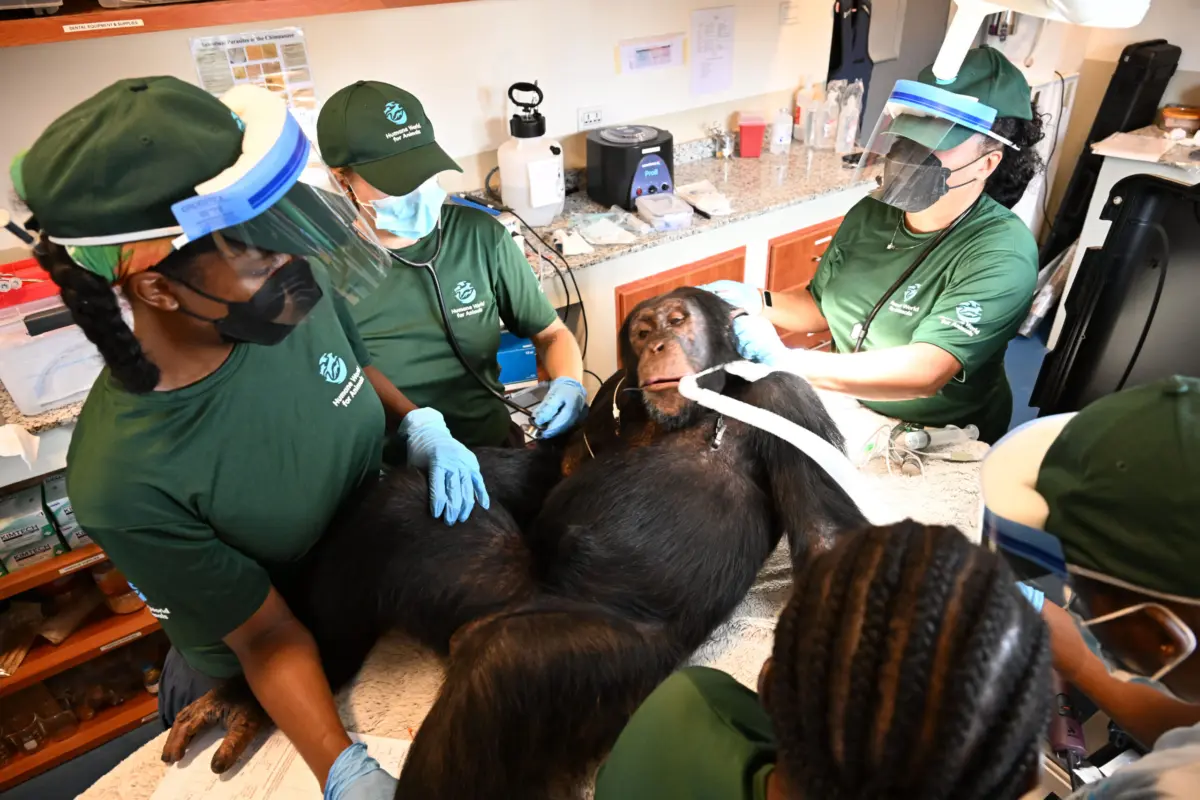
Today, the remaining cohort—now averaging 30 to 35 years of age—resides on a series of lush, mangrove-covered islands managed by Humane World for Animals. Under the watchful eyes of sanctuary directors and dedicated veterinary teams, these primates are undergoing comprehensive, head-to-toe health evaluations. From dental cleanings and detailed X-rays to routine blood panels and booster vaccinations, the initiative seeks to unearth chronic ailments, manage age-related illnesses, and restore a semblance of dignity to creatures whose lives were defined by institutionalized trauma.
This in-depth report explores the historical context of the Liberian laboratory experiments, the logistics of modern sanctuary rehabilitation, the physiological and psychological toll of captivity, and the broader global implications for the ethical treatment of our closest evolutionary relatives.
Detailed Chronology: From the Wild to the Laboratory and Beyond
To understand the profound significance of the August 2026 health assessments, one must trace the timeline of exploitation, transition, and eventual sanctuary that brought these chimpanzees to the banks of Liberia’s waterways.
1970s–Early 2000s: The Era of Invasive Biomedical Research
The roots of the Bapakwali sanctuary trace back to the height of global biomedical research, when non-human primates were heavily relied upon to test vaccines for human pathogens. In the 1970s, American research institutions established extensive testing operations in Liberia, a country that historically possessed one of the largest wild chimpanzee populations in West Africa.
During this era, over 400 chimpanzees were integrated into hepatitis B vaccine development programs. To populate these research facilities, infant chimpanzees were frequently captured from the wild—a process that typically involved killing their mothers, who fiercely protected their young. Once captured, these young primates were thrust into sterile, high-security laboratory environments.
For decades, the chimpanzees were subjected to repeated, invasive procedures, including experimental inoculations, serial blood draws, liver biopsies, and surgical interventions. While these trials contributed significantly to the global understanding and eventual mitigation of hepatitis B—a viral infection that affects hundreds of millions of people worldwide—they exacted a devastating psychological and physical toll on the animal subjects.
The Turn of the Century: The Phase-Out of Primate Testing
By the early 2000s, shifting scientific consensus, ethical re-evaluations, and the advent of advanced in-vitro testing methods began to curb the use of chimpanzees in biomedical research. International pressure mounted against invasive primate testing, leading to the gradual dismantling of the Liberian research programs.
However, the closure of the laboratories presented a catastrophic logistical and ethical dilemma. Hundreds of chimpanzees, habituated to human contact and carrying chronic health conditions or compromised immune systems, could not simply be released back into the wild. Their survival skills had been stripped away, and introducing them into existing wild troops would have likely resulted in territorial violence or the transmission of laboratory-acquired pathogens.
2015: Humane World for Animals Assumes Permanent Custody
A critical turning point arrived in 2015, when Humane World for Animals stepped forward to assume permanent responsibility for the remaining chimpanzees. At that time, approximately 60 survivors of the original research cohorts remained alive.
Recognizing that conventional enclosures would fail to meet the complex social and psychological needs of these intelligent mammals, the organization established the Second Chance Chimpanzee Refuge. Located in central Liberia, the sanctuary utilizes a series of mangrove forest-covered islands. These naturalistic enclosures allow the chimpanzees to roam, forage, and rebuild complex social hierarchies within a protected, semi-wild environment while remaining under the constant care of trained animal husbandry professionals.
August 2026: Comprehensive Health Assessments
The late-August 2026 health evaluations mark a sophisticated evolution in the sanctuary’s long-term care strategy. Moving beyond daily feeding and basic observation, the veterinary team launched a systematic, individual-by-individual clinical review. Administering controlled anesthesia, specialists executed rigorous medical screenings designed to catch age-related pathologies early, manage chronic pain, and establish baseline health metrics for the aging population as they enter their senior years.

Supporting Context & Metrics: The Plight of the West African Chimpanzee
The narrative of the Bapakwali chimpanzees unfolds against a backdrop of severe ecological vulnerability for the subspecies as a whole.
Conservation Status and Regional Populations
According to wildlife conservation organizations and the International Union for Conservation of Nature (IUCN), the West African chimpanzee (Pan troglodytes verus) is officially classified as a critically endangered species. Populations have plummeted across the region due to a lethal combination of habitat fragmentation, illegal poaching for the bushmeat trade, the pet trade, and historical exploitation for biomedical research.
Liberia holds a position of immense ecological importance for the survival of the subspecies. The nation boasts the second-highest population of chimpanzees in West Africa, surpassed only by neighboring Guinea. Consequently, the well-being of the sanctuary’s residents carries both symbolic and practical weight for local conservation advocates striving to protect free-roaming populations.
Clinical Metrics of the 2026 Health Evaluations
The recent medical checks conducted by Humane World for Animals involved a multidisciplinary protocol tailored to geriatric primates. Because chimpanzees in captivity can live up to 50 years or more—with the current sanctuary residents averaging between 30 and 35 years of age—proactive geriatric care is essential.
Key components of the clinical protocol included:
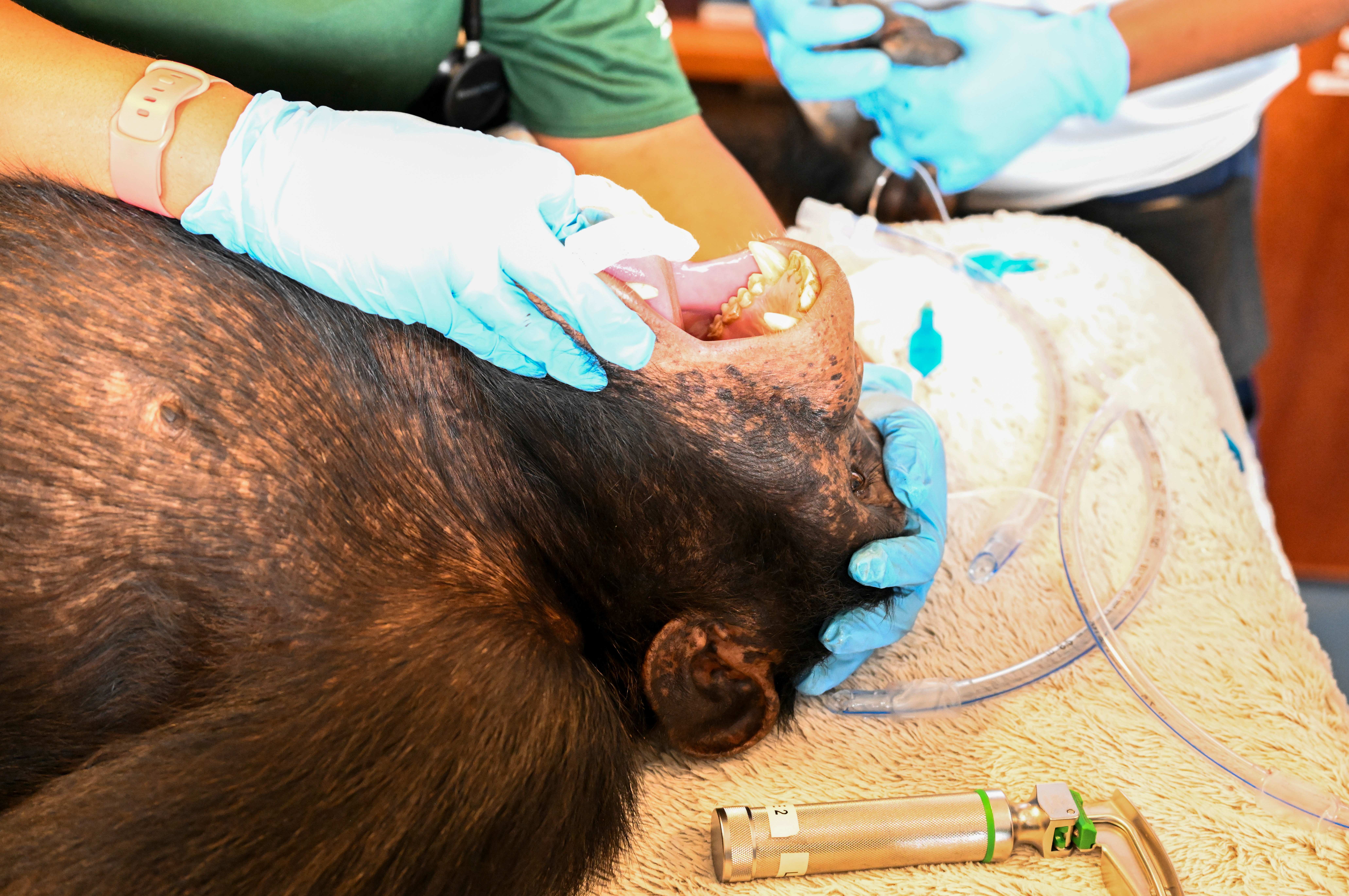
- Anesthetic Management: Because fully conscious chimpanzees cannot be safely examined, subjects were carefully anesthetized by specialized wildlife veterinarians to minimize stress and physical risk.
- Full-Body Radiography (X-rays): Imaging was utilized to evaluate skeletal integrity, check for healed fractures or joint degeneration (such as arthritis), and monitor internal organ health.
- Dental Examinations & Cleanings: Advanced periodontal care was administered to prevent painful dental abscesses, which are common in aging primates and can severely impact nutritional intake.
- Cardiopulmonary Assessments: Auscultation and diagnostic screening of the heart, lungs, and circulatory system to detect age-related cardiovascular decline.
- Hematology and Parasitology: Comprehensive blood draws to analyze organ function, systemic inflammation, and metabolic markers, alongside screenings for endoparasites.
- Prophylactic Care: Administration of booster vaccinations against common regional pathogens and routine fingernail/pedicure maintenance to prevent ingrown nails and mobility impediments.
Official Statements and Veterinary Insights
The emotional and professional dimensions of the sanctuary’s work are reflected in the testimonies of those who dedicate their lives to caring for the survivors.
Liliana Pacheco Ricote, director of the sanctuary, offered stark reflections on the history of the animals and the enduring psychological echoes of their laboratory confinement.
"They were used in very invasive research… [and] went through a lot of experiments and pain," Ricote told The Associated Press.
While the physical scars are visible in medical imaging and clinical observations, the psychological legacy remains harder to quantify. Ricote noted that while formal analytical findings from the comprehensive assessments are still being compiled, the emotional residue of decades past is unmistakable.
"For those who were under experiments, you could still feel the hurt and the pain that they went through," Ricote explained. Yet, she emphasized the profound sense of purpose that drives the sanctuary’s staff: "Seeing how much they hurt about what we’ve done, it gives me a lot of pleasure… to give them this second chance to live with dignity the life that they deserve."
From a clinical perspective, the hands-on medical evaluations are vital for preserving quality of life. Belen Perez Hernando, the sanctuary’s lead veterinarian, underscored the necessity of rigorous, preventative healthcare for animals with such complex medical histories.
"The health checks are a vital part of caring for these chimpanzees who have been through so much," Perez Hernando stated.
By identifying underlying conditions—ranging from early-stage organ dysfunction to chronic joint pain—the veterinary team can tailor individual palliative and therapeutic care plans, ensuring that the chimpanzees’ twilight years are marked by comfort rather than suffering.
Future Outlook: Legacy, Ethics, and Continuing Care
As the sun sets over the mangrove-fringed islands of Bapakwali, the work of the Second Chance Chimpanzee Refuge enters a new and critical phase. The successful execution of the August 2026 health checks serves as a pilot model for ongoing veterinary interventions across the entire population.

Next Steps for the Sanctuary
Humane World for Animals has confirmed that plans are already underway to systematically extend these comprehensive health evaluations to the remainder of the sanctuary’s residents. Logistics are being coordinated to ensure that every individual chimpanzee receives the same rigorous diagnostic workup, minimizing anesthetic risks while maximizing diagnostic yield.
Furthermore, the sanctuary continues to refine its environmental enrichment programs. As the chimpanzees age, habitat managers are adapting the mangrove islands to accommodate declining mobility, ensuring that climbing structures, feeding stations, and nesting areas remain accessible to elderly troop members.
Broader Implications for Science and Ethics
The story of Liberia’s laboratory chimpanzees resonates far beyond the borders of West Africa. It serves as a permanent historical marker of a bygone era in biomedical science—one that ultimately catalyzed global movements toward the ethical replacement, reduction, and refinement (the "Three Rs") of animal models in research.
Today, as regulatory bodies worldwide increasingly restrict or ban invasive chimpanzee research—culminating in historic legislative shifts in the United States and Europe over the past decade—the surviving population in Liberia stands as both a testament to scientific progress and a humbling reminder of its cost.
Ultimately, the sanctuary in Bapakwali offers a powerful narrative of redemption. While humanity cannot erase the trauma inflicted upon these chimpanzees during decades of hepatitis testing, dedicated conservationists and veterinarians are ensuring that their final chapters are written not in sterile laboratories, but under the open skies of their native West African homeland.

0 Comments