

Executive Overview
The fragile peace across the Middle East fractured further on Sunday, September 6, 2026, as a multi-front regional conflict intensified with new kinetic engagements. In the strategic maritime corridor of the Strait of Hormuz, Iranian state media reported that forces targeted and struck an unmanned U.S. military drone boat, an incident that threatens to permanently unravel a month-long lull in direct Washington-Tehran hostilities.
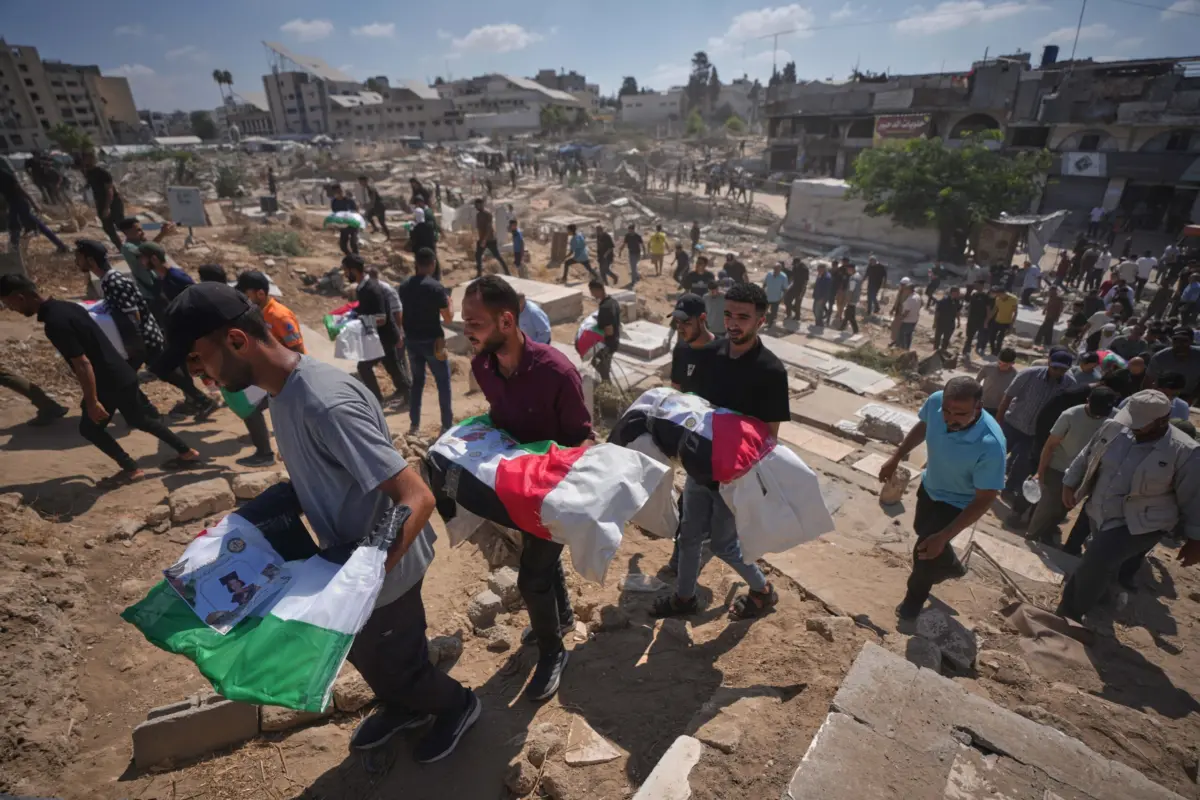
Simultaneously, the theater of war in the Levant saw a violent surge. Israeli airstrikes targeted several locations across southern Lebanon, killing at least four individuals—including civilians—and wounding upwards of 20 others, among them women and young children. The devastating barrage notably leveled a vacant hospital in the region, drawing sharp condemnation from Lebanese officials.
These developments unfold against the backdrop of a broader, protracted geopolitical crisis that has persisted since sweeping U.S. and Israeli operations against Iran commenced on February 28, 2026. Despite a brief and brittle ceasefire announced in June, localized violence, economic warfare, and retaliatory strikes continue to shatter the region’s stability, leaving diplomatic efforts deadlocked and populations caught in the crossfire.
Detailed Chronology of Recent Events
The resurgence of hostilities over the weekend marks a definitive end to a fleeting window of relative quiet that began in late July. The sequence of kinetic events highlights how quickly localized skirmishes can escalate into broader strategic confrontations.
The Strait of Hormuz Incident
According to state-run media outlets in Tehran, an Iranian military asset intercepted and struck an unmanned U.S. naval surface vessel operating within or near restricted waters in the Strait of Hormuz. Iranian officials asserted that the unmanned boat was probing sensitive defensive perimeters.
As of Sunday evening, U.S. Central Command (CENTCOM), which oversees military operations throughout the Middle East theater, had not officially confirmed the strike nor responded to immediate requests for comment from international press agencies.
This maritime clash follows a sharp escalation on Saturday, when the United States military announced targeted strikes against Iranian oil tankers. Those operations were framed by Washington as direct retaliation for earlier Iranian ballistic missile attacks directed at U.S. Navy warships patrolling regional waters. The tit-for-tat exchanges in the Persian Gulf and its surrounding waterways indicate that the maritime economic chokepoint remains a primary flashpoint for direct superpower friction.
Airstrikes Across Southern Lebanon
On the northern front, the situation deteriorated rapidly on Sunday morning following a reported drone attack launched by the Iran-backed militant group Hezbollah against Israeli ground positions in southern Lebanon.

In swift retaliation, the Israel Defense Forces (IDF) launched a wave of punishing aerial bombardments targeting multiple villages and urban centers.
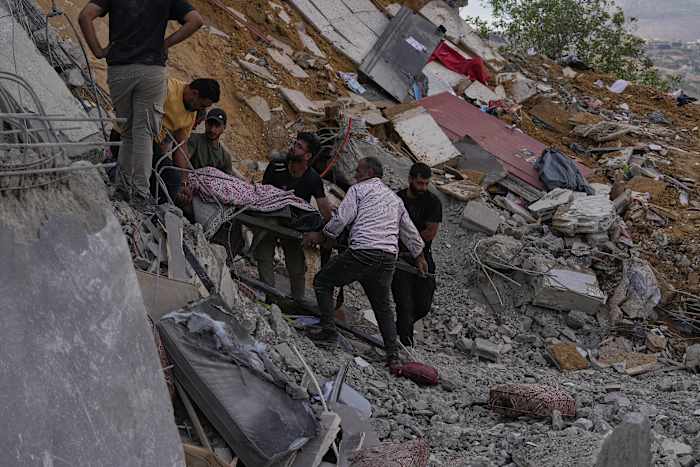
- Arabsalim: Airstrikes leveled residential structures in the southern Lebanese village of Arabsalim, resulting in two fatalities and multiple injuries. Rescue workers and local residents spent hours sifting through the rubble to recover victims.
- Nabatiyeh: Further strikes rocked the city of Nabatiyeh, located near a strategic hill that Israeli military spokespersons claimed was secured by ground forces late last week. Two additional fatalities were recorded in this sector.
- The Medical Infrastructure: Lebanese Health Ministry officials confirmed that the relentless bombardment completely destroyed an empty hospital facility in the operational zone, further compounding the humanitarian toll on an already strained healthcare network.
Across all Sunday strikes in Lebanon, preliminary casualty reports place the wounded toll at over 20 people, including at least three children and five women. While low-level skirmishes have persisted intermittently despite a ceasefire brokered over two months ago, Sunday’s coordinated attacks represent one of the most violent days in the sector since the summer truce.
Supporting Context & Metrics
To fully understand the gravity of Sunday’s escalations, it is essential to examine the underlying timeline and structural metrics of the ongoing regional conflict.
[Feb 28, 2026] Initial U.S./Israeli strikes on Iran
       │
       ▼
[June 2026]    Ceasefire agreement announced (Temporary lull)
       │
       ▼
[August 2026]  Collapse of diplomatic talks & resumption of economic warfare
       │
       ▼
[Sept 6, 2026] Iran claims strike on U.S. drone boat; Israeli airstrikes kill 4 in Lebanon
The Anatomy of a Broken Ceasefire
The current cycle of violence stems from the sweeping offensive launched by the United States and Israel against Iranian military and strategic infrastructure on February 28, 2026. This campaign fundamentally altered the security architecture of the Middle East, drawing in regional proxies and destabilizing global energy markets.

Although international mediators successfully negotiated a fragile ceasefire in June, the agreement proved to be structurally flawed. Without a comprehensive political settlement addressing the core drivers of the conflict—including Iran’s nuclear and ballistic programs, regional proxy networks, and crippling international economic sanctions—the truce quickly eroded.
Economic and Military Metrics
- Economic Pain Points: Both Washington and Tehran have increasingly utilized economic warfare as a primary instrument of statecraft. The targeting of Iranian oil tankers by U.S. forces aims to choke off Tehran’s primary revenue streams, exacerbating hyperinflation and severe domestic economic strain within Iran.
- Casualty Dynamics: The conflict has exacted a catastrophic toll on civilian populations. In Lebanon alone, cumulative casualties since the outbreak of hostilities have displaced tens of thousands of residents from border communities, rendering vast swaths of agricultural and urban land uninhabitable.
- Naval Chokepoints: The Strait of Hormuz handles roughly a fifth of the world’s petroleum transit. Any kinetic activity in this narrow maritime corridor instantly reverberates through global financial markets, driving up crude oil futures and threatening international supply chain stability.
Official Statements and Diplomatic Reactions
As the ground and maritime situations remain volatile, governments and international bodies have issued cautious responses, signaling deep concern over the breakdown of diplomatic channels.
Tehran’s Position
Iranian state media framed the targeting of the U.S. unmanned vessel as a legitimate defensive action against unauthorized foreign incursions into sovereign or strategically restricted maritime zones. Tehran has consistently maintained that the ongoing presence of Western military assets in the Persian Gulf is the primary source of regional instability, vowing continued resistance against what it terms "imperialist maritime provocations."
Washington and Central Command’s Silence
The deliberate reticence from U.S. Central Command regarding the reported Hormuz strike reflects standard operational security protocols during active engagements. However, defense analysts note that Washington’s recent authorization of strikes against Iranian oil tankers signals a marked hardening of U.S. rules of engagement in the region, leaving little room for de-escalation without tangible concessions from Tehran.

Israeli Military Dispatches
The Israel Defense Forces defended Sunday’s air campaign as a necessary and proportionate response to Hezbollah’s cross-border drone incursions. In official briefings, military spokespersons reiterated that Israel will continue to target militant infrastructure, command nodes, and staging grounds across southern Lebanon until the security of its northern communities is fully guaranteed. When questioned regarding the destruction of the vacant hospital in southern Lebanon, the IDF declined to provide immediate comment, though past statements have routinely accused Hezbollah of embedding military assets within civilian infrastructure.
Future Outlook & Strategic Implications
The convergence of kinetic escalations in both the Persian Gulf and the Levant points toward a dangerous trajectory for the remainder of 2026. Several critical factors will determine whether these incidents remain localized flashpoints or ignite a wider regional conflagration:
- The Viability of Regional Ceasefires: With the June ceasefire effectively reduced to a dead letter, international mediators—particularly European and Arab states—face immense pressure to construct a new diplomatic framework. However, with mutual trust entirely eroded, neither Israel, Iran, nor Hezbollah appear willing to unilaterally stand down.
- Maritime Security in the Persian Gulf: Should confirmed reports of direct attacks on U.S. naval assets in the Strait of Hormuz multiply, Washington will face severe domestic and international pressure to mount a disproportionate retaliatory campaign against Iranian naval infrastructure. This risks closing or heavily restricting one of the world’s most vital energy arteries.
- The Humanitarian Crisis in Lebanon: The leveling of medical facilities and residential neighborhoods in southern Lebanon threatens to precipitate a secondary humanitarian emergency. As winter approaches, the inability of displaced populations to return to their homes will place an unsustainable burden on the Lebanese central government and international aid organizations.
Ultimately, the events of September 6, 2026, serve as a stark reminder that the Middle East remains locked in a destructive cycle of action and reaction. Without a renewed, robust diplomatic initiative backed by genuine security guarantees for all involved parties, the region stands on the precipice of an even deeper and more protracted catastrophe.

0 Comments