

Executive Overview
In a case that highlights the intersection of domestic betrayal, digital intrusion, and child exploitation, a Louisville, Kentucky resident has been arrested and charged with multiple felonies. The arrest followed an intensive multi-agency investigation into a hidden surveillance operation discovered inside a shared residential bathroom.
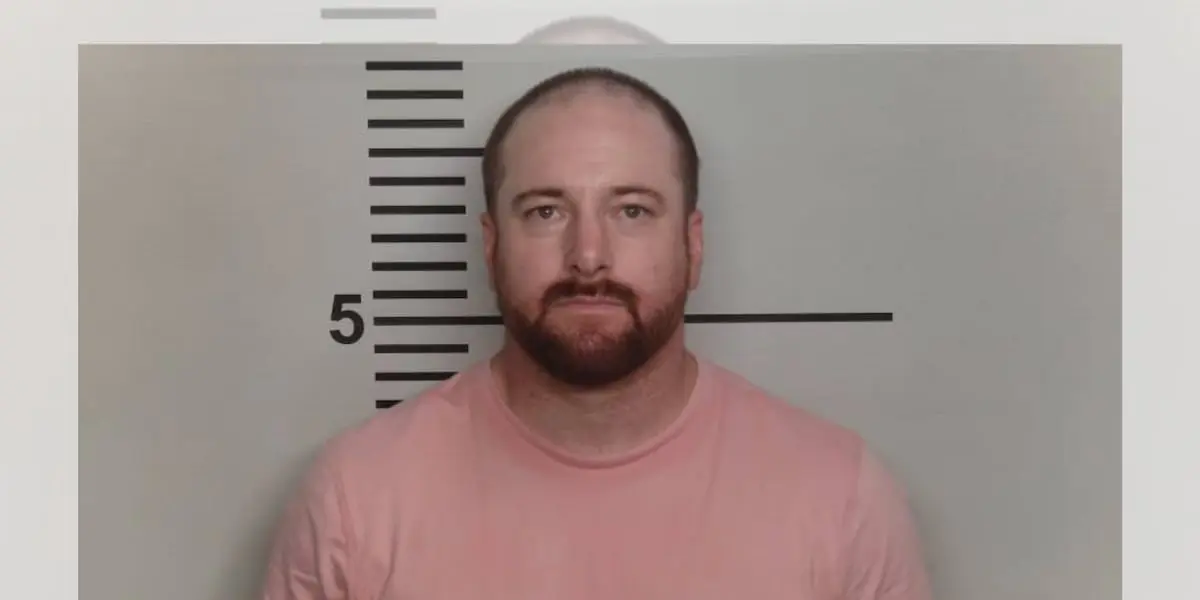
On Friday, September 4, 2026, law enforcement officials took 38-year-old Chad N. Spurlock into custody. Spurlock faces severe criminal charges, including promoting a sexual performance by a minor under the age of 16, possession of matter portraying a sexual performance by a minor, and voyeurism.
The investigation was initiated in mid-July 2026 after a resident discovered a hidden camera actively recording inside a communal bathroom. A subsequent forensic analysis of the device’s memory card by cyber-forensics experts revealed a cache of non-consensual recordings capturing residents in various states of undress. Alarmingly, the majority of the recovered footage featured a 14-year-old female minor.
The case has reignited critical discussions regarding the accessibility of micro-surveillance technology, the legal frameworks governing digital privacy violations, and the profound psychological trauma inflicted on victims of non-consensual recording within their own homes.
Detailed Chronology
The timeline of events spans several weeks, beginning with the initial discovery of the recording device and culminating in Spurlock’s arrest and subsequent arraignment in Jefferson County Court.
[July 15, 2026] ────> Victim discovers hidden camera; CPS notified
       │
[Mid-July 2026] ───> LMPD seizes device; forensic analysis reveals 15 videos
       │
[July 25, 2026] ────> Spurlock sends apologetic texts to minor via burner phone
       │
[Sept 4, 2026] ─────> Chad N. Spurlock arrested by Louisville Metro Police
       │
[Sept 5, 2026] ─────> Arraignment; $100,000 bond set with strict conditions
The Discovery and Initial Report (July 15, 2026)
The investigation began on July 15, 2026, when Child Protective Services (CPS) received an urgent report detailing a suspected case of child exploitation and privacy invasion at a Louisville residence. According to court documents, a resident of the household discovered a small, concealed camera positioned inside a shared bathroom. Upon closer inspection, the device was found to be actively recording.
Recognizing the gravity of the situation and the presence of minors in the household, CPS immediately coordinated with local law enforcement, handing over the initial report to the Louisville Metro Police Department (LMPD) for a comprehensive criminal investigation.
Forensic Examination and Incriminating Communications
LMPD detectives seized the recording device and transferred it to forensic specialists for digital analysis. A thorough review of the camera’s internal memory card revealed fifteen distinct video files. The footage captured various residents changing clothes, showering, and utilizing the restroom facilities—completely unaware that their most private moments were being recorded.
Of the fifteen recovered videos, eight specifically depicted a 14-year-old female victim. Furthermore, investigators noted that the camera was equipped with active Wi-Fi capabilities. This technical feature raised significant concerns among cyber-crimes investigators, as it meant the live feed or recorded footage could have been transmitted directly to an external mobile device, cloud storage, or third-party servers.
As detectives built their case, a parallel trail of digital evidence began to surface:
- The Mother’s Texts: Investigators learned that Spurlock had sent a text message to the minor victim’s mother, with whom he had been in a previous relationship. In the message, Spurlock explicitly asked if she had located a camera he had placed in the bathroom, effectively linking himself to the device.
- The Burner Phone Messages: On July 25, 2026, ten days after the initial discovery, the 14-year-old victim received a series of text messages from an unrecognized number. Investigative analysis traced the messages back to a burner phone allegedly operated by Spurlock. The texts contained direct apologies to the minor, with Spurlock pleading for forgiveness for his actions.
The Arrest and Arraignment (September 4–5, 2026)
With a wealth of digital forensics and self-incriminating communications secured, LMPD officers obtained an arrest warrant for Spurlock. On Friday, September 4, 2026, law enforcement located and apprehended the 38-year-old without incident.
Spurlock was booked into the Louisville Metro Department of Corrections. During his initial court appearance the following day, a Jefferson County judge addressed the severity of the charges. The prosecution emphasized the targeted nature of the voyeurism and the vulnerability of the underage victim.
The judge set Spurlock’s bond at $100,000. Under the strict conditions of his potential release, Spurlock must submit to:
- Full home incarceration.
- Continuous electronic GPS monitoring.
- An absolute prohibition on contact with any minor children.
- A strict stay-away order from the location of the offense.
Supporting Context & Metrics
The Legal Framework: Kentucky Revised Statutes (KRS)
The charges leveled against Chad N. Spurlock carry severe penalties under Kentucky law, reflecting the state’s stringent stance on child exploitation and privacy violations.
| Charge | Classification | Potential Sentencing Range (KY) |
|---|---|---|
| Promoting a Sexual Performance by a Minor (<16) | Class B Felony | 10 to 20 years imprisonment |
| Possession of Matter Portraying a Sexual Performance by a Minor | Class D Felony | 1 to 5 years imprisonment |
| Voyeurism | Class A Misdemeanor | Up to 12 months in jail |
The escalation of the charges to Class B and Class D felonies underscores the gravity of recording a minor without consent. In Kentucky, the creation, recording, or promotion of sexually explicit material involving a minor—even within a residential setting—is prosecuted with the same severity as commercial exploitation.
The Rise of Digital Voyeurism and "Spycam" Technology
Spurlock’s case is emblematic of a growing national and global challenge: the proliferation of cheap, easily concealable, Wi-Fi-enabled surveillance equipment.
Once restricted to professional security or industrial applications, micro-cameras are now widely available on major e-commerce platforms for nominal fees. Often marketed as "nanny cams" or "pet monitors," these devices are frequently packaged inside everyday household objects, such as:
- USB wall chargers
- Smoke detectors
- Alarm clocks
- Picture frames
- Clothes hooks
While these devices have legitimate security uses, their potential for abuse is immense. The integration of Wi-Fi and Bluetooth capabilities allows perpetrators to stream live video feeds directly to smartphones, bypassing the need to physically retrieve the device to access the data. This technological evolution significantly complicates law enforcement efforts, as evidence can be deleted remotely or distributed across the internet within seconds.
Official Statements and Investigative Insights
While formal litigation is pending, law enforcement officials and victim advocacy groups have emphasized the critical role of prompt reporting in mitigating the damage of digital voyeurism.
An investigator close to the case, speaking on the condition of anonymity, noted the sophistication of modern digital forensics in tracking these offenses:
"Many offenders mistakenly believe that using burner phones or deleting local files protects them from prosecution. In reality, the digital footprint left by Wi-Fi-enabled cameras, network logs, and cellular metadata provides a highly traceable path. Our cyber-crimes units are fully equipped to reconstruct these timelines and hold perpetrators accountable."
Child advocacy groups have also highlighted the severe psychological impact of these crimes. Dr. Elena Ramirez, a clinical psychologist specializing in adolescent trauma, explained the unique harm caused by domestic voyeurism:
"The home, and specifically the bathroom, represents the ultimate boundary of safety and privacy. When that boundary is violated by someone known to the family, the psychological impact on a developing teenager can be devastating. It shatters their sense of security, often leading to chronic anxiety, hypervigilance, and profound trust issues that require long-term therapeutic support."
Future Outlook
As the legal proceedings against Chad N. Spurlock move forward in the Jefferson County court system, the case is expected to proceed to a grand jury for formal indictment. Prosecutors will likely leverage the recovered video files, the device’s network connection history, and the incriminating text messages to build a comprehensive case.
Beyond the courtroom, this incident contributes to an ongoing legislative debate regarding the regulation of disguised surveillance devices. Privacy advocates continue to push for stricter sales regulations, mandatory registration of micro-surveillance equipment, or built-in digital signatures that would allow consumers to easily detect hidden wireless signals using standard mobile applications.
For the victims, the road to recovery is supported by the court’s stringent bond conditions, which ensure that Spurlock remains heavily monitored and legally separated from the family. The case stands as a stark reminder of the vigilance required to
protect personal privacy in an increasingly connected world.

0 Comments