

Executive Overview
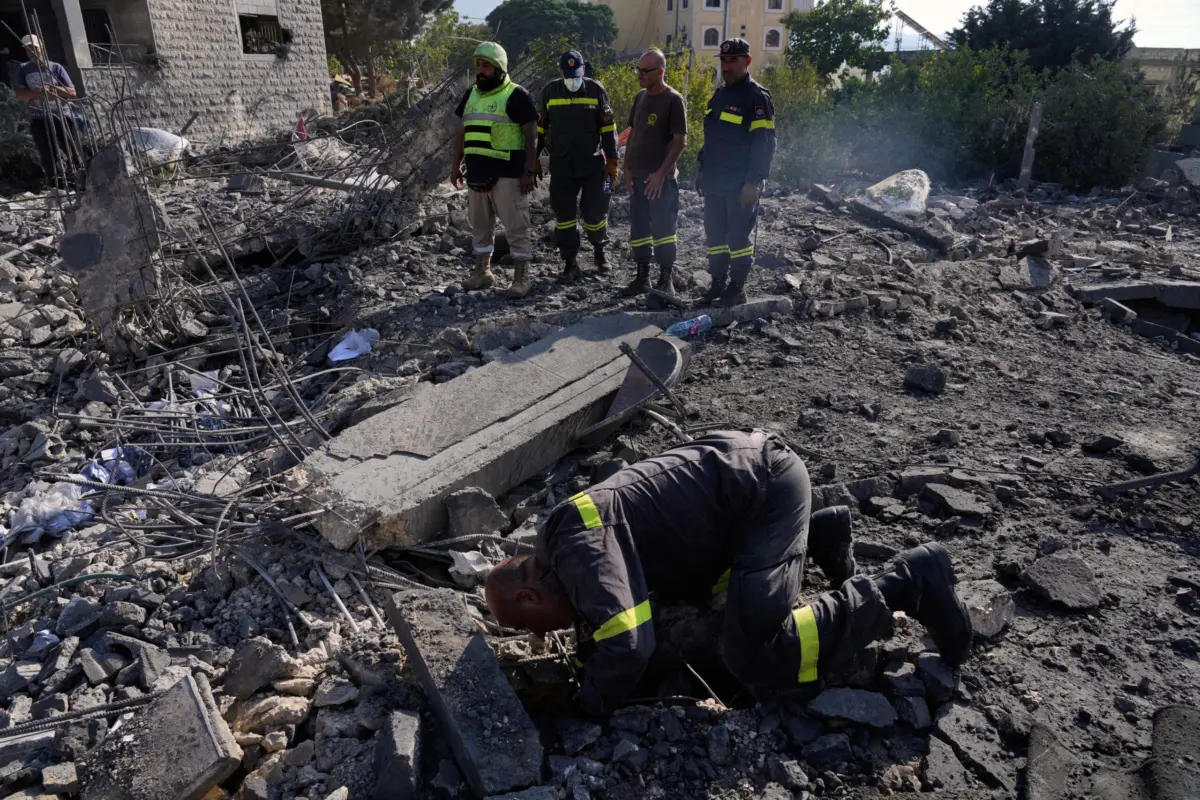
On the morning of Monday, September 7, 2026, the southern Lebanese village of Kfar Rumman became the latest flashpoint in a rapidly deteriorating security landscape. Two precision Israeli airstrikes struck the municipality, killing at least nine people—including women, children, and an active-duty paramedic—and wounding dozens of others. This lethal bombardment represents a critical escalation in the ongoing border conflict, occurring in direct defiance of a U.S.-brokered ceasefire agreement signed just over two months prior.
The tragedy in Kfar Rumman is not an isolated incident; rather, it is the predictable outcome of a structural breakdown in the June 2026 diplomatic framework. Designed to establish a sustainable security architecture along the Blue Line, the truce has instead devolved into a volatile cycle of tit-for-tat retaliations.
With the Israel Defense Forces (IDF) asserting "operational control" over key strategic high ground, and Hezbollah maintaining its asymmetric drone campaigns, the diplomatic roadmap has reached a dangerous impasse. As civilian casualties mount and vital infrastructure is reduced to rubble, the prospects for a negotiated settlement are being replaced by the grim reality of an uncontrolled war of attrition.
Detailed Chronology
The events of early September 2026 paint a picture of rapidly accelerating military operations along the Israel-Lebanon border, culminating in the deadly strikes on Kfar Rumman.
[Sept 4-5: IDF Seizes Ali Taher Hill] ──> [Sept 6: Hospital Leveled; 7 Killed] ──> [Sept 7, Dawn: Deir al-Zahrani Warning & Strike] ──> [Sept 7, Morning: Kfar Rumman Double Strike]The Prelude: Consolidation of Strategic High Ground
Days before the Kfar Rumman strikes, the IDF announced it had secured "operational control" over the strategic Ali Taher hill. This geographical feature overlooks the city of Nabatiyeh and several adjacent villages, including Kfar Rumman. By controlling this high ground, the IDF established direct lines of sight and fire over key logistics routes, fundamentally altering the tactical balance of power in the sector and setting the stage for subsequent offensive operations.
Sunday, September 6: Preliminary Bombardments
The violence intensified significantly on Sunday, when Israeli airstrikes across southern Lebanon killed at least seven people. Among the targets destroyed was an empty hospital facility. While the building was unoccupied at the time of its destruction, its leveling signaled a widening of Israel’s targeting parameters to include critical civilian and civic infrastructure suspected of harboring tactical utility for militant forces.
Monday, September 7: Dawn Operations and Evacuation Orders
At dawn on Monday, the IDF issued a localized evacuation warning for a residential property in the southern village of Deir al-Zahrani. Shortly after the alert was disseminated, the building was targeted and destroyed by an Israeli airstrike. The IDF defended the strike as a direct retaliatory measure following a series of Hezbollah drone incursions aimed at Israeli military positions along the border.
Monday, September 7: The Kfar Rumman Strikes
Hours after the Deir al-Zahrani operation, Israeli warplanes executed two successive strikes on Kfar Rumman, situated near the provincial hub of Nabatiyeh.
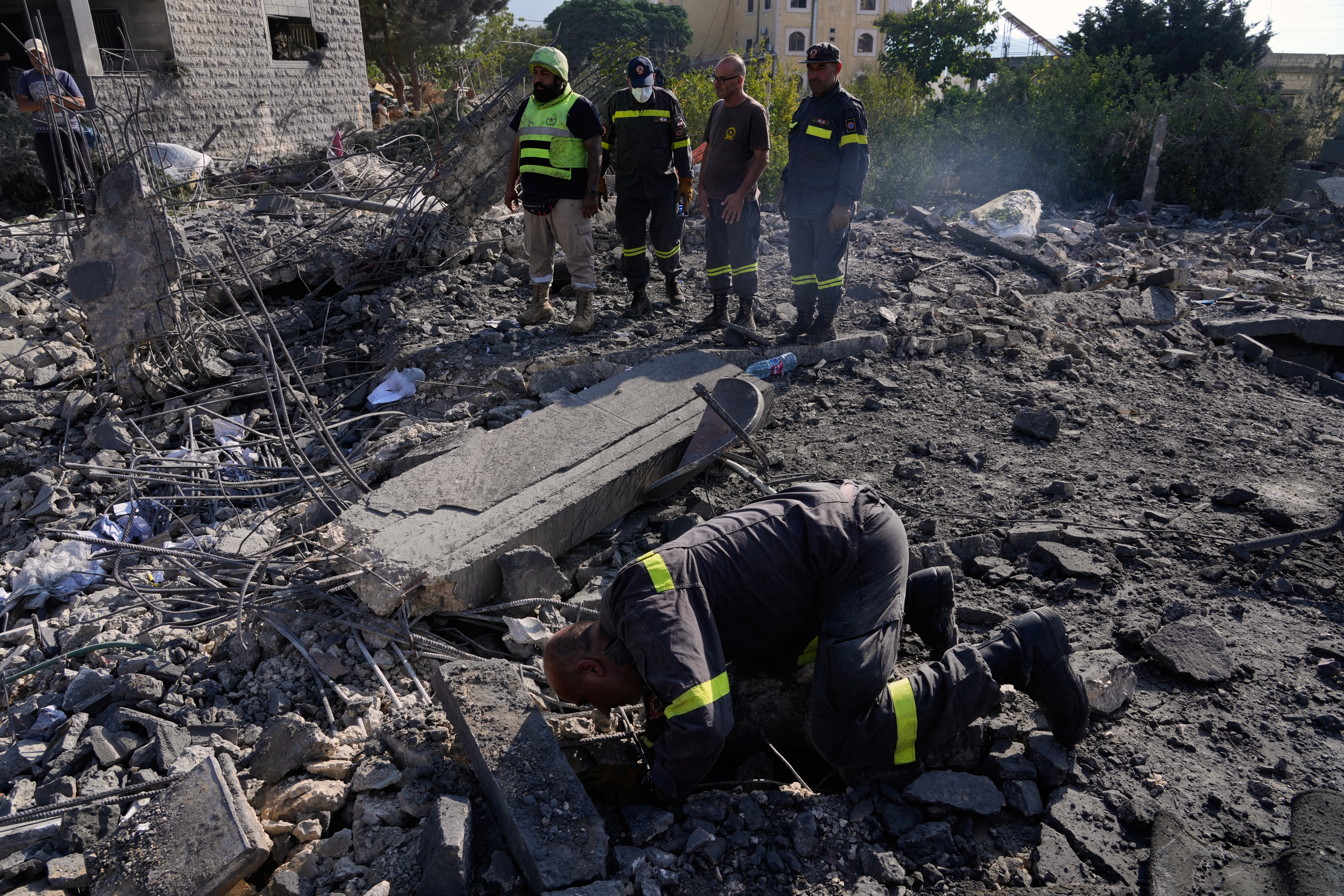
- The First Strike (Residential Target): An Israeli missile struck a multi-story residential building in the center of the village. According to the Lebanese Ministry of Public Health, the blast killed eight civilians, including two women and a child. The explosion also wounded 11 others, among them four children and two women, many of whom remain in critical condition.
- The Second Strike (Paramedic Vehicle): Shortly after the first explosion, a second strike targeted a vehicle moving through the village. The strike killed a paramedic affiliated with the Lebanese Islamic Risala Scout Association—a civil defense and first-responder group—and wounded two other passengers.
Supporting Context & Metrics
The escalation in southern Lebanon highlights the deep flaws of the June 2026 U.S.-brokered framework agreement. To understand why the truce failed so quickly, it is necessary to examine the geographic, military, and diplomatic realities on the ground.
                  ┌────────────────────────────────────────┐
                  │      June 2026 Framework Deal          │
                  └───────────────────┬────────────────────┘
                                      │
             ┌────────────────────────┴────────────────────────┐
             ▼                                                 ▼
┌──────────────────────────┐                      ┌──────────────────────────┐
│     Israeli Demands      │                      │    Hezbollah Position    │
├──────────────────────────┤                      ├──────────────────────────┤
│ • Total disarmament of   │                      │ • No disarmament north   │
│   Hezbollah nationwide.  │                      │   of the Litani River.   │
│ • Retain right to strike │                      │ • Retaliation for border │
│   perceived violations.  │                      │   incursions.            │
└──────────────────────────┘                      └──────────────────────────┘
             │                                                 │
             └────────────────────────┬────────────────────────┘
                                      ▼
                  ┌────────────────────────────────────────┐
                  │           Diplomatic Impasse           │
                  │   (Continuous Violations & Warfare)    │
                  └────────────────────────────────────────┘
The Strategic Value of the Nabatiyeh Sector
Kfar Rumman and the neighboring city of Nabatiyeh serve as crucial logistical and demographic centers in southern Lebanon. The region’s topography is defined by rolling hills and deep valleys, making elevated positions like Ali Taher hill incredibly valuable. For the IDF, controlling these heights provides an observation post to monitor and disrupt Hezbollah’s movement. For Hezbollah, the area is a vital defensive redoubt and a launchpad for asymmetric operations into northern Israel.
The Litani River and the Disarmament Dilemma
The structural failure of the June 2026 agreement stems from a fundamental mismatch in expectations regarding the Litani River boundary, a flashpoint established under UN Security Council Resolution 1701 in 2006:
| Parameter | Israeli Position | Hezbollah Position | Lebanese State Position |
|---|---|---|---|
| Disarmament Scope | Nationwide disarmament of Hezbollah as a prerequisite for full military withdrawal from southern Lebanon. | Rejection of any disarmament north of the Litani River; preservation of military capabilities. | Formal support for the framework, but lacks the political or military power to enforce disarmament. |
| Border Presence | Demands a buffer zone free of Hezbollah assets between the Blue Line and the Litani River. | Asserts the right to resist Israeli occupation and border incursions through asymmetric means. | Advocates for Lebanese Army deployment, dependent on international financial and logistical support. |
| Tactical Approach | Preventive airstrikes and drone surveillance to disrupt weapon supply chains. | Use of low-altitude reconnaissance and attack drones to bypass Israeli air defense systems. | Diplomatic appeals to the UN and Western powers to halt sovereignty violations. |
Because Hezbollah was not a direct signatory to the U.S.-mediated talks—which were conducted through the Lebanese government—the group does not consider itself bound by terms that require its unilateral disarmament. Conversely, Israel refuses to cede its tactical advantages or withdraw its forces while Hezbollah retains its arsenal. This has left the Lebanese Armed Forces (LAF) unable to fill the security vacuum in the south.
Official Statements
The Lebanese Perspective
The local and national reaction in Lebanon has been one of outrage, with officials pointing to the human cost of the strikes as evidence of international diplomatic failure.
Kfar Rumman’s mayor, Abdullah Farhat, did not hold back in his assessment of the strikes, calling them a war crime:
"What happened in our village is a massacre in every sense of the word. Our leaders in Beirut signed deals, and we are paying the price here on the ground. We are dealing with an enemy that is not concerned about international law, agreements, or human lives."
Local residents expressed similar anger and resolve. Standing near the ruins of the targeted residential building, resident Fouad Chakaron noted the psychological toll of the conflict:
"We have been living in constant anxiety amid shelling on the outskirts of our town. Now, they have struck the heart of the community."
Another resident, Saleh Medlej, questioned the military justification for targeting a residential home:
"Are there missiles here? This was a home to families and children. I will not leave this place. We will stay in our town despite the airstrikes and the constant shelling."
The Israeli Perspective
While the IDF did not issue a specific statement on the Kfar Rumman residential strike, its operational command has consistently defended its actions in southern Lebanon as necessary defensive operations.
Israeli military spokespersons have stated that any building, vehicle, or position utilized by Hezbollah for storing weapons, planning operations, or launching drones is considered a legitimate military target. The IDF maintains that its operations are designed to enforce the spirit of the June agreement by dismantling Hezbollah’s infrastructure, pointing to continuous drone and rocket attacks as justification for its active defense posture.

Future Outlook
The deadly strikes on Kfar Rumman and Deir al-Zahrani indicate that the U.S.-brokered framework is no longer functioning as an effective tool for conflict management. As both sides dig in, several key trends are likely to shape the near-term future of the conflict:
                  ┌────────────────────────────────────────┐
                  │   De Facto Security Zone Established   │
                  │     by IDF along the Southern Border   │
                  └───────────────────┬────────────────────┘
                                      │
             ┌────────────────────────┴────────────────────────┐
             ▼                                                 ▼
┌──────────────────────────┐                      ┌──────────────────────────┐
│     Hezbollah Response   │                      │  Diplomatic Consequences │
├──────────────────────────┤                      ├──────────────────────────┤
│ Increased reliance on    │                      │ Erosion of U.S. leverage │
│ low-altitude drone       │                      │ and growing pressure for │
│ strikes.                 │                      │ UN-led interventions.    │
└──────────────────────────┘                      └──────────────────────────┘
1. De Facto Security Zone Expansion
By holding strategic high ground like Ali Taher hill, the IDF is well-positioned to establish a de facto security zone in southern Lebanon. Rather than a formal occupation, this zone will likely be maintained through continuous drone surveillance, artillery coverage, and targeted airstrikes. This strategy aims to push Hezbollah’s heavy weaponry north of the Litani River, though it risks depopulating southern Lebanese villages and causing long-term displacement.
2. Escalation of Asymmetric Warfare
In response to Israel’s air superiority and territorial gains, Hezbollah is likely to increase its use of low-altitude attack drones and precision anti-tank guided missiles (ATGMs). These systems are designed to bypass Israel’s air defense network and inflict casualties on IDF troops holding exposed forward positions. This dynamic suggests the conflict will continue as a high-intensity war of attrition rather than a decisive conventional campaign.
3. The Collapse of Diplomatic Leverage
The failure of the June 2026 agreement has damaged the credibility of U.S. mediation in the region. With the Lebanese state unable to influence Hezbollah’s decisions, and Israel unwilling to compromise on its security demands, future diplomatic efforts may require a broader multilateral approach. This could involve direct engagement from European partners or a restructured United Nations peacekeeping mandate with stronger enforcement capabilities.
Ultimately, the tragedy in Kfar Rumman demonstrates that without a realistic plan for disarmament and security guarantees that satisfy both sides, paper agreements cannot prevent conflict. As long as this diplomatic gap remains, the borderlands of southern Lebanon will likely face continued instability and violence.

0 Comments