

Executive Overview
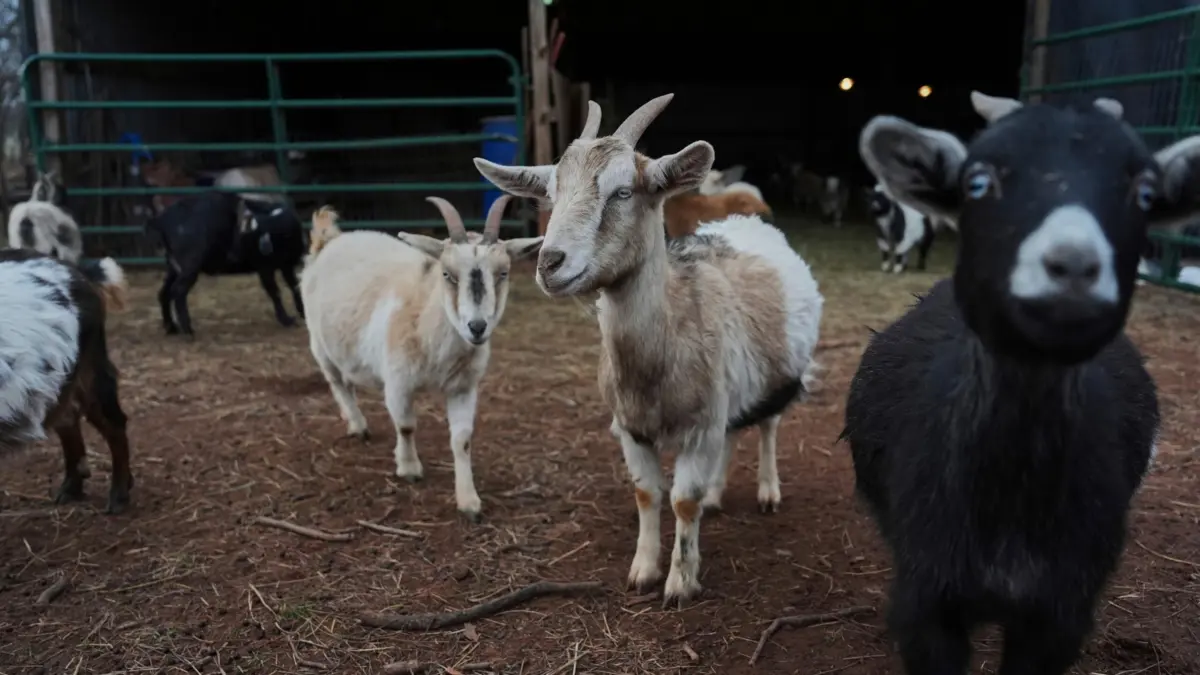
In what health officials are calling an alarming and completely preventable public health incident, hundreds of individuals across North Carolina are currently undergoing complex medical evaluations and receiving preventative treatments following a high-risk rabies exposure. The vector for the virus is as unexpected as it is troubling: a trio of baby goats—alongside a fourth presumed-positive animal—integrated into a popular mobile petting zoo operated by Farm Adventures, based in Harmony, North Carolina.
Between July 28 and August 27, these young caprines were transported across the state as part of a traveling exhibition, visiting approximately 10 distinct public locations. During these stops, countless families, children, and animal lovers petted, fed, and interacted with the animals, unaware that the creatures were incubating one of the world’s most lethal viruses.
The North Carolina State Laboratory of Public Health has confirmed that three of the baby goats tested positive for rabies, while a fourth displayed clinical signs and was presumed positive. All four animals have since been euthanized. According to state health authorities speaking with national media outlets, nearly 300 individuals have been formally evaluated for exposure, with more than 200 people strongly advised to undergo the rigorous, multi-dose post-exposure prophylaxis (PEP) rabies vaccination series.
This unfolding crisis has ignited intense scrutiny regarding biosecurity protocols within the agritourism and mobile petting zoo industries. Critics, including impacted visitors who are now forced to undergo medical treatments, are questioning the operational ethics of exhibiting unvaccinated juvenile livestock known to have been in close proximity to a known rabies vector—a wild skunk. As public health agencies work tirelessly to track down every potential point of contact, this incident serves as a grim reminder of the deadly consequences that can arise when wildlife interfaces with domestic livestock destined for public interaction.
Detailed Chronology of Events
To fully grasp the scope of the exposure, investigators have mapped out a precise timeline detailing the sequence of events that transformed a routine agritourism venture into a statewide health emergency.
Late July: The Incursion at Farm Adventures
The root of the outbreak traces back to late July at the Farm Adventures facility in Harmony, North Carolina. According to statements released by the farm’s operators, a wild skunk managed to breach the perimeter and enter the pen housing the young goats. Skunks are primary wildlife reservoirs for the rabies virus in the eastern United States, making any direct contact with farm animals an immediate red flag.
However, despite knowing that a rabid vector species had invaded the enclosure, farm operators failed to notice any visible bite marks or wounds on the baby goats. Because the animals were still nursing and too young to receive the standard state-regulated rabies vaccination, they remained unprotected. Rather than quarantining the herd to monitor for the slow-incubating neurological disease, the farm proceeded with their scheduled public exhibitions.
July 28 – August 27: The Statewide Tour
Operating under the radar of infection, the mobile petting zoo embarked on a month-long tour spanning approximately 10 public locations across North Carolina. During this window, the baby goats were handled by hundreds of unsuspecting visitors, including young children. Patrons fed the animals by hand, cuddled them, and likely came into contact with infectious saliva through minor scratches, licks on broken skin, or direct handling of the animals’ mouths.
August 31: Confirmation and Public Warnings
The house of cards collapsed in late August when the baby goats began showing neurological symptoms consistent with rabies. Authorities were notified, and testing at the North Carolina State Laboratory of Public Health confirmed the worst: the animals were infected. On August 31, local and regional news affiliates, including WBTV, broke the story, sparking an immediate panic among families who had recently visited petting zoos, farmers’ markets, or community events featuring Farm Adventures.
Early September: The Post-Exposure Response
Throughout the first week of September, health departments in Mecklenburg County and surrounding jurisdictions scrambled to issue public alerts. Contact tracing efforts were initiated to identify individuals who interacted with the animals during the 30-day exposure window. By September 4, CNN and other major outlets reported that the evaluation pool had ballooned to nearly 300 people, with over two-thirds requiring immediate vaccination regimens to prevent a catastrophic outcome.
Supporting Context & Metrics: Understanding Rabies and the Scope of the Threat
To comprehend why health officials are treating this mobile petting zoo incident with such extreme urgency, one must look at the biological nature of the rabies virus and the statistical rarity of human cases in the United States.
The Biology of Rabies
Rabies is a preventable viral disease most often transmitted through the bite of a rabid animal. The virus infects the central nervous system, ultimately causing disease in the brain and eventual death. According to the Centers for Disease Control and Prevention (CDC), the virus is transmitted through saliva or brain/nervous system tissue coming into direct contact with a mucous membrane, fresh broken skin, or a bite/scratch.
In domestic livestock like goats, rabies symptoms can be easily misdiagnosed. Infected goats may exhibit sudden changes in behavior, including uncharacteristic aggression, lethargic tendencies, excessive drooling, difficulty swallowing, or paralysis. Because young animals explore their environments using their mouths and are frequently handled, their saliva can harbor high concentrations of the virus before overt clinical signs become unmistakable.
Statistical Context and the Prophylaxis Imperative
While human rabies cases are exceptionally rare in the United States—averaging only one to three cases per year—the disease is virtually 100% fatal once clinical symptoms begin to manifest. Only a handful of individuals in medical history have ever survived symptomatic rabies, and those who did underwent extreme experimental protocols with devastating long-term neurological consequences.
North Carolina has not reported a single indigenous human rabies case since 2011, a testament to strict animal control laws, pet vaccination mandates, and prompt post-exposure management. However, the sheer volume of exposures linked to this single mobile petting zoo dwarfs typical localized incidents.
- Total Individuals Evaluated: Nearly 300
- Individuals Administered the Rabies Vaccine Series: Over 200
- Geographic Spread: 10 distinct public locations across North Carolina over a 30-day period.
For the more than 200 people undergoing treatment, the protocol is both physically taxing and medically precise. Post-Exposure Prophylaxis (PEP) consists of a fast-acting dose of rabies immune globulin (RIG) and a series of four rabies vaccinations given over a 14-day period. While highly effective when administered promptly, the oversight, anxiety, and healthcare costs associated with treating a mass-exposure event place a heavy burden on both the victims and the local healthcare infrastructure.
Official Statements and Stakeholder Perspectives
The fallout from the Farm Adventures exposure has drawn sharp contrasts between the explanations offered by business operators, the concerns of affected consumers, and the strict protocols enforced by public health authorities.
Farm Adventures’ Defense and Social Media Fallout
In an official statement published to social media platforms, Farm Adventures acknowledged that the baby goats were too young to be legally or medically vaccinated against rabies. Furthermore, the operators confirmed they were fully aware that a wild skunk had gained access to the enclosure in late July.
However, the farm defended its decision to continue operations by stating that their staff inspected the animals and found no visible bite marks or puncture wounds, leading them to falsely conclude that the goats were unharmed. The farm asserted that, based on preliminary veterinary investigations, no other animals currently on their property pose a threat to public safety. Despite these assurances, the page faced intense public backlash, leading to the limitation or removal of public commentary on their posts as the news went national.
The Human Cost: Voices of the Affected
For individuals caught in the crossfire, corporate justifications offer little comfort. Kendal Britt, a North Carolina resident who visited the petting zoo and is now undergoing the agonizing and costly process of receiving rabies vaccinations, voiced the sentiments of many affected families during an interview with WBTV.
"I think my thing is that if I were in their shoes and I had these animals that couldn’t be vaccinated, would I risk taking those out in public before they could be vaccinated?" Britt asked rhetorically, highlighting what many see as a reckless gamble with public safety.
Britt’s frustration echoes a broader public sentiment: why would an establishment operating a public-facing petting zoo take the catastrophic gamble of exhibiting unvaccinated livestock after a known wildlife breach?
Public Health Directives
Local and state health departments have maintained an authoritative, proactive stance. Public health agencies in Mecklenburg County and across North Carolina have published detailed instructions urging anyone who visited a mobile petting zoo featuring baby goats between July 28 and August 27 to check local health department advisories immediately.
Health officials emphasize that anyone who believes they may have touched the animals’ saliva, or received a nip or scratch, must contact a medical provider or local health department without delay. Because the incubation period for rabies can range from weeks to months depending on the site of the exposure and the viral load, early intervention is the only line of defense.
Future Outlook and Regulatory Implications
As the dust settles on this unprecedented public health scare, municipal leaders, agricultural economists, and animal welfare advocates are turning their attention to the future. This incident has exposed glaring vulnerabilities in the regulatory oversight of mobile and traveling petting zoos, which often operate in a legal gray area between traditional agricultural exhibitions and commercial entertainment.
Reevaluating Agritourism Safety Standards
Currently, regulations governing the vaccination of livestock vary significantly by state and municipality. While dogs, cats, and ferrets face strict, legally enforced rabies vaccination schedules, livestock—particularly juvenile animals raised on farms—are often exempt from mandatory pre-exposure vaccinations unless they are permanent residents of high-risk facilities or crossing specific state lines.
Industry analysts predict that the North Carolina incident will serve as a catalyst for legislative reform. Lawmakers are expected to introduce bills that would:
- Mandate Strict Quarantines: Require any farm animal exposed to a known rabid wildlife vector (such as a skunk, raccoon, or bat) to be immediately removed from public exhibition and placed under a strict, state-monitored veterinary quarantine, regardless of whether visible wounds are present.
- Age-Based Exhibition Restrictions: Place temporary moratoriums on transporting juvenile animals that are too young to receive core vaccinations to public events where direct physical contact is encouraged.
- Enhanced Transparency: Require mobile petting zoo operators to maintain and display health certificates and exposure logs to event organizers and consumers.
Restoring Public Trust
For the agritourism sector in North Carolina and beyond, rebuilding public trust will be an uphill battle. Mobile petting zoos are a staple of autumn festivals, agricultural fairs, and community gatherings, bringing joy and educational value to children. However, parents are now acutely aware that these interactive environments carry hidden biological risks when biosecurity measures fail.
Moving forward, operators will likely face heavier scrutiny from venue organizers, who may demand rigorous veterinary clearances and proof of vaccination for all participating animals. As medical professionals monitor the hundreds of individuals currently undergoing prophylaxis—hoping against hope that no human cases develop—the legacy of the Farm Adventures incident will be a permanent shift in how society views the intersection of wild vector populations, domestic livestock, and public recreational safety.

0 Comments