

Executive Overview
The quiet municipality of Hawthorne, Florida, situated in southeastern Alachua County, became the focal point of an intense law enforcement investigation following a violent shooting on August 24. The incident, which occurred in the commercial heart of the town behind a local landmark, Hitchcock’s Market, left a 20-year-old man hospitalized and a community grappling with questions regarding public safety and criminal justice reform.
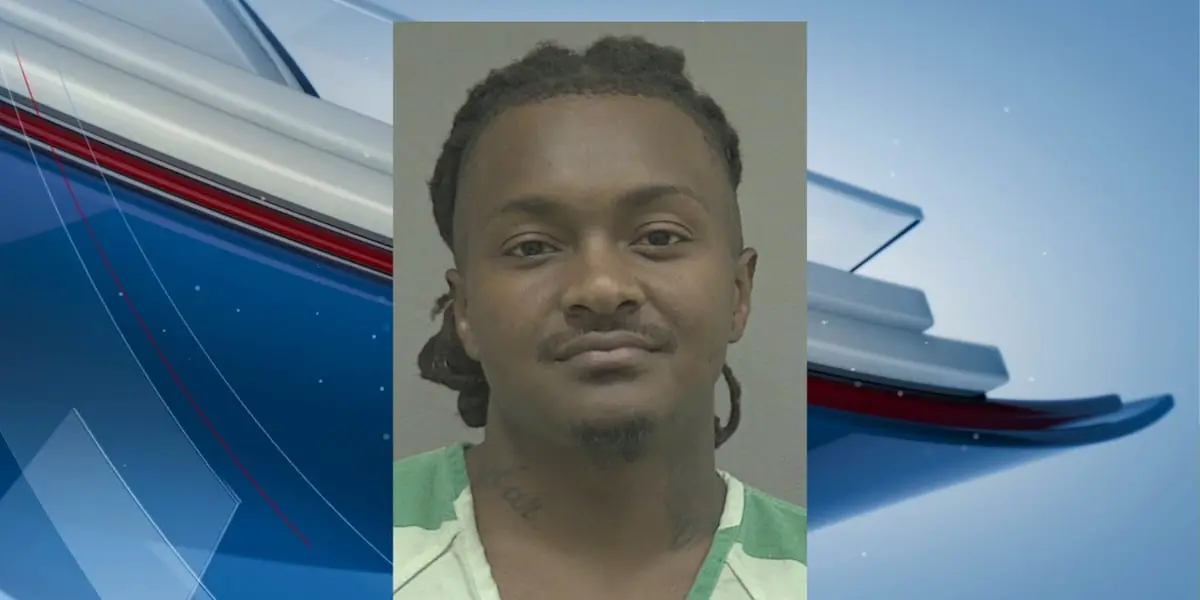
At the center of the investigation is 27-year-old Adrion Flowers, a resident of Alachua County with a well-documented, multi-year criminal record. Arrested and charged with attempted murder, Flowers’ transition from misdemeanor infractions to felony drug offenses, and ultimately to attempted homicide, underscores a persistent challenge facing the Florida criminal justice system: the cycle of recidivism among violent offenders.
This investigative report details the chronology of the August 24 shooting, examines Flowers’ extensive criminal history, provides critical socioeconomic and statistical context regarding rural crime in North-Central Florida, presents perspectives from official stakeholders, and outlines the legal pathway forward as the Eighth Judicial Circuit prepares to prosecute this high-profile case.
Detailed Chronology
[August 24, Afternoon] ──> Shooting behind Hitchcock's Market; 20-year-old victim injured.
[August 24, Evening]   ──> ACSO secures the scene, recovers ballistics, and interviews witnesses.
[Post-Incident]        ──> Adrion Flowers identified as prime suspect via surveillance and intelligence.
[Arrest Phase]         ──> Flowers apprehended and booked into Alachua County Jail on attempted murder charges.
The Incident of August 24
On the afternoon of August 24, emergency dispatchers in Alachua County received multiple urgent calls reporting gunfire behind Hitchcock’s Market, located off US Highway 301 in Hawthorne. The grocery store, a vital community hub for the rural town, was active with shoppers at the time of the incident.
According to preliminary investigative reports from the Alachua County Sheriff’s Office (ACSO), responding deputies arrived on the scene within minutes to find a crime scene littered with ballistic evidence behind the commercial plaza. A 20-year-old male victim was located suffering from gunshot wounds. Emergency medical technicians administered on-site trauma care before transporting the victim to UF Health Shands Hospital, a Level 1 trauma center in nearby Gainesville. Officials later confirmed that while the victim’s injuries were severe, they were ultimately non-life-threatening.
The Investigation and Apprehension
Detectives from the ACSO Criminal Investigations Division immediately launched an intensive probe. Crime scene investigators processed the area behind Hitchcock’s, recovering spent shell casings and reviewing surveillance footage from surrounding businesses. Witness interviews conducted in the hours following the shooting pointed to a verbal altercation that rapidly escalated into physical violence, culminating in the suspect drawing a firearm and discharging multiple rounds at the victim.
Through a combination of eyewitness identification, forensic evidence, and intelligence from street-level units, investigators identified Adrion Flowers as the primary suspect. A warrant was issued for his arrest on charges of attempted murder and possession of a firearm by a convicted felon. Flowers was subsequently located, apprehended without incident, and booked into the Alachua County Jail, where he remains held on high bond pending trial.
A History of Escalation: Flowers’ Criminal Record
Court records from Alachua County reveal that Flowers is a convicted felon whose interactions with the justice system span nearly a decade. His criminal trajectory represents a textbook progression of escalating severity:
- Early Offenses (Battery and Resisting Arrest): Flowers’ initial entries into the local court system involved charges of battery and resisting law enforcement officers. Legal analysts note that early violent offenses, particularly those involving physical resistance to authority, are frequently strong indicators of future violent behavior if systemic intervention is unsuccessful.
- Narcotics Convictions (Recent Years): Flowers’ criminal activity transitioned into felony drug offenses, culminating in a conviction last year. Despite court-mandated supervision and rehabilitation efforts, his involvement in the illicit drug trade persisted, further entrenching him in high-risk environments where firearms are frequently utilized as tools of enforcement and dispute resolution.
- The August 24 Escalation: The attempted murder charge represents a critical and dangerous escalation from narcotics distribution to lethal violence, highlighting the limitations of current supervisory frameworks in deterring high-risk probationers and parolees.
Supporting Context & Metrics
Rural Crime Dynamics in Alachua County
While metropolitan Gainesville commands the majority of law enforcement resources in Alachua County, rural municipalities such as Hawthorne, Waldo, and Alachua experience distinct law enforcement challenges.
Alachua County Crime Distribution (Conceptual)
┌─────────────────────────────────────────┐
│ [Gainesville Metro Area]                │ ──> High volume, rapid response,
│ - High-density policing                 │     concentrated resource deployment.
├─────────────────────────────────────────┤
│ [Rural Outliers (Hawthorne, Waldo)]     │ ──> Geographic isolation, longer response
│ - Extended patrol sectors               │     times, reliance on community policing.
└─────────────────────────────────────────┘
In smaller towns, the impact of violent crime is felt more acutely. Hitchcock’s Market serves as one of the few grocery stores in the Hawthorne area, making the shooting behind its premises a direct disruption to the daily lives of residents.
The Recidivism Crisis in Florida
Flowers’ case brings renewed attention to the state of Florida’s recidivism rates. Data from the Florida Department of Corrections (FDC) indicates that approximately 25% of individuals released from state prisons recidivate within three years. However, this metric increases significantly when analyzing individuals with histories of violent crime and substance abuse.
| Offender Risk Category | 3-Year Recidivism Rate | Primary Contributing Factors |
|---|---|---|
| Non-Violent / First-Time | 15% – 18% | Employment barriers, housing instability |
| Substance Abuse History | 30% – 35% | Lack of community-based treatment, relapse |
| Violent / Multi-Offense | 40% – 45% | Gang affiliation, systemic illegal firearm access |
The transition from drug-related offenses to violent firearm offenses, as observed in Flowers’ profile, highlights the critical intersection between illegal narcotics markets and gun violence. Law enforcement analysts emphasize that the illicit drug trade inherently relies on the threat or execution of violence to secure territory and resolve transactions, making drug offenders statistically more prone to committing or becoming victims of firearm violence.
Official Statements
Law Enforcement and Prosecutorial Perspectives
Following the arrest, representatives from the Alachua County Sheriff’s Office emphasized their commitment to maintaining safety in the county’s rural sectors.
"Violent crime has no place in our communities, whether in the heart of Gainesville or the quiet neighborhoods of Hawthorne. Our detectives worked tirelessly to identify and apprehend this suspect before further harm could be done. We will continue to deploy resources to ensure that every resident, regardless of their zip code, feels secure in their daily lives."
— Spokesperson, Alachua County Sheriff’s Office
The State Attorney’s Office for the Eighth Judicial Circuit has signaled its intent to prosecute Flowers to the fullest extent of the law. Assistant State Attorneys are currently reviewing the evidence, including ballistic reports and witness statements, to formalize the indictment. Given Flowers’ status as a convicted felon, prosecutors are expected to seek enhanced sentencing guidelines under Florida’s Habitual Violent Felony Offender statutes.
Community Reaction
The shooting has shaken Hawthorne residents, many of whom view Hitchcock’s Market as a safe, family-friendly location. Local business owners have voiced concerns over the potential for spillover violence from drug activity.
"We shouldn’t have to worry about gunfire when we are going to buy groceries. This isn’t just about one person shooting another; it’s about the safety of our children and our elders who walk these streets every day. We need more visible patrols in Hawthorne."
— Marcus Vance, Hawthorne Resident and Local Business Owner
Future Outlook
Legal Proceedings and Potential Penalties
Adrion Flowers faces severe legal consequences if convicted of attempted murder and associated firearm charges. Under Florida Statute § 782.04 and the state’s stringent "10-20-Life" mandatory minimum sentencing laws, the use of a firearm during the commission of a felony carries heavy penalties:
Florida "10-20-Life" Mandatory Minimums (Statute 775.087)
┌─────────────────────────┐      ┌─────────────────────────┐      ┌─────────────────────────┐
│   Pulling a Firearm     │ ──>  │  Discharging a Firearm  │ ──>  │ Injuring/Killing Victim │
│   10-Year Mandatory     │      │   20-Year Mandatory     │      │ 25-to-Life Mandatory    │
└─────────────────────────┘      └─────────────────────────┘      └─────────────────────────┘
Because Flowers is a convicted felon, his legal defense team faces a difficult path. Public defenders or private counsel will likely focus on the circumstances leading up to the shooting, exploring potential claims of self-defense or challenging the reliability of eyewitness identifications. However, the presence of physical ballistic evidence and surveillance footage from the vicinity of Hitchcock’s will serve as powerful tools for the prosecution.
Systemic Reforms and Community Policing
The arrest of Flowers will likely reignite discussions within Alachua County regarding offender re-entry programs and targeted community policing. While law enforcement agencies continue to focus on apprehension and prosecution, social advocacy groups argue that long-term prevention requires addressing the root causes of recidivism, including access to mental health counseling, drug rehabilitation, and viable employment options for individuals with felony records.
In the interim, the Alachua County Sheriff’s Office has pledged to increase its tactical presence in Hawthorne and surrounding rural areas. By conducting high-visibility patrols and strengthening partnerships with local businesses, authorities aim to restore a sense of security to a community shaken by an act of violence. As the case against Adrion Flowers moves through the Eighth Judicial Circuit Court, the residents of Hawthorne remain hopeful that justice will be served and that their town can return to its peaceful routine.

0 Comments