

Executive Overview
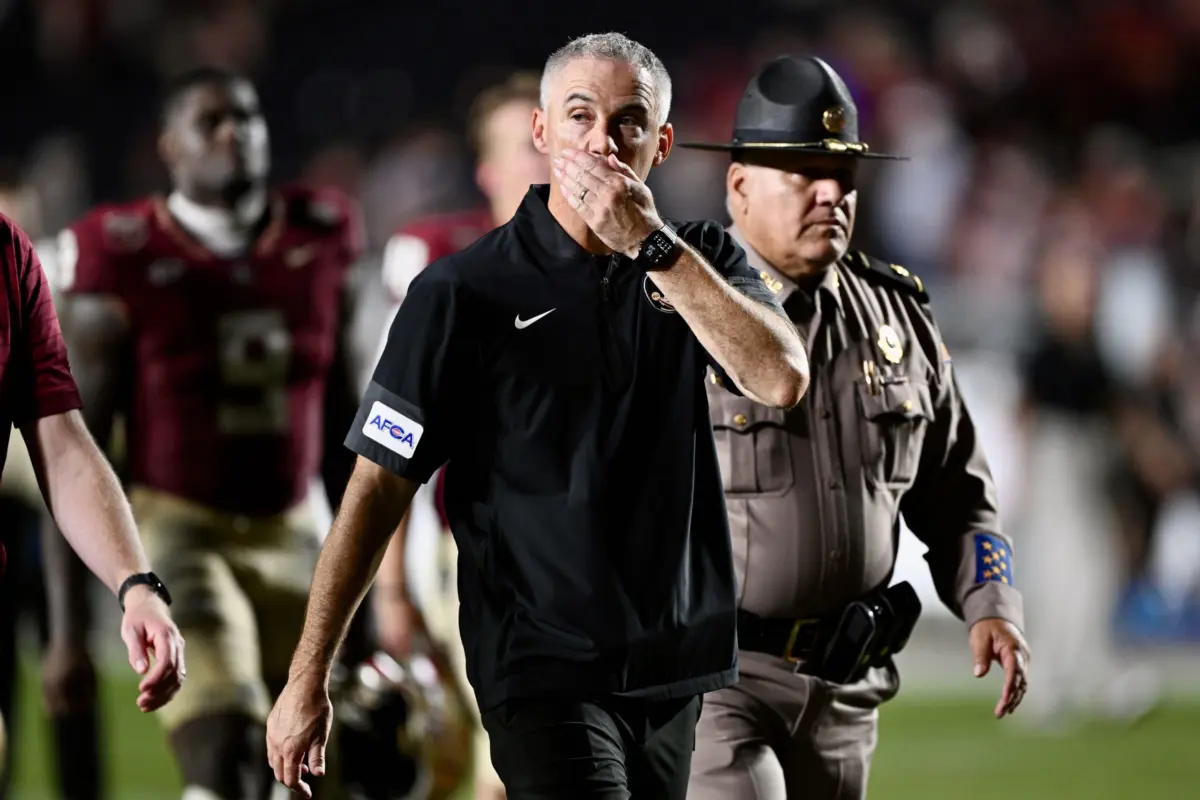
The reverberations of a stunning 27-24 defeat to the Southern Methodist University (SMU) Mustangs are still shaking the foundations of the athletic department in Tallahassee. For the Florida State Seminoles, this was not merely an early-season blemish; it was a watershed moment that exposed deep-seated structural vulnerabilities, astronomical financial miscalculations, and an alarming regression across multiple facets of the football program.
Surrendering a staggering 585 total yards—averaging a demoralizing 8.7 yards per play—the Seminoles’ defense proved incapable of stopping a surging SMU offense. With this loss, Florida State dropped its Atlantic Coast Conference (ACC) opener, sliding deeper into a dismal campaign that threatens to derail not only their postseason aspirations but also the long-term strategic vision of the university’s athletic leadership.
Beyond the gridiron, the shockwaves of this defeat have forced a brutal reckoning regarding roster construction, transfer portal expenditures, and internal talent evaluation. With whispers of internal staff panic growing louder during the upcoming bye week, the program stands at a crossroads. As fans pack Doak Campbell Stadium with unwavering loyalty, the demand for accountability has never been more urgent. This report provides an exhaustive, investigative look at the anatomy of FSU’s current crisis, evaluating the defensive collapses, the offensive stagnation, the financial missteps in the transfer portal, and the broader athletic landscape in Tallahassee.
Detailed Chronology: The Night the Defense Crumbled
The crisp autumn air in Dallas should have served as the backdrop for a resilient bounce-back performance. Instead, Gerald J. Ford Stadium played host to a tactical masterclass by the Mustangs and an unmitigated disaster for the Seminoles’ defensive unit.
From the opening whistle, it was evident that Florida State was fundamentally unequipped to handle the speed, scheme, and execution of SMU’s offense. The tone was set early in the first quarter when SMU methodically dismantled the FSU secondary through quick-hitting slant routes and vertical stretches that exploited glaring miscommunications in coverage. By halftime, the yardage differential was already tipping dangerously out of balance, yet the worst was yet to come.
As the game wore on, exhaustion compounded execution errors. The Seminoles’ defensive front failed to generate consistent pressure, giving the SMU quarterback an exorbitant amount of time to scan the field. Every time FSU desperately needed a stop on third down, the defense surrendered a back-breaking conversion. The crowning blow arrived in the final minutes of the fourth quarter, when SMU orchestrated a relentless, clock-eating drive that carved through the heart of the FSU defense with an average of 8.7 yards per play.
When the final clock expired, the scoreboard read 27-24, but the defensive statistics told a far more catastrophic story: 585 total yards allowed. It was a performance characterized by missed tackles, blown coverages, and a complete absence of schematic adjustment—leaving players visibly frustrated and coaching staffs searching for answers that simply do not come easy.
Supporting Context & Metrics: The Anatomy of a Disastrous Portal Strategy
In modern college football, roster management is heavily dictated by the transfer portal and Name, Image, and Likeness (NIL) funding. For Florida State, however, recent allocations of financial capital have raised serious questions among analysts, donors, and insiders alike.
The Quarterback Conundrum
The most glaring issue plaguing the Seminoles is an anemic passing game that lacks both imagination and execution. During the mandatory evaluations of the upcoming bye week, the coaching staff is being forced to confront an uncomfortable truth. According to sources close to the program, the consensus among staff members is clear: the current starter under center simply does not possess the physical tools, processing speed, or consistency required to lead the offense to any real success this season.
Without drastic schematic changes or an unexpected personnel shift, FSU faces a perilous path just to secure the six wins necessary to become bowl-eligible. The passing game’s inability to stretch the field has allowed opposing defenses to stack the box, completely neutralizing the running game and rendering the offense one-dimensional.
Misallocated Capital in the Transfer Portal
The frustration regarding offensive stagnation is magnified by high-profile financial investments that have yielded a zero-return on the field. Reports indicate that Florida State allocated approximately $650,000 from NIL-backed portal funds to secure the services of running back Tre Wisner. Yet, in a baffling display of utilization, Wisner recorded zero snaps during the grueling loss to SMU.
For a program operating under tight resource margins to invest heavily in a player who remains glued to the bench points to a systemic disconnect between scouting evaluations and game-day deployment. When half-million-dollar investments sit idly on the sidelines while the team hemorrhages yards and points, questions regarding roster construction become unavoidable.
High-Priced Missteps on Defense
The offensive struggles are mirrored on the defensive side of the ledger, where high-profile additions have similarly underperformed. Mandrell Desir, another heavily touted player who arrived with substantial expectations and financial backing, has managed a meager two solo tackles through the first two games of the season. The statistical output stands in stark contrast to his billing, prompting grim jokes among the fanbase—including suggestions that he might already be mentally preparing for the upcoming basketball season.
The Lifeline of Fan Loyalty
Amidst the tactical failures and financial miscalculations, the true heartbeat of the program remains its fanbase. Traveling in droves and packing home stands with deafening noise, FSU supporters brought unmatched energy throughout the contest against SMU. They stayed until the bitter end, vocal and passionate. Journalists and analysts observing the scene noted a recurring theme: this fan base, which pours its heart, soul, and financial resources into the university, deserves a vastly superior product on the field. The disconnect between elite fan support and subpar on-field execution has reached a boiling point.
Official Statements and Insider Perspectives
The fallout from a loss of this magnitude inevitably triggers a wave of internal assessments, closed-door meetings, and strategic reassessments. While athletic department officials have maintained a public posture of unity, anonymous sources within the Simpson, Cannon, and Moore Athletic Center paint a picture of urgency and mounting desperation.
In statements provided to local media outlets, defensive coordinators have shouldered the blame for failing to put players in positions to succeed against SMU’s spread-option concepts. However, defensive accountability alone does not solve the structural offensive deficiency.
Offensive analysts have privately conceded that the playbook must be dramatically scaled back—or entirely overhauled—during the bye week. "We cannot execute what we cannot master," noted one insider who spoke on the condition of anonymity. "The personnel limitations are glaring, and forcing a square peg into a round hole week after week is destroying player confidence."
Furthermore, the athletic administration is facing mounting pressure from major boosters who funded the expensive portal acquisitions. Accountability is no longer just a coaching buzzword; it is a financial mandate. With future recruiting classes watching closely, the leadership must decide whether to double down on current developmental strategies or accelerate drastic changes before the season spirals completely out of control.
Future Outlook: Beyond the Gridiron and Into the Broader Athletic Department
While the football crisis dominates headlines, the broader Florida State athletic department continues to press forward across multiple disciplines, showcasing the multifaceted nature of the university’s athletic prowess.
Baseball and Recruiting Excellence
Looking toward the future of the diamond, head baseball coach Link Jarrett has been proactive on the national recruiting trail. Coach Jarrett recently traveled to Las Vegas to scout and secure commitments from some of the nation’s premier infield talents, laying the foundation for an elite 2027 recruiting class. This forward-thinking approach ensures that FSU baseball remains a perennial national powerhouse, providing a welcome contrast to the current turbulence on the gridiron.
Basketball Preparations
Across campus, anticipation is building as both the Men’s and Women’s Basketball programs ramp up their offseason workouts. With rigorous conditioning schedules and high-energy practices underway, both squads are looking to establish early team chemistry and physical dominance ahead of their respective tip-offs. The basketball programs hope to capture the attention of a Tallahassee sports community currently starving for a winning culture.
Excellence on the Golf Course
In national collegiate competition, the Florida State Golf team continues to make waves. Following two stellar rounds at the prestigious annual Folds of Honor Collegiate tournament, the Seminoles find themselves tied for 2nd place. Beyond the athletic achievement, the tournament holds deep significance: Folds of Honor is a revered nonprofit organization that provides life-changing educational scholarships to the spouses and children of fallen or disabled military service members and first responders, adding a layer of profound honor to FSU’s competitive success.
Honoring Champions at Doak Campbell Stadium
Providing a momentary escape from the football team’s struggles, Doak Campbell Stadium recently played host to a grand "Seminole Welcome" celebration. The university community gathered to honor and celebrate championship-winning athletes and teams from across the FSU athletic ecosystem, reminding everyone of the rich tradition of excellence that defines the garnet and gold.
Conclusion
The 27-24 defeat to SMU will long be remembered as a dark night in Tallahassee, but how Florida State responds during this critical bye week will define the trajectory of the entire athletic year.
The defensive collapse—highlighted by 585 yards allowed—demands immediate tactical surgery. The offensive stagnation and mismanaged portal resources, symbolized by expensive yet underutilized assets like Tre Wisner and underperforming pieces like Mandrell Desir, require a cold, hard look in the mirror from the coaching staff and front office.
Yet, amidst the gloom of the football program’s current freefall, the broader university athletic department shines bright—from Link Jarrett’s elite baseball recruiting in Las Vegas to the inspiring golf performances at the Folds of Honor Collegiate. The challenge for FSU leadership is clear: align the football program’s performance with the high standards of excellence maintained across the rest of the university, and reward a legendary fan base with the winning product they so deeply deserve.

0 Comments