For decades, the cultural narrative surrounding retirement has promised a utopian destination: a permanent Saturday, an unending expanse of leisure, and absolute freedom from the relentless alarms and deadlines of the professional world. Yet, for millions of retirees, the reality of the golden years looks remarkably similar to the rat race they just escaped—albeit without a paycheck.
Recent lifestyle audits and psychological observations reveal a startling paradox among the newly retired: calendars are perpetually overbooked, errands fill the daylight hours, and the daily hustle remains intact. Yet, beneath this frantic veneer of activity lies a profound and creeping sense of discontent. They are remarkably busy, but they are profoundly unfulfilled.
This investigative look examines the psychological traps of the post-career transition. It unpacks the dangerous confusion between constant motion and genuine purpose, explores the conditioning of lifelong productivity, and offers a tactical framework—rooted in behavioral psychology and lifestyle curation—to help retirees pivot from a life of mere busyness to a life of profound meaning.
Detailed Chronology: The Evolution of the Retirement Transition
To understand the modern crisis of post-career malaise, one must examine the distinct psychological phases a retiree typically navigates over the span of twenty-four to thirty-six months post-separation.
Phase 1: The Honeymoon Period (Months 1–6)
Immediately following the final day of work, the psychological relief is palpable. Freed from the daily commute, mandatory meetings, and performance metrics, individuals experience a profound decompression. This phase is characterized by an initial flurry of neglected projects: clearing out the garage, taking long-awaited trips, sleeping in without guilt, and catching up on social engagements. During this honeymoon phase, simply not working feels like a full-time, highly rewarding occupation.
Phase 2: The Proliferation of Busywork (Months 6–18)
As the novelty of pure relaxation wears off, human nature—which abhors a vacuum—kicks in. Without the structural scaffolding of a career, time expands to fill whatever is placed inside it. Slowly and imperceptibly, routine household chores, expanded grocery shopping excursions, civic committee meetings, and endless hours of digital media consumption begin to crowd the calendar. Retirees often remark in amazement, "I don’t know how I ever had time to work and still get everything done!"
At this stage, busyness is weaponized as a defense mechanism against the terrifying void of unstructured time. It feels productive, masking the underlying reality that the individual is merely substituting corporate obligations with domestic chores and social busywork.
Phase 3: The Subsurface Discontent (Months 18–36)
By the end of the second year, the dust settles. The house is organized, the yard is immaculate, and the immediate bucket-list trips are complete. It is here that a subtle, persistent psychological friction emerges. A quiet voice begins to ask: Is this all there is? Is this what I spent forty years of my life sacrificing for?
This is the manifestation of the fulfillment gap. The individual realizes that while they are active, they are not anchored. The activities occupying their days are pleasant or necessary, but they lack existential weight. They are filling time, not feeding the soul.
Supporting Context & Metrics: Pleasure vs. Fulfillment
The American psychological landscape regarding retirement is undergoing a quiet reckoning. While financial advisors have long dominated the retirement planning space—focusing meticulously on asset allocation, drawdown strategies, and healthcare contingencies—behavioral scientists argue that we have catastrophically neglected the psychological portfolio.
The Science of Purpose
Human neurology is not engineered to process endless, uninterrupted pleasure. Psychological frameworks, such as self-determination theory, posit that human well-being requires three core psychological ingredients: autonomy, competence, and relatedness.
Pleasure is fleeting and sensational; it activates short-term dopamine pathways through entertainment, relaxation, and consumption.
Fulfillment, conversely, is enduring and structural. It stems from engaging in activities that require effort, leverage personal strengths, and connect to a broader sense of identity or contribution.
During a career, individuals often derive their primary source of fulfillment—or at least structural purpose—from their occupation, albeit tightly constrained by the boundaries of earning an income. Once retired, the shackles of monetization are removed. For the first time in an adult’s life, they possess the unprecedented freedom to pursue activities based entirely on their intrinsic value rather than their economic output.
Yet, decades of socio-economic conditioning convince us that value is intrinsically tied to productivity. Breaking this mental model is the single greatest hurdle of the modern retirement.
Expert Perspectives & Paradigm Shifts
Navigating this transition requires dismantling deeply ingrained cultural myths about aging and productivity. Industry experts and retirement strategists emphasize that the modern retiree must transition from an "accumulator" mindset to a "curator" mindset.
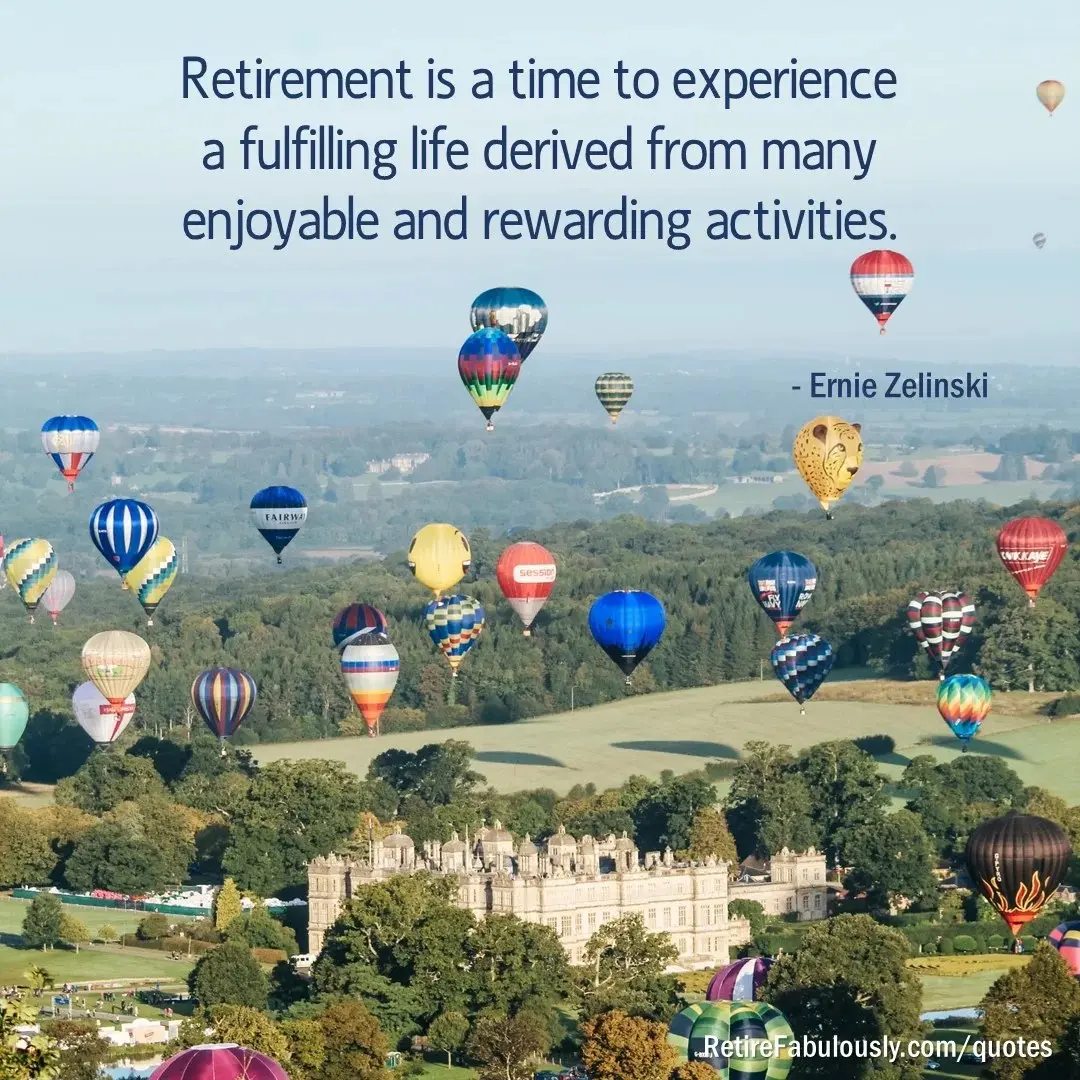
"Retirement is not a time to wind down into passive observation; it is a unique window to experience a fulfilling life derived from deeply enjoyable and rewarding activities," notes lifestyle author and strategist Ernie Zelinski.
The Productivity Trap
Many retirees, particularly high-achievers, carry the invisible scars of corporate hustle culture. They feel an involuntary guilt when sitting idle. If they are not checking items off a list, volunteering for a third committee, or relentlessly maintaining their property, they feel "lazy."
Mental health professionals specializing in later-life transitions argue that this guilt is a symptom of misapplied identity. For decades, a person’s answer to "What do you do?" was synonymous with their job title. Stripped of that title, the ego panics and overcompensates with hyper-activity.
The paradigm shift required is radical: Your job in retirement is to be happy living the life you want to live. Productivity is no longer a moral imperative. An afternoon spent reading fiction, strolling through a botanical garden, or listening to an album without multi-tasking is not a waste of time; it is the ultimate expression of earned autonomy.
Future Outlook: Designing Your Dream Retirement
If you find yourself caught in the trap of a frantic yet unfulfilling routine, the path forward demands deliberate, introspective design. Waiting for fulfillment to naturally materialize in retirement is a recipe for stagnation. Instead, retirees must proactively curate their days using structured self-auditing techniques.
The Three-List Audit Strategy
To bridge the gap between busyness and fulfillment, step away from daily distractions and carve out uninterrupted solitude. Create three distinct columns on a blank sheet of paper:
Stop Doing: Catalog the administrative minutiae, exhausting social obligations, and habitual chores that drain your energy without adding authentic value to your life. Give yourself permission to ruthlessly trim these from your routine.
Keep Doing: Identify the existing habits, relationships, and routines that genuinely nourish your spirit, keep you physically vibrant, and bring a smile to your face.
Start Doing: Reconnect with dormant passions. Think back to childhood joys, past creative pursuits sidelined by career demands, or new domains of learning you have always wished to explore. Whether it is painting, writing, mastering an instrument, hiking hidden trails, or mentoring others without the constraints of a formal job, inject these elements into your weekly architecture.
Reclaiming Your Agency
Retirement is the longest unbroken block of unstructured time you will ever be granted. It is an unwritten canvas that refuses to paint itself. By moving past the superficial comfort of constant busyness and intentionally designing a life anchored in personal fulfillment, retirees can transform their golden years from a passive waiting room into the most rewarding, vibrant chapter of their lives.
The question is no longer whether you have enough money in the bank to stop working. The true question is: How will you curate your freedom, and what will finally make your heart sing?



0 Comments