

Executive Overview
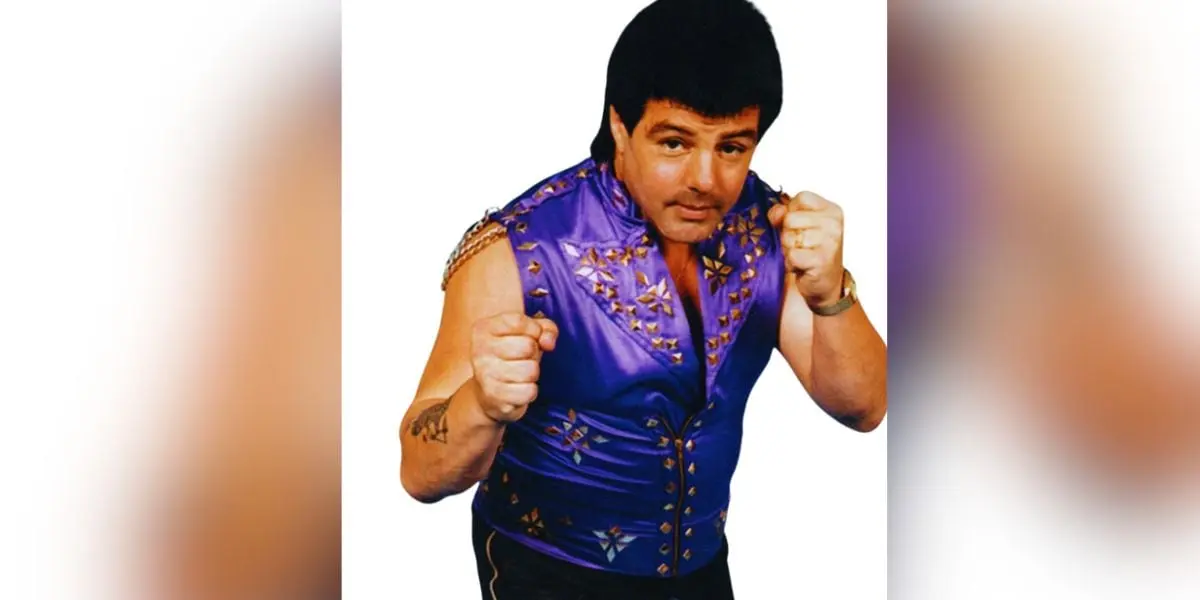
The professional wrestling community is in deep mourning following the passing of Bill Dundee, an indomitable pillar of the industry and a founding heartbeat of the storied Memphis wrestling territory. Dundee passed away early Sunday morning at the age of 82, confirmed by members of his grieving family. At the time of this publication, an official cause of death has not been publicly released.
Spanning a remarkable career that defied generations, Dundee—universally celebrated as “Superstar” Bill Dundee—left an indelible mark on the sport. Born in Scotland and raised in Australia, Dundee forged his legendary status in the American South, captivating audiences with a rare blend of high-octane in-ring athleticism, unmatched charismatic bravado, and a brilliant mind for the psychological nuances of professional wrestling.
His passing closes a monumental chapter in the history of sports entertainment. From unforgettable tag team dominance to one of the most explosive, deeply personal blood feuds in the history of the squared circle opposite Jerry “The King” Lawler, Dundee defined an era of television-driven regional wrestling. Beyond his physical contributions between the ropes, Dundee dedicated his twilight years to shaping the future of the sport, mentoring, coaching, and refining the next generation of grappling talent.
As tributes pour in from promoters, peers, and devoted fans worldwide, this comprehensive retrospective examines the life, legacy, and lasting impact of a true icon who lived up to his moniker until his very final breath.
Detailed Chronology: From Scotland to the Memphis Territory
Early Life and Global Beginnings
William Cruickshank, known worldwide as Bill Dundee, was born in Dundee, Scotland. Raised later in Australia, Dundee was exposed to combat sports and athletic performance early in life. The rigorous international environment helped mold his physical endurance and stage presence. Long before he stepped foot into a U.S. broadcasting studio or arena, Dundee was already carving out a reputation internationally as a tough, relentless competitor capable of working a crowd into a frenzy.
Arrival in Memphis (1974)
The definitive chapter of Dundee’s professional life began in 1974 when he arrived in the vibrant and fiercely competitive Memphis wrestling territory, then promoted under the National Wrestling Alliance (NWA) umbrella and later Continental Wrestling Association (CWA) banners. At a time when regional territories formed the backbone of professional wrestling in North America, Memphis was renowned for its gritty realism, white-hot television angles, and passionate fan base.
Dundee did not merely participate in the Memphis territory; he helped shape its identity. With his diminutive stature compared to the traditional giants of the era—standing well under six feet tall—Dundee relied on a fiery underdog babyface persona, exceptional technical skill, and an uncanny ability to connect emotionally with working-class fans. He quickly became a fixture of Saturday morning television, a crucial medium that drove ticket sales for weekly cards at the Mid-South Coliseum.
The Epic Saga with Jerry “The King” Lawler
No retrospective of Bill Dundee’s career is complete without examining his historic, tumultuous relationship with Jerry “The King” Lawler. The dynamic between Dundee and Lawler serves as a masterclass in wrestling booking, storytelling, and long-term psychology.
Initially, the two men united as one of the most dominant and beloved tag teams in the territory, capturing imaginations and championship gold as they cleared out the tag team division. However, the partnership was destined for friction. The inevitable betrayal—when friendship fractured into bitter rivalry—ignited one of the most lucrative and fiercely contested blood feuds in professional wrestling history.
Reflecting on this iconic dynamic, Memphis Wrestling owner Dustin Starr shared with WMC:
“From being the most popular tag team to all-of-the-sudden against each other, fighting for the title. And Dundee is a bad guy and beats Lawler for the title.”
Their battles transcended simple athletic competition; they felt personal, visceral, and dangerous. Whether fighting over the AWA Southern Heavyweight Championship or brawling inside steel cages, Dundee and Lawler drew capacity crowds time and time again, proving that compelling character work and authentic emotional stakes could outdraw mere physical size.
The Final Curtain Call
True to his lifelong dedication to the business, Dundee remained connected to the sport and his fans until his final days. His ultimate public appearance took place at the WrestleCenter in Memphis, an event that aired on September 6, just days before his passing.
According to attendees and promoters, the aging legend received a hero’s welcome. He participated in a meet-and-greet, interacting warmly with the supporters who had championed him for decades, before stepping out in front of a live crowd that showered him with a prolonged, emotional five-minute standing ovation. It was a fitting, poignant farewell for a man whose life was inextricably bound to the roar of the arena.
Supporting Context & Metrics: The Anatomy of a Territory Legend
To fully understand the magnitude of Bill Dundee’s career, one must analyze the landscape of 1970s and 1980s regional wrestling. Unlike today’s homogenized, global corporate sports entertainment conglomerates, the territory system relied heavily on local television syndication, live gate receipts, and deeply localized storytelling.
Key Career Metrics & Milestones
- Active Decades: Spanned over five decades of active involvement in professional wrestling, transitioning from active competitor to manager, booker, and trainer.
- Championship Pedigree: Captured dozens of regional championships across his career, including multiple reigns with the AWA Southern Heavyweight Championship, NWA Southern Tag Team Championship, and various international titles.
- Territory Dominance: Headlined the legendary Mid-South Coliseum in Memphis, Tennessee, dozens of times, frequently outdrawing contemporary sports events in ticket sales.
- The Trainer’s Touch: Personally coached, agented, or influenced dozens of wrestlers who transitioned into national stardom during the late 1980s and 1990s boom periods.
The Psychology of the "Superstar"
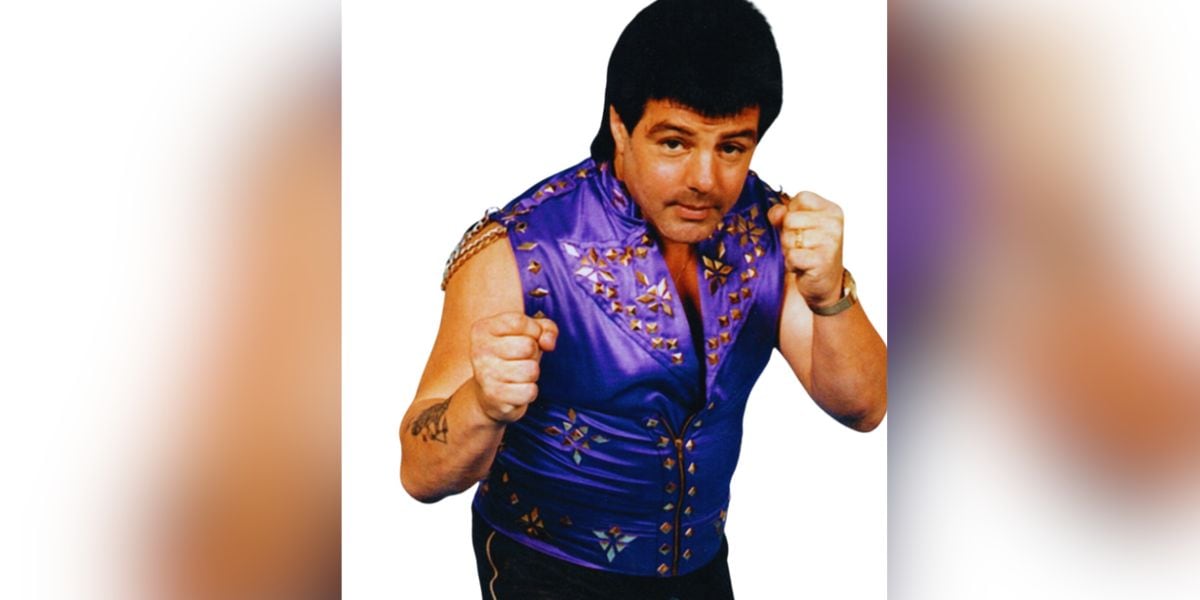
Dundee earned the moniker “Superstar” not through hyperbole, but through a meticulous understanding of how to project star power. In an era where wrestling was fiercely guarded as a legitimate athletic contest, Dundee understood the importance of presentation. From his tailored entrance gear to his distinct promo cadence, he commanded attention.
Dustin Starr noted that Dundee lived up to the superstar moniker in every facet of his professional life—from how he arrived at venues to how he treated the humblest fan in the third row. This work ethic established a professional standard that younger talents in the Memphis territory sought to emulate.
Official Statements and Industry Tributes
The news of Bill Dundee’s death sent shockwaves across social media and media outlets, drawing tributes from legends of the squared circle, independent promotions, and media organizations alike.
Dustin Starr, Memphis Wrestling Owner
Speaking directly on the legacy left behind by the Scottish-born icon, Memphis Wrestling owner Dustin Starr emphasized Dundee’s dual impact as both an in-ring performer and a backstage mentor. Discussing Dundee’s knack for developing young talent, Starr remarked:
“It takes that certain somebody to mold that talent and polish it up a little bit and say, ‘Hey, if you do this, I feel like it’ll work,’ and I know that Bill was really good at that with several talents.”
Starr also highlighted the electric atmosphere of Dundee’s final public appearance, remembering the profound reverence shown by the Memphis crowd:
“He did a meet-and-greet. He made an appearance out in front of the people. He had a five-minute standing ovation.”
The Wider Wrestling Community
Promoters, historians, and former opponents took to digital platforms to share memories of working with Dundee. Many noted his legendary toughness, his sharp comedic timing on television microphones, and his willingness to take devastating bumps to make his opponents look like world-beaters. While Dundee could play a detestable heel who drew genuine heat from hostile crowds, he was universally respected behind the curtain as a consummate professional and a generous teacher.
Future Outlook: Preserving the Legacy of Memphis Wrestling
The passing of Bill Dundee removes yet another vital link to the golden age of territory wrestling. As the pioneers of the 1970s and 1980s pass on, the responsibility of preserving their history, ethos, and contributions falls squarely upon modern regional promotions, historians, and archival projects.
The Continuing Influence on Modern Training
While the regional territory system no longer exists in its traditional form, the philosophies championed by veterans like Dundee continue to echo in modern wrestling academies. The emphasis on psychology, selling, narrative pacing, and deep character connection remains the gold standard for independent wrestlers striving to break into major promotions today. Dundee’s legacy lives on in every wrestler who understands that the physical move is secondary to the emotional story being told in the ring.
Memorials and Tributes
Promotions across the United States are expected to hold ten-bell salutes and dedicated memorial tributes in the coming weeks. Memphis Wrestling and local media outlets are planning retrospective broadcasts highlighting Dundee’s most iconic matches, ensuring that newer generations of fans understand the foundational role he played in building the city’s rich wrestling heritage.
As the dust settles on an incredible life and career, the legend of "Superstar" Bill Dundee remains secure. He arrived as an outsider from Scotland, embraced the gritty culture of the Mid-South, and left an indelible blueprint for what it means to be a true professional wrestling icon.

0 Comments