

Executive Overview
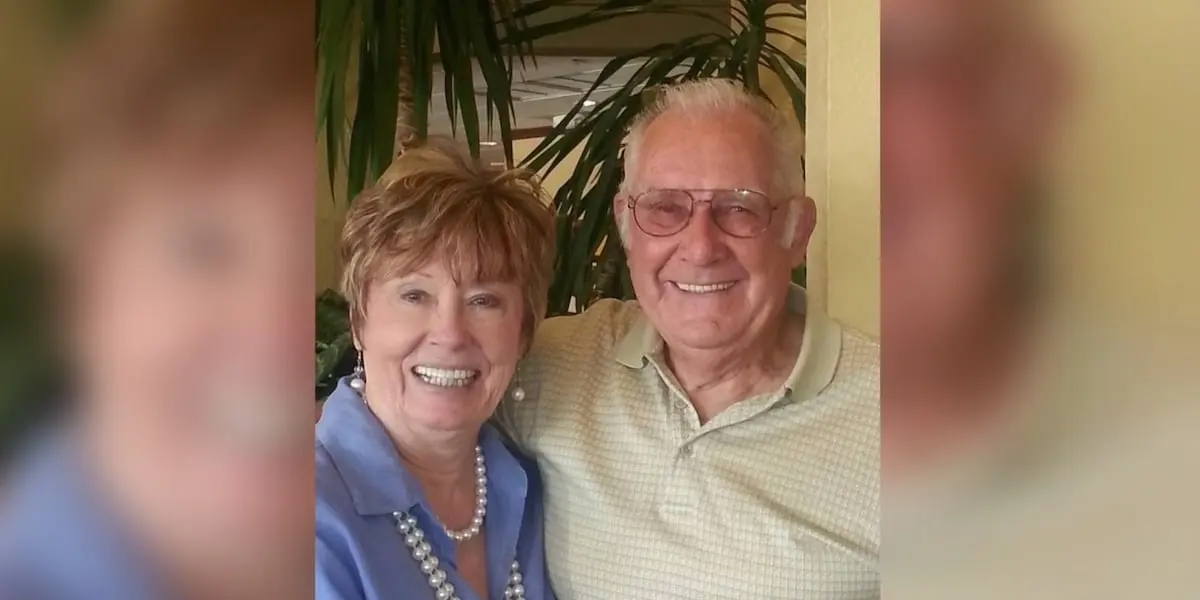
In an era characterized by rapid societal shifts and evolving definitions of interpersonal commitment, the story of Carol and JoAnn VanZandt of Mount Vernon, Texas, stands as an extraordinary testament to lifelong devotion. Married for 73 years, the couple passed away within 12 hours of each other on August 29, 2026. Carol, aged 93, succumbed to natural causes in the early morning hours; his 88-year-old wife, JoAnn, followed him later that afternoon, also of natural causes.
For the VanZandt family and the close-knit community of Mount Vernon, the simultaneous loss of "Papa Carol" and "Mama Jo" brought a profound dual grief. However, it also offered a deep sense of solace. Family members and neighbors noted that neither partner had to endure the agonizing process of grieving the other.
Beyond its emotional resonance, the passing of the VanZandts highlights a well-documented medical and sociological phenomenon often referred to as the "bereavement effect" or "broken heart syndrome." This phenomenon, recognized by cardiologists and epidemiologists worldwide, suggests that the physiological bonds formed over decades of marriage can interlock so deeply that the death of one partner can trigger a rapid, fatal decline in the other. This report examines the lives of Carol and JoAnn VanZandt, provides a detailed chronology of their final hours, explores the scientific and demographic metrics surrounding late-life spousal mortality, and reflects on the enduring legacy of their 73-year union.
Detailed Chronology
The story of Carol and JoAnn VanZandt began in the post-World War II era, culminating in their marriage in 1953. Over the next seven decades, they constructed a life deeply rooted in the rural landscape of East Texas, raising a family that would eventually span five generations.
[1953: Carol & JoAnn Marry] ───► [73 Years of Partnership] ───► [August 29, 2026: Joint Passing]
                                                                        │
                                       ┌────────────────────────────────┴────────────────────────────────┐
                                       ▼                                                                 ▼
                        [06:00 AM: Carol Passes (93)]                                     [Afternoon: JoAnn Passes (88)]
                        * Identified as "calm as water"                                   * Registered grief despite being unresponsive
                        * Died of natural causes                                          * Died of natural causes <12 hours later
The Final Chapter
By late August 2026, both Carol and JoAnn were facing the natural decline of advanced age. JoAnn had been hospitalized and was largely unresponsive, while Carol’s health was also failing. Despite their physical limitations, those close to the couple noted that their emotional connection remained intact.
- August 29, 2026 — Early Morning: Carol VanZandt passed away peacefully from natural causes at the age of 93.
- August 29, 2026 — Morning Transition: Following Carol’s passing, family members gathered around JoAnn’s hospital bed. Although she had been unresponsive for some time, family members reported a visible shift in her demeanor. According to their daughter, Toni VanZandt, JoAnn shed tears upon her husband’s passing—marking her first display of emotion since being admitted to the hospital.
- August 29, 2026 — Afternoon: Less than 12 hours after her husband’s death, JoAnn VanZandt passed away at the age of 88, also of natural causes.
The rapid succession of their deaths prevented either from having to navigate life without the other. The couple was laid to rest together on Thursday, September 3, 2026, following a joint service that celebrated their lives and joint legacy.
Supporting Context & Metrics
The joint passing of the VanZandts is not merely a poignant human-interest story; it is supported by a wealth of demographic data and medical literature regarding late-life spousal bereavement.
The VanZandt Family Demographics
To understand the scope of the VanZandts’ legacy, one must look at the expansive family they built over 73 years. The couple’s lineage highlights the compounding growth of a stable, long-term family unit:
| Generation | Relation | Count |
|---|---|---|
| Generation 1 | Patriarch & Matriarch (Carol & JoAnn) | 2 |
| Generation 2 | Children | 3 |
| Generation 3 | Grandchildren | 5 |
| Generation 4 | Great-Grandchildren | 11 |
| Generation 5 | Great-Great-Grandchildren | 5 |
| Total Descendants | 24 |
The Science of the "Bereavement Effect"
Epidemiological studies have long pointed to a spike in mortality risk for surviving spouses immediately following the death of a partner. This statistical reality is known in sociological and medical fields as the bereavement effect.
- The Critical Window: Research published in the New England Journal of Medicine and The American Journal of Public Health indicates that the risk of mortality for a surviving spouse increases by as much as 30% to 90% within the first 24 hours to several weeks after a partner’s death.
- Takotsubo Cardiomyopathy (Broken Heart Syndrome): This physiological condition involves a sudden, temporary weakening of the muscular portion of the heart (the myocardium). It is typically triggered by extreme emotional stress, such as the loss of a spouse. The surge of stress hormones (primarily adrenaline) can shock the heart, causing symptoms that mimic a heart attack and, in vulnerable elderly individuals, can lead to acute heart failure.
- Co-Regulation of Physiological Systems: Over decades of cohabitation, long-term couples often exhibit "physiological linkage" or "co-regulation." Studies have shown that senior couples who have been married for over 50 years frequently synchronize their resting heart rates, endocrine cycles, and sleep patterns. When one partner dies, this delicate biological feedback loop is abruptly broken, placing immense physical strain on the surviving spouse’s autonomic nervous system.
In JoAnn’s case, her physical response—shedding tears despite being unresponsive—suggests that even in a state of diminished consciousness, her nervous system registered the absence of her lifelong partner, accelerating her own natural decline.
Official Statements & Community Reflection
The impact of Carol and JoAnn’s lives and their sudden, simultaneous departure resonated deeply within their family and the broader community of Mount Vernon.
Family Perspectives
The couple’s children and grandchildren expressed a mixture of profound sorrow and deep gratitude for the unique circumstances of their parents’ deaths.
"There were tears. That’s the first time she had shown any emotion since she’d been in the hospital bed. Mother was the feisty one always. Dad was as calm as that water. The beauty of their story overshadows any sadness. They were a team in that way."
— Toni VanZandt, Daughter of Carol and JoAnn
Tina Dilday, another daughter of the couple, reflected on the aspirational quality of her parents’ relationship:
"You always wanted to be like them. I wish I could be half [of what they were]."
— Tina Dilday, Daughter
Their grandson, Leonard Heath Ray, emphasized the holistic nature of their bond and the lessons it leaves behind for subsequent generations:
"They did everything together. Love one another as much as they did. Because you got to see it, and laugh and smile and be happy that you’re there together every day. They loved each other wholeheartedly, with all their being."
— Leonard Heath Ray, Grandson
Neighborhood and Community Tribute
Neighbors who lived alongside the VanZandts in Mount Vernon observed their daily devotion, noting that their relationship served as a quiet anchor for the local community.
Tom Dorman, who lived next door to the couple for two decades, recalled their constant physical and emotional closeness:
"She would always have her hand on him. They were very loving. It was just a love story. Something somebody should write a book about. It’s something you don’t see anymore these days: people being together for that long."
— Tom Dorman, Neighbor of 20 years
Haley English, another neighbor, echoed these sentiments, pointing to the literal fulfillment of their marriage vows:
"‘Til death do ‘em part. That’s just it. I mean, they literally couldn’t live without each other."
— Haley English, Neighbor
Future Outlook
The lives of Carol and JoAnn VanZandt represent a demographic era that is increasingly rare in modern society. Sociological data suggests that multi-decade marriages of 70 years or more are declining due to changing marriage rates, later ages of first marriage, and shifting cultural expectations around long-term relationships.
The Preservation of Matrimonial Legacies
The VanZandts’ story serves as a valuable case study for researchers studying family dynamics and the longevity of long-term partnerships. Their 73-year marriage underscores several key elements of relationship sustainability:
- Complementary Temperaments: As described by their family, the balance between JoAnn’s "feisty" nature and Carol’s "calm" demeanor created a harmonious partnership.
- Shared Lifelong Objectives: Raising five generations of descendants required a coordinated, collaborative effort—what their family described as functioning "as a team."
- Physical and Emotional Proximity: Continuous co-regulation and physical affection, even in their later years, sustained their physiological resilience.
For the community of Mount Vernon and the 24 direct descendants left behind, the legacy of Papa Carol and Mama Jo remains a powerful blueprint for enduring love. Their lives ended as they were lived: side-by-side, unbroken by the passage of time, and ultimately, inseparable even by death.

0 Comments