


Executive Overview
Each year, more than a million retirees and semi-retirees pack up their belongings and embark on a well-worn seasonal migration. Fleeing the biting winds, heavy snowfalls, and icy hazards of the northern United States and Canada, these "snowbirds" head southward toward the sun-drenched landscapes of Florida, Arizona, Texas, and other Sunbelt havens. For many older adults, this bi-annual relocation represents the absolute pinnacle of modern retirement: the opportunity to maintain cherished roots near family and lifelong friends while simultaneously enjoying a vibrant, active outdoor lifestyle far removed from winter’s gloom.
However, beneath the idyllic imagery of morning golf rounds, tennis matches, and sunset walks lies a complex logistical reality. Transitioning into a snowbird lifestyle is far more complicated than simply embarking on an extended vacation. It requires meticulous planning, a realistic financial strategy, and the ability to manage two households simultaneously. From navigating multi-state tax codes and specialized healthcare networks to securing home maintenance, managing mail delivery, and accommodating pets, the challenges can catch unprepared travelers off guard.
This comprehensive report explores the multifaceted world of the snowbird lifestyle. By examining the financial implications, logistical hurdles, and strategic considerations required for a seamless transition, prospective snowbirds can weigh the true cost of chasing the sun and learn how to plan for a truly fabulous retirement.
Detailed Chronology & Operational Roadmap
Transitioning to a dual-residency lifestyle does not happen overnight. For those considering this seasonal shift, a structured timeline is essential to prevent costly mistakes and overwhelming stress. Below is a chronological roadmap detailing the critical phases of planning, executing, and maintaining the snowbird lifestyle.
Phase 1: The Exploratory and Trial Period (12 to 18 Months Prior)
Before purchasing a second home or committing to a long-term lease, seasoned travel experts and retirement planners strongly advise a trial run.
- Test Driving Destinations: Renting a home for a single season in a targeted region—such as coastal Florida or the desert climate of Arizona—allows retirees to experience local weather patterns, community culture, and social atmospheres firsthand.
- Exploring Active Adult Communities: Locations like The Villages or On Top of the World in Florida offer robust rental markets and active social scenes, giving prospective snowbirds a chance to evaluate whether large master-planned communities align with their lifestyle preferences.
- Evaluating Future Permanency: Because many snowbird properties eventually become permanent retirement homes, testing different regions ensures that the chosen destination can gracefully accommodate future physical and social needs.
Phase 2: Securing Accommodations and Logistics (6 to 12 Months Prior)
Demand for quality winter rentals in prime Sunbelt locations is exceptionally high, requiring early action.

- Booking Rentals Early: Many travelers secure their winter rentals as early as January of the preceding year. Utilizing platforms like VRBO, Airbnb, or local real estate agencies specializing in seasonal rentals is critical.
- Addressing Transportation Needs: Those flying to their southern destinations must arrange local transportation. Options include renting a car for the season or utilizing professional car shipping services to transport their primary vehicle.
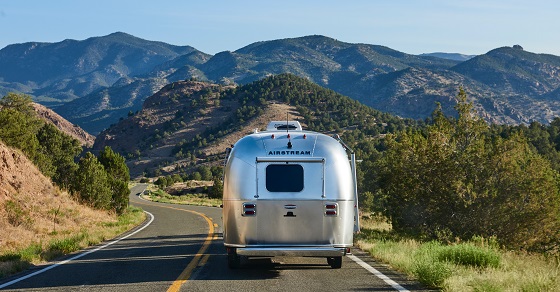
- RV and Camper Preparations: For retirees utilizing recreational vehicles, early reservation of campsites or RV park spaces is mandatory. Furthermore, snowbirds must decide whether to tow a secondary commuter vehicle to avoid the poor gas mileage and parking headaches associated with driving a large motorhome locally.
Phase 3: Administrative and Household Management (3 to 6 Months Prior)
Managing two properties demands a proactive approach to administrative chores, utilities, and legal obligations.
- Tax and Residency Review: Retirees must analyze state residency rules to avoid unexpected tax burdens. Owning a second home means paying property taxes in two locations, and spending extended months in a Sunbelt state can trigger complex state income, estate, or inheritance tax obligations.
- Mail Forwarding Strategies: Establishing a reliable mail management system is vital. Options range from official USPS forwarding and third-party mail services to utilizing trusted neighbors or family members. For RV travelers relying on temporary parks, General Delivery at local post offices is often necessary.
- Utility Adjustments: To avoid paying for unused services, contact utility providers at both primary and secondary residences to inquire about "hibernation" or seasonal suspension options for cable, internet, and phone lines.
Phase 4: Departure and Home Preparation (1 to 2 Months Prior)
As departure day approaches, securing the primary residence against winter weather and organizing personal effects takes center stage.
- Winterizing the Northern Home: In freezing climates, homeowners must maintain a reduced indoor heat setting to prevent pipes from freezing and bursting, or alternatively, hire a professional plumber to completely drain the plumbing system and shut off the main water supply.
- Appliance and Maintenance Lockdown: Unplugging non-essential appliances, clearing out refrigerators, and arranging for lawn care, snow removal, or pool maintenance ensures the primary home remains safe and orderly.
- Medical Continuity: Seniors must review their health insurance coverage. While traditional Medicare offers nationwide coverage, Medicare Advantage and private insurance plans typically limit coverage to emergency care outside the home region. Securing prescription refills and transferring medical records ahead of time prevents dangerous gaps in care.
Supporting Context & Metrics: The Anatomy of the Migration
To fully understand the scope of the snowbird phenomenon, one must look at the demographic and economic forces driving millions of older adults southward each year.

The Physical Toll of Cold Weather
As the human body ages, cold weather becomes increasingly hazardous. According to public health data, older adults face a significantly higher risk of injury from slips and falls on ice. Furthermore, the physical exertion of shoveling heavy snow can trigger cardiovascular strain in aging populations. Moving to warmer climates eliminates these seasonal hazards, allowing retirees to engage in year-round physical activities such as golf, tennis, swimming, and daily walking, which directly contribute to improved physical and mental well-being.
Financial and Housing Breakdown
The financial investment required to maintain a dual-residency lifestyle varies widely depending on the chosen housing model:
- Purchasing Property: Acquiring a secondary home—whether a single-family house, condo, mobile home, or park model—requires significant upfront capital. Beyond the mortgage and purchase price, owners must budget for secondary furnishing, appliances, and specialized insurance policies. Notably, insuring an empty home left vacant for extended periods often commands significantly higher premium rates.
- Renting Seasonally: Renting offers flexibility, allowing snowbirds to explore different regions year after year. However, rising rental demand has driven up costs, making early budgeting essential.
- RV Living: Recreational vehicles offer unmatched mobility, enabling retirees to bring pets, clothing, and personal possessions directly to their winter sites. Ranging from luxury touring buses to compact travel trailers, RVs require careful consideration of towing vehicle capacity, campsite rental fees, and the necessity of towing a secondary commuter vehicle for local errands.
Official Perspectives and Expert Insights
Industry experts, financial advisors, and housing authorities emphasize that a successful snowbird experience relies heavily on preparation, realistic expectations, and open communication with local service providers.

- Healthcare Navigation: Healthcare specialists consistently warn retirees against assuming their health insurance policies function seamlessly across state lines. Ensuring continuous coverage, managing mail-order prescription deliveries across state lines, and establishing relationships with local physicians at the destination are cited as top priorities for retirees managing chronic conditions.
- Community Integration: According to real estate and community management experts in major active adult hubs like The Villages, successful integration into a seasonal community requires active participation in local clubs, bulletin boards, and social organizations. Building a local support network mitigates the isolation that can sometimes accompany frequent relocation.
- Tax and Legal Compliance: Financial planners stress the importance of keeping meticulous documentation regarding the exact number of days spent in each state. Because states aggressively audit residency status to capture income and estate tax revenue, maintaining a clear paper trail—including utility bills, voter registration, and travel logs—is critical to avoiding legal disputes.
Future Outlook: The Evolving Landscape of Seasonal Retirement
Looking ahead, the snowbird lifestyle is evolving in response to demographic shifts, technological advancements, and economic trends.
The Rise of the "Connected" Snowbird
The proliferation of remote work, telehealth services, and smart-home technology has fundamentally transformed how retirees manage dual-residency living. Today’s snowbirds can monitor their northern homes remotely via high-definition security cameras, adjust smart thermostats to prevent freezing pipes from miles away, and consult with physicians via secure video conferencing platforms. This technological connectivity bridges the geographical gap, making the transition between homes smoother and safer than ever before.
Demographic Shifts and Housing Trends
As the massive Baby Boomer generation continues to age into retirement, demand for flexible, low-maintenance housing options in the Sunbelt is expected to surge. Developers are increasingly focusing on lock-and-leave communities, modular housing developments, and flexible rental models tailored specifically to seasonal residents.

Final Takeaway
Ultimately, while orchestrating a dual-residency lifestyle requires careful navigation of financial, administrative, and logistical hurdles, the rewards are immense. For the million-plus Americans and Canadians who make the annual journey, the snowbird lifestyle provides an enriching, health-conscious, and deeply fulfilling way to enjoy the golden years. By planning strategically, respecting the financial realities, and embracing the adventure, retirees can truly enjoy the best of both worlds.

0 Comments