

Executive Overview
On Labor Day, September 7, 2026, a devastating residential fire swept through a mobile home in North Topeka, Kansas, claiming the life of nine-year-old Alex Honea and leaving his twin brother, Ben, and their father fighting for their lives in a regional hospital. The incident, which has sent shockwaves through the local community, underscores a convergence of critical societal vulnerabilities: the rapid-fire dynamics of manufactured housing, the acute challenges of evacuating nonverbal children with special needs during emergencies, and the vital role of immediate, ad-hoc civilian and law enforcement intervention when formal rescue services are en route.
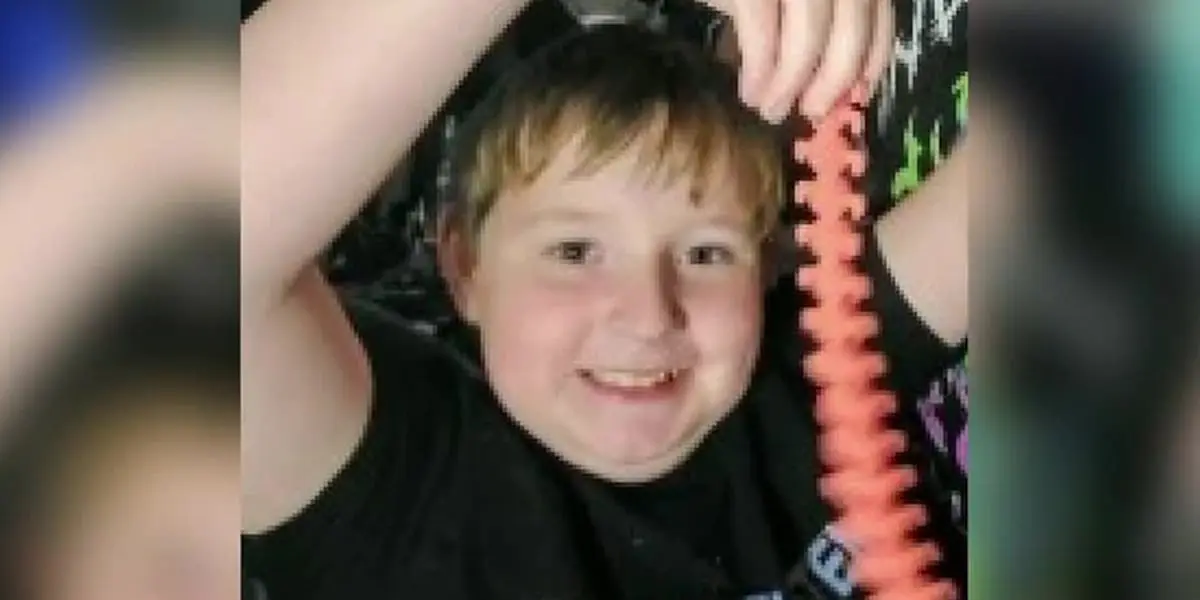
The fire broke out in the afternoon at the home of Susan Honea, her husband, and their twin nine-year-old sons. Despite the heroic efforts of a Topeka police officer and three local neighbors who arrived on the scene prior to the Topeka Fire Department (TFD), the speed and intensity of the blaze prevented a full rescue. While Susan Honea escaped the immediate inferno, her husband and her son Ben sustained severe injuries. Alex, who along with his twin brother was nonverbal and had profound special needs, perished in the fire.
A preliminary investigation by local fire marshals has ruled the origin of the fire as accidental. However, the tragedy has catalyzed a broader discussion regarding residential fire safety standards, the economic challenges facing families in manufactured housing, and the desperate need for specialized emergency preparedness protocols designed for neurodivergent and nonverbal individuals.
Detailed Chronology
The Outbreak and Rapid Escalation
On the afternoon of Monday, September 7, 2026, the quiet holiday atmosphere of a North Topeka mobile home community was shattered. According to eyewitness accounts and emergency dispatch logs, smoke began billowing from the Honea family residence. Within minutes, the highly combustible materials common in manufactured home construction allowed the fire to reach flashover temperatures—the point at which organic materials in a room simultaneously ignite.
Susan Honea’s cousin, Chelsea Fisher, was in Kansas City when she received the urgent notification. Speaking with local journalists, Fisher recalled the sheer panic of the moment. "My heart just sank," she said. "As a mother, you can’t imagine losing your child." Unable to be physically present, Fisher resorted to watching a local media livestream of the emergency response, witnessing the destruction of her family’s home in real-time from miles away.
[Labor Day Afternoon] Fire ignites in Honea family residence
       │
       ▼
[Minutes Later] Neighbors notice smoke; call 911; "Get my son!" cries heard
       │
       ▼
[Before Fire Crews Arrive] TPD Officer and 3 neighbors attempt breach and rescue
       │
       ▼
[Emergency Response Arrival] Topeka Fire Department arrives; takes over suppression
       │
       ▼
[Aftermath] Susan Honea escapes; husband & Ben hospitalized; Alex (9) pronounced deceased
The Desperate Bystander and Law Enforcement Intervention
In the critical, high-stakes minutes before fire engines arrived, the scene was defined by raw panic and extraordinary bravery. Witnesses reported hearing frantic cries from the residence, with someone shouting, "Get my son!"
A passing Topeka Police Department (TPD) officer, arriving ahead of the fire suppression units, immediately recognized the life-or-death stakes. Joined by three neighbors who rushed toward the burning structure, the makeshift rescue team attempted to breach the home. Entering a burning mobile home without self-contained breathing apparatus (SCBA) is exceptionally dangerous; the smoke produced by modern synthetic furnishings contains highly toxic gases, including carbon monoxide and hydrogen cyanide.
Despite the blinding smoke and intense heat, the rescuers managed to pull multiple family members from the residence. "I heard that it was a Topeka police officer along with just neighbors that jumped in to help because the first responders just weren’t here yet," Chelsea Fisher noted. "We are eternally grateful for them to be able to help in any capacity."
Despite their efforts, the rapid spread of the fire made it impossible to reach nine-year-old Alex in time. When Topeka Fire Department units arrived on the scene, they transitioned to active fire suppression and search-and-rescue, but Alex was pronounced dead at the scene. His twin brother, Ben, and their father were transported to a nearby medical facility with severe injuries, where they remain hospitalized.
Supporting Context & Metrics
To fully understand the dimensions of this tragedy, it is necessary to examine the underlying factors that contribute to the high lethality of mobile home fires, as well as the unique challenges faced by disabled individuals during residential disasters.
The Physics of Mobile Home Fires
Manufactured homes built before the implementation of strict federal standards, and even many modern units, present distinct challenges during a fire. According to data from the National Fire Protection Association (NFPA):
- Combustion Speed: The structural components, wall linings, and spatial layouts of mobile homes often facilitate a more rapid rate of fire spread compared to traditional stick-built, single-family homes. The high surface-to-volume ratio of rooms allows heat to build up rapidly.
- Egress Limitations: Mobile homes typically have fewer exit points and smaller window openings, which can easily become blocked by flames or dense smoke, trapping occupants.
- Fatality Rates: NFPA metrics indicate that while the frequency of fires in manufactured homes has decreased over the decades due to improved safety standards, the fatality rate per 1,000 fires remains disproportionately high compared to standard residential properties.
| Housing Type | Average Fire Spread Rate | Relative Fatality Risk | Primary Structural Hazard |
|---|---|---|---|
| Traditional Single-Family | Moderate | Baseline (1x) | Heavy timber/drywall delay |
| Manufactured / Mobile Home | Rapid to Extreme | 1.5x – 2x higher | Synthetic materials, limited egress |
The Vulnerability of Nonverbal and Special Needs Children
The tragedy in North Topeka highlights a critical, often overlooked gap in emergency preparedness: the vulnerability of neurodivergent, nonverbal, and developmentally disabled individuals.
Alex and Ben Honea were nonverbal children with significant special needs. In a high-stress crisis like a house fire, standard survival instincts and instructions—such as "stop, drop, and roll" or "escape through a window"—do not translate easily:
- Sensory Overload: The sound of smoke detectors, the smell of burning plastic, and the visual chaos of a fire can cause individuals with autism or sensory processing disorders to experience profound cognitive freeze or extreme panic.
- Hiding Behaviors: Rather than fleeing toward exits, children with special needs frequently seek comfort in familiar "safe zones," such as closets, under beds, or wrapped in blankets, making them exceptionally difficult for rescuers to locate in zero-visibility conditions.
- Communication Barriers: Nonverbal individuals cannot call out to rescuers, alert family members to their location, or explain what hurts, compounding the difficulty of both rescue and immediate triage.
Official Statements
Following the incident, local authorities and family representatives released statements addressing the rescue efforts, the ongoing investigation, and the long-term impact on the Honea family.
Topeka Police and Fire Departments
A preliminary investigation conducted by the Topeka Fire Department’s Fire Marshal’s Office concluded that the fire was accidental in nature. While the specific point of origin and ignition source remain under investigation, officials emphasized that there was no evidence of foul play.
In a briefing, local officials praised the actions of the responding police officers and the three civilian neighbors who risked their lives to enter the burning structure. Authorities noted that without their rapid, decisive actions, the loss of life could have been even greater.
Family Spokesperson
Chelsea Fisher, representing the extended Honea family, expressed the profound grief of a family suddenly fractured by loss. She focused on the vibrant, gentle spirits of the twin boys, who were just weeks away from a major milestone.
"They would be turning 10 later this month. It’s going to be a long road to recovery ahead of them. Those milestones will be really hard, especially with one here and one gone. I just remember them just being so smiley and sweet all the time. Just had such sweet personalities."
— Chelsea Fisher, Cousin of Susan Honea
Fisher also acknowledged the long physical and psychological recovery process that lies ahead for Ben and his father. To assist the family—who lost all of their possessions, their home, and their primary means of stability—the community has established a verified GoFundMe campaign to help cover medical expenses, funeral costs, and temporary housing.
Future Outlook
As the Honea family begins the agonizing process of physical and emotional recovery, this tragedy leaves a lasting imprint on the North Topeka community and raises critical questions for safety advocates.
Medical and Psychological Rehabilitation
For the surviving father and young Ben, the immediate future involves intensive medical care. Severe smoke inhalation can cause long-term pulmonary damage, while thermal burns require specialized treatment, skin grafts, and extensive physical therapy.
Beyond the physical scars, the psychological trauma of surviving a fire that claimed a sibling and son is immense. Ben, as a surviving twin, will face the unique emotional challenge of navigating life without his brother, a reality made more complex by his nonverbal status, requiring specialized, trauma-informed therapeutic care.
Community Advocacy and Fire Safety Reform
In the wake of this disaster, local safety advocates are calling for targeted fire safety initiatives, specifically focusing on:
- Special Needs Registry: Encouraging municipalities to maintain confidential, voluntary registries of households with nonverbal or disabled residents. This information can be integrated into 911 dispatch systems, alerting incoming first responders that a vulnerable individual may be inside and unable to escape or communicate.
- Targeted Smoke Alarm Programs: Ensuring that mobile home communities are equipped with modern, functioning smoke detectors, including specialized alarms (such as those with vibrating pads or voice-recorded alerts) that are more effective for children and individuals with sensory differences.
- Accessible Disaster Training: Developing and distributing specialized emergency planning resources for families with neurodivergent children, helping parents practice customized evacuation drills that account for sensory sensitivities and potential hiding behaviors.
The tragedy on Labor Day in Topeka is a stark reminder of the fragile line between safety and disaster. As the community rallies around Susan, Ben, and their father, the hope is that the lessons learned from this profound loss will help prevent similar tragedies from claiming more young lives in the future.

0 Comments