
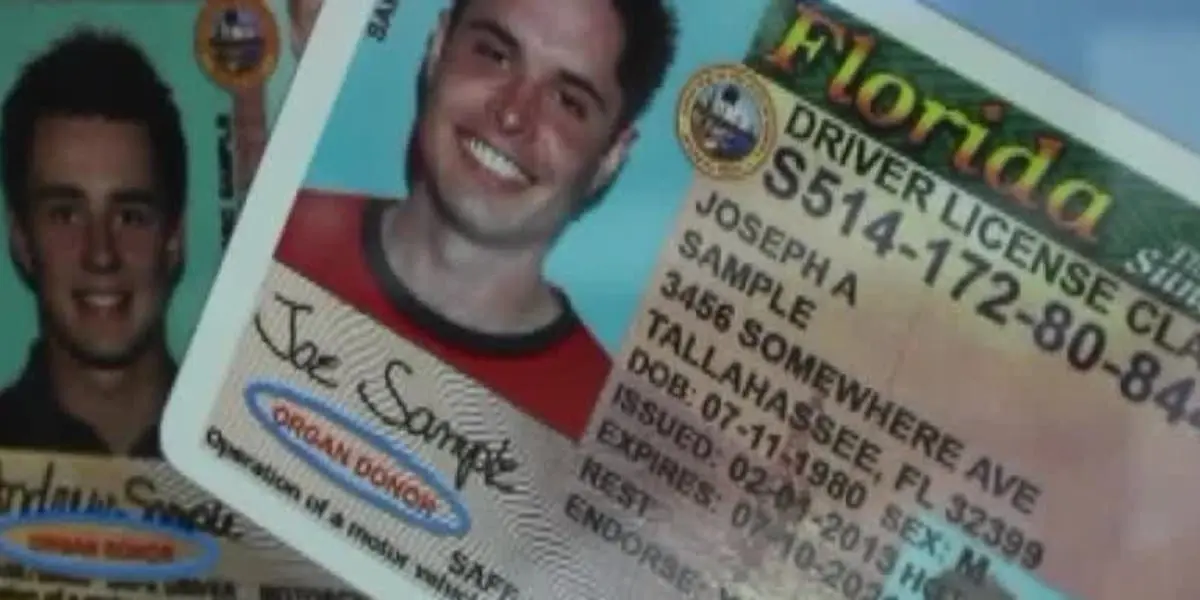

TALLAHASSEE, Fla. — Florida’s vast driver license and motor vehicle database may have suffered a significant security breach, according to multiple prominent cybercrime monitoring organizations and digital intelligence channels. The notorious, financially motivated hacking collective known as "ShinyHunters" has claimed responsibility for the incident, asserting that they have successfully exfiltrated sensitive personal information belonging to roughly 200,000 residents. The group has reportedly issued an ultimatum, demanding an undisclosed ransom payment be fulfilled by the end of the week.
Despite the mounting digital chatter and rising public anxiety, state government officials have maintained a tight-lipped stance, offering no official confirmation or denial of the cyberattack as investigations unfold. The alleged breach has cast a harsh spotlight on the vulnerabilities inherent in critical state infrastructure, prompting cybersecurity experts, lawmakers, and affected citizens to question the security postures safeguarding government-held personal data.
Executive Overview
The unfolding cybersecurity incident centers on the Driver and Vehicle Information Database (DAVID), the state’s centralized digital repository managed by the Florida Department of Highway Safety and Motor Vehicles (FLHSMV). According to cyber intelligence researchers, the attackers managed to slip past digital perimeters by exploiting an overlooked flaw within a routine, web-based user functionality.
The threat actor group taking credit for the intrusion, ShinyHunters, commands a formidable reputation within the global cybersecurity community. Known primarily for large-scale corporate and governmental data thefts followed by aggressive extortion campaigns, the group’s assertion that they hold hundreds of thousands of Florida records has triggered immediate alerts among federal and state digital forensics teams.
Key highlights of the unfolding situation include:
- The Alleged Target: The DAVID database, containing millions of confidential Florida driver and vehicle records.
- The Suspected Perpetrators: "ShinyHunters," a prolific cybercrime syndication linked to numerous high-profile global data breaches.
- The Stolen Data (Claimed): Approximately 200,000 records reportedly containing sensitive personally identifiable information (PII), including driver’s license numbers, Social Security numbers, and residential home addresses.
- The Vector: Security researchers indicate the exploit targeted a vulnerability associated with the system’s "forgot your password" recovery page.
- Official Response: State authorities, including the Florida Department of Law Enforcement (FDLE) and administrative bodies, have invoked a strict "no comment" policy, advising caution while investigations proceed behind closed doors.
Detailed Chronology of Events
To understand how the alleged breach materialized, cybersecurity analysts and investigative journalists have pieced together a timeline of digital indicators, administrative notices, and platform alterations that occurred throughout the week.
Early-Week Administrative Guidance
The first tangible ripple within the state bureaucracy occurred on Wednesday. According to an insider source who interacts with the DAVID system daily, state government administrators disseminated unexpected operational guidance to system users. The communication outlined stringent parameters regarding who was authorized to access the system and for what precise statutory purposes.
While bureaucratic updates to state software platforms are routine, the source described the timing and restrictive nature of this specific memo as "very unusual," leading some insiders to suspect that IT administrators may have detected anomalous activity or administrative log-in anomalies prior to public disclosure.
The Vulnerability and Thursday’s Platform Patch
By Thursday afternoon, digital forensic clues began pointing toward a specific vector of entry. University of South Florida cybercrime professor and security expert Thomas Hyslip noted that indicators strongly suggested hackers had weaponized a standard function within the database’s web interface: the "forgot your password" recovery page.
Public-facing password recovery portals are frequently targeted by malicious actors because they interact directly with user databases to verify identity, reset credentials, or trigger automated recovery emails. If improperly configured or inadequately rate-limited, these pages can be manipulated to enumerate valid user accounts or bypass authentication altogether.
Significantly, within hours of the exploit circulating across cybercrime monitoring forums, state administrators took decisive technical action. The vulnerable password recovery feature on the DAVID database portal was abruptly disabled as of Thursday afternoon, signaling a frantic effort by state IT teams to plug the digital leak and halt ongoing unauthorized queries.
Ransom Deadlines and Monitoring Alerts
Simultaneously, threat intelligence feeds captured posts from ShinyHunters on underground cybercrime forums. The postings asserted that the group had exfiltrated a massive cache of Florida citizen data and established a strict deadline. The ransom demands, communicated privately to monitoring websites and presumably to state intermediaries, set a hard expiration date of Friday for payment.
As of press time, no public announcements have been made regarding whether state agencies intend to negotiate, pay the ransom, or allow the deadline to pass while leaning entirely on defensive containment strategies.
Supporting Context & Metrics: The Anatomy of a Threat
The gravity of the current situation becomes starkly apparent when examining the nature of the data housed within the DAVID database and the track record of the group claiming the attack.
The Value and Sensitivity of DMV Data
Motor vehicle databases represent some of the most lucrative and sensitive troves of data maintained by state governments. When citizens interact with the Department of Motor Vehicles (DMV)—whether obtaining a standard driver’s license, registering a vehicle, or applying for a state identification card—they are legally required to provide an exhaustive suite of personal identifiers.
As noted by Professor Hyslip, the convergence of this data makes DMV repositories a prime target for financially motivated cybercriminals:
- Social Security Numbers: Essential for tax identity theft, opening fraudulent financial accounts, and applying for unauthorized credit lines.
- Driver’s License Numbers: Crucial for secondary identity verification across commercial and governmental sectors.
- Residential Addresses: Facilitates physical mail interception, credit card fraud, and sophisticated spear-phishing campaigns.
When consolidated into a single database, these data points allow bad actors to construct comprehensive identity profiles, making the stolen information exceptionally valuable on dark web marketplaces.
Profile of the Threat Actor: ShinyHunters
ShinyHunters is not a novice operation; rather, it is a globally recognized cybercrime syndicate that has consistently troubled corporate giants and government entities alike. Earlier this year, major technology enterprises, including Microsoft and Google, issued security advisories explicitly warning users and enterprise clients that ShinyHunters was actively probing software vulnerabilities and executing coordinated credential-stuffing and data-exfiltration campaigns.
Unlike ransomware gangs that encrypt corporate servers to halt business operations, ShinyHunters typically operates as a pure data-extortion outfit. Their standard methodology involves:
- Scanning public-facing web applications for unpatched vulnerabilities or misconfigurations.
- Infiltrating databases to covertly extract massive volumes of PII.
- Demanding substantial cryptocurrency ransoms under the threat of leaking or selling the stolen data publicly.
According to cyber intelligence analysts, ShinyHunters possesses a high degree of operational credibility. When the group claims to hold specific datasets, security agencies generally treat the assertion as a high-fidelity threat rather than empty digital bluster.
Why Software Updates Lag Behind
Addressing public queries regarding how such a critical vulnerability could exist in a state-managed database, Professor Hyslip explained the systemic challenges facing public sector IT infrastructure.
Unlike agile private tech startups, state government databases like DAVID are deeply integrated legacy systems connected to law enforcement portals, court records, and administrative verification engines. Consequently, applying patches or updating system architecture cannot be rushed; every code modification requires rigorous testing to ensure it does not inadvertently break critical state services or compromise data integrity elsewhere in the pipeline. Unfortunately, this methodical, cautious approach to updates can occasionally leave critical vulnerabilities exposed longer than desired, providing a narrow window of opportunity for sophisticated threat actors.
Official Statements and Institutional Silence
A recurring hallmark of major government cyber incidents is the period of strategic silence that immediately follows detection. In Tallahassee, that silence has been palpable.
State officials and administrative agencies have maintained a strict "no comment at this time" posture when pressed by journalists for confirmation of the breach. Far from indicating disorganization, however, this deliberate communications blackout is a standard protocol dictated by active law enforcement investigations.
Weighing in on the state’s subdued reaction, Professor Hyslip emphasized that external silence is entirely expected when specialized agencies are involved.
"I’m sure FDLE [Florida Department of Law Enforcement] is involved and they’re telling them, ‘Don’t talk, let us investigate it.’ At some point, they’ll come out with a statement, I’m sure, just to say, yeah, okay, they’ll confirm it and here’s what we’re doing."
— Professor Thomas Hyslip, University of South Florida
By withholding details during the initial investigative window, cybercrime units and digital forensic investigators can preserve evidence, trace network logs, and potentially monitor threat actor communications without tipping off the hackers regarding law enforcement maneuvers.
However, this lack of immediate transparency places citizens in an uncomfortable state of limbo. While unverified reports circulate through digital monitoring channels, potentially affected residents have yet to receive formal guidance from the state regarding whether their personal information has been compromised.
Future Outlook & Citizen Preparedness
As the Friday ransom deadline approaches, the trajectory of this incident remains highly fluid. State authorities face a compounding pressure cooker: balancing the need for transparency with the tactical imperatives of an ongoing criminal investigation.
What Happens Next?
If state officials ultimately confirm that a breach has occurred and that data was successfully exfiltrated, standard remediation protocols will kick into high gear. According to cybersecurity experts, official notifications will likely be dispatched via postal mail to individuals whose records have been verified as compromised.
In the interim, security professionals urge Floridians to exercise extreme vigilance regarding their personal digital footprints. Key preventive measures include:
- Be Wary of Unsolicited Communications: Citizens should treat incoming emails, text messages, and phone calls requesting personal information, password resets, or financial details with extreme suspicion. Cybercriminals frequently capitalize on high-profile data breaches by launching targeted phishing campaigns designed to trick panicked individuals into surrendering additional credentials.
- Monitor Financial Accounts: Regularly reviewing bank statements, credit card transactions, and online portals can help catch unauthorized activity early.
- Consider Credit Freezes: Placing a security freeze on credit reports with major bureaus (Equifax, Experian, and TransUnion) effectively blocks unauthorized entities from opening new lines of credit in an individual’s name, providing an effective shield against identity theft.
- Enable Multi-Factor Authentication (MFA): Ensuring that personal email accounts, financial logins, and professional portals are secured with robust, multi-factor authentication minimizes the risk of credential-based follow-up attacks.
As Florida digital forensic teams continue dissecting system logs and evaluating the extent of the alleged intrusion, the public waits anxiously for official clarity. Whether the state chooses to meet the hackers’ financial demands or stand firm against extortion, this developing cyber incident serves as a sobering reminder of the persistent, high-stakes vulnerabilities facing critical digital infrastructure in the modern era.

0 Comments