

Executive Overview
WASHINGTON — In a sudden development that has sent shockwaves through Washington legal circles, prominent Donald Trump ally and veteran attorney Joe diGenova announced Thursday that he has resigned from his post leading a high-profile Justice Department investigation. The inquiry, launched earlier this year, was tasked with probing whether former law enforcement and intelligence officials engaged in a coordinated conspiracy against Donald Trump over the past decade.
"I did in fact resign," diGenova confirmed to The Associated Press, describing his brief tenure at the helm of the probe as an "honor and a privilege" to serve both the former president and the Department of Justice. However, the 81-year-old attorney declined to comment on the specific circumstances surrounding his departure.
The abrupt resignation—occurring a mere five months after diGenova was brought back into the federal fold—injects immediate tumult and uncertainty into an investigation that had recently shown signs of accelerating. Operating out of Florida, the probe had recently begun ramping up its activities, issuing a flurry of fresh subpoenas demanding testimony before a federal grand jury.
As legal analysts scramble to decode the implications of diGenova’s exit, the Justice Department has remained tight-lipped. A spokesperson did not immediately return messages seeking comment on who might succeed diGenova or what his departure signals for the future trajectory of the controversial inquiry. This unexpected leadership vacuum raises pressing questions about the stability, direction, and ultimate viability of an investigation that has long stood as a cornerstone of Trump’s grievances against the legacy intelligence apparatus.
Detailed Chronology of the Probe
To fully understand the weight of Thursday’s announcement, it is essential to trace the timeline of the investigation and diGenova’s controversial path back to the Justice Department.
The Genesis of the Grievance (2016–2024)
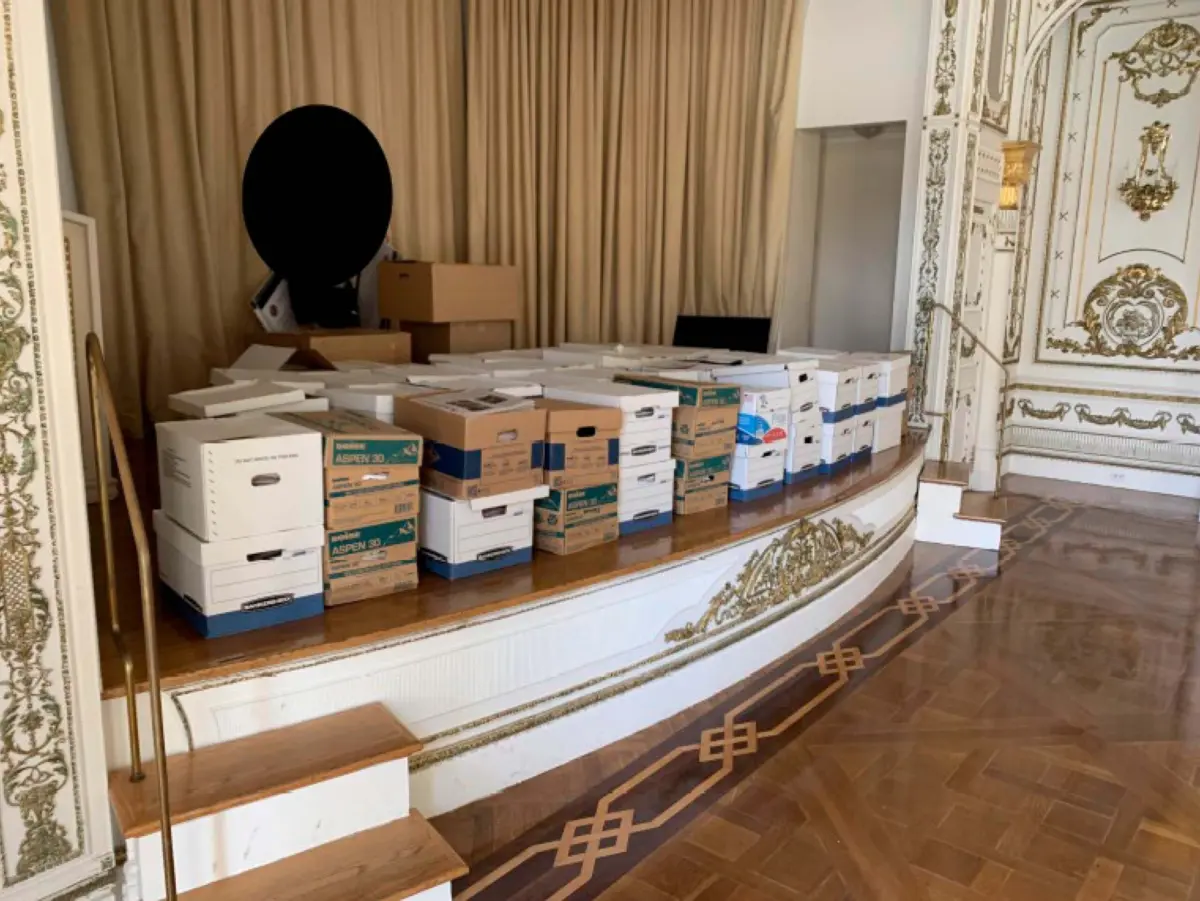
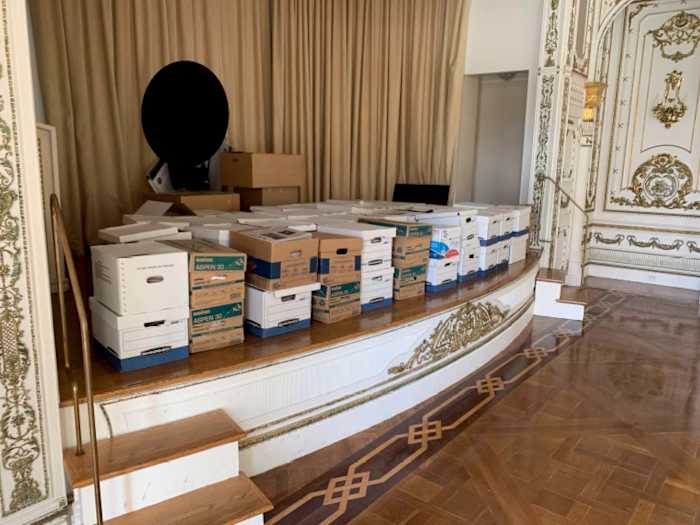
For years, Donald Trump and his political allies have maintained that the federal bureaucracy weaponized its law enforcement and intelligence powers to target his presidential campaigns and administration. Central to these claims were the myriad investigations into Russian election interference, the handling of classified documents, and various other inquiries that dogged Trump both in and out of the Oval Office. Trump’s supporters long demanded accountability, framing the various probes not as legitimate oversight, but as an illegal "deep state" conspiracy designed to subvert a democratically elected president.
The Appointment of Joe diGenova (April 2026)
The groundwork for the current inquiry was laid earlier this year. Joe diGenova, a loyal and outspoken defender of the former president who served as the U.S. attorney for the District of Columbia during the Reagan administration, actively campaigned for a role to investigate his perceived persecutors. DiGenova openly and repeatedly claimed that Trump was the victim of a malicious plot hatched within the intelligence community.
In April, those efforts bore fruit when diGenova was brought back into the Justice Department. Tasked with leading a loosely defined investigation, his mandate was to establish whether former government officials—including high-ranking law enforcement and intelligence figures who scrutinized Trump over the previous decade—conspired against him. The appointment was viewed by critics as a politicization of the Justice Department, while Trump loyalists heralded it as a long-overdue reckoning for federal overreach.
Escalation and Grand Jury Activity (Summer 2026)
For the first several months, the investigation operated largely out of the public eye. However, by late summer, the probe shifted into a much more aggressive phase. Based primarily in Florida, the investigation began showing concrete signs of acceleration.
Investigators under diGenova’s supervision began issuing fresh subpoenas to various targets and witnesses, demanding testimony before a federal grand jury. This escalation signaled that the inquiry was moving past the preliminary fact-finding stage and actively gathering evidence to potentially secure indictments or issue sweeping public reports.
The Abrupt Resignation (Thursday)
With the grand jury proceedings gaining momentum, Thursday’s revelation that diGenova was stepping down caught Washington off guard. Coming just five months after his high-profile return to public service, the resignation halts the momentum of the inquiry and leaves the investigative team without its driving force. Whether diGenova walked away of his own accord, clashed with other departmental officials over strategy, or faced internal pressure remains unconfirmed, but the timing ensures intense scrutiny from both sides of the political aisle.
Supporting Context & Metrics
The resignation of Joe diGenova cannot be viewed in a vacuum; it is part of a broader, decades-long friction point between executive authority, career civil servants, and the sprawling national security apparatus.
The Legal and Institutional Framework
The Justice Department is traditionally insulated from political directives, operating under a long-standing norm that protects criminal investigations and prosecutorial decisions from White House interference. However, the creation of special investigative units aimed at probing past government actions inevitably tests these guardrails.
- Jurisdiction: The probe was heavily anchored in Florida, a strategic positioning that placed it far from the traditional bureaucratic center of Washington, D.C., but closer to Trump’s primary post-presidency residence at Mar-a-Lago.
- Scope: The investigation’s broad and loosely defined charter—examining whether a conspiracy existed among intelligence and law enforcement officials—gave investigators sweeping latitude, but also left it vulnerable to criticisms of lacking clear legal boundaries.
- Personnel: At 81 years old, diGenova brought decades of establishment legal experience to the table, having navigated the corridors of Washington power for over forty years, yet his explicit political alignment with Trump made his appointment a lightning rod for controversy.
The Broader Landscape of "Retribution" Politics
The inquiry led by diGenova has frequently been cited by political scientists and legal scholars as a prime example of "retributive governance"—a phenomenon where incoming or allied administrations seek to use the machinery of the state to investigate those who previously held power. While proponents argue that accountability is necessary to correct perceived abuses by the "deep state," opponents contend that such investigations erode public trust in non-partisan institutions like the FBI and the CIA.
The metrics surrounding the probe—ranging from the duration of diGenova’s five-month tenure to the specific number of grand jury subpoenas issued in Florida—illustrate an investigation that attempted to move rapidly before collapsing under the weight of its own internal and external pressures.
Official Statements and Reactions
As news of the resignation broke, reactions poured in from legal analysts, political figures, and representatives of the institutions involved.

Joe diGenova’s Remarks
In his brief conversation with The Associated Press, diGenova remained measured regarding his departure while expressing gratitude for the opportunity.
"I did in fact resign," diGenova stated, adding that it had been an "honor and a privilege" to serve both Donald Trump and the Department of Justice during his brief tenure.
True to form, diGenova declined to elaborate on the catalysts for his exit, leaving a vacuum that quickly filled with speculation from political commentators and legal experts.
Silence from the Justice Department
In stark contrast to diGenova’s brief confirmation, the Department of Justice maintained a posture of strict silence. A spokesperson for the agency did not immediately return messages seeking comment, leaving unanswered crucial logistical questions:
- Who will assume leadership of the Florida-based grand jury probe?
- Will the investigation continue along its current trajectory, or will it face scaling back or closure?
- Did internal policy disagreements prompt diGenova’s departure?
Reactions from Legal Observers
Constitutional scholars and former prosecutors expressed deep concern over the ongoing volatility of the investigation. Many pointed out that leadership changes mid-stream in politically sensitive grand jury probes typically indicate deep-seated friction. Whether that friction was procedural, ethical, or political remains the central mystery of the unfolding narrative.
Future Outlook: What Lies Ahead for the Probe?
With Joe diGenova stepping down, the immediate future of the Justice Department’s conspiracy investigation hangs in the balance. Several key questions will dictate how this saga unfolds in the coming weeks and months:
- Leadership Succession: The most pressing challenge for the Justice Department will be naming a successor. Finding a candidate with the legal gravitas to manage a complex grand jury investigation who is simultaneously willing to step into such a politically volatile environment will be no small feat.
- The Status of the Grand Jury: It remains unclear whether the federal grand jury in Florida will continue hearing testimony or if proceedings will be paused while new leadership evaluates the evidence gathered thus far. The subpoenas already issued mean that witnesses and legal teams are actively preparing, making any sudden halt logistically complex.
- Political Fallout: For Trump and his allies, the departure of a staunch defender like diGenova is undeniably a setback. The narrative that the "deep state" is successfully resisting accountability is likely to gain traction among supporters, further fueling distrust in federal institutions. Conversely, critics of the probe may view the resignation as a sign that the investigation was legally untenable from its inception.
As Washington absorbs this latest twist, one reality remains clear: the friction between Donald Trump’s political movement and the permanent apparatus of the federal government is far from resolved. The legacy of Joe diGenova’s five-month tenure will depend entirely on whether the Justice Department chooses to press forward with the investigation or quietly let it fade into the background.

0 Comments