

Executive Overview
RENO, Nev. — The iconic temporary metropolis of Black Rock City, better known as the annual Burning Man festival, concluded its latest gathering under a heavy cloud of sorrow and unprecedented scrutiny. Organizers, law enforcement officials, and emergency medical personnel are grappling with an unsettling milestone: three distinct fatalities occurred over the course of the week-long desert convergence, marking the highest death toll recorded in a single year during the event’s modern history.
Historically, despite the extreme environmental hazards, logistical complexities, and massive population density of the gathering—which routinely attracts upwards of 70,000 to 80,000 participants—Burning Man has maintained a relatively stable mortality rate. Over the past quarter-century, the event has averaged approximately one death per year. The tripling of this grim metric during the 2026 iteration has ignited urgent conversations regarding participant safety, the physiological strains of the playa environment, and the challenges of managing public health infrastructure within a remote, harsh desert ecosystem.
While initial investigations by the Pershing County Sheriff’s Office and the Washoe County Medical Examiner’s Office have indicated no immediate signs of external foul play in any of the cases, the comprehensive determination of cause and manner of death remains pending. Standard protocols for deaths occurring within the jurisdiction require exhaustive autopsies and rigorous toxicology screenings—procedures that, due to the meticulous nature of forensic pathology, can take between six to eight weeks to yield definitive results.
As the dust settles on the alkaline flats of the Black Rock Desert, the Burning Man Project, local authorities, and the broader community are left confronting difficult questions about vulnerability, resilience, and the inherent risks of radical self-reliance in one of North America’s most unforgiving landscapes.
Detailed Chronology of Events
The 2026 festival, which unfolded against the backdrop of searing daytime temperatures, frigid desert nights, and the omnipresent fine alkaline dust characteristic of the Black Rock Desert, was disrupted by three separate medical emergencies. Local law enforcement and medical responders have pieced together the timeline of these tragic incidents.
The First Incident: Thursday, September 3
The sequence of tragedies began on Thursday, September 3, deep within the labyrinth of theme camps and thoroughfares that comprise Black Rock City. According to an official statement released by Pershing County Sheriff Jerry Allen, emergency dispatchers received a call regarding an adult male experiencing a critical medical crisis on a festival street.
First responders rushed to the scene to find a man in his mid-50s, later identified as Sampson Tshombe, unresponsive. Emergency medical technicians and on-site volunteer physicians immediately initiated cardiopulmonary resuscitation (CPR) and deployed advanced life-saving measures. Despite sustained efforts to revive him, Tshombe failed to regain a pulse and was formally pronounced deceased at the scene by a attending physician.
Sheriff Allen noted that the initial on-site assessment revealed no visible trauma or external indications of foul play. Tshombe’s remains were subsequently transferred into the custody of the Pershing County Sheriff’s Office before being transported to the Washoe County Medical Examiner’s Office in Reno for forensic examination.
The Second Incident: Early Morning Hours of Friday, September 4
Before the community could fully process the shock of the Thursday morning fatality, a second emergency unfolded under the cover of darkness. Official records and medical examiner logs later confirmed that Armando Ramirez, a 51-year-old participant, experienced a catastrophic medical event during the early morning hours of Friday, September 4.
According to operational logs, Ramirez went into acute medical distress while on the playa. Emergency evacuation protocols were activated to transport him out of the remote desert site toward a regional medical facility. However, Ramirez succumbed to his condition while en route. His death was officially registered during transit, adding a second somber data point to the festival’s ledger before the weekend had even commenced.
The Third Incident: Saturday, September 5
As the festival approached its weekend crescendo—typically marked by the building anticipation of the Temple burn and the culmination of artistic installations—a third fatality was discovered.
On Saturday, September 5, emergency personnel were summoned to a residential trailer located within the festival grounds. Inside the unit, responders discovered the lifeless body of Craig Mann, a 60-year-old participant. Similar to the case of Sampson Tshombe, Sheriff Allen confirmed that an initial physical inspection of the scene and the decedent’s body yielded no external signs of violence, trauma, or suspicious circumstances.
Mann’s body was similarly recovered and routed through the established chain of custody to the Washoe County Medical Examiner’s Office in Reno, joining the ongoing investigations into an increasingly anomalous event.
Supporting Context & Metrics: Analyzing the Burning Man Mortality Rate
To understand the profound impact of the three fatalities recorded at the 2026 festival, it is essential to examine the event through a historical, statistical, and environmental lens. Black Rock City is, by design, a temporary municipality engineered from scratch every year in the middle of a remote Nevada playa—an ancient lakebed devoid of permanent infrastructure, natural shade, or readily available potable water.
Statistical Overview (2001–2026)
Over the past 25 years, the demographic and operational footprint of Burning Man has expanded exponentially. From an intimate gathering of radical artists and freethinkers in the late 1980s and 1990s, the festival grew into a massive global phenomenon drawing upward of 75,000 attendees from dozens of countries.
- Historical Average: Over the last quarter-century, statistical tracking indicates an average of approximately one death per year associated with the festival. These historical fatalities have typically been attributed to a range of causes, including pre-existing medical conditions (such as sudden cardiac events), accidental trauma (such as falls from art structures or incidents involving moving art cars), and, in rare instances, acute substance toxicity or environmental exposure.
- The 2026 Anomaly: Recording three fatalities in a single operational window shatters historical norms, making 2026 the deadliest year in the festival’s recorded history. While individual years have occasionally seen two deaths, reaching a total of three places the 2026 gathering in an entirely unprecedented statistical category.
The Environmental Strains of the Playa
Operating a high-density community in the Black Rock Desert places extraordinary demands on the human body. Several key environmental factors routinely converge to create high-risk scenarios for vulnerable participants:
- Extreme Aridity and Dehydration: The relative humidity on the playa frequently drops into the single digits. Combined with high ambient daytime temperatures, participants often underestimate their fluid and electrolyte requirements, leading to severe dehydration and heat-related illnesses.
- Altitude and Physical Exertion: Situated at an elevation of nearly 4,000 feet, coupled with round-the-clock physical activity, lack of restorative sleep, and extensive walking or bicycling through deep alkaline dust, the physical toll on cardiovascular systems can be severe.
- Dust Inhalation: The fine, particulate matter whipped up by desert winds—and the constant motion of art cars and pedestrian traffic—can irritate respiratory tracts, potentially triggering acute exacerbations in individuals with pre-existing asthma or cardiopulmonary sensitivities.
- The Principle of Radical Self-Reliance: While the foundational ethos of Burning Man promotes self-reliance and community care, it also means participants must proactively recognize their own physiological limits in an environment where professional medical intervention can be physically distant depending on one’s camp location.
Official Statements and Institutional Response
In the wake of the tragedies, both local law enforcement agencies and the central administrative body of the festival issued carefully measured statements addressing the loss of life and outlining the ongoing investigative procedures.
Law Enforcement and Medical Examiner Updates
Sheriff Jerry Allen of the Pershing County Sheriff’s Office has served as the primary law enforcement voice regarding the initial two on-playa deaths. In his public addresses, Sheriff Allen emphasized the methodical and thorough nature of rural death investigations.
"When individuals pass away in a remote jurisdiction like the Black Rock Desert during an event of this scale, our primary duty is to ensure a comprehensive, unbiased, and respectful investigation," Sheriff Allen noted. He reiterated that while preliminary visual assessments of Sampson Tshombe and Craig Mann revealed no external indicators of foul play, definitive conclusions cannot be reached until forensic pathology provides scientific clarity.
The Washoe County Medical Examiner’s Office, which assumes jurisdiction over autopsies and toxicological evaluations for northern Nevada regions, confirmed that the bodies of Tshombe, Ramirez, and Mann were all transferred to their facility. Representatives from the medical examiner’s office explained that comprehensive autopsies—including microscopic tissue analysis and exhaustive multi-panel toxicology screens designed to detect pharmaceutical agents, illicit substances, and environmental toxins—require a standard processing window of six to eight weeks. Only upon the completion of these scientific evaluations will the official certificates of death be amended to reflect the precise cause and manner of each individual’s passing.
The Burning Man Project’s Response
The Burning Man Project, the nonprofit organization that oversees the production, permitting, and cultural stewardship of the event, released formal statements addressing the initial losses sustained on the playa.
The organization’s leadership extended deep condolences to the families, friends, campmates, and broader community circles of the deceased participants. In its official communications, the Burning Man Project emphasized the profound communal grief that accompanies such losses within a culture that deeply values interpersonal connection and shared experience.
"Our thoughts and deepest condolences are with the participant(s)’ family, friends, campmates and all those affected by this loss," a representative of the Burning Man Project stated. The organization has coordinated closely with the Pershing County Sheriff’s Office, Black Rock City Emergency Services (BRCESS), and federal Bureau of Land Management (BLM) officials to ensure that all necessary logistical and welfare support is extended to affected camps and grieving loved ones. Furthermore, peer-support networks, including the specialized mental health and emotional support sanctuary known as Sanctuary, remained operational throughout the event to provide trauma counseling and crisis intervention for attendees grappling with the emotional weight of the tragedies.
Future Outlook: Safety, Policy, and the Evolution of Black Rock City
As the dust settles and the physical remnants of Black Rock City are dismantled during the rigorous "Leave No Trace" restoration phase, the events of September 2026 will undoubtedly serve as a catalyst for deep introspection within the global Burning Man community.
Re-evaluating Health and Safety Protocols
The unprecedented mortality rate of the 2026 festival forces a critical examination of public health infrastructure within temporary cities. Moving forward, organizers, medical directors, and safety planners are expected to evaluate several key areas:
- Pre-Screening and Participant Awareness: Enhancing educational campaigns regarding the hidden physiological risks of the desert environment, particularly for aging demographics or individuals managing underlying health conditions. As the foundational population of burners ages—with many long-time participants now entering their 50s, 60s, and beyond—the demographic profile of the city is shifting toward older cohorts who may face elevated baseline health risks.
- Emergency Response Optimization: Reviewing response times, logistical routing across the expansive playa, and triage capabilities to ensure that acute medical emergencies receive the fastest possible intervention, whether on-site or during transit to regional trauma centers.
- Mental and Physical Wellness Infrastructure: Expanding proactive wellness initiatives that encourage participants to monitor not only their hydration and nutrition but also their rest cycles, mitigating the cumulative exhaustion that often compromises immune and cardiovascular systems during the grueling week.
The Balancing Act of Freedom and Regulation
Burning Man has always prided itself on operating within a framework of radical inclusion, self-reliance, and personal responsibility. The imposition of top-down safety mandates has historically been met with a delicate balancing act, as organizers seek to preserve the anarchic, experimental spirit of the event while complying with federal, state, and local regulatory requirements mandated by the Bureau of Land Management and Pershing County.
However, three fatalities in a single year represent a threshold that transcends internal cultural debate, drawing heightened scrutiny from regulatory bodies, insurance underwriters, and the public eye. The findings of the Washoe County Medical Examiner’s Office, anticipated in late October or November 2026, will be crucial in determining whether these deaths were isolated, coincidental medical events or indicative of broader systemic vulnerabilities that demand operational reform.
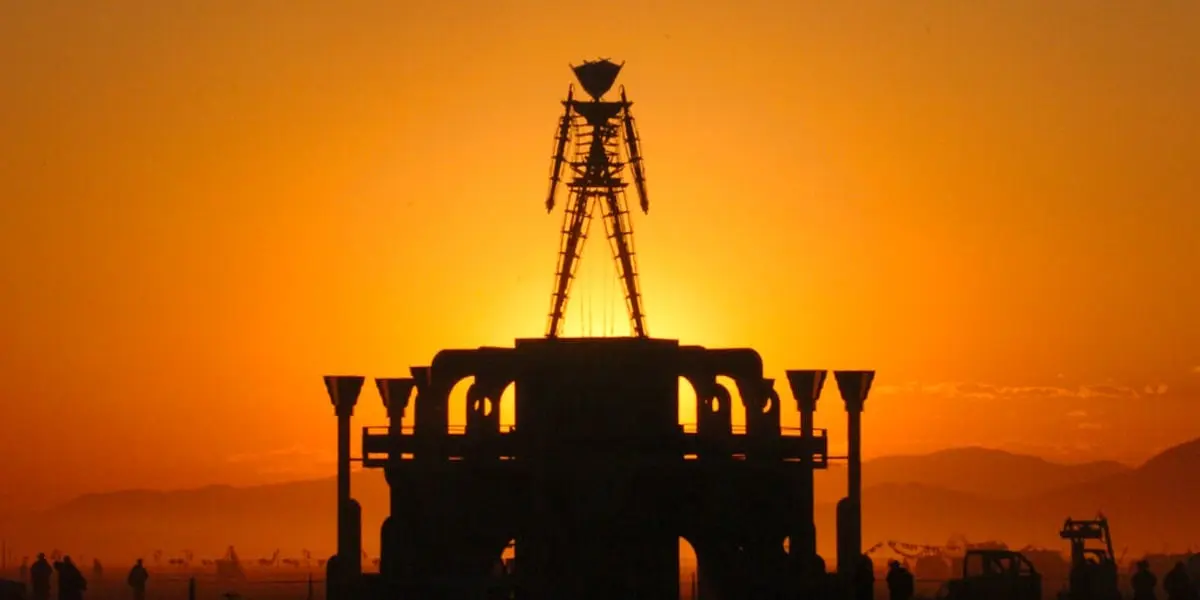
For now, a community known for its resilience and creative expression mourns. The 2026 gathering will forever be remembered not merely for its art cars, monumental architecture, and transformative sunsets, but as a sobering reminder of the fragility of human life against the majestic, unforgiving canvas of the Black Rock Desert.

0 Comments