

Executive Overview
As the global landscape slowly transitions out of the acute phases of the COVID-19 pandemic, a profound psychological and lifestyle shift is underway among older adults, particularly those navigating or entering retirement. Driven by widespread vaccine distribution milestones—such as the landmark benchmarks achieved by mid-spring 2021, when approximately 40% of the U.S. population had received at least one vaccine dose and older demographics largely secured full immunizations—society stands on the precipice of a "new normal."
However, this anticipated return to normalcy is not merely a reversion to pre-2020 habits. Instead, the unprecedented disruption of the past year has acted as a societal pressure test, wiping clean the social calendars, travel itineraries, and daily routines of millions. For retirees and near-retirees, this forced pause has evolved into a unique catalyst for introspection. Rather than simply picking up where they left off, many are executing a "retirement reset"—a deliberate, value-driven re-evaluation of how they spend their time, cultivate relationships, and structure the remaining chapters of their lives.
This article explores the psychological anatomy of the retirement reset, examining how the pandemic altered perceptions of time, priorities, and personal fulfillment, and provides a structured framework for individuals seeking to consciously design their post-work lives.

Detailed Chronology: The Evolution of the Pandemic Pause and the Retirement Mindset
To understand the current appetite for a retirement reset, one must examine the temporal arc of the pandemic’s impact on daily life over the course of 2020 and 2021.
Phase 1: The Initial Shock and the Empty Calendar (Spring – Summer 2020)
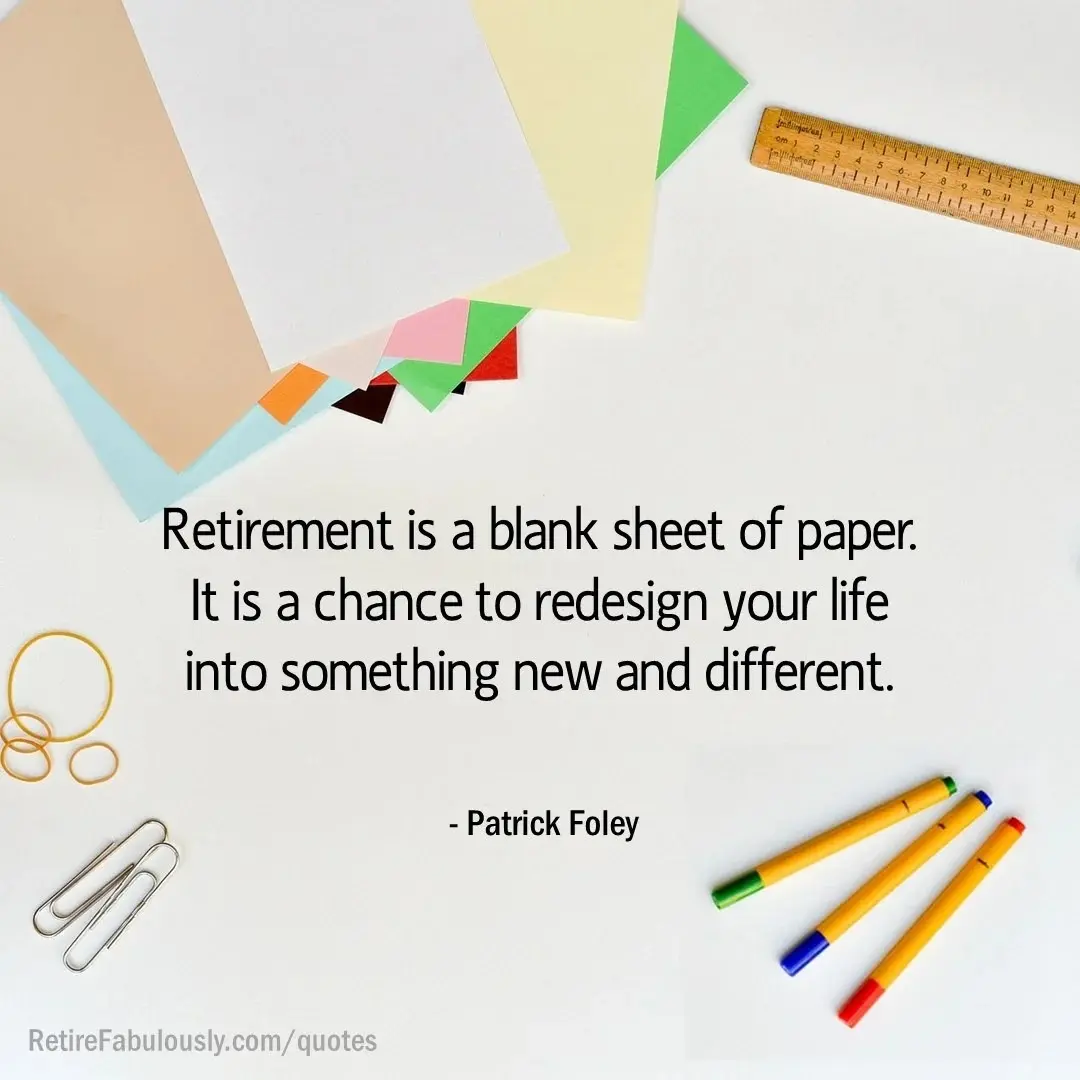
In the early months of the public health crisis, sweeping lockdowns brought global mobility to a near-halt. For retirees—many of whom had spent decades meticulously managing packed schedules filled with corporate commitments, volunteer work, social clubs, and travel—the sudden cancellation of all external obligations produced a jarring yet surprisingly tranquil silence. Calendars that were once color-coded and tightly controlled suddenly resembled blank white marker boards.
Initially, many individuals reported a strange sense of relief in the absence of societal pressure to "be busy." Yet, this tranquility was undergirded by anxiety, isolation, and the abrupt cessation of vital social anchors, such as family gatherings, theater outings, sporting events, and community volunteering.

Phase 2: Adaptation, Habit Formation, and Fatigue (Autumn 2020 – Winter 2021)
As the pandemic stretched from weeks into months, populations adapted. Individuals forged new routines within the confines of their homes. For many older adults, this period was characterized by a paradoxical mix of positive lifestyle modifications and stress-induced coping mechanisms. On one hand, people forged deeper connections with immediate family members via digital channels, increased their physical activity through neighborhood walks, embraced the outdoors, and honed culinary skills by cooking at home.
On the other hand, the prolonged isolation and psychological toll—often termed pandemic ennui—led to sedentary habits, increased snacking, higher alcohol consumption, and bouts of idle procrastination. During this phase, survival and emotional coping superseded long-term planning.
Phase 3: The Vaccine Milestone and the Urgency of Reflection (Spring 2021)
By mid-April 2021, the widespread administration of vaccines injected a tangible sense of hope into the older demographic, who were prioritized in early rollout phases. As immunity levels rose and the prospect of re-engaging with the world materialized, a critical psychological pivot occurred.

People began asking a fundamental question: Now that we can return to the world, do we actually want to return to the exact life we left behind? This realization transformed the reopening process from an automatic restoration of old habits into an intentional choice. Tasks and projects that had been deferred for "someday"—such as digitizing old vinyl records or converting VHS tapes—were re-examined. Many realized that if a deferred project had languished untouched even after a year of abundant free time, the underlying desire to complete it was likely non-existent, prompting a healthy pruning of mental and physical to-do lists.
Supporting Context & Metrics: The Shifting Demographics and Psychology of Aging
The urge to reset retirement is supported by broader socio-economic and psychological trends accelerated by the pandemic.
The Longevity Dividend and Time Scarcity
Retirement is no longer viewed as a static endpoint characterized by rocking chairs and disengagement, but rather as a dynamic, potentially multi-decade phase of personal reinvention. However, the mortality salience introduced by COVID-19 sharply concentrated the human awareness of time. The pervasive cultural sentiment that "life is too short" shifted from a philosophical platitude to an urgent operational metric. Retirees began viewing their remaining years through a lens of scarcity, demanding higher returns on emotional investment for every activity and relationship they maintain.

The Myth of the "Busy" Retirement
For generations, modern retirement culture has implicitly encouraged individuals to stay perpetually busy—filling their schedules with hobbies, part-time consulting, travel, and civic duties to replace the structure of a career. The pandemic challenged this paradigm. Many retirees discovered that an emptier calendar did not equate to emptiness in life; rather, it provided space for contemplation, rest, and unhurried human connection. Consequently, a growing segment of the aging population is resisting the temptation to refill their schedules to pre-pandemic capacity, opting instead for a deliberate "slow-pace" lifestyle.
Official Perspectives and Expert Insights
Behavioral psychologists, retirement coaches, and gerontologists have increasingly emphasized that life transitions require periodic calibration.
Industry thought leaders note that retirement is inherently an exercise in self-design. When individuals leave the structured environment of the workforce, they lose an imposed identity and schedule. The initial years of retirement often involve experimenting with freedom. The pandemic served as a universal, macro-level interruption of those experiments, forcing a second wave of self-discovery.

Experts suggest that successful retirement is not measured by the sheer volume of activities pursued, but by alignment between personal values and daily actions. The forced minimalism of lockdown conditions acted as a natural filter, stripping away social obligations and commitments that were sustained merely out of habit or social obligation rather than genuine passion.
The Retirement Reset Framework: 10 Essential Questions
For those looking to capitalize on this historical moment to reshape their post-work lives, experts recommend structured introspection. The following ten diagnostic questions serve as an invaluable toolkit for individuals—and couples—seeking to audit their priorities and design a more fulfilling retirement:
- Do you want to return to living your life precisely as you did before the pandemic?
- Consider whether the pre-pandemic rush brought genuine joy or mere momentum.
- Which people did you miss the most, and which relationships naturally declined in importance?
- Identify your core emotional circle and release the guilt of letting superficial ties fade.
- What activities did you miss, and what did you discover that you don’t actually miss at all?
- Differentiate between activities you love and those you felt socially obligated to attend.
- Which positive habits developed during the pandemic do you want to keep?
- Lock in beneficial routines, such as daily outdoor walks, home-cooked meals, or regular family check-ins.
- Which unhealthy habits do you want to eliminate or replace?
- Consciously dismantle coping mechanisms born of stress, such as excessive screen time or sedentary snacking.
- What have you learned about your psychological resilience and personal needs this past year?
- Acknowledge your capacity to adapt, cope, and find contentment in solitude or simplicity.
- As you look toward the future, how have your core priorities shifted?
- Evaluate whether material accumulation, travel, health, or creative pursuits now take precedence.
- Does your "bucket list" or long-term agenda require revision?
- Discard lingering "someday" projects that no longer spark genuine enthusiasm.
- Do you prefer a slower pace with an open calendar, or are you eager to return to a packed schedule?
- Honor your true temperament rather than conforming to external expectations of retirement busyness.
- Has the awareness of life’s fragility instilled a stronger sense of purpose in your daily choices?
- Channel the urgency of the moment into meaningful contributions, creative outlets, or deep personal connections.
Future Outlook: Embracing Intentional Longevity
As society consolidates the lessons of the past few years, the concept of retirement is undergoing a permanent evolution. The "retirement reset" is not a temporary reaction to a health crisis, but a pioneering movement toward intentional longevity.

By utilizing the blank slate provided by the pandemic’s disruption, older adults have a rare historical opportunity to curate their remaining decades with unprecedented clarity and wisdom. Whether choosing a quieter daily rhythm, forging deeper bonds with select loved ones, or discarding obsolete ambitions, the post-pandemic retiree is uniquely positioned to design a life defined not by what they must do, but by what truly matters.

0 Comments