
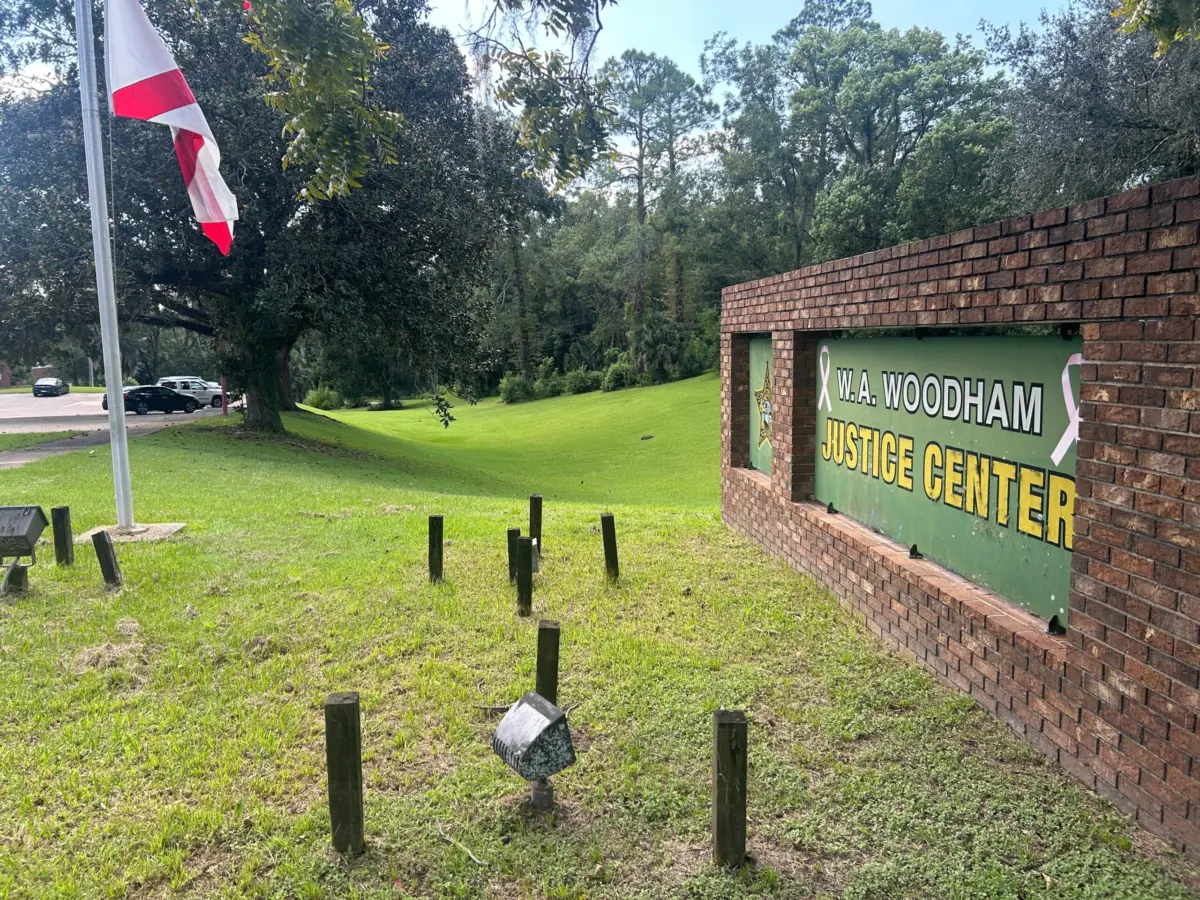

Executive Overview
Gadsden County, Florida, is facing a wave of public scrutiny following the revelation that a major cybersecurity incident at the Gadsden County Sheriff’s Office (GCSO) severely disrupted local government accountability procedures. The digital breach, which occurred in December of the previous year, compromised a critical portion of the agency’s information technology infrastructure, resulting in the sudden loss of essential financial reporting data.
The fallout from this incident crippled the sheriff’s office’s ability to compile and submit required financial documents for the annual county audit. According to independent auditor Ryan Tucker, who presented his findings during a regular meeting of the Gadsden County Board of County Commissioners, the GCSO’s financial documents were turned in a staggering nine months past the established county deadline. This cascading delay ultimately resulted in the entire county submitting its comprehensive annual audit to the state two months late.
While state authorities have indicated that Gadsden County will not face financial penalties or funding reductions for the minor delay, the incident has exposed significant vulnerabilities within local government cybersecurity, IT resilience, and internal staffing structures. Beyond the technical breach, the audit revealed that the sheriff’s office has been plagued by a persistent "lack of sufficient staffing" within its accounting division. Compounded by a reluctance from law enforcement officials to grant media interviews—citing an active investigation—the situation has left residents, commissioners, and taxpayers demanding greater transparency, stronger digital safeguards, and comprehensive administrative reform to prevent similar crises in the future.
Detailed Chronology of Events
The unfolding crisis is marked by a timeline of technical failures, missed deadlines, and delayed public disclosures that stretch across multiple quarters.
December: The Breach
The underlying catalyst for the audit disaster occurred in December, when the Gadsden County Sheriff’s Office experienced what external investigators and county officials have officially classified as a "cybersecurity incident." According to preliminary technical assessments, the breach penetrated and compromised a substantial portion of the agency’s internal information technology infrastructure.
While the exact nature of the cyberattack—whether ransomware, a targeted network intrusion, or unauthorized data encryption—has not been publicly detailed due to ongoing security investigations, the practical impact was immediate and destructive. Financial reporting documents, historical records, and day-to-day accounting ledgers housed within the compromised digital environment were effectively wiped out or rendered inaccessible.
The Months of Silence and Compounding Delays
In the immediate aftermath of the breach, the GCSO struggled to restore its operations while simultaneously attempting to reconstruct its lost financial records. However, the agency was severely hampered by internal resource constraints, specifically a shortage of qualified personnel in the accounting department.
As months passed, the internal deadlines established by Gadsden County for the collection of agency-wide financial statements quietly slipped away. While other municipal departments managed to submit their documentation on schedule, the sheriff’s office lagged severely behind. Despite the growing window of delay, the full extent of the technological compromise and its implications for the county’s fiscal standing were not widely communicated to the Board of County Commissioners or the tax-paying public as the events unfolded in real-time.
Monday: The Auditor’s Revelation
The full magnitude of the delay came to light on a Monday, when independent county auditor Ryan Tucker stood before the Gadsden County Board of County Commissioners to deliver his annual report. Tucker formally disclosed that the GCSO’s financial submissions were delayed by a remarkable nine months beyond the county’s internal deadline.
This localized bottleneck had a domino effect on the broader municipal reporting structure. Because the county could not finalize its financial ledger without the sheriff’s data, the submission of Gadsden County’s overall annual audit to the State of Florida was pushed two months past the statutory June 30 deadline. The presentation caught several commissioners off guard, instantly thrusting the sheriff’s office’s digital security posture into the local political spotlight.
Supporting Context & Metrics: The Financial and Structural Impact
While the operational headache for local administrators has been severe, the wider fiscal and regulatory implications require careful examination of the metrics, deadlines, and vulnerabilities identified in the audit.
Understanding the Deadlines and State Thresholds
Under Florida administrative code and county oversight rules, local governments are held to strict reporting schedules. For Gadsden County, the benchmark date for submitting the completed, comprehensive annual financial audit to the state is June 30.
In this instance, the county crossed the finish line roughly two months late. Auditor Ryan Tucker was quick to reassure commissioners that this specific delay did not cross the threshold into punitive territory.
"We’re a couple months late here, from the June 30 deadline. But, it doesn’t sound like it’s going to cause a major issue," Tucker told the board. "If you were to become many, many months late, even a year late, then you could be threatened with a reduction of state funding."
While Gadsden County narrowly avoided the catastrophic loss of state grants and operational subsidies, the margin for error was razor-thin. A delay of this magnitude places unnecessary administrative stress on local government bodies and risks drawing heightened regulatory scrutiny from state oversight agencies in future fiscal cycles.
The True Cost of the Cyber Incident
One of the most troubling revelations within Tucker’s audit report is the complete lack of financial visibility regarding the incident. According to the audit findings, it is currently impossible to determine the true monetary cost of the cyber breach.
This fiscal blindness stems from several factors:
- Compromised Log Files: Essential server and network logs detailing the scope of the breach were corrupted or destroyed during the attack.
- Diverted Staff Hours: The labor hours expended by internal staff and external IT consultants to recover lost data, patch vulnerabilities, and reconstruct ledgers have not been fully quantified.
- Unmeasured External Consulting Fees: The cost of hiring specialized cybersecurity response teams to investigate the origin and breadth of the intrusion remains unaccounted for in public ledger summaries.
Staffing Shortages as a Vulnerability Multiplier
The cybersecurity breach did not occur in a vacuum; it collided with pre-existing organizational vulnerabilities. The audit explicitly highlights a "lack of sufficient staffing" within the GCSO accounting department as a major contributing factor to the protracted delay.
In modern administrative environments, robust financial controls rely on a segregation of duties, regular data backups, and routine reconciliation processes. When an agency operates with stretched staffing levels:
- Employees are forced to prioritize day-to-day operational tasks over long-term data preservation and archiving.
- Routine IT maintenance and system patching can be delayed or overlooked due to human bandwidth limitations.
- Recovery efforts following a disaster are severely bottlenecked by a lack of trained hands to manually reconstruct lost spreadsheets and databases.
Official Statements and Institutional Response
As the findings of the audit ripple through the community, the response from local authorities has been characterized by institutional silence from the law enforcement agency at the center of the controversy, contrasted with proactive recommendations from independent fiscal monitors.
The Sheriff’s Office Declines Comment
In an effort to provide balanced coverage and seek accountability, local media outlet WCTV reached out to the Gadsden County Sheriff’s Office to request an on-the-record interview regarding the cybersecurity breach, the lost financial reports, and the subsequent audit delays.
The agency declined the interview request, issuing a brief statement noting that they could not comment due to an "active investigation." While law enforcement agencies routinely invoke investigative confidentiality when dealing with active cybercrimes—particularly when attempting to trace sophisticated threat actors, ransomware syndicates, or internal security breaches—the lack of communication has fueled public speculation and frustration among county residents who expect transparency regarding public safety infrastructure.
Recommendations from the Auditor’s Office
Rather than simply highlighting past failures, Ryan Tucker and his team laid out a concrete, actionable roadmap designed to insulate the Gadsden County Sheriff’s Office from future technological disruptions. The primary recommendations detailed in the audit report include:
- Cloud Migration of Accounting Systems: The audit strongly advises the GCSO to transition its core accounting and financial reporting software away from legacy, on-premise servers and into secure, enterprise-grade cloud environments. Cloud infrastructure offers automated daily backups, advanced multi-factor authentication, and robust disaster recovery protocols that far exceed the capabilities of localized, agency-managed hardware.
- Comprehensive Staffing Assessments: The sheriff’s office has been urged to immediately evaluate its human resource needs within the financial division, addressing the chronic shortages that crippled their ability to recover from the breach in a timely manner.
- Structured Closing and Recovery Frameworks: The county recommended the creation of a formalized, highly detailed operational plan. This plan must incorporate fixed, scheduled calendar dates for the year-end closing process, alongside a tested, redundant disaster recovery plan specifically earmarked for financial records.
Future Outlook: Securing Gadsden County’s Digital Infrastructure
The cybersecurity crisis at the Gadsden County Sheriff’s Office serves as a stark wake-up call not only for local law enforcement agencies across Florida, but for municipal governments nationwide. As local administrative bodies increasingly digitize their records, payroll systems, and law enforcement databases, they simultaneously expand their attack surface for malicious cyber actors.
Moving forward, the Gadsden County Board of County Commissioners faces the delicate task of balancing budgetary allocations with necessary technological upgrades. Commissioners must decide whether to mandate compliance with the independent auditor’s recommendations or provide direct funding assistance to help the sheriff’s office migrate its sensitive data to secure cloud environments.
For residents of Gadsden County, the incident underscores the vital importance of institutional resilience. While the immediate threat of lost state funding has been averted, restoring public trust will require the Gadsden County Sheriff’s Office to eventually shed light on the lessons learned from the December breach once their active investigation concludes. Only through transparent communication, modernized digital infrastructure, and fully staffed administrative departments can Gadsden County ensure that its future financial audits—and public safety networks—remain secure against the evolving threats of the digital age.

0 Comments