
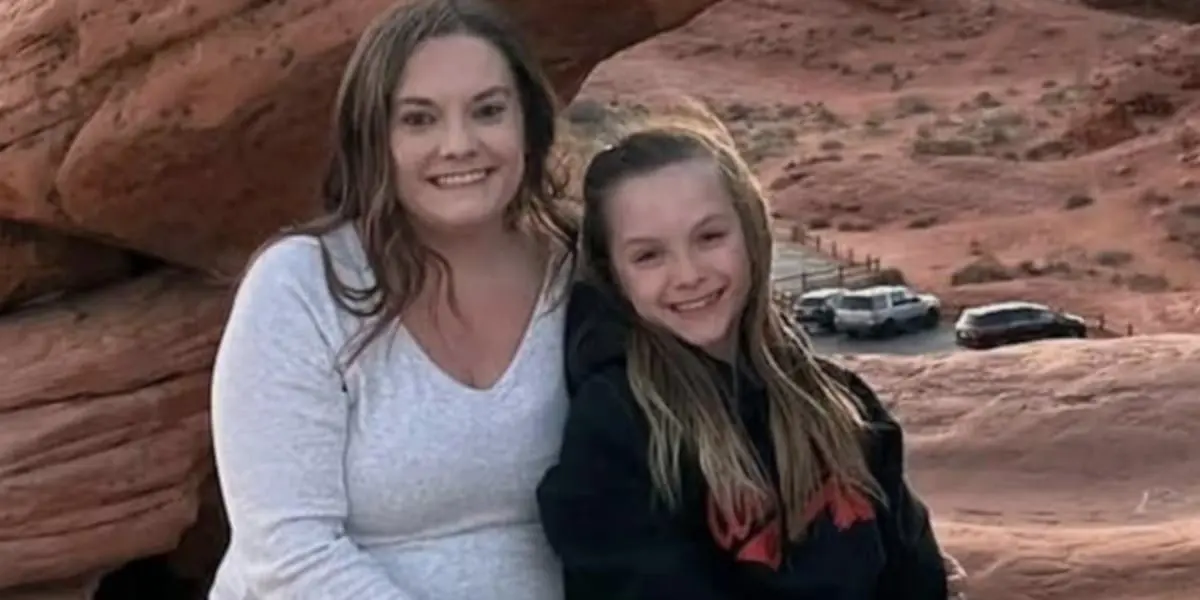

LAS VEGAS — Newly unsealed investigative records and Clark County coroner documents have provided a harrowing, detailed account of the tragic deaths of a Utah mother and her 11-year-old daughter inside a Las Vegas hotel room earlier this year.
The incident, which initially sent shockwaves through a tight-knit competitive cheerleading community in Utah, has now yielded deeper insights into the mental health struggles and protracted legal battles that preceded the devastating event. Investigators’ findings reveal a meticulously planned sequence of actions, the presence of multiple pharmacological substances, and warning signs that tragically went unanswered until it was too late.
Executive Overview
On February 15, 34-year-old Tawnia McGeehan and her 11-year-old daughter, Addi Smith, were discovered deceased inside their room at the Rio Hotel & Casino in Las Vegas. The mother and daughter had traveled from Utah two days prior so that Addi could participate in a regional cheerleading tournament alongside her team, Utah Xtreme Cheer.
When Addi failed to appear at the scheduled competition and family members were entirely unable to establish contact with McGeehan, growing concern prompted a request for a welfare check. What began as a routine safety check by local law enforcement ultimately escalated into a grim crime scene investigation.
According to official reports, hotel security eventually breached the barricaded room to find a warning note left by McGeehan, alerting anyone entering to the presence of two bodies. The Clark County Coroner’s Office subsequently ruled McGeehan’s death a suicide, attributing it to a gunshot wound to the head, while investigators uncovered evidence suggesting the young girl had been heavily medicated prior to the incident.
Subsequent reviews of court documents and interviews with relatives have brought to light a complex backdrop of severe personal distress, including an ongoing, high-conflict custody dispute that had spanned the entirety of the child’s life.
Detailed Chronology of Events
February 13: Arrival in Las Vegas
The journey began with what should have been an exciting weekend for a young athlete. On Friday, February 13, Tawnia McGeehan and Addi Smith arrived in Las Vegas from Utah. Addi, an enthusiastic participant in competitive cheerleading, was scheduled to perform with the Utah Xtreme Cheer team at a heavily attended regional tournament. For the outside observer, the trip appeared to be a standard athletic excursion—a mother supporting her daughter’s passion.
However, behind closed doors, underlying stressors were mounting. Investigators would later piece together that the trip served as the backdrop for a catastrophic emotional crisis.
February 15: The Welfare Check and Discovery
By Sunday, February 15, alarm bells were ringing among family members back in Utah. Addi had uncharacteristically missed her scheduled appearance at the cheerleading competition, and repeated phone calls to McGeehan’s mobile device went straight to voicemail.
At approximately 11:44 a.m., local law enforcement officers arrived at the Rio Hotel & Casino to conduct an initial welfare check on the room. According to police logs, the officers knocked on the door, received no response or indication of activity from within, and subsequently departed, unaware of the tragedy unfolding just inches away.
As hours passed and family members continued to press for answers, hotel personnel stepped in to re-evaluate the situation. Clark County coroner’s records show that hotel security eventually forced entry into the room.
Upon pushing the door open, security personnel encountered an immediate physical barrier: a heavy chair had been wedged tightly beneath the handle to block entry. Taped prominently to the back of the chair was a handwritten note authored by McGeehan. The chilling message instructed anyone attempting to enter:
"Call 911 before walking in. Two dead bodies and one is an 11-year-old."
Emergency medical services and police were immediately dispatched. Both McGeehan and Addi were officially pronounced dead at the scene at 7:15 p.m.
Forensic Findings and Investigative Discoveries
The subsequent crime scene investigation conducted by the Las Vegas Metropolitan Police Department and the Clark County Coroner’s Office uncovered a disturbing array of physical evidence detailing the final hours inside the hotel room.
Pharmaceutical Evidence and Toxicology
According to investigative files, detectives recovered a significant volume of prescription and over-the-counter substances scattered throughout the room. Among the items logged into evidence were:
- Multiple prescription medication bottles bearing Tawnia McGeehan’s name.
- Over-the-counter sleep aids.
- THC cannabis-infused gummies.
- Empty gabapentin capsules.
- A drinking cup containing an unidentified white residue left inside the room’s trash receptacle.
Further inspection of the scene revealed additional handwritten notes penned by McGeehan. These documents indicated that Addi’s cell phone had deliberately been left unlocked, displaying open photo and video files. Furthermore, the notes explicitly stated that the 11-year-old girl had been "very medicated" prior to the fatal events.
Ballistics and Room Layout
In addition to the pharmaceutical items, investigators recovered a semi-automatic handgun from the room. Ballistics and medical examiner findings ultimately confirmed that McGeehan died from a single self-inflicted gunshot wound to the head. The physical layout of the room—featuring the chair barricade and explicit warning signage—demonstrated a high degree of premeditation.
Supporting Context, Family Dynamics, and Legal Background
To understand the catalysts behind the tragedy, investigators delved deeply into McGeehan’s personal history, mental health struggles, and legal battles.
The Custody Dispute
Interviews with grieving relatives revealed that McGeehan had been suffering from severe, debilitating depression for an extended period. Family members pointed to a primary source of chronic psychological strain: a prolonged, high-conflict custody battle involving Addi’s father that had persisted for over a decade.
Public court records corroborate the family’s accounts, showing that the legal struggle between the parents began when Addi was merely a toddler. The case involved intense legal maneuvers and emotional turbulence over the years. Notably, court documents show that McGeehan temporarily lost custody of her daughter in 2020 following judicial concerns regarding parental alienation and domestic conduct.
Although the parents eventually managed to navigate the court system to establish a joint custody agreement in 2024, the years of litigation, emotional exhaustion, and underlying anxieties appeared to have taken a severe toll on McGeehan’s mental well-being. Friends and family noted that the constant friction of co-parenting under strained circumstances left the mother feeling isolated and overwhelmed.
Official Statements and Institutional Response
The news of the tragedy sent ripples of profound grief and shock across the state of Utah, particularly within the athletic and academic communities where young Addi Smith was known.
Representatives from Utah Xtreme Cheer released statements expressing their devastation over the loss of a bright, dedicated young team member. Coaches and teammates remembered Addi as a vibrant, enthusiastic presence who brought energy and positivity to practices and competitions.
Local authorities in Las Vegas and Utah have emphasized the importance of community vigilance regarding mental health crises. While the investigation into the exact timeline and pharmacological findings has largely concluded with the release of the coroner’s report, the case has reignited urgent public discussions surrounding the intersection of domestic custody disputes, systemic family court stress, and accessible mental health intervention.
If you or someone you know is struggling with depression, suicidal thoughts, or a mental health crisis, confidential support is available 24/7. In the United States, you can call or text 988 to reach the Suicide & Crisis Lifeline, or text HOME to 741741 to connect with the Crisis Text Line.
Future Outlook and Ongoing Advocacy
As the legal and administrative processes surrounding the case draw to a close, the broader implications of McGeehan and Smith’s deaths continue to resonate. Family law advocates and mental health professionals are utilizing the tragedy to underscore systemic vulnerabilities within high-conflict domestic litigation.
Legal scholars point out that protracted custody disputes can create environments of extreme psychological isolation for parents, occasionally culminating in catastrophic outcomes if adequate mental health support systems are not integrated into family court proceedings. Moving forward, community leaders and advocacy groups in Utah and Nevada are calling for:
- Enhanced mental health screening and mandatory counseling resources for parents embroiled in multi-year custody battles.
- Increased awareness training for youth sports organizations and school networks to recognize early behavioral indicators of parental distress.
- Expanded institutional frameworks to ensure that welfare checks conducted by law enforcement are met with standardized protocols when initial door knocks go unanswered.
While nothing can undo the profound loss experienced by Addi Smith’s family and loved ones, the painful documentation of these events serves as a stark reminder of the critical need for proactive mental health intervention, comprehensive support structures for families under legal strain, and open dialogue surrounding the silent struggles faced by parents and children alike.

0 Comments