

Executive Overview
The journey of aging is far from monolithic; it is a complex, deeply personal transition that spans biological shifts, psychological hurdles, and historical milestones. In the latest comprehensive episode of Aging Untold, creators and experts dissect the hidden dimensions of growing older, challenging conventional assumptions about health, possessions, identity, and the extraordinary contributions of past generations.
At the forefront of this episode is a critical medical revelation: the pervasive misunderstanding of thyroid health among older adults. Often masked as the inevitable decline of aging, chronic symptoms like fatigue, memory slips, and weight fluctuations are frequently misdiagnosed or dismissed based on standard, overly broad laboratory parameters. Complementing this clinical deep-dive, the program explores the intricate, highly emotional landscape of estate sales—demystifying when and how to downsize without succumbing to emotional paralysis.
Shifting from domestic life to personal reinvention, the episode investigates a striking cultural shift: the surging demand for laser tattoo removal among aging populations eager to shed youthful indiscretions. Finally, the program journeys back to the European theater of World War II, unearthing the breathtaking, long-classified history of the "Ghost Army"—a tactical deception unit comprised of artists, actors, and engineers whose creative ingenuity saved tens of thousands of lives through illusions rather than ammunition.
Together, these disparate threads weave a cohesive narrative about visibility, transformation, and the importance of looking past surface-level assumptions—whether evaluating a standard blood panel, clearing out a family home, erasing a youthful tattoo, or recognizing a clandestine military unit that history almost forgot.
Detailed Chronology: Segment by Segment
1. The Thyroid Paradox: Beyond Standard Lab Results
The episode opens with an urgent medical inquiry into why so many aging individuals accept debilitating physical and cognitive symptoms as a natural consequence of growing older. Memory lapses, unexplained weight gain, and profound, lingering exhaustion are frequently swept under the rug by both patients and primary care physicians as mere signs of senescence.
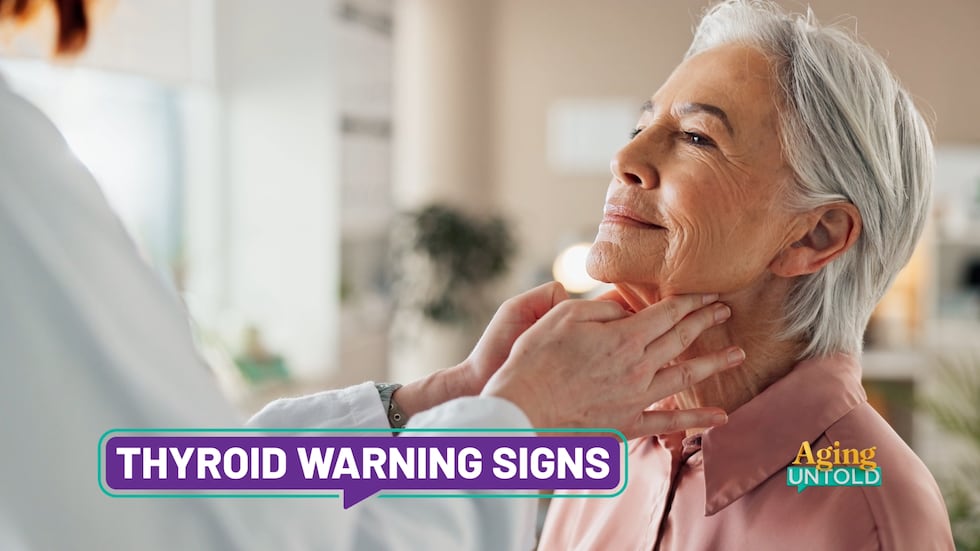
According to board-certified physician Dr. Rhea Rogers, this casual dismissal can be profoundly damaging. The thyroid gland—a small, butterfly-shaped organ located at the base of the neck—exerts a staggering level of control over human physiology. "The thyroid influences nearly every cell in the body in some way or form," Dr. Rogers explains.
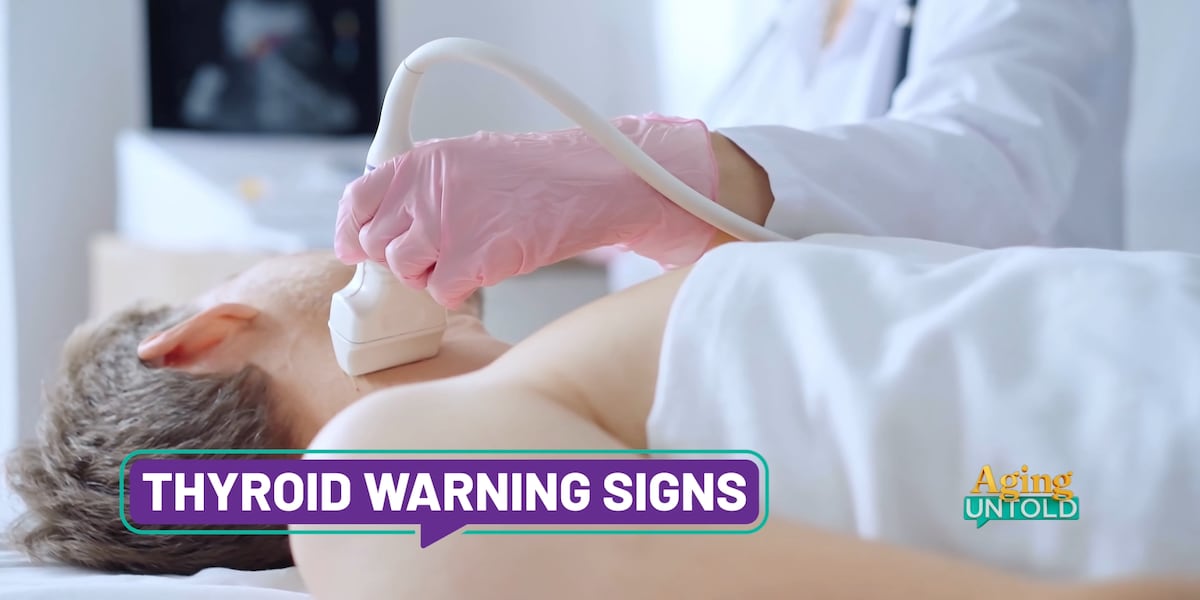
The crux of the issue lies in the interpretation of routine diagnostic testing. Millions of patients receive "normal" thyroid-stimulating hormone (TSH) lab results, yet continue to suffer from hallmark symptoms of hypothyroidism. Dr. Rogers emphasizes that standard reference ranges are often too broad, failing to account for individual baselines, optimal hormone conversion, or subclinical thyroid disorders. Consequently, patients are left navigating a frustrating medical labyrinth, suffering from preventable metabolic and cognitive decline simply because a lab report declared them "normal."
2. Navigating the Emotional Labyrinth of Estate Sales
Transitioning from clinical health to domestic reality, the episode tackles the overwhelming process of downsizing and hosting an estate sale. For many older adults and their families, sorting through a lifetime of accumulated possessions is less of a logistical chore and more of an emotional excavation. Every piece of furniture, photograph, and knick-knack holds a memory, making the prospect of letting go paralyzing.
Aging expert Amy O’Rourke suggests that the first step in preparing for an estate sale is an internal inventory. Individuals must confront their emotional readiness, assessing whether they are genuinely prepared to part with physical anchors to their past. Rushing into the process without psychological preparation often leads to decision fatigue, family conflict, or abrupt emotional withdrawals.
Echoing this sentiment, aging-well coach Katherine Ambrose notes that very few people ever feel fully prepared to dismantle a household. Furthermore, she warns that extending the timeline indefinitely—waiting for the "perfect" moment—is often a defense mechanism designed to avoid the reality of transition altogether. Ambrose and O’Rourke advise families to start early, communicate transparently, involve multiple generations in the curation process, and meticulously inspect hidden spaces—such as curtain hems, furniture cushions, and forgotten closets—before handing the home over to liquidators.
3. The Cultural Reckoning of Tattoo Removal in Later Life
In a fascinating sociological shift, Aging Untold examines the intersection of body modification and aging. According to a landmark 2023 Pew Research Center study, nearly a third of all Americans now sport at least one tattoo, including 13% of the Baby Boomer generation. However, as these demographics age, a growing contingent of older adults are finding that the ink they proudly wore decades ago no longer aligns with their current identity, professional standing, or aesthetic preferences.
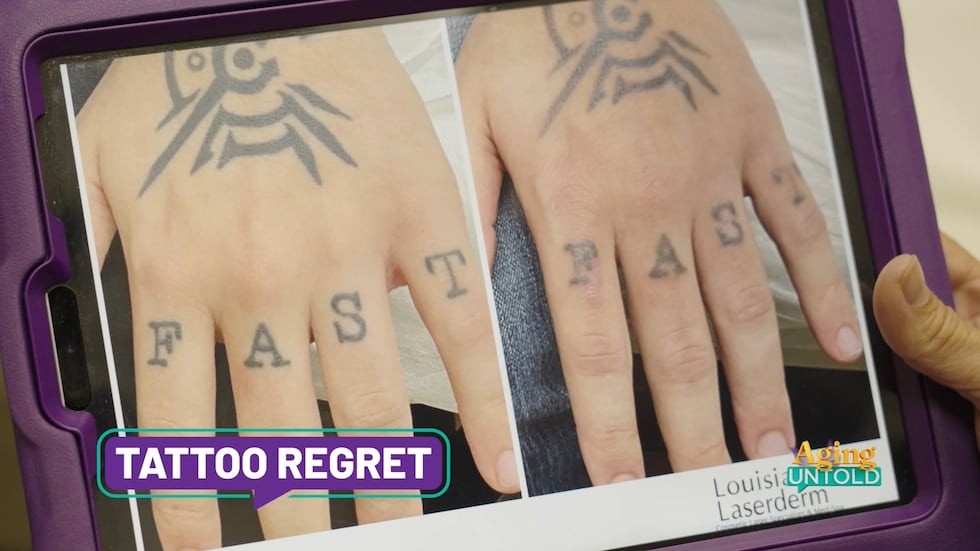
Abbie Woodard, owner of Louisiana Laserderm, has observed this trend firsthand. Her clinic has experienced a steady surge in clients seeking to erase tattoos acquired during their youth.
"Most people’s tattoos that we remove are from the ages of 16 to 22," Woodard observes, capturing a psychological milestone experienced by many. "And then I feel like something switches in your brain."
The segment breaks down the science behind modern laser tattoo removal, illustrating how concentrated light energy penetrates the skin to rapidly shatter dense ink molecules into microscopic particles that the body’s lymphatic system can safely flush away. It highlights a broader cultural acceptance of reinvention, proving that personal expression does not have to remain static across a lifetime.
4. The "Ghost Army": World War II’s Masters of Illusion
The emotional and historical climax of the episode transports viewers back to the European theater of World War II to reveal one of the conflict’s most closely guarded secrets: the existence and operations of the 23rd Headquarters Special Troops, widely known as the "Ghost Army."
Composed of approximately 1,100 men—many of whom were recruited directly from art schools, advertising agencies, theater companies, and engineering firms—this top-secret tactical deception unit was tasked with a surreal mission: to impersonate entire U.S. Army divisions to deceive German reconnaissance and intelligence.
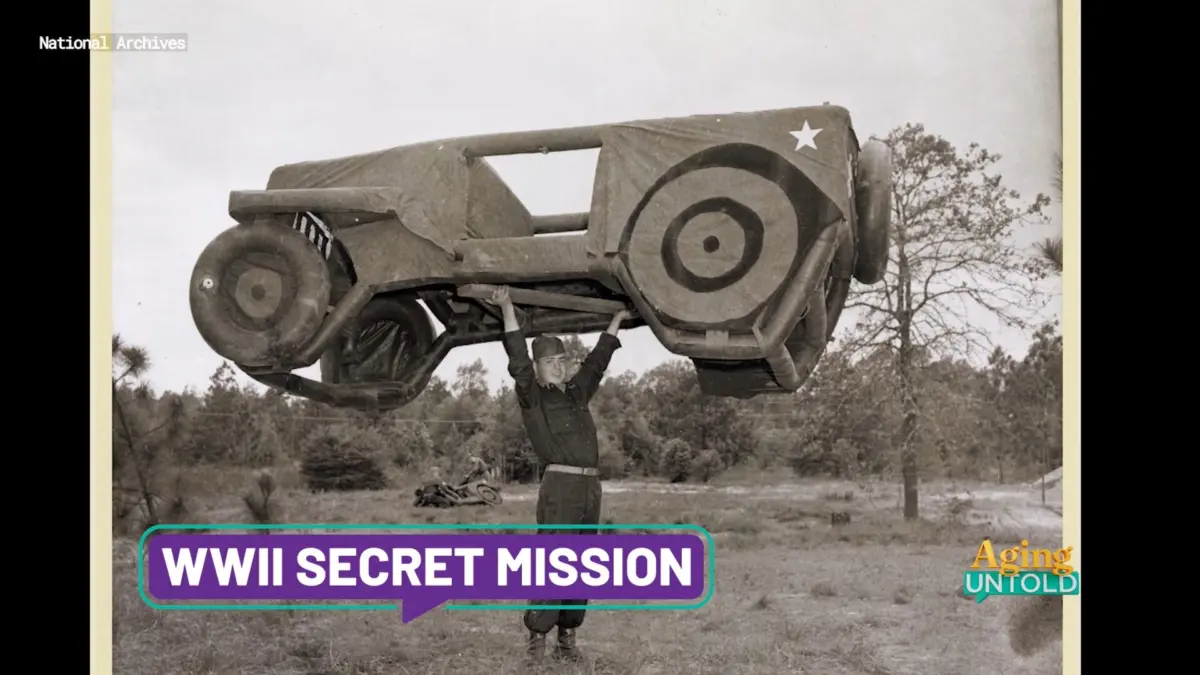
Rather than relying strictly on firepower, the Ghost Army utilized an arsenal of theatrical ingenuity. They deployed inflatable rubber tanks and trucks, broadcasted meticulously recorded sound effects of troop movements over massive audio speakers that could be heard miles away, simulated radio traffic chatter, and used sophisticated camouflage to create the illusion of massive combat power where none existed.
Operating on the front lines across Europe, these soldiers staged over 20 deceptive operations, often drawing enemy fire away from actual, vulnerable Allied units. Historians estimate that their creative deceptions saved upwards of 30,000 American and Allied lives. Because their missions remained classified for decades after the war’s conclusion, many of these artists and performers took their extraordinary stories to their graves, leaving their families entirely unaware of their heroic contributions until recent declassifications brought their legacy to light.

Supporting Context & Metrics
To contextualize the themes explored in this episode, several key metrics and historical data points illuminate the broader societal impact of these issues:
- Thyroid Health Disparities: Clinical estimates suggest that millions of Americans suffer from undiagnosed or subclinical thyroid dysfunction, with women over the age of 50 facing the highest risk. Misattribution of symptoms to normal aging often leads to delayed diagnoses of hypothyroidism or Hashimoto’s disease.
- The Longevity and Downsizing Boom: With the oldest members of the Baby Boomer generation well into their late 70s, the demand for senior relocation services, estate planning, and professional downsizing has reached an all-time high, fundamentally altering the residential real estate and antique markets.
- Tattoo Demographics: Pew Research data highlights that body art is no longer the exclusive domain of younger generations. While 32% of all U.S. adults have a tattoo—including nearly half of Millennials and Gen Z—the inclusion of 13% of Baby Boomers demonstrates a lasting generational shift in cultural attitudes toward bodily autonomy and self-expression.
- Historical Recognition: The Ghost Army was officially awarded the Congressional Gold Medal in 2022, decades after their service, honoring their vital role in securing Allied victory through psychological warfare and tactical deception.
Official Statements and Expert Insights
The episode draws authority from several distinguished practitioners and advocates:
- Dr. Rhea Rogers, Board-Certified Physician: Emphasizing the systemic reach of endocrine health, Dr. Rogers notes that the thyroid "influences nearly every cell in the body in some way or form," warning patients not to rely blindly on standard laboratory thresholds when evaluating chronic fatigue and cognitive fog.
- Amy O’Rourke, Aging Expert: Advising families navigating property liquidation, O’Rourke stresses the necessity of emotional introspection, noting that successful estate transitions require individuals to honestly evaluate their readiness to part with physical pieces of their personal history.
- Katherine Ambrose, Aging-Well Coach: Addressing the common tendency to procrastinate during life transitions, Ambrose points out that "few people ever feel fully prepared," and cautions that elongated timelines are frequently utilized as psychological avoidance tactics.
- Abbie Woodard, Louisiana Laserderm: Offering perspective on generational shifts in body modification, Woodard identifies a psychological turning point in her clients, noting that the desire to remove tattoos acquired between the ages of 16 and 22 often arises when individuals experience a profound evolution in self-identity later in life.
Future Outlook
As society navigates an aging population, the themes highlighted in Aging Untold point toward critical shifts in healthcare, lifestyle management, and historical appreciation.
In the medical sphere, the pushback against rigid "normal" lab ranges signals a necessary evolution toward personalized, functional endocrinology. Healthcare providers are increasingly recognizing that older adults deserve rigorous diagnostic evaluations rather than having systemic conditions brushed aside as inevitable byproducts of aging.
Culturally, the normalization of downsizing, estate curation, and personal reinvention—exemplified by the rising demand for tattoo removal among older demographics—underscores a growing desire for intentional living. People are actively choosing to curate their physical environments and bodily presentations to reflect who they are today, rather than who they were decades ago.
Finally, the delayed public recognition of the Ghost Army serves as a powerful reminder of the countless untold stories embedded within aging populations. As historians continue to unearth classified archives and oral histories from the greatest generation, society is reminded that courage and heroism manifest in many forms—sometimes wielding a paintbrush, a speaker system, or an inflatable tank just as effectively as a weapon.
Disclaimer: This program is provided for educational and informational purposes only and does not constitute providing medical advice or professional services. The information provided should not be used for diagnosing or treating a health problem or disease, and those seeking personal medical advice should consult with a licensed physician. Always seek the advice of your doctor or other qualified health provider regarding a medical condition. Never disregard professional medical advice or delay in seeking it because of something you have seen on this program. If you think you may have a medical emergency, call 911 or go to the nearest emergency room immediately. No physician-patient relationship is created by this program or its use. Aging Untold/Gray Media, nor its employees, contractors or agents, nor any contributor to this program, makes any representations, express or implied, with respect to the information provided herein or to its use.
Copyright 2026 Gray Media Group, Inc. All Rights Reserved.

0 Comments