

Executive Overview
The modern real estate ecosystem within the state of Florida is defined by its dynamism, rapid population growth, competitive inventory dynamics, and the critical role played by licensed professionals. In metropolitan hubs and suburban sub-markets alike—such as the greater Tampa Bay area—navigating property acquisition, residential sales, and real estate investment requires a high degree of local market intelligence, regulatory navigation, and unwavering professionalism.
Within this bustling economic corridor, real estate professionals serve as vital intermediaries connecting buyers, sellers, investors, and developers. Among the dedicated practitioners operating within this region is Jay Quigley, an affiliated agent with Florida Executive Realty based in Tampa, Florida. Operating under the auspices of the Suncoast Tampa Association of Realtors, professionals like Quigley represent the frontline of the residential housing market, helping clients interpret shifting macroeconomic indicators, mortgage rate fluctuations, and neighborhood-specific valuation trends.
This report provides an in-depth examination of the operational profile of Jay Quigley within the context of the broader Florida real estate market. By examining his institutional affiliations—specifically with Florida Executive Realty and the Suncoast Tampa Association of Realtors—alongside broader structural trends shaping the Hillsborough County and greater Tampa Bay housing markets, this article offers a comprehensive overview of what it takes to succeed in one of the nation’s most active property landscapes.
Detailed Chronology: The Evolution of Tampa’s Real Estate Professionalism
To fully appreciate the role of individual agents operating in the Tampa Bay region, it is essential to contextualize the historical and structural evolution of the local real estate industry over the past two decades.
The Foundation of Modern Practice (Pre-2010s)
Historically, the real estate profession in Florida was heavily decentralized. Prior to the widespread adoption of digital Multiple Listing Services (MLS) and customer relationship management (CRM) platforms, transactions relied heavily on physical networking, local print advertising, and localized brokerage footprints. During this era, firms like Florida Executive Realty established themselves by cultivating deep-rooted community ties and prioritizing agent education, ethics, and localized market mastery. Professionals who entered the industry during or prior to this period built their business models on relational capital—long-term client trust, repeat business, and hyper-local neighborhood expertise.
The Digital Transformation and Regulatory Shifts (2010s–2020)
The aftermath of the 2008 financial crisis fundamentally reshaped Florida’s real estate market. Stricter lending standards, distressed property inventories, and the eventual market recovery ushered in a tech-driven era. Real estate platforms democratized property data, allowing buyers and sellers to enter negotiations with unprecedented levels of information.
For established agents and brokerages, this shift meant transitioning from mere "gatekeepers of information" to trusted advisors, skilled negotiators, and strategic analysts. Agents affiliated with regional boards, such as the Suncoast Tampa Association of Realtors, underwent continuous professional development to adapt to digital closings, electronic contract management, and complex compliance frameworks dictated by state and federal regulatory bodies.
The Pandemic Boom and Contemporary Real Estate Dynamics (2020–Present)
The years following 2020 introduced unprecedented economic phenomena to the Florida housing market. Driven by remote work flexibility, favorable tax policies, and lifestyle migration from northeastern and midwestern states, the Tampa Bay region experienced an extraordinary influx of new residents. This surge created historic inventory shortages, rapid home price appreciation, and heightened competition among buyers.
In this high-stakes environment, agents operating within the Suncoast market—including independent professionals associated with established brokerages like Florida Executive Realty—faced new operational realities. Managing multiple-offer scenarios, advising clients through appraisal gaps, and accurately pricing homes in a rapidly shifting interest-rate environment became daily imperatives. Today, the modern Florida real estate agent must balance technological proficiency with old-school tenacity and localized intuition.
Supporting Context & Metrics: The Tampa Bay Real Estate Ecosystem
To understand the professional environment in which practitioners like Jay Quigley operate, one must analyze the macroeconomic and demographic metrics that define the greater Tampa Bay housing market.
Hillsborough County and Greater Tampa Demographics
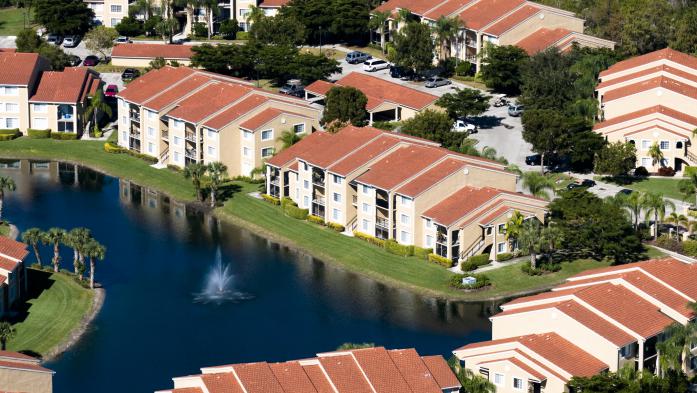
Tampa remains one of the primary economic engines of the southeastern United States. Driven by corporate relocations, expansions in the healthcare, technology, and financial services sectors, and a high quality of life, Hillsborough County continues to experience steady net population growth.
- Population Growth: The Tampa-St. Petersburg-Clearwater Metropolitan Statistical Area (MSA) consistently ranks among the top regions nationwide for net domestic migration.
- Housing Demand: This sustained population growth underpins a resilient demand for single-family residences, townhomes, and multi-family investment properties, insulating the local market against broader national economic contractions.
Brokerage Framework: Florida Executive Realty
Operational backing plays a pivotal role in an agent’s ability to serve clients effectively. Florida Executive Realty, where Jay Quigley maintains his professional affiliation (operating out of the firm’s office located at 15802 Amberly Drive, Tampa, FL), has built a reputation as a prominent independent brokerage in the region.
Unlike massive national franchise conglomerates, independent brokerages often offer distinct advantages:
- Agility: Decisions regarding marketing strategies, contract structures, and client services can be made rapidly at the local level.
- Culture of Independence: Agents are often encouraged to cultivate their unique brand identities while adhering to rigorous corporate standards of ethics and client care.
- Targeted Regional Focus: Concentrating heavily on Hillsborough County and surrounding areas allows firms like Florida Executive Realty to develop proprietary insights into specific master-planned communities, school districts, and zoning developments.
Institutional Governance: Suncoast Tampa Association of Realtors
Professional legitimacy and operational compliance in the Florida real estate market are heavily anchored by local boards and associations. Membership in the Suncoast Tampa Association of Realtors—and adherence to the Realtor® code of ethics—ensures that practitioners maintain high standards of professional conduct.
Key benefits and requirements of this affiliation include:

- MLS Access: Direct, real-time access to comprehensive property data, historical sales metrics, and active inventory listings.
- Ethical Standards: Mandatory adherence to the National Association of Realtors (NAR) Code of Ethics, protecting consumer interests regarding transparency, fiduciary duty, and fair housing laws.
- Continuing Education: Regular training updates covering legal changes, contract revisions, financing options, and technological tools.
Official Statements & Industry Perspectives
Industry leaders, brokerage executives, and market analysts frequently emphasize the evolving nature of real estate practice in high-growth Florida markets. While individual marketing web domains (such as jquigley.floridaexecutiverealty.com) and direct client touchpoints (like properties located in residential enclaves such as 16101 Sexton CT) represent the micro-level execution of real estate sales, broad industry perspectives shed light on what separates average practitioners from top-tier professionals.
The Value of the Fiduciary Relationship
In an era where automated valuation models (AVMs) and online listing portals provide instant estimates, industry veterans continuously reiterate that technology cannot replace human judgment.
"The core value of a licensed real estate professional is no longer found in simply unlocking a door or pulling a list of available homes," notes a regional real estate analyst. "It is found in risk mitigation, contract interpretation, emotional management during high-stress negotiations, and deep neighborhood-level intuition. Agents who thrive in markets like Tampa are those who act as trusted consultants rather than transactional salespeople."
Brokerage Leadership and Agent Support
Brokerages that invest heavily in infrastructure, compliance oversight, and ongoing professional development create an environment where agents can deliver superior results. For professionals operating under established local brands like Florida Executive Realty, the synergy between independent enterprise and structured corporate support allows for a seamless client experience—from the initial listing presentation or buyer consultation all the way to the closing table.
Future Outlook: The Horizon for Tampa Real Estate Professionals
As the real estate landscape continues to evolve, several key trends will shape the professional trajectory of agents operating within the Suncoast Tampa market and across Florida at large.

1. Technological Integration and Artificial Intelligence
The integration of artificial intelligence (AI) and advanced data analytics into daily real estate operations is accelerating. Future-focused agents are utilizing machine learning tools for predictive analytics—identifying potential sellers before they list, optimizing digital marketing campaigns to target qualified buyers, and streamlining administrative workflows. Professionals who effectively harness these tools while maintaining a personalized, high-touch approach will hold a distinct competitive advantage.
2. Navigating Interest Rate Volatility and Housing Affordability
With macroeconomic policy dictating fluctuating mortgage interest rates, the real estate market is transitioning away from the hyper-accelerated conditions of the early 2020s toward a more normalized, balanced market. For agents representing buyers and sellers in Hillsborough County, this means mastering creative financing solutions—such as assumable mortgages, buydown programs, and strategic pricing adjustments—to ensure transactions successfully close despite affordability pressures.
3. Sustainability and Climate Resilience
Given Florida’s unique geographical profile, considerations surrounding environmental resilience, insurance costs, and building sustainability are increasingly influencing buyer decisions. Modern real estate practitioners must be well-versed in flood zones, wind mitigation reports, insurance market dynamics, and energy-efficient building standards to adequately advise their clients.
Conclusion
The success of the Florida real estate market relies upon the dedication, expertise, and ethical grounding of its active professionals. Through affiliations with respected local firms like Florida Executive Realty and professional bodies such as the Suncoast Tampa Association of Realtors, practitioners like Jay Quigley navigate the complexities of property transactions in one of the country’s most vibrant metropolitan regions. As the market continues to adapt to economic shifts, technological innovations, and demographic changes, the role of the knowledgeable local real estate advisor remains more critical than ever.

0 Comments