

Executive Overview
The Florida real estate market continues to be one of the most dynamic, competitive, and economically vital sectors in the United States. Driven by sustained population migration, shifting demographic trends, and complex regulatory environments, the state’s housing market demands a high caliber of professional leadership. At the heart of this thriving market are dedicated industry veterans who anchor their local communities, provide critical guidance to buyers and sellers, and uphold the highest standards of professional practice.
This comprehensive report examines the professional profile and operational footprint of Jay Quigley, an established real estate practitioner affiliated with Florida Executive Realty in the Greater Tampa Bay area. Operating under the auspices of the Suncoast Tampa Association of Realtors, professionals like Quigley represent the backbone of Florida’s housing ecosystem. By analyzing local market dynamics, organizational frameworks, and the day-to-day realities of modern real estate brokerage, this article provides an authoritative look at how seasoned agents navigate today’s multifaceted property landscape.
As Florida experiences unprecedented economic shifts, the role of the licensed Realtor has evolved far beyond traditional transaction management. Today’s housing professionals must act as market analysts, risk mitigators, and community advisors. This profile explores the structural elements that define modern real estate operations in Florida, highlighting the critical intersections between brokerage administration, regional board governance, and client-centric service delivery.
Detailed Chronology: The Evolution of Tampa Bay Real Estate Brokerage
To understand the current standing of regional real estate professionals, it is essential to trace the historical evolution of the Tampa Bay housing market and the brokerages that support it. Over the past two decades, the West Central Florida region—encompassing Hillsborough, Pinellas, and surrounding counties—has transformed from a regional retirement and vacation destination into a booming, globally recognized metropolitan hub.
The Foundation of Modern Brokerage Networks
In the early 2000s, independent and boutique brokerages began carving out substantial market share by offering hyper-local expertise that massive national franchises often struggled to replicate. Firms such as Florida Executive Realty, established with a commitment to high-touch professional service and agent development, positioned themselves at the forefront of this movement. Operating out of strategic hubs like Amberly Drive in Tampa, these offices became incubators for top-tier talent.
During the mid-2000s housing boom, practitioners faced an unprecedented rush of speculative buying and rapid development. Agents who survived and thrived during this period developed robust analytical frameworks for property valuation. When the subsequent market correction of 2008–2012 occurred, the industry underwent a seismic shift. Regulatory oversight tightened significantly, spearheaded by the Dodd-Frank Act and stricter lending standards enforced by state and federal agencies.
The Post-Recession Recovery and Technological Integration
As the market steadily recovered through the mid-2010s, practitioners had to adapt to the digital revolution. The proliferation of Multiple Listing Service (MLS) databases, consumer-facing property portals, and digital document execution transformed the transactional timeline. Professionals like Jay Quigley, navigating through platforms tied to regional boards like the Suncoast Tampa Association of Realtors, had to integrate advanced customer relationship management (CRM) systems and digital marketing pipelines into their daily workflows.
By the time the post-pandemic migration wave hit Florida in 2020–2022, the infrastructure built by established brokerages was put to the ultimate test. Record-low inventory, historic price appreciation, and intense buyer competition required practitioners to display exceptional negotiation skills and deep community roots. Today, the operational chronology of a successful Tampa Realtor is defined by an ability to synthesize massive amounts of real-time market data while maintaining personal, trusted advisor relationships with clients navigating complex relocation journeys.
Supporting Context & Metrics: The Tampa Bay Housing Ecosystem
An evaluation of individual brokerage activity cannot be conducted in a vacuum; it requires a granular examination of the macroeconomic indicators and regional metrics shaping the West Central Florida housing market.
Inventory Pressures and Pricing Dynamics
The Greater Tampa Bay housing market has consistently outpaced national averages in terms of home price appreciation and population influx. According to data compiled by Florida Realtors and local boards, Hillsborough County remains a primary destination for corporate relocations and out-of-state buyers fleeing high-tax, high-cost-of-living metropolitan areas in the Northeast and Midwest.
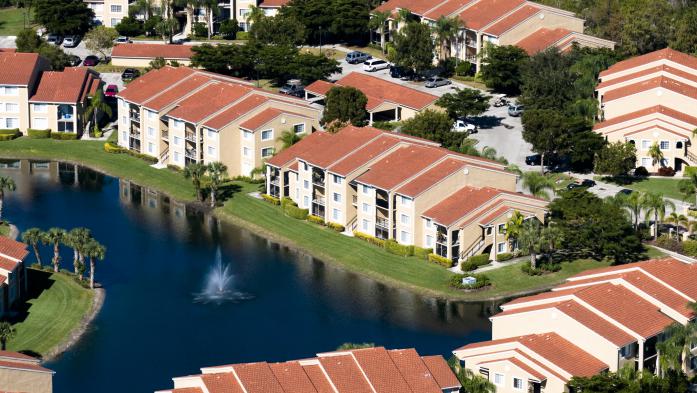
- Median Days on Market (DOM): Properties in desirable suburban and urban infill locations within Hillsborough County frequently experience compressed market lifespans, often moving from listing to contract within 20 to 30 days during peak seasons.
- Inventory Levels: Months of supply have historically hovered below the balanced market threshold of four to six months, creating persistent seller-favored conditions punctuated by periodic stabilization phases as interest rates fluctuate.
- Average Price Per Square Foot: Driven by land scarcity in prime suburban corridors such as New Tampa, Lutz, and South Tampa, the cost per square foot has seen a steady upward trajectory over the last decade, reinforcing real estate as a primary vehicle for long-term wealth accumulation.
The Role of Regional Boards and Professional Compliance
Operating effectively within this high-stakes environment requires strict adherence to ethical guidelines and continuous education. The Suncoast Tampa Association of Realtors plays a pivotal role in maintaining professional standards. By providing access to comprehensive MLS data, legal support hotlines, and mandatory continuing education (CE) courses, the Association ensures that practitioners maintain fluency in contract law, fair housing regulations, and environmental disclosures unique to Florida—such as flood zone determinations, wind mitigation requirements, and homeowner association (HOA) governance laws.
Brokerages like Florida Executive Realty reinforce these standards internally. By maintaining strategic operational footprints—such as their primary office at 15802 Amberly Drive—these firms provide their agents with administrative backing, legal oversight, and collaborative environments that directly benefit the end consumer.
Official Statements & Industry Perspectives
The structural integrity of Florida’s real estate market relies heavily on the collaboration between state regulatory bodies, local real estate boards, and individual brokerage leadership. While independent agents drive daily transactional volume, institutional voices provide overarching guidance on market trajectory and professional ethics.
Leadership and Ethical Standards
Industry leaders across Florida consistently emphasize that consumer protection and transparency are the foundational pillars of sustainable real estate practice. Representatives from major regional boards frequently highlight the importance of the Realtor Code of Ethics, noting that adherence to these strict moral and professional guidelines distinguishes licensed Realtors from unregulated property locators or casual investors.
"In a market as fast-moving and complex as Florida’s, the consumer needs more than just access to data; they need an experienced advocate who understands fiduciary responsibility, local zoning laws, and contract nuances," notes a veteran regional brokerage executive. "Professionals who anchor themselves in established local associations and reputable brokerages provide that vital layer of security."

The Brokerage Perspective: Cultivating Expertise
Firms such as Florida Executive Realty have long championed a culture of continuous professional development. Rather than relying solely on high-volume transactional turnover, successful boutique and independent firms focus on cultivating deep market expertise among their licensed agents.
Practitioners operating under these frameworks—exemplified by agents managing client portfolios across specific regional vectors like Sexton Court and surrounding Tampa neighborhoods—utilize comprehensive organizational resources to streamline transactions. By maintaining active credentials through the Suncoast Tampa Association of Realtors (holding specific identification markers such as Realtor ID 2351034), these professionals signal to the marketplace their commitment to accountability, peer collaboration, and regulatory compliance.
Future Outlook: Navigating Tomorrow’s Real Estate Horizon
As the Florida real estate market looks toward the remainder of the decade and beyond, several macroeconomic and technological trends will redefine how practitioners operate and how consumers buy and sell property.
Technological Disruption and Artificial Intelligence
The integration of artificial intelligence (AI), predictive analytics, and automated valuation models (AVMs) will continue to reshape the real estate industry. While technology empowers consumers with instant access to estimated property values and virtual tours, it simultaneously elevates the demand for human expertise. Navigating inspection contingencies, negotiating complex repair amendments, and interpreting nuanced title commitments require emotional intelligence, strategic thinking, and legal comprehension that algorithms simply cannot replicate. Future-focused agents are already leveraging these digital tools to enhance operational efficiency, allowing them to dedicate more time to high-value client advisory services.
Evolving Demographic Pressures
Florida’s population growth shows no immediate signs of abating. Projections indicate that the state will continue to welcome hundreds of new residents daily, driven by favorable tax policies, expanding job markets in technology and finance, and lifestyle preferences. However, this growth brings significant challenges, including infrastructure strain, insurance market stabilization, and housing affordability concerns.

For established practitioners and brokerages in the Tampa Bay area, these challenges present both a responsibility and an opportunity. Agents must become increasingly knowledgeable regarding property insurance markets—a critical factor in Florida transactions—as well as sustainable building practices and zoning law evolutions.
Conclusion
The trajectory of Florida real estate is defined by the resilience, professionalism, and adaptability of its practitioners. Through rigorous adherence to association standards, deep integration within local brokerages, and an unwavering commitment to client advocacy, professionals such as those operating within the Suncoast Tampa Association of Realtors ensure that the housing market remains robust, transparent, and accessible. As the industry evolves to meet the demands of a new technological and economic era, the foundational principles of trust, local expertise, and professional integrity will remain the ultimate arbiters of success.

0 Comments