

Executive Overview
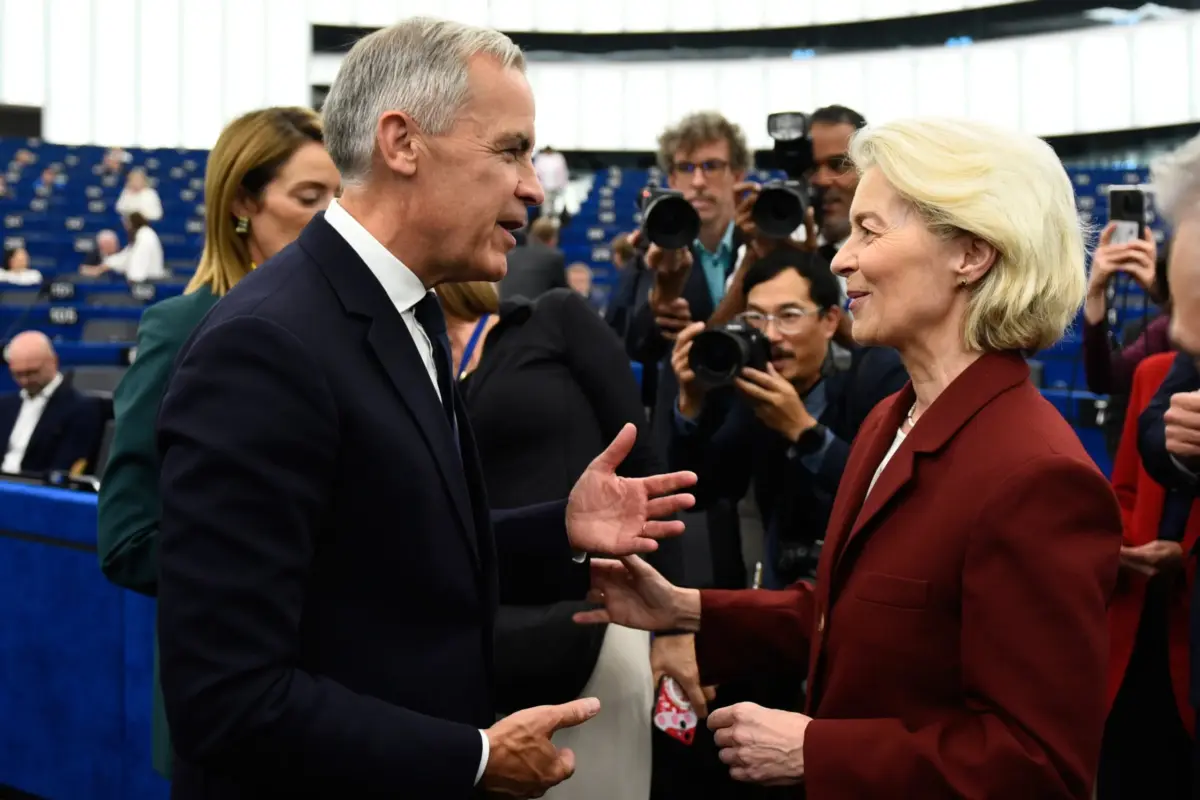
In a move that has sent shockwaves through the corridors of global diplomacy, European Commission President Ursula von der Leyen has extended an unprecedented—and legally non-existent—invitation to Canada. Speaking at the European Parliament in Strasbourg, France, in September 2026, von der Leyen proposed opening the door for Canada to become the European Union’s first "associate member." The offer was made directly to Canadian Prime Minister Mark Carney, presenting a striking political lifeline for Ottawa but also raising profound questions about the institutional limits and legal realities of the world’s largest trading bloc.
This diplomatic overture arrives at a moment of acute geopolitical vulnerability. Canada and the European Union find themselves navigating an increasingly hostile international trade landscape, dominated by the protectionist policies of U.S. President Donald Trump. As Ottawa grapples with a high-stakes trade war with its southern neighbor, and Brussels watches its traditional transatlantic alliance fray, the concept of a formalized EU-Canada "associate membership" is being framed as a strategic counterweight.
However, beneath the lofty rhetoric lies a stark institutional reality: "associate membership" does not exist under current EU treaties. While the proposal has been embraced by Prime Minister Carney as an opportunity to deepen ties, it has also provoked warnings of retaliation from Washington, skepticism from key European capitals over institutional overreach, and a pressing demand for concrete substance over diplomatic branding.
                  ┌────────────────────────────────────────┐
                  │      EU-Canada Strategic Pivot         │
                  └───────────────────┬────────────────────┘
                                      │
             ┌────────────────────────┴────────────────────────┐
             ▼                                                 ▼
┌──────────────────────────┐                      ┌──────────────────────────┐
│   Geopolitical Drivers   │                      │    Institutional Hurdle  │
├──────────────────────────┤                      ├──────────────────────────┤
│ • US Trade War (Trump)   │                      │ • No treaty framework    │
│ • Fading US-EU trust     │                      │   for "associate status" │
│ • Need for secure supply │                      │ • Requires unanimous 27- │
│   chains & critical raw  │                      │   nation approval        │
│   materials              │                      │                          │
└──────────────────────────┘                      └──────────────────────────┘
Detailed Chronology of the Strasbourg Diplomatic Offensive
The rollout of this novel diplomatic strategy unfolded rapidly over the week of September 14, 2026, catching many member states and foreign policy analysts off guard.
Wednesday, September 16, 2026: The Strategic Reimagining
During her annual policy address, European Commission President Ursula von der Leyen laid the groundwork for a structural shift in European foreign policy. Pointing to the volatile global trade environment and the erosion of trust in traditional security and economic partnerships, she declared, "In this new world, we must urgently reimagine our partnerships."
Addressing Prime Minister Mark Carney directly, she delivered the hook: "I would like to work with you on opening the door for Canada being the first associate member of the EU." The announcement was designed to signal a profound deepening of ties, though it lacked any immediate accompanying legal framework.
Thursday, September 17, 2026: The Canadian Response in Strasbourg
The following day, Prime Minister Carney took the podium at the European Parliament in Strasbourg. Positioned alongside von der Leyen, Carney welcomed the spirit of the invitation but immediately sought to manage domestic and international expectations.
Timeline of Events (September 2026)
├─ Sept 16: Von der Leyen proposes "Associate Membership" in address.
├─ Sept 17: PM Mark Carney addresses European Parliament; clarifies Canada does not seek full membership.
├─ Sept 18: Pres. Trump warns of "hostile act" and threatens retaliatory tariffs.
└─ Oct 29-30: Scheduled EU-Canada Summit in Montreal to define concrete parameters.
Carney made it unequivocally clear that Canada is not seeking to become a full member of the European Union—a geographic and political impossibility under current structures. Instead, he emphasized that the upcoming EU-Canada summit in Montreal, scheduled for October 29–30, 2026, would serve as the primary crucible to "better define the broad lines of this new alliance."
Friday, September 18, 2026: The Washington Backlash
The reaction from Washington was swift and characteristically aggressive. President Donald Trump, speaking from the White House, characterized the proposed alliance as a potentially "hostile act" aimed at undermining American economic dominance. Trump warned that if the partnership was designed to bypass U.S. trade influence, Washington would respond with punitive measures, threatening to "put very heavy tariffs on Europe."
Supporting Context & Institutional Metrics
To understand the friction generated by von der Leyen’s proposal, one must look at the legal architecture of the European Union and the existing trade dynamics between Brussels and Ottawa.
The Legal Void of "Associate Membership"
Under the Treaty on European Union (TEU), there are clear pathways for integration, but "associate membership" is not among them. The primary legal mechanisms for non-EU states looking for structured relationships are:
- Article 49 (Full Accession): Reserved strictly for European states that respect the EU’s core values and wish to become full member states, adopting the acquis communautaire in its entirety.
- Article 217 (Association Agreements): These are legally binding treaties that establish a framework for cooperation, often including preferential trade agreements. More than 20 nations—including Ukraine, Israel, Albania, and various Mediterranean partners—currently hold Association Agreements with the EU.
┌─────────────────────────────────────────────────────────────────┐
│                    EU Partnership Frameworks                    │
├───────────────────┬──────────────────────┬──────────────────────┤
│ Framework Type    │ Legal Basis (TEU)    │ Target/Current Users │
├───────────────────┼──────────────────────┼──────────────────────┤
│ Full Membership   │ Article 49           │ 27 Member States     │
├───────────────────┼──────────────────────┼──────────────────────┤
│ Association Agreement│ Article 217        │ Ukraine, Israel,     │
│                   │                      │ Albania (20+ nations)│
├───────────────────┼──────────────────────┼──────────────────────┤
│ "Associate Member"│ None (Conceptual)    │ Proposed: Canada     │
└───────────────────┴──────────────────────┴──────────────────────┘
By coining the term "associate member," von der Leyen bypassed the established, often bureaucratic terminology of "Association Agreements" to offer Canada a rhetorically elevated status. However, doing so risks creating a legal mirage. Any formal treaty establishing such a status would require the unanimous approval of all 27 EU member states—a high bar in a bloc currently fractured by internal debates over enlargement and economic sovereignty.
The Economic Foundation: CETA and Beyond
The proposed upgrade in relations does not start from scratch. The economic relationship between the EU and Canada is already anchored by the Comprehensive Economic and Trade Agreement (CETA), which provisionally entered into force in 2017.
- Trade Volume: Since CETA’s implementation, bilateral trade in goods and services between the EU and Canada has grown significantly, exceeding €100 billion annually.
- Strategic Resources: Canada is increasingly viewed by Brussels as a secure, democratic source of critical raw materials (such as lithium, cobalt, and nickel) essential for Europe’s green and digital transitions, reducing dependence on autocratic regimes like China and Russia.
- Geopolitical Alignment: Both economies operate on high regulatory standards regarding labor, environmental protection, and digital privacy, making them natural partners in establishing global standards.
Official Statements and Diplomatic Friction
The proposal has exposed divergent viewpoints within the European Union, Canada, and across the Atlantic, as leaders attempt to balance strategic ambition with institutional reality.
The European Commission: Reimagining Alliances
In her defense of the proposal, Ursula von der Leyen emphasized the necessity of bold thinking in an era of geopolitical fragmentation:
"In this new world, we must urgently reimagine our partnerships. I would like to work with you on opening the door for Canada being the first associate member of the EU."
The Canadian Pragmatism
Prime Minister Mark Carney focused on tangible outcomes rather than semantic debates, acknowledging the domestic political realities of both partners:
"We’re going to better define the broad lines of this new alliance. What matters is the substance. What are we actually building together, how do we combine our strengths in a way that serves our people better, protects our fundamental rights and creates prosperity… Canada is not in a position, nor seeking, to become a full member of the European Union."
Carney also sought to de-escalate tensions with the United States, asserting that the initiative is not an attempt to construct "a great power rival, only with better manners."
European Skepticism and Cautious Support
While some member states welcomed the geopolitical alignment, others expressed concern over the unilateral nature of von der Leyen’s rhetoric and the potential dilution of EU institutional definitions.
-
Germany: Stefan Kornelius, spokesperson for the German government, signaled Berlin’s openness to deeper ties but registered reservations regarding the terminology:
"We are open to discussing new partnership models. But we should rethink the concept, the title that is connected with this."
This caution is particularly notable given that German Chancellor Friedrich Merz had previously urged the EU to consider a similar "associate" model for Ukraine to maintain momentum in its integration process amidst its ongoing war with Russia.
-
Ireland: Representing the progressive wing of the bloc, Helen McEntee, Minister for Foreign Affairs and Trade of Ireland (which currently holds the EU’s rotating presidency), expressed strong support:
"Our government is ready to explore associate membership for Canada."
-
European Parliament: David McAllister, the influential chair of the Parliament’s Foreign Affairs Committee, took a more guarded, institutional stance, noting that the proposal’s "concrete terms now need careful assessment."
The Transatlantic Warning
From Washington, President Donald Trump made it clear that any formal realignment of Canadian-European trade that threatens American economic interests would face immediate pushback:
"If European leaders are acting out of a good intention, that’s fine. If it’s a bad intention, we’ll put very heavy tariffs on Europe."
Future Outlook: The Montreal Summit and Beyond
As diplomatic teams prepare for the upcoming EU-Canada Summit in Montreal on October 29–30, 2026, the primary challenge will be translating political rhetoric into functional policy. Analysts suggest that the discussions will likely move away from the controversial "membership" label and focus instead on structural enhancements to CETA and security cooperation.
                          ┌──────────────────────────┐
                          │   Montreal Summit Goals  │
                          │   (October 29-30, 2026)  │
                          └────────────┬─────────────┘
                                       │
         ┌─────────────────────────────┼─────────────────────────────┐
         ▼                             ▼                             ▼
┌──────────────────┐          ┌──────────────────┐          ┌──────────────────┐
│ Regulatory       │          │ Supply Chain     │          │ Security &       │
│ Convergence      │          │ Resilience       │          │ Defense          │
├──────────────────┤          ├──────────────────┤          ├──────────────────┤
│ Aligning AI standards│      │ Securing critical│          │ Enhancing joint  │
│ and green tech   │          │ minerals to bypass│         │ maritime and     │
│ frameworks.      │          │ US dependencies. │          │ cyber security.  │
└──────────────────┘          └──────────────────┘          └──────────────────┘
Key Areas for Concrete Development
- Regulatory Convergence: Aligning standards on artificial intelligence, green technology, and carbon border adjustments to create a seamless regulatory space.
- Supply Chain Security: Establishing joint reserves and investment vehicles for critical minerals, ensuring both markets remain insulated from unilateral tariff shocks.
- Defense and Cyber Security: Deepening intelligence sharing and joint research into defense technologies, reflecting Canada’s role as a key NATO ally.
The Institutional Hurdle
Ultimately, any new agreement must survive the scrutiny of the 27 EU member states, many of whom are wary of creating custom tiers of integration that could complicate existing enlargement negotiations with Western Balkan states, Moldova, and Ukraine.
As Fabian Zuleeg, Chief Executive of the European Policy Centre think tank, observed: "The label must now be filled with concrete substance, not remain another announcement." Whether this initiative marks the birth of a novel geopolitical framework or remains a temporary diplomatic maneuver in response to Washington’s pressure will depend on the hard negotiations ahead in Montreal.

0 Comments