

TALLAHASSEE, Fla. — As the crisp autumn air descends upon the Florida Panhandle and stadiums across the Southeast fill to capacity, a familiar ritual echoes from parking lots and quad lawns. Football season has arrived. Whether it is the storied rivalry games of regional high schools or the sacred Saturday traditions of collegiate powerhouse programs, the American tailgate has evolved far beyond the basic charcoal grill and cooler of domestic light beer. Today, pre-game gatherings represent a high-stakes arena of culinary creativity, regional pride, and communal bonding.
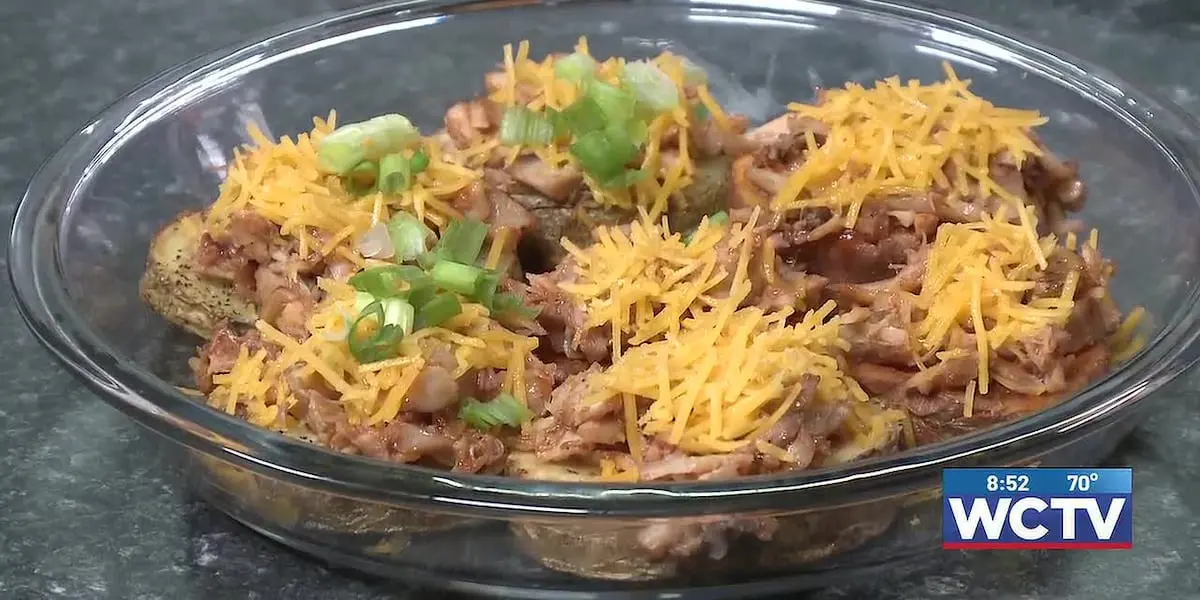
Amid this cultural shift toward elevated stadium-side gastronomy, local culinary personality Cherry Rankin recently visited the WCTV studios in Tallahassee to showcase a recipe explicitly designed to bridge the gap between traditional comfort food and modern game-day sophistication: Loaded Sweet Potato and White Potato Tailgate Bites.
While the segment captured the festive spirit of local sports culture, it also highlights a broader sociological and economic phenomenon. Tailgating is no longer merely a prelude to a athletic competition; it is a multi-billion-dollar cultural enterprise that mirrors broader trends in American foodways, consumer behavior, and community mobilization.
Executive Overview
The intersection of sports entertainment and culinary arts has experienced exponential growth over the past decade. What was once defined by pre-packaged hot dogs, potato chips, and rudimentary burgers has transformed into an ambitious display of amateur and professional gastronomy. Tailgaters now deploy smokers, portable pizza ovens, and elaborate multi-course menus that rival upscale dining establishments.
The appearance of culinary experts like Cherry Rankin on local media outlets such as WCTV underscores a distinct consumer demand: fans want innovative, portable, and crowd-pleasing dishes that elevate the standard tailgate menu without requiring an entire commercial kitchen in the back of a pickup truck. Rankin’s featured creation—the Loaded Sweet Potato and White Potato Tailgate Bites—encapsulates this ethos. By combining the earthy, nutrient-dense profile of sweet potatoes with the comforting familiarity of traditional white russets, and topping them with classic loaded-potato garnishes, the dish offers a handheld, bite-sized solution to the eternal logistical challenges of outdoor dining.
This report provides a comprehensive examination of the modern tailgate economy, tracing the cultural evolution of pre-game dining, analyzing the logistics of outdoor sports nutrition, reviewing the specific culinary mechanics behind Rankin’s featured recipe, and forecasting how mobile dining and game-day culture will continue to evolve in the coming years.
Detailed Chronology: The Evolution of the Pre-Game Ritual
To understand the significance of modern culinary contributions to the tailgate experience, one must examine the chronological trajectory of how pre-game gatherings became an integral pillar of American sports culture.
Early Origins and the Iron Bridge Era (Late 19th Century)
While historical accounts vary, many sports historians trace the roots of tailgating to the early days of American intercollegiate football in the late 19th century. Events like the Princeton-Rutgers game of 1869 drew spectators who traveled by horse-drawn carriage, bringing provisions to sustain themselves during long afternoons of viewing.
By the early 1900s, as the rail system expanded, fans traveling to away games would pack picnic baskets to consume near the athletic fields. The term "tailgate" itself gained widespread cultural currency with the advent of the modern station wagon and pickup truck in the mid-20th century. The drop-down tailgate provided a natural, built-in serving platform, democratizing outdoor dining for the masses.
The Post-War Commercialization Boom (1950s–1980s)
Following World War II, suburban expansion and the rise of the automobile catalyzed the commercialization of tailgating. The invention of the portable charcoal grill in the early 1950s revolutionized what could be prepared outside the home. Suddenly, fresh-grilled meats, portable side dishes, and standardized coolers became staples of the collegiate and professional sports landscapes.
During this era, tailgating solidified its status as an egalitarian ritual. Alumni, students, and local community members converged hours before kickoff to establish sprawling campsites outside stadiums. Menus remained largely traditional: hamburgers, hot dogs, potato salad, and coleslaw dominated the lots.
The Gourmet Revolution and Technological Advancement (1990s–2010s)
As food culture in the United States shifted toward a greater appreciation for regional ingredients, barbecue techniques, and culinary experimentation, tailgating underwent a parallel metamorphosis. The introduction of high-end portable propane burners, compact pellet smokers, and specialized thermal storage containers allowed fans to execute complex recipes miles away from residential kitchens.
Regional variations flourished. In the Southeastern Conference (SEC) and Atlantic Coast Conference (ACC)—including right here in the Capital City of Tallahassee—tailgating became an exercise in hospitality and fine dining. Linen tablecloths, silver candelabras, and catered menus began appearing alongside traditional truck-bed setups. Cookbooks dedicated exclusively to stadium-side dining flooded the market, establishing tailgating as a legitimate genre of American cuisine.
The Modern Era: Bite-Sized Innovation and Media Integration (2020s–Present)
Today, the tailgating landscape is defined by efficiency, aesthetic appeal, and dietary adaptability. With smartphones and social media platforms dominating fan engagement, dishes must not only taste exceptional but also possess high visual appeal for digital sharing. Furthermore, modern tailgaters increasingly prioritize convenience—seeking finger foods and bite-sized portions that minimize the need for heavy silverware and elaborate cleanup.
It is within this contemporary framework that Cherry Rankin’s demonstration at WCTV studios takes on broader relevance. By presenting a recipe that blends visual elegance with handheld convenience, Rankin’s Loaded Sweet Potato and White Potato Tailgate Bites serve as a micro-example of how home cooks and culinary professionals are continuously adapting classic comfort foods to meet the fast-paced, social demands of the 21st-century sports fan.
Supporting Context & Metrics: The Economics and Psychology of Tailgating
The cultural ubiquity of tailgating is supported by substantial economic engines and psychological drivers. Understanding the scale of the pre-game industry illuminates why media outlets, culinary brands, and local personalities invest significant resources into game-day food preparation.
The Tailgate Economy
According to retail and sports marketing data, American consumers spend billions of dollars annually on tailgate-related merchandise, food, beverages, and equipment. The market encompasses a vast supply chain:
- Food and Beverage: Grilling meats, fresh produce, craft beverages, and snack items account for the largest share of expenditures. Premium ingredients—such as specialty cheeses, artisanal sausages, and organic vegetables—have seen dramatic sales increases during the fall months.
- Hardware and Equipment: Portable grills, heavy-duty coolers, pop-up tents, folding furniture, and high-end audio systems represent a thriving retail sector that peaks between August and November.
- Hospitality and Catering: A growing segment of sports fans bypass home preparation entirely, hiring professional catering services to set up elaborate, turnkey tailgate experiences outside major stadiums.
Nutritional Demands of Outdoor Athletics and Viewing
From a physiological perspective, spending an entire day outdoors exposed to fluctuating autumn temperatures—often accompanied by high physical activity (walking across expansive campus parking lots, cheering, and standing for hours)—requires thoughtful nutritional planning.
Traditional tailgate fare is frequently heavy on saturated fats, simple carbohydrates, and sodium. While these foods provide immediate caloric density, they can lead to lethargy during the second half of a game. Culinary innovators have increasingly emphasized balanced recipes that integrate complex carbohydrates, healthy fats, and micronutrients.
Rankin’s recipe for Loaded Sweet Potato and White Potato Tailgate Bites offers an insightful case study in nutritional balance:
- Sweet Potatoes: Rich in beta-carotene (vitamin A), fiber, and complex carbohydrates, sweet potatoes provide sustained energy release without causing rapid blood sugar spikes. Their natural sweetness also creates an appealing flavor contrast when paired with savory, salty toppings.
- White Potatoes: Offering a high concentration of potassium and vitamin C, white potatoes provide a familiar, comforting texture that anchors the dish.
- Loaded Garnishes: By utilizing traditional loaded-potato toppings—such as sharp cheddar cheese, chives, sour cream, and bacon bits (or vegetarian alternatives)—the dish retains the indulgent flavor profile that fans crave on game day while being packaged in a controlled, bite-sized format that prevents overindulgence.
The Social Psychology of Shared Food
Psychologists and anthropologists have long studied the role of communal eating in reinforcing tribal bonds and group identity. Tailgating acts as a modern-day harvest festival, where the boundaries between strangers dissolve over shared plates of food.
Food functions as a social lubricant. A well-executed dish acts as an conversation starter, bridging generational divides among alumni, current students, and local residents. When culinary experts demonstrate recipes on regional broadcasts, they are not merely teaching technical cooking skills; they are facilitating the cultural rituals that sustain community cohesion.
Official Statements and Industry Perspectives
To gauge the broader impact of culinary trends on sports broadcasting and local community life, industry observers, culinary instructors, and sports media professionals have weighed in on the evolution of game-day dining.
The Media Perspective
Broadcasting executives note that lifestyle and cooking segments integrated into local news programming during football season consistently generate high viewer engagement.
"Sports in the fall are the heartbeat of our community here in the Florida Panhandle," notes a regional media producer familiar with station programming. "When viewers tune in on a Friday or a Saturday, they aren’t just looking for scores and injury reports; they are looking for inspiration on how to host family and friends. Culinary segments like Cherry Rankin’s visit to WCTV tap directly into the communal spirit of the region. Food is the glue that holds these weekend traditions together."
The Culinary Arts Perspective
Professional chefs and culinary educators emphasize that tailgate cooking requires a unique skill set distinct from traditional restaurant preparation.
"Cooking outdoors or transporting food to a stadium parking lot presents distinct logistical hurdles," explains a regional consulting chef. "You have to manage temperature control, limited workspace, and the challenge of keeping food appetizing over several hours. Recipes that focus on finger foods, dual-textured starches like sweet and white potatoes, and make-ahead components are the gold standard for modern tailgating. They respect the host’s time while delivering maximum flavor."
Consumer Insights
Market researchers tracking consumer sentiment during the fall sports calendar report a distinct shift toward "accessible gourmet." Consumers increasingly reject the binary choice between overly simplistic processed foods and intimidatingly complex gourmet dishes. Instead, they seek approachable recipes that utilize familiar ingredients in novel, creative ways.
Future Outlook: The Next Generation of Game-Day Gastronomy
As we look toward the future of tailgating and sports culture, several emerging trends promise to further revolutionize how fans experience pre-game dining.
Sustainable and Plant-Forward Tailgating
Environmental consciousness and shifting dietary preferences are making their way into stadium parking lots. While traditional barbecue and smoked meats will undoubtedly remain staples of Southern tailgating, future menus will likely feature an increased presence of plant-forward and sustainably sourced ingredients. Recipes that highlight root vegetables—such as Rankin’s sweet and white potato bites—position vegetables not merely as side dishes, but as the decadent centerpieces of game-day appetizers.
Technological Integration in Outdoor Cooking
The technology supporting outdoor cooking is advancing at a rapid pace. Portable smart grills equipped with Bluetooth and Wi-Fi temperature probes allow tailgaters to monitor smoking and roasting processes directly from their smartphones while inside the stadium or socializing yards away. Portable induction cooktops powered by high-capacity lithium-ion battery banks are also replacing traditional propane tanks in urban tailgating zones where open flames are restricted, enabling cleaner and more precise indoor-style cooking techniques outdoors.
The Rise of Hyper-Regional Fusion
As demographic shifts continue to diversify the American South, regional tailgating menus are absorbing global flavor profiles. We are witnessing the emergence of Korean-barbecue-inspired brisket sliders, Cuban-sandwich-style empanadas, and Latin-spiced street corn dips appearing alongside traditional southern fried chicken and boiled peanuts. This fusion ethos ensures that classic comfort foods, such as loaded potatoes, will continue to be reinvented through international spice blends and contemporary culinary techniques.
Conclusion
The ritual of tailgating remains a cornerstone of American sports culture—a vibrant weekly celebration of community, athletic competition, and culinary expression. Through the contributions of local culinary figures like Cherry Rankin and regional media institutions like WCTV, fans are continuously provided with fresh inspiration to elevate their pre-game gatherings.
Whether viewed through the lens of economics, sociology, or gastronomy, the evolution of tailgate food from simple camp sustenance to innovative, bite-sized culinary art reflects our enduring desire to connect with one another over great food. As stadiums open their gates each autumn, the parking lots outside will continue to serve as America’s most democratic dining rooms—where every fan is a welcomed guest at the table.

0 Comments