

Executive Overview
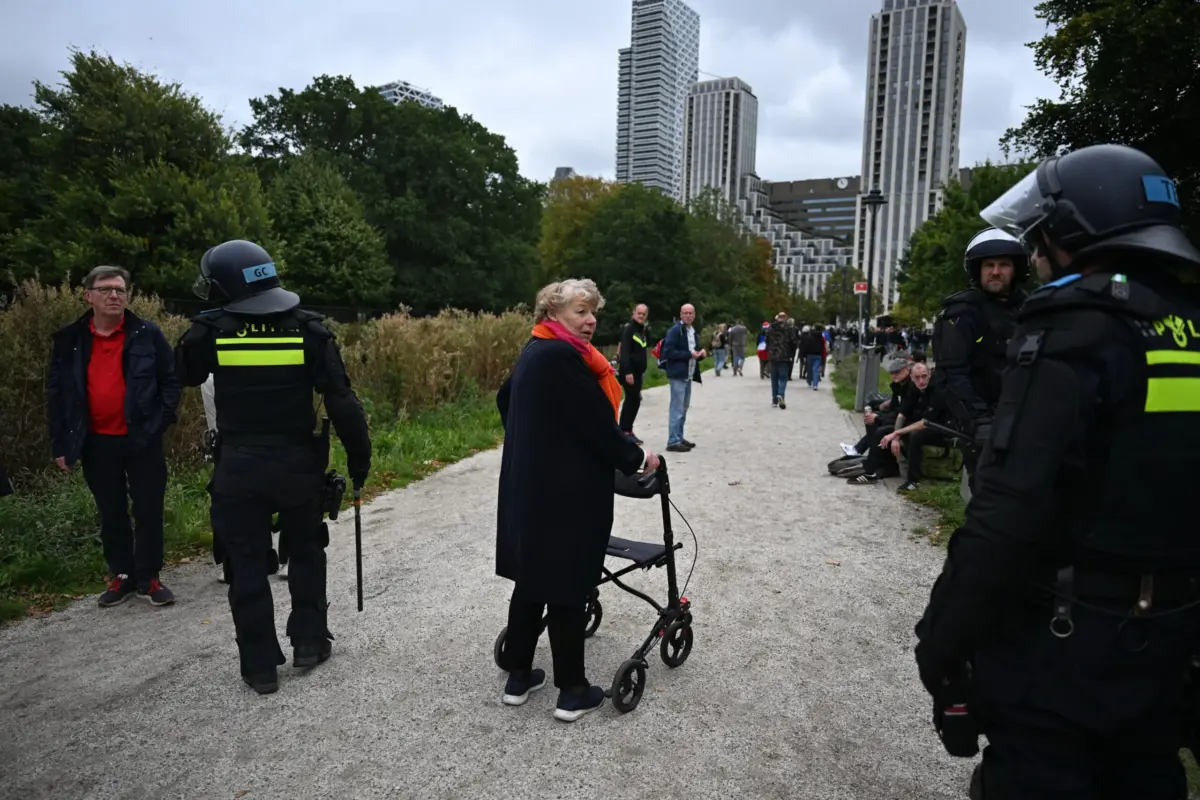
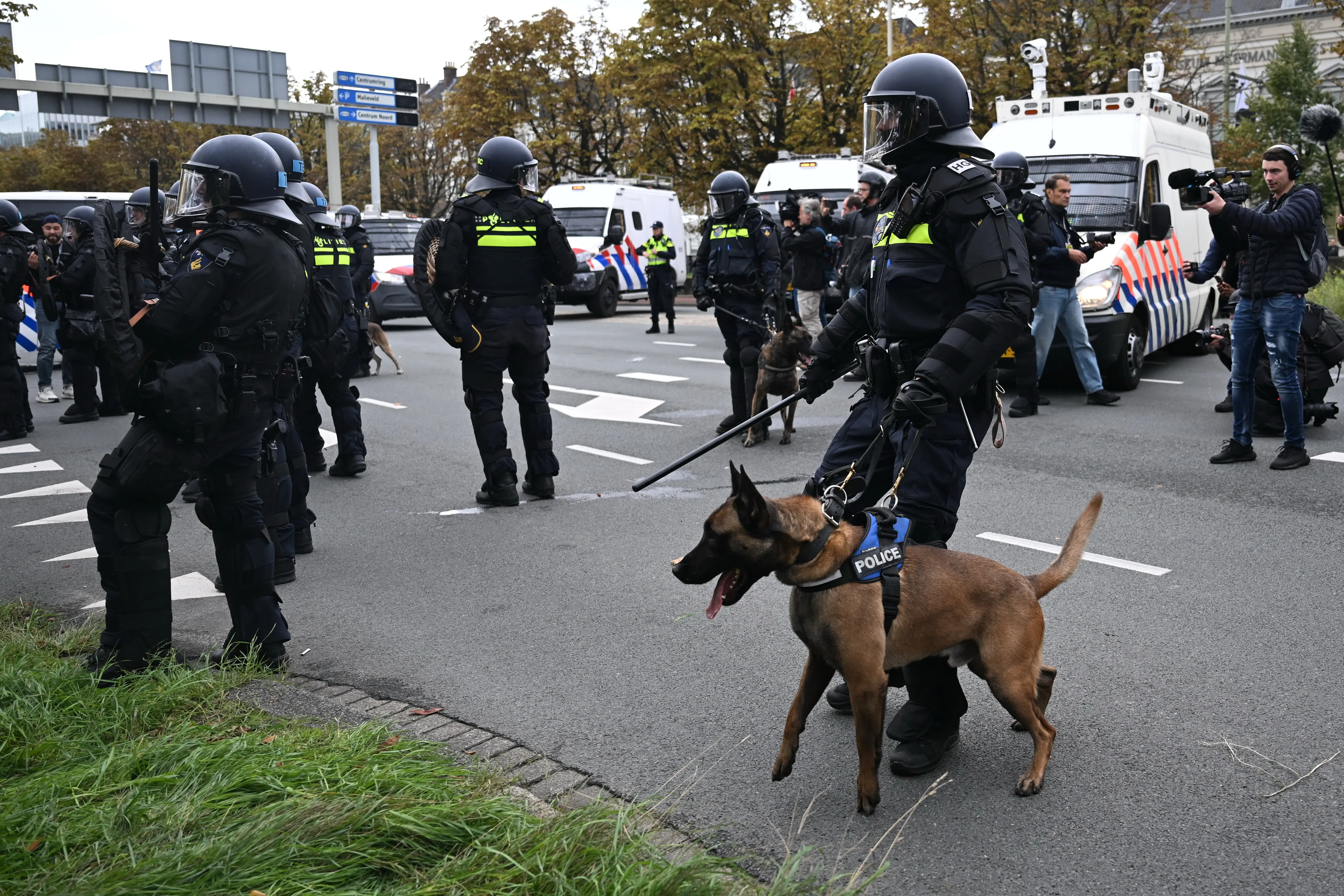
THE HAGUE, Netherlands — The Dutch political landscape was once again shaken on Saturday, September 19, 2026, as a far-right demonstration opposing immigration and asylum policies degenerated into chaotic street violence in the administrative heart of the Netherlands. What began as a mobilized assembly of several hundred anti-immigration activists at The Hague’s prominent Malieveld park quickly deteriorated into running clashes with law enforcement, prompting local authorities to ban a planned march and deploy riot police, mounted units, and K-9 details to restore public order.
The unrest, which resulted in multiple arrests and widespread property damage, has drawn swift and unequivocal condemnation from top government officials. Justice Minister David van Weel publicly castigated the actions of the demonstrators, highlighting alarming reports of Nazi salutes, antisemitic chanting, and direct physical assaults on police personnel. The violent escalation underscores a deeply polarized sociopolitical climate in the Netherlands, carrying eerie echoes of severe right-wing riots that plagued the nation a year prior. As the Dutch government grapples with mounting migration pressures and shifting political leadership under Prime Minister Rob Jetten, Saturday’s events have intensified national anxieties regarding the rise of extremist movements, public safety, and the resilience of democratic institutions.
Detailed Chronology of Events
Morning Mobilization at Malieveld
The sequence of events began early Saturday morning as far-right groups and nationalist factions utilized encrypted messaging channels and social media platforms to coordinate a gathering at the Malieveld—a sprawling, tree-lined park adjacent to the Dutch parliament and central railway station that has historically served as the epicenter for major national demonstrations.
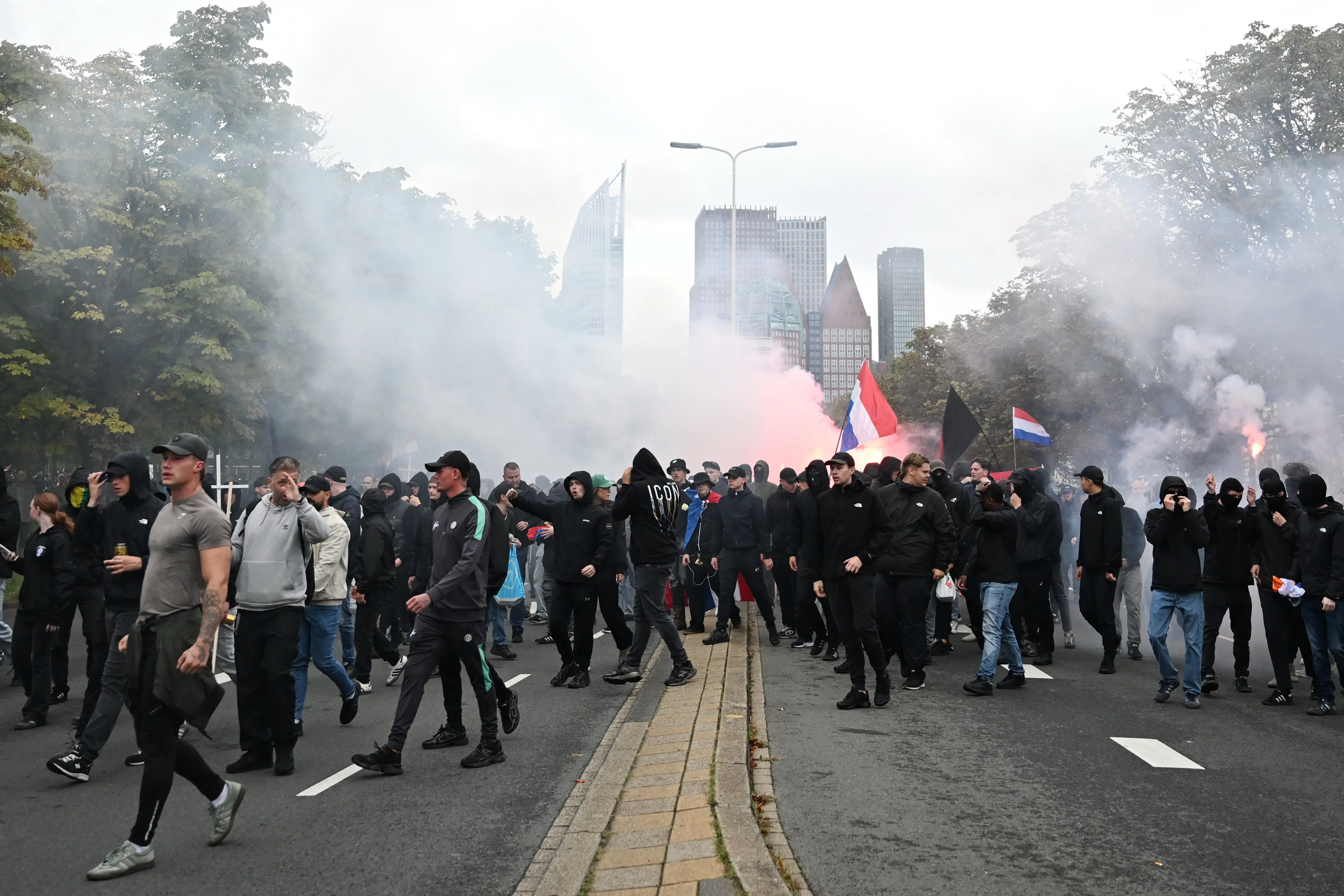
By midday, an estimated crowd of several hundred protesters had amassed. Many attendees waved historic and nationalistic flags, wearing heavy outerwear and concealing their identities behind face coverings—tactics increasingly characteristic of radical fringe groups. Tensions were palpable from the outset, with agitators shouting xenophobic slogans and distributing inflammatory literature directed against the central government’s asylum framework, European Union migration compacts, and the broader integration of foreign nationals into Dutch society.
The Breakdown into Violence
As the afternoon progressed, the rhetoric transitioned from verbal defiance to physical aggression. According to eyewitness accounts and police briefings, a faction within the crowd began actively provoking the heavy cordon of law enforcement officers stationed around the perimeter of the park.
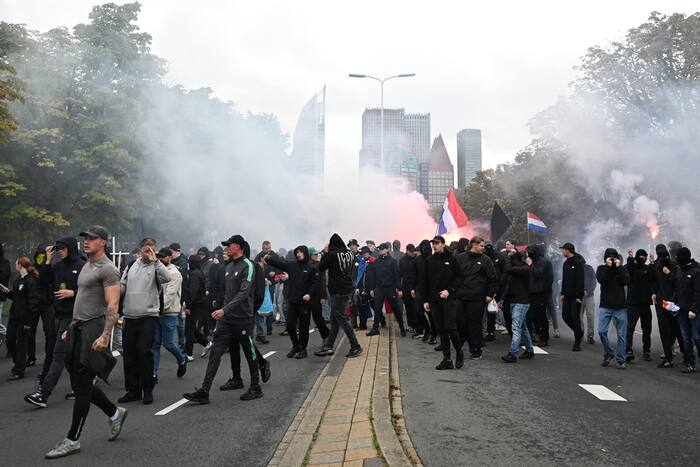
The situation rapidly escalated when rioters began launching industrial-grade fireworks, heavy stones, and glass bottles directly into the lines of riot police. The loud detonations of pyrotechnics reverberated through the government district, sending panicked bystanders and journalists scrambling for cover.
Realizing that the assembly had fundamentally breached the conditions of public safety and public order, the municipality of The Hague intervened. City officials formally banned the intended march through the city’s downtown corridors and issued an immediate, legally binding order for the crowd to disperse.
Law Enforcement Intervention
Refusing to comply with the dispersion orders, hardened elements of the crowd attempted to break through police lines, forcing a decisive response from the Dutch National Police (Politie).
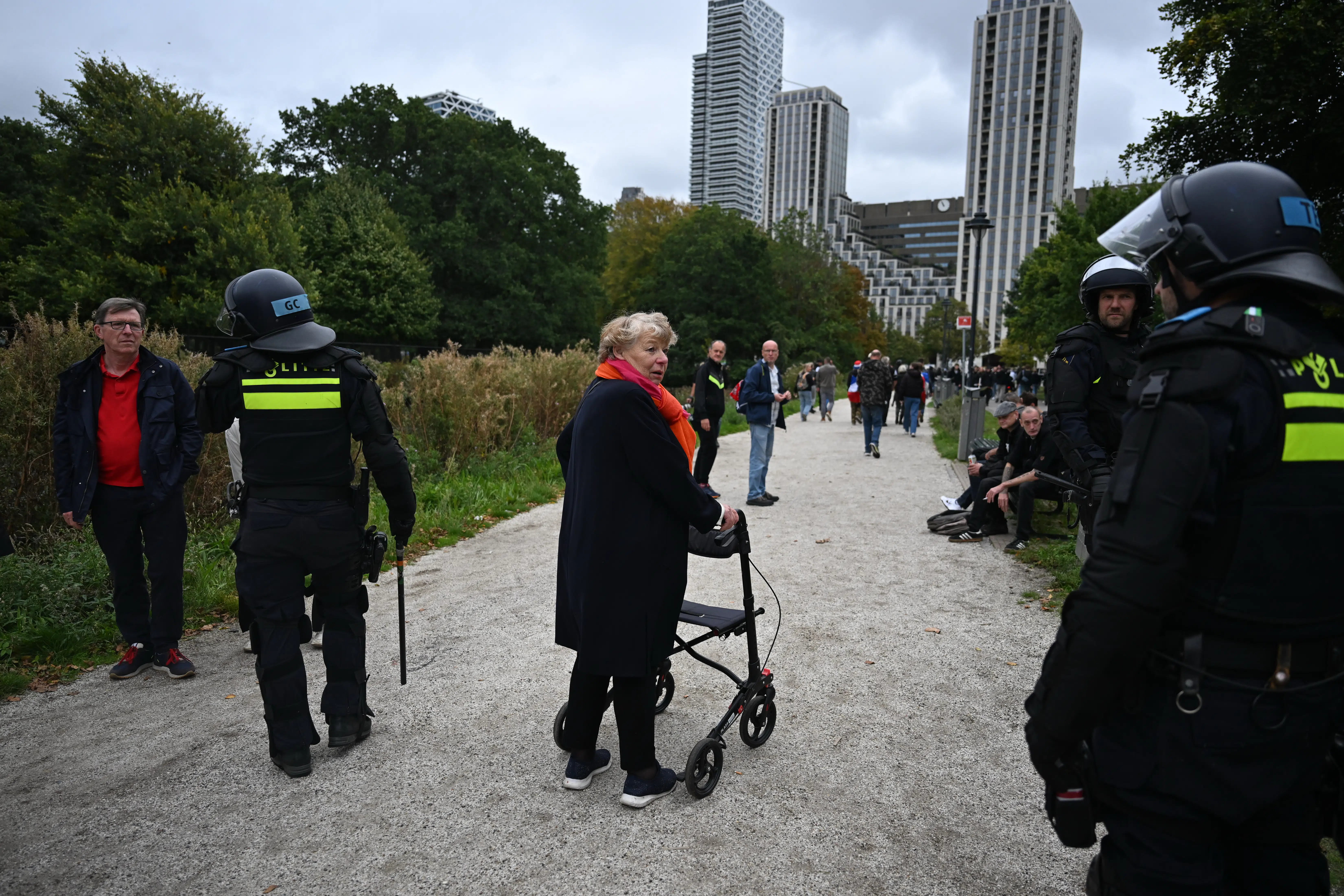
Riot squads equipped with heavy protective gear, shields, and batons advanced systematically to clear the Malieveld. To control the unruly and aggressive groups, authorities deployed tactical mounted police units—whose horses proved effective in breaking up charging clusters of demonstrators—alongside specialized canine units that secured perimeters and deterred direct assaults.
Police successfully cornered and neutralized pockets of resistance, executing multiple targeted arrests of individuals identified as primary instigators of the violence. By late Saturday evening, law enforcement had largely cleared the park and surrounding thoroughfares, maintaining a heavy, watchful presence throughout downtown The Hague to deter retaliatory gathering.
Supporting Context & Metrics: A Recurring Spectre of Radical Unrest
Saturday’s violent confrontations did not occur in a vacuum; rather, they form part of an increasingly volatile continuum of far-right agitation within the Netherlands.
The unrest bears striking similarities to major riots that erupted exactly one year prior, in September 2025. During those earlier demonstrations, black-clad extremist groups engaged in intense street battles with police, culminating in a police cruiser being deliberately set ablaze. Furthermore, those 2025 riots saw a direct assault launched against the national headquarters of the centrist Democrats 66 (D66) party—a targeted attack that underscored a growing disdain for mainstream democratic governance among fringe nationalist elements.
The Political and Demographic Landscape
The backdrop to these recurring clashes is an intense, protracted national debate concerning asylum seeker quotas, housing shortages, and immigration reform. The Netherlands—like several other Western European nations—has experienced significant strain on its municipal housing and social welfare infrastructure due to fluctuating influxes of refugees fleeing conflicts in the Middle East and Africa, alongside economic migration within the European Union.
While mainstream political parties have continuously debated legal mechanisms to tighten border controls and streamline asylum processing, extremist factions have capitalized on public anxieties to recruit disaffected citizens, stoke xenophobic narratives, and challenge the legitimacy of state institutions. The inclusion of overtly fascist iconography—such as the reported deployment of Nazi salutes during Saturday’s rally—signals a dangerous radicalization among certain segments of the anti-immigration movement, shifting the discourse from conventional political opposition to blatant hate speech and intimidation.
Official Statements and Political Condemnation
The response from the highest echelons of the Dutch government was swift, uncompromising, and uniform in its condemnation of the extremists.
Justice Minister David van Weel took to social media platform X shortly after the riots were quelled, issuing a searing indictment of the protesters’ behavior. Calling for an "extremely firm" judicial and policing response, van Weel detailed the severity of the infractions witnessed on the ground.
"What we witnessed today in The Hague are disgusting scenes that have no place in a civilized society," van Weel wrote on X. "Demonstrators making Nazi salutes, chanting antisemitic slogans, physically attacking police officers, and hurling fireworks at riot squads is completely intolerable. Thanks to all the police officers who are once again standing up for our democratic rule of law."
Municipal leaders in The Hague echoed the Justice Minister’s sentiments, emphasizing that while the right to peaceful protest remains a cornerstone of the Dutch constitution, acts of violence, hate speech, and vandalism forfeit any claim to legal protection. The Public Prosecution Service (Openbaar Ministerie) confirmed that forensic teams are currently reviewing extensive body-cam footage, closed-circuit television (CCTV) recordings, and media documentation to identify additional suspects involved in the violence. Prosecutors have indicated that they intend to pursue expedited fast-track trials for those arrested, ensuring that charges ranging from public violence and assault on an officer to hate speech and the display of forbidden extremist symbols are prosecuted to the fullest extent of the law.
Future Outlook: Implications for National Security and Governance
As the dust settles on the streets of The Hague, the events of September 19, 2026, leave policymakers, law enforcement agencies, and civil society facing critical questions about the future trajectory of public safety and political discourse in the Netherlands.
1. Hardened Security Posture for Public Demonstrations
Security analysts predict that Dutch authorities will adopt a significantly more restrictive approach toward future right-wing and anti-immigration demonstrations. The increasing propensity for these rallies to attract violent fringe elements and elements utilizing football hooligan tactics means that municipal governments are likely to exercise greater preemptive scrutiny, denying permits or imposing strict geographic and numerical limitations on assemblies deemed high-risk.
2. Political Realities Under Prime Minister Rob Jetten
The unrest poses a direct administrative and political test for the government led by Prime Minister Rob Jetten. Having previously weathered the fallout from the 2025 D66 headquarters attack, Jetten’s administration must now navigate the delicate balance between upholding citizens’ fundamental rights to free expression and assembly while decisively neutralizing threats to public order and democratic security. The government is expected to face renewed parliamentary scrutiny regarding its holistic strategies for combating radicalization, antisemitism, and far-right extremism.
3. Societal Polarization and Counter-Extremism Measures
Beyond immediate law enforcement crackdowns, sociologists and political scientists warn that structural drivers of polarization—including economic pressures, housing scarcity, and polarized digital information ecosystems—must be addressed to prevent further radicalization. Civil society organizations in the Netherlands are calling for intensified educational and community-based counter-extremism initiatives to inoculate vulnerable populations against the appeal of nationalist demagogues.
Ultimately, Saturday’s riots in The Hague serve as a stark reminder of the fragilities inherent within open democratic societies. As extremist factions test the boundaries of the law, the resilience of the Dutch democratic rule of law will depend heavily on the unwavering vigilance of its institutions, the integrity of its judiciary, and a unified political rejection of hatred and violence.

0 Comments