

Executive Overview
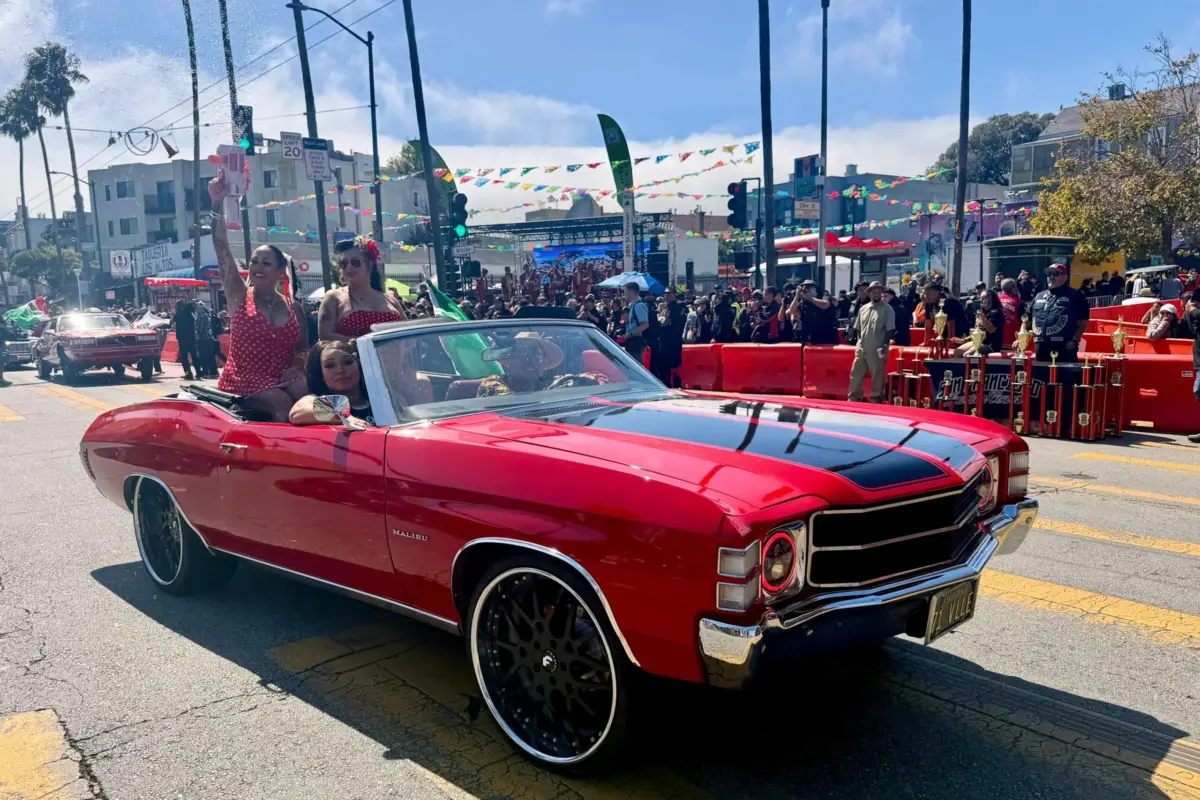
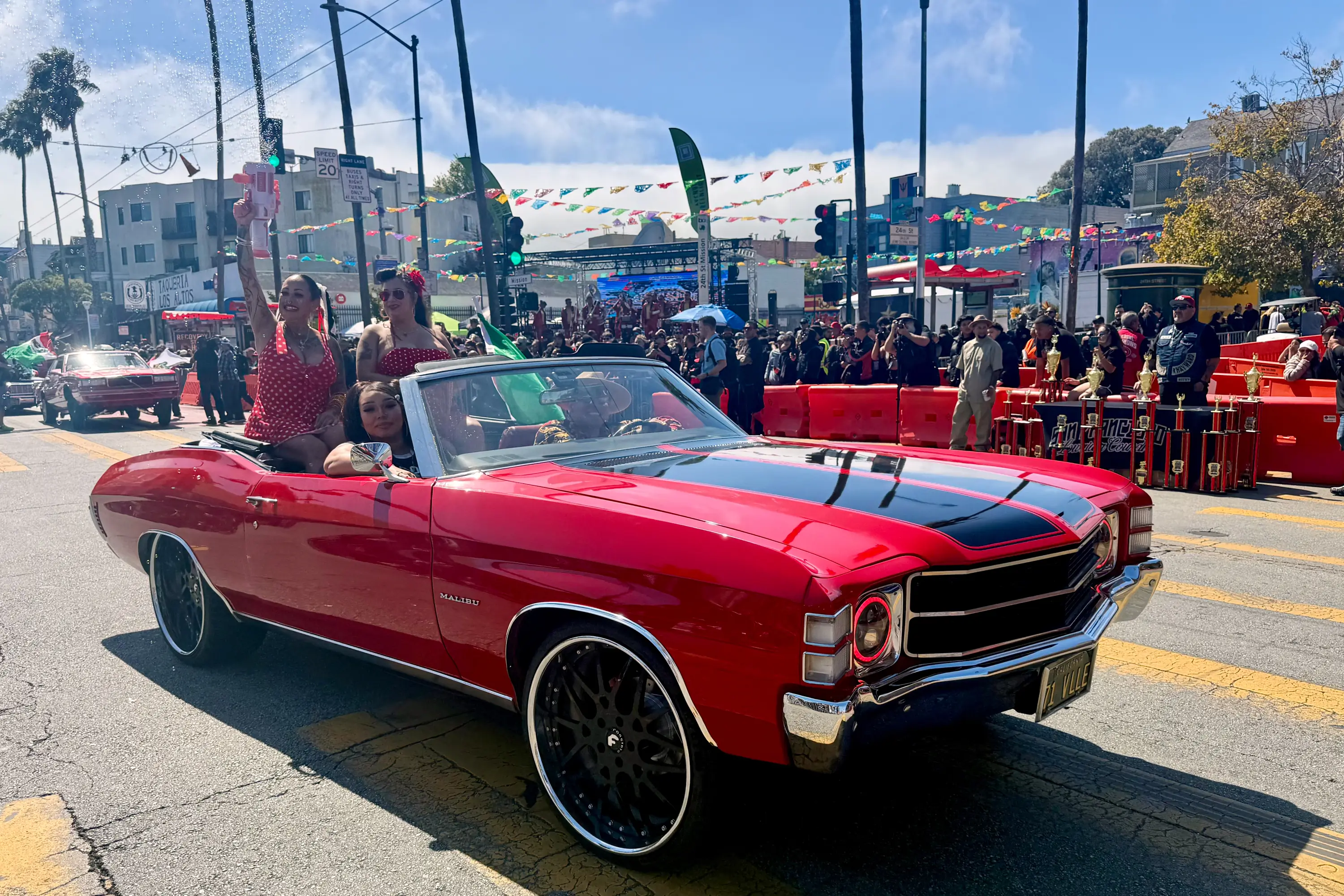
SAN FRANCISCO — Amidst the thumping rhythms of oldies, the sharp glint of polished chrome, and the rhythmic hydraulics bouncing against the San Francisco pavement, Mission Street transformed into a vibrant living museum on Saturday, September 19, 2026. The occasion was the annual King of the Streets event, a premier showcase of lowriding culture that unfolded against the backdrop of National Hispanic Heritage Month. Hundreds of customized, meticulously detailed vehicles—engineered to ride "low and slow"—cruised through the historic neighborhood, drawing thousands of cheering spectators of all ages.
Yet, the 2026 procession was more than a mere gathering of automotive enthusiasts; it served as a triumphant milestone for a community that has spent decades fighting for legitimacy, recognition, and the fundamental right to assemble. Once heavily targeted by municipal crackdowns, anti-cruising laws, and systemic profiling, lowriding has steadily transitioned from the margins of American society to the very center of cultural prominence.
This year’s event was marked by a palpable sense of vindication. Across the nation and within the state of California, lowriding is experiencing a historic renaissance. From the United States Postal Service issuing official stamps celebrating classic lowriders to the rollout of specialized state license plates backed by California Governor Gavin Newsom, the once-maligned Chicano and Mexican American counterculture has officially secured its place in the American cultural canon. As Roberto Hernandez, founder of the San Francisco Lowrider Council, aptly summarized during the festivities: "We finally got our stamp of approval. We have a lot to celebrate this year."
Detailed Chronology: From the Rhythms of Post-War California to Mission Street’s Modern Triumph
The history of lowriding is inextricably linked to the socio-economic evolution of Mexican American and Chicano communities in the post-World War II United States, with California serving as the undisputed incubator for the modern movement.
The Post-War Genesis (1940s–1960s)
In the late 1940s and 1950s, young Mexican American youths in Los Angeles and throughout the Southwest began modifying post-war American sedans. Seeking to distinguish themselves from hot-rodders—who focused heavily on high-speed racing—lowriders embraced the exact opposite philosophy: despacito (slowly). They weighed down the rear ends of their vehicles with sandbags and concrete blocks, cut coil springs, and modified frames to achieve a sleek, ground-hugging profile. Coupled with vibrant, multi-layered custom paint jobs reflecting Chicano iconography, these rolling sculptures became mobile canvases for cultural identity.
The Era of Criminalization and Resistance (1970s–1990s)
As the subculture expanded across California, Texas, Arizona, and New Mexico, it increasingly drew the ire of law enforcement and municipal governments. By the 1980s, cities across California began implementing sweeping anti-cruising ordinances. Framed by local politicians as measures to combat traffic congestion, crime, and gang activity, these laws effectively criminalized the act of driving back and forth along a designated public street.
In San Francisco, the friction between lowriders and local authorities reached a boiling point. Roberto Hernandez and other community advocates faced aggressive policing tactics, including frequent traffic citations, targeted vehicle impoundments, and outright police blockades aimed at shutting down Mission Street cruising. Refusing to let the culture be legislated out of existence, Hernandez and the San Francisco Lowrider Council took legal action, filing lawsuits against the city and its police department to protect constitutional rights of assembly and expression. Despite these legal battles, local anti-cruising bans persisted across the state for decades, disproportionately affecting Latino youth and stigmatizing a rich cultural tradition.
The Legislative Turning Point (2023)
A monumental shift occurred in October 2023, when California Governor Gavin Newsom signed landmark legislation overturning the state’s decades-old anti-cruising bans. The law effectively stripped local governments of the authority to enact blanket prohibitions against cruising, acknowledging that past restrictions were rooted in discriminatory practices and cultural bias. This legislative victory opened the floodgates for a cultural revival, empowering municipalities to embrace cruising as a legitimate public art form and community tradition rather than a public nuisance.
National Validation and the 2026 Renaissance
Entering 2026, lowriding achieved unprecedented national institutional recognition. The U.S. Postal Service rolled out a dedicated stamp series honoring classic lowriders, cementing the vehicles’ status as American design icons. Simultaneously, the state of California introduced specialized lowrider license plates, providing enthusiasts with official state endorsement. These milestones culminated in the September 19, 2026 King of the Streets event, which stands as the largest and most celebratory gathering in the festival’s history.
Supporting Context & Metrics: The Engineering, Economics, and Demographics of Lowriding
To view a lowrider merely as a modified car is to misunderstand an intricate, highly skilled subculture. Practitioners, artisans, and cultural historians emphasize that lowriding is an exhaustive, expensive, and deeply personal labor of love.
Anatomy of an Art Piece
Transforming a classic American automobile—typically models from the mid-20th century such as Chevrolet Impalas, Monte Carlos, and Fleetlines—into a championship-level lowrider requires thousands of hours of specialized labor and significant financial investment. Key elements include:
- Hydraulic and Air-Ride Suspensions: Custom-installed hydraulic pumps, actuated by complex electrical wiring and switches, allow vehicles to bounce, tilt, three-wheel, and lower themselves completely flush with the pavement.
- Custom Paint and Pinstriping: Bodies undergo meticulous multi-stage painting processes incorporating metal flake, candy-apple coats, lace patterns, and intricate hand-pinesriping, often taking months to complete.
- Upholstery and Interior Design: Interiors feature crushed velvet, tufted leather, custom steering wheels (often carved from chain links), and high-end audio systems.
- Engines and Chrome Detailing: Under-hood components are heavily chromed, engraved, and polished to a mirror finish, ensuring that every square inch of the vehicle serves an aesthetic purpose.
Economic and Community Impact
Building a competitive lowrider is an economic driver for specialized niche markets, supporting independent mechanics, metal platers, hydraulic technicians, and custom painters. Furthermore, lowrider car clubs function as vital community organizations. Far from the negative stereotypes historically pushed by municipal authorities, modern clubs frequently organize charity toy drives, neighborhood barbecues, and youth mentoring programs, anchoring themselves as pillars of civic engagement in Latino neighborhoods.
Official Statements and Community Voices
The human element of lowriding remains its defining characteristic. At the King of the Streets event, participants and leaders articulated the profound cultural significance of the day’s celebrations.
Roberto Hernandez, founder of the San Francisco Lowrider Council, reflected on the decades-long struggle for recognition and the emotional weight of the 2026 celebrations:
"We finally got our stamp of approval. We have a lot to celebrate this year. From the postal stamps to the new state license plates, the narrative has fundamentally changed. They tried to close our streets, but we proved that culture cannot be towed away."
Johnny Castro, a dedicated participant who attended the event alongside his family, spoke passionately about the philosophy of the movement and the sacrifices required to maintain these automotive masterpieces:
"It’s about driving low, being seen, and going slow. We go slow so people can see us, see our art that we put together here, because it does take time and money to put these cars together. Rolling with my wife and my kids—we all have our own little rides, and it’s great. This isn’t just about cars; it’s about passing down our history to the next generation."
Governor Gavin Newsom, whose administration played a pivotal role in dismantling the state’s historical cruising restrictions through the 2023 legislation, has repeatedly championed lowriding as an indispensable component of California’s diverse cultural fabric, noting that the tradition represents the innovation, resilience, and artistic genius of the state’s Chicano communities.
Future Outlook: Preserving a Legacy for Generations to Come
As the sun set on Mission Street following the conclusion of the 2026 King of the Streets event, the trajectory of lowriding has never looked more secure. No longer forced into underground meetups or subjected to the constant threat of municipal harassment, the culture is entering a golden age of institutional preservation and public celebration.
Looking forward, community advocates and cultural historians are turning their attention toward educational initiatives and museum exhibitions aimed at preserving the oral histories of pioneer lowriders. By archiving the intricate craftsmanship, the legal battles of the 1980s and 90s, and the triumphant legislative victories of the 2020s, organizations like the San Francisco Lowrider Council are ensuring that future generations understand the true price of cruising down Mission Street.
Ultimately, the story of lowriding is a testament to cultural persistence. By transforming mechanical engineering into high art and public streets into galleries of identity, Chicano and Mexican American communities have permanently etched their heritage into the asphalt of American history—proving that when told to speed up, the best response is always to ride low, ride slow, and roll proud.

0 Comments