

Executive Overview
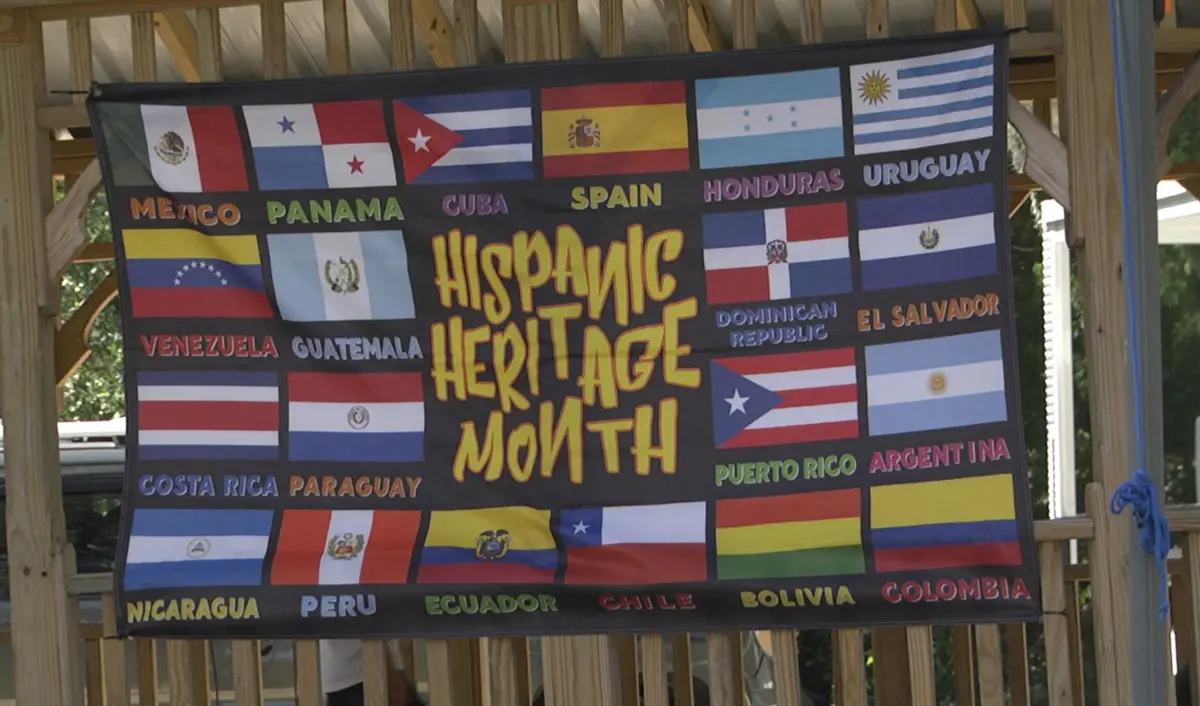
MARION OAKS, Fla. — Against the vibrant backdrop of Central Florida’s shifting demographic landscape, residents of Marion Oaks gathered this weekend for a jubilant and deeply resonant celebration of Hispanic Heritage. The event, which transformed a neighborhood park into a bustling epicenter of Caribbean, Central, and South American cultures, served as more than just a localized festival of food, music, and dance. It acted as a living testament to the rapid expansion and cultural integration of the Hispanic community across Marion County.
As the county continues to evolve into one of the state’s most dynamic multicultural hubs, community leaders, local families, and civic organizers used the occasion to highlight the profound economic, social, and cultural contributions of Hispanic residents. Featuring a rich tapestry of authentic gastronomy—ranging from sweet polvorones to refreshing, handcrafted aguas frescas—alongside mesmerizing traditional dance performances, the gathering encapsulated the spirit of unity and cultural preservation.
However, beneath the festive surface lies a larger narrative of regional transformation. The rapid demographic influx into unincorporated communities like Marion Oaks presents both unprecedented opportunities for economic revitalization and unique challenges for local infrastructure, public services, and educational systems. This comprehensive report examines the nuances of this cultural milestone, tracing its chronological roots, analyzing the underlying demographic metrics, capturing official stakeholder perspectives, and forecasting the trajectory of Marion County’s multicultural future.
Detailed Chronology: A Day of Unity, Rhythm, and Tradition
The morning sun broke over Marion Oaks on Saturday, casting a golden hue across a venue that had transformed overnight into a pavilion of international heritage. Months of meticulous planning by community grassroots organizations culminated in an event designed to honor the multifaceted diaspora that now calls Marion County home.
10:00 AM – The Grand Opening and Culinary Awakening
The festivities officially commenced at 10:00 AM, welcoming families, elders, and youth under a canopy of colorful banners representing nations from across Latin America. The air immediately filled with the rich, inviting aromas of slow-roasted meats, savory plantains, and sweet spices.
Culinary traditions took center stage early in the day. Local vendors and home cooks presented a masterclass in Hispanic gastronomy, offering everything from savory empanadas and pupusas to delicate, crumbly polvorones—traditional shortbread cookies dusted with confectioner’s sugar that melted on the tongue. To combat the relentless Florida midday heat, mobile stations serving chilled aguas frescas in flavors such as horchata, tamarind, and hibiscus (jamaica) proved immensely popular among attendees of all ages.
1:00 PM – The Rhythm of the Homeland: Cultural Performances
By early afternoon, the focal point of the celebration shifted to the main stage, where a series of traditional dance troupes took command of the audience’s attention. Dancers adorned in hyper-vibrant, cascading dresses—bursting with shades of crimson, royal blue, and marigold yellow—swirled in precise synchronization.
The performances served as a living history lesson. The intricate footwork and soaring regional melodies narrated stories of indigenous heritage, European colonization, and African influences blending together to form the rich mosaic of Latin American culture. Elders sat near the front, clapping in rhythm, while younger generations recorded the spectacle on smartphones, bridging the gap between ancestral heritage and modern digital life.
4:00 PM – Community Dialogues and Youth Engagement
As the afternoon progressed, the festival transitioned from pure entertainment to community engagement. Informational booths run by local civic groups, educational advocates, and small business owners provided resources on financial literacy, English-as-a-second-language (ESL) programs, and local healthcare access.
Organizers led impromptu panel discussions focusing on the importance of preserving native languages and cultural identity while actively participating in local civic life. Young people participated in art workshops centered on Latin American folklore, ensuring that the roots of their heritage remain firmly planted even as they navigate growing up in central Florida.
7:00 PM – Evening Crescendo and Closing Remarks
The celebration culminated as twilight settled over Marion Oaks. A live salsa and merengue band took the stage, drawing hundreds of couples and families onto the makeshift dance floor. The infectious rhythms echoed far beyond the park boundaries, drawing curious onlookers from neighboring residential streets. As the final notes faded, organizers took to the microphone to thank the volunteers, sponsors, and attendees, leaving a lingering sense of pride that would reverberate throughout the county long after the lights went down.
Supporting Context & Metrics: The Changing Face of Marion County
To truly understand the significance of the Hispanic Heritage celebration in Marion Oaks, one must examine the hard data driving the transformation of Marion County’s population. For decades, Central Florida’s demographic growth was synonymous with metropolitan centers like Orlando, Tampa, and Miami. However, in recent years, suburban and unincorporated communities such as Marion Oaks have experienced an unprecedented population boom, largely propelled by families relocating from South Florida and out-of-state looking for affordable housing and a higher quality of life.
Demographic Shifts and Census Data
According to recent U.S. Census Bureau estimates and regional planning council reports, Marion County’s Hispanic and Latino population has experienced exponential growth. While the county was historically majority-non-Hispanic white, the demographic scales are steadily balancing.
- Population Growth Rate: Over the past decade, Marion County’s Hispanic population has grown at a rate nearly triple that of the county’s overall population growth.
- Geographic Concentration: Unincorporated areas like Marion Oaks, Silver Springs Shores, and specific sectors of Ocala have emerged as primary landing zones for new residents. In Marion Oaks specifically, Hispanic residents now account for a substantial and highly visible plurality of the local population.
- Nationalities of Origin: The demographic makeup of Marion County’s Hispanic community is wonderfully diverse. While Puerto Ricans—who are U.S. citizens by birth—make up a significant portion of the migrant wave from the island and the U.S. mainland, there is also a thriving and rapidly growing populace hailing from Cuba, the Dominican Republic, Colombia, Venezuela, Mexico, and Central American nations.
Economic Impact and Entrepreneurship
This population surge is not merely a statistical shift; it is an economic powerhouse. Hispanic-owned businesses in Marion County have proliferated across sectors ranging from construction and real estate to retail, professional services, and gastronomy.
Local economists note that Hispanic entrepreneurs are filling critical gaps in the regional supply chain, creating jobs, and injecting fresh capital into the local economy. The demand for bilingual professionals in healthcare, education, and legal services has similarly skyrocketed, fundamentally altering the local labor market and prompting regional employers to adapt their hiring and operational strategies.
Infrastructure and Social Adaptation
This rapid growth, however, does not come without systemic growing pains. Local public school districts have had to rapidly expand their English for Speakers of Other Languages (ESOL) programs, hiring bilingual educators and support staff to accommodate an influx of students. Healthcare providers are increasingly investing in culturally competent care and translation services to ensure that language barriers do not impede access to critical medical resources.
Housing affordability remains a pressing concern. As the demand for homes in Marion Oaks climbs, local leaders face the complex task of managing sustainable growth, ensuring that infrastructure development keeps pace with population expansion without pricing out long-term residents.
Official Statements and Community Perspectives
The resonance of the Marion Oaks celebration extended far beyond the immediate joy of the festival grounds, prompting reflections from civic leaders, cultural advocates, and local residents on what this moment signifies for the broader community.
Voices from the Organizers
Maria Rodriguez, one of the primary coordinators of the Marion Oaks Hispanic Heritage event, emphasized the intentionality behind the gathering.
"When we look around today, we do not just see people eating good food or dancing to beautiful music; we see a community recognizing its own strength and visibility," Rodriguez stated during an interview on the sidelines of the event. "For a long time, families moving into Marion Oaks felt isolated from their cultural roots. Events like this build a bridge. They tell our children that their heritage is something to be profoundly proud of, and they tell our neighbors that we are here, we are invested, and we are an integral part of Marion County’s future."
Civic Leadership and Integration
Local government officials who attended the festival underscored the importance of inclusion and cross-cultural dialogue in maintaining Marion County’s social fabric.
Marcus Vance, a representative from regional civic development boards, noted the critical role that grassroots cultural events play in civic health.
"Demographic shifts can sometimes create anxiety if communities operate in silos," Vance remarked. "What happened here today in Marion Oaks is the exact antidote to division. By sharing our traditions, our food, and our stories openly, we replace fear with familiarity. Marion County is stronger, more vibrant, and more economically resilient because of our expanding Hispanic community. Our job as civic leaders is to ensure that every resident—regardless of where they were born—feels heard, valued, and empowered to participate in local governance."
Personal Reflections from Attendees
For many families in attendance, the event was a deeply emotional reminder of home. Carlos and Elena Mendoza, who relocated to Marion Oaks from San Juan, Puerto Rico, three years ago, brought their two young children to experience the dances and music of their childhood.
"Back home, festivals like this are part of everyday life," Elena Mendoza shared, watching her daughter attempt the footwork of a traditional Colombian cumbia dancer. "When we first moved here, we missed that sense of collective celebration. To see our traditions embraced and celebrated right here in our new neighborhood in Marion Oaks means everything to us. It makes this place truly feel like home."
Future Outlook: The Horizon of a Multicultural Marion County
As the sun set on Marion Oaks and the final echoes of salsa music faded into the Florida night, the broader implications of the day’s events set the stage for the years ahead. The celebration was not merely an observance of the past; it was a foundational stone for the future of Marion County.
Policy and Strategic Planning
Looking forward, regional planners and policymakers face a clear mandate: proactive adaptation. The continued growth of the Hispanic population in Marion Oaks and surrounding unincorporated areas necessitates targeted investments in:
- Bilingual Civic Infrastructure: Expanding access to public notices, voting materials, and municipal services in both English and Spanish to ensure maximum civic participation.
- Economic Development Initiatives: Providing micro-grants, business incubators, and networking platforms specifically designed to support Hispanic-owned small businesses and minority entrepreneurs.
- Youth and Educational Programs: Strengthening school district resources, expanding cultural exchange programs, and creating mentorship pipelines that empower the next generation of diverse leaders in Marion County.
Cultural Cohesion and Continuity
Organizers have already begun preliminary planning for next year’s event, aiming to expand its scope to include educational symposiums, art exhibitions, and business expos. The objective is to institutionalize these gatherings as permanent fixtures on the Marion County calendar, fostering enduring relationships between long-standing residents and newer arrivals.
Ultimately, the Hispanic Heritage celebration in Marion Oaks serves as a microcosm of modern America. It demonstrates that cultural preservation and community integration are not mutually exclusive, but rather mutually reinforcing. As Marion County writes its next chapter, the vibrant threads of Hispanic culture, resilience, and ambition will undoubtedly remain woven firmly into the very fabric of its identity, ensuring a richer, more dynamic future for all who call the region home.

0 Comments